
Car for the Well-Heeled: 5 Jaguar Models That Secured Their Place in Automotive History
Jaguar’s legacy is defined by standout models that shaped its identity through design, innovation, and unmistakable British character.

Throughout its long and storied history, Jaguar has produced a wide range of cars, concepts, and prototypes that became true icons of automotive culture. Here’s a look at five standout models that best showcase the evolution of the brand’s design, engineering, and spirit.
Jaguar Daimler Double Six (1973–1992)
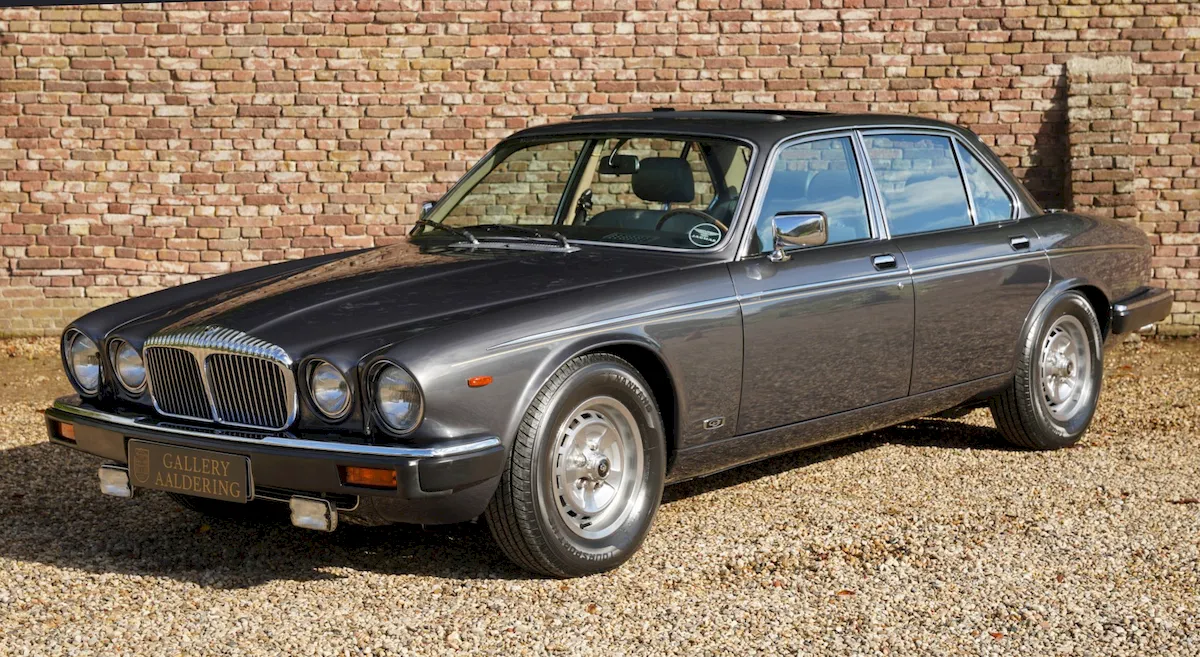
Although the Daimler Double Six wasn’t technically a Jaguar model, it was engineered and built by Jaguar, which owned the Daimler brand at the time. This luxury sedan came equipped with a 5.3-liter V12 borrowed from the XJS.
The car delivered an exceptional level of comfort, craftsmanship, and refinement—mixing British opulence with German-like solidity.
The Double Six was aimed at affluent drivers who valued tradition, power, and uncompromising comfort. It remains a prime example of British elegance taken to its highest expression.
Jaguar XK8 (1996–2006)
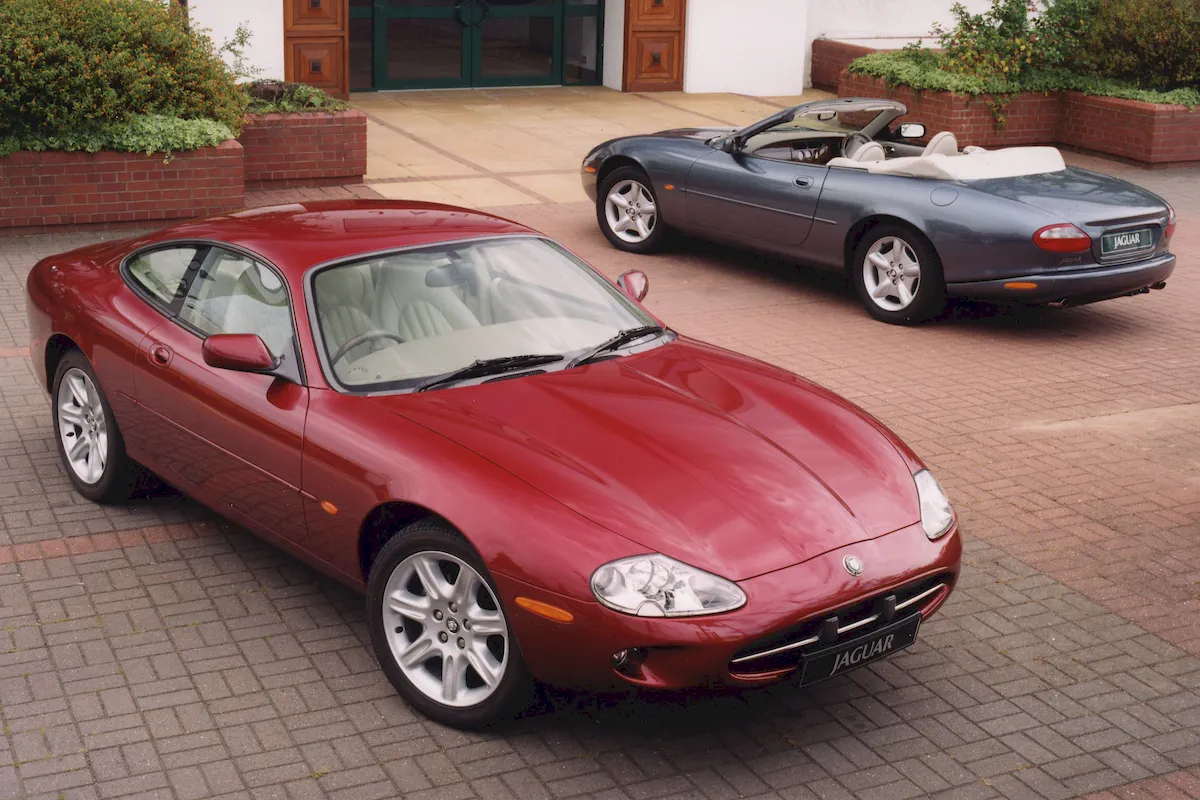
In the late 1990s, Jaguar entered a new era with the introduction of the XK8. Under the hood sat a 4.0-liter V8 with quad cams and fuel injection, later enlarged to 4.2 liters for even more power.
Its graceful proportions, smooth lines, and seamless transitions from hood to roof to tail made the XK8 especially striking. This model served as a bridge between Jaguar’s classic styling heritage and its modern design philosophy—laying the groundwork for the brand’s later successes.
Jaguar C-X75 (2010–2013)
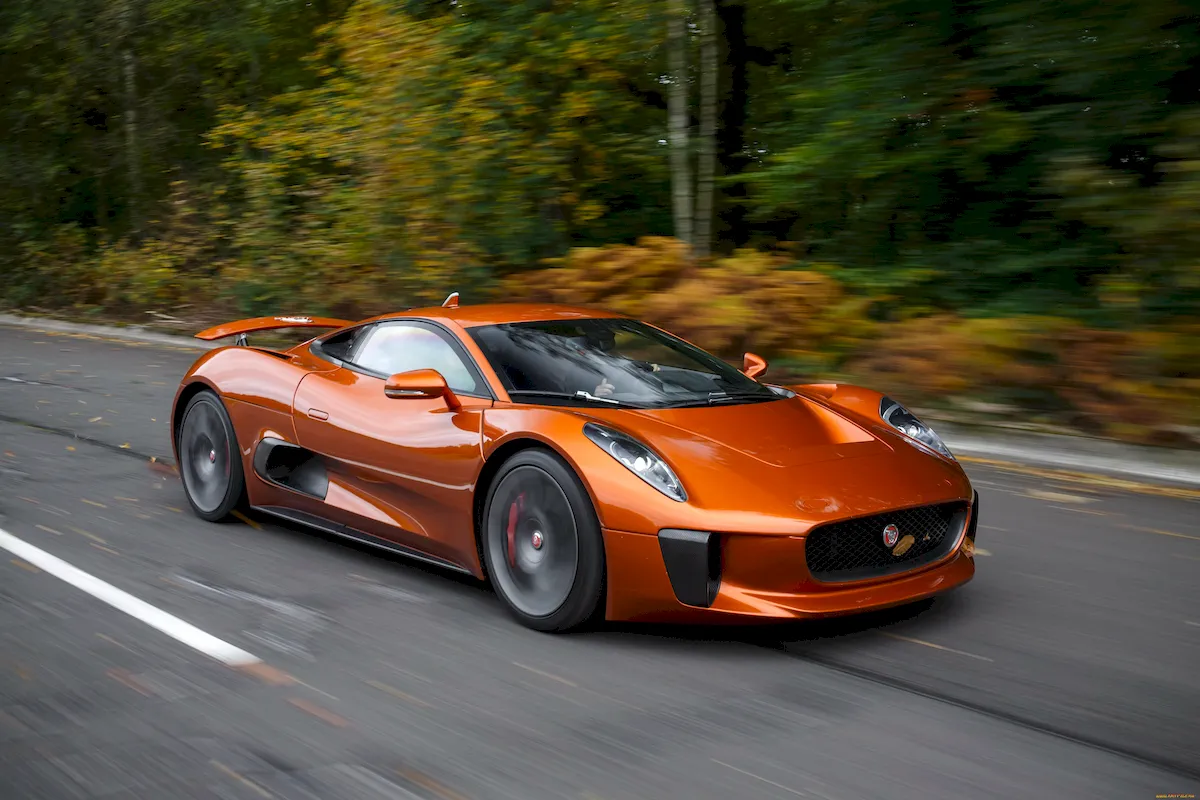
The C-X75 stands out as one of Jaguar’s most daring projects, developed in partnership with Williams Advanced Engineering. This concept car blended futuristic technologies with unmistakably British aesthetics.
Unveiled in 2010, the C-X75 featured four electric motors—one at each wheel—and used micro-turbines running on diesel fuel to charge the batteries. The setup allowed the car to reach speeds of up to 320 km/h and offered an impressive range of roughly 900 km.
Although it never reached production, its sharp lines, aerodynamic elements, and aggressive nose left a lasting imprint on Jaguar’s design legacy.
Jaguar XJS (1975–1996)
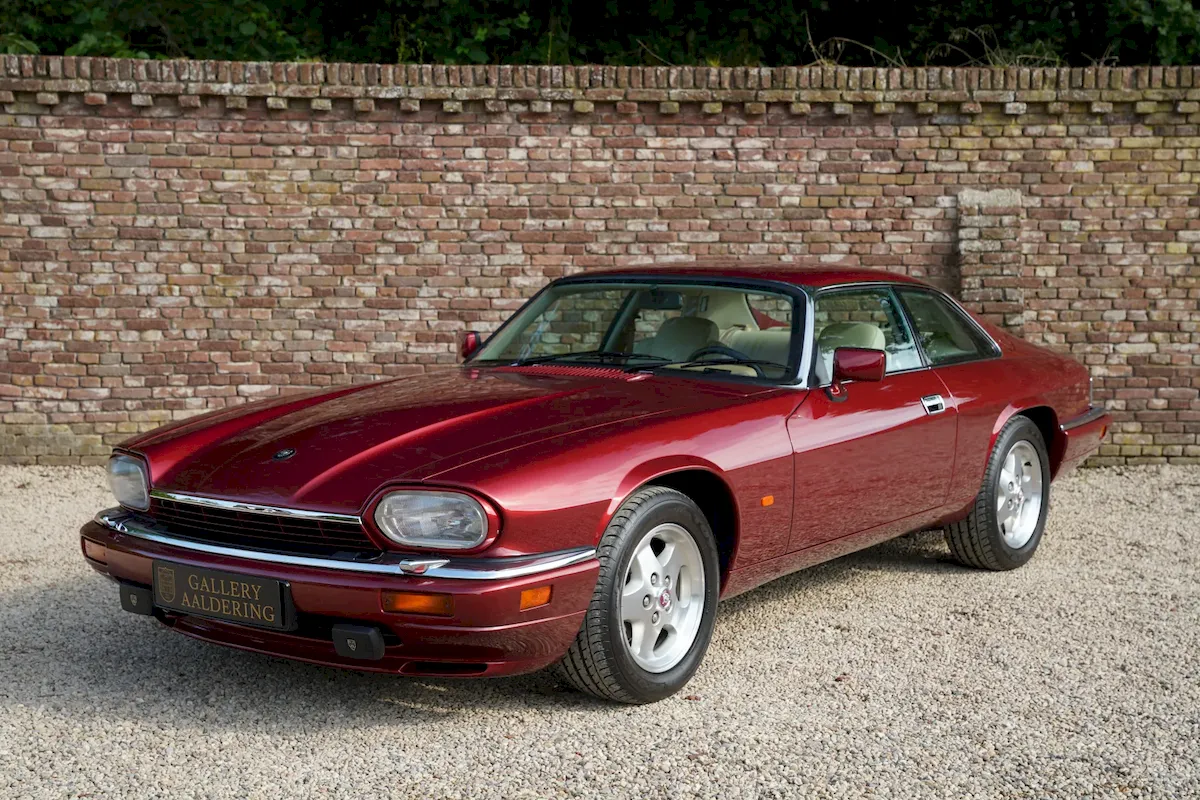
For many years, the Jaguar XJS was considered one of the most beautiful GT cars on the market. It combined comfort, performance, and signature style. Its smooth curves, long hood, and neatly rounded rear end gave it a perfectly balanced look.
Early on, critics pointed to its weight and handling shortcomings. But over time, the model benefitted from improved suspension, stronger brakes, and more powerful engines. The XJS remained in production for nearly 21 years—an impressive run for a GT of its class.
Jaguar XF (2007–2024)
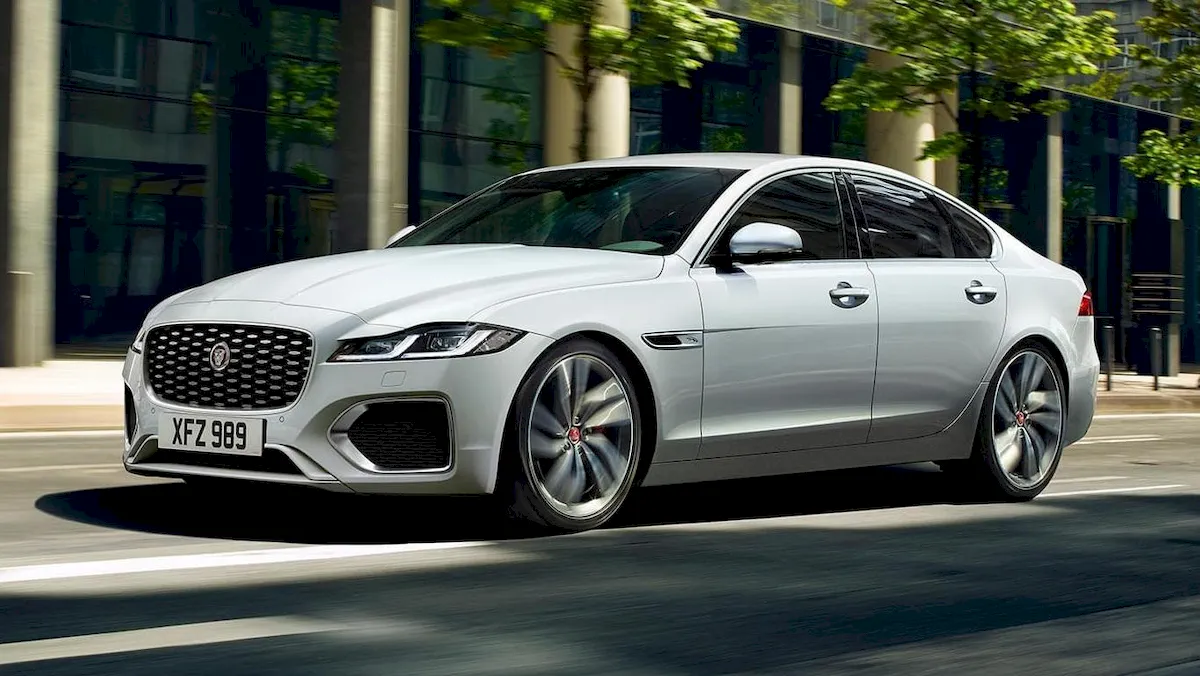
One of Jaguar’s modern design milestones came with the XF sedan, which broke from its predecessors thanks to bold lines and a futuristic look.
Though a sedan, its silhouette evoked a coupe. Aggressive headlights, a stretched wheelbase, and flowing shapes gave it a contemporary presence, while the interior set new standards for luxury and technology at the time.
The XF didn’t just look the part—it offered a wide range of powertrains, including supercharged and naturally aspirated V6 and V8 engines. The model became a key element in Jaguar’s 21st-century revival.
We previously highlighted five other notable classic Jaguar models—and they’re well worth checking out.
You may also be interested in the news:

The Sheriff Knew She Was Speeding—Then This Blonde Driver Turned the Ticket Against Him
A sheriff pulls over a Ferrari for speeding, but the driver's bizarre logic quickly turns the traffic stop against him.
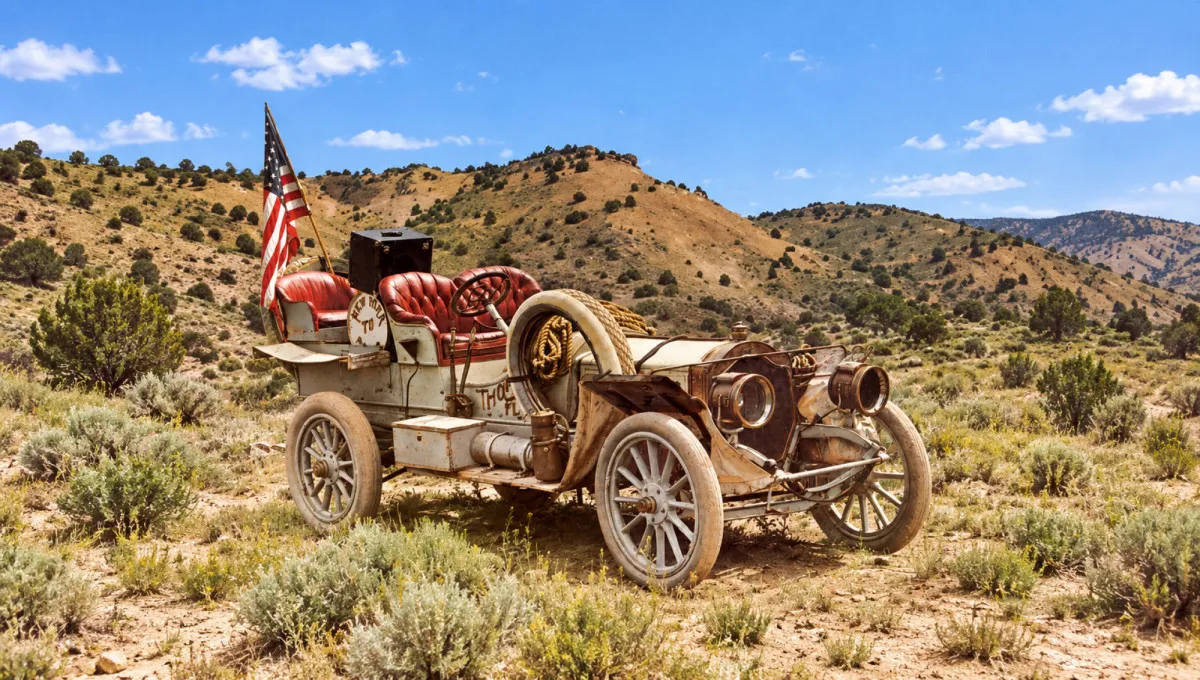
No Roads, No Map, No Car: The $50 Bet That Sent a Doctor Across America
In 1903, one doctor bet $50 he could drive from San Francisco to New York.
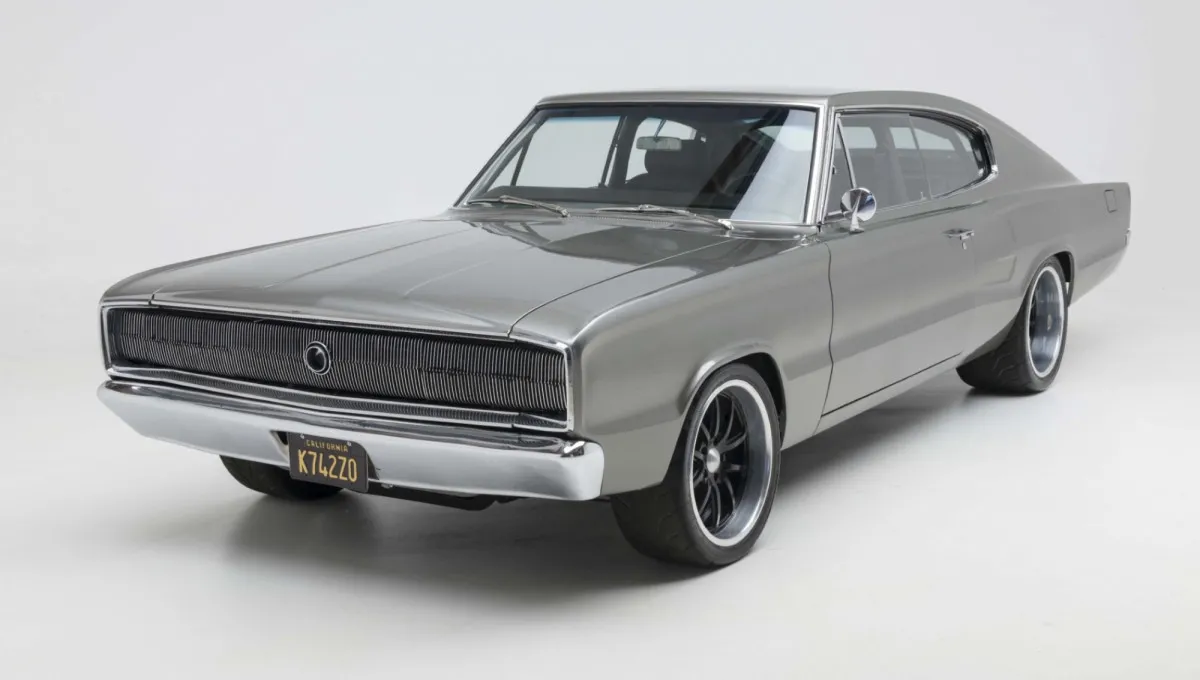
The “Leader of the Dodge Rebellion”: The 1966 Dodge Charger
The Dodge Charger has endured for 60 years, but its story began with an unlikely 1966 debut.
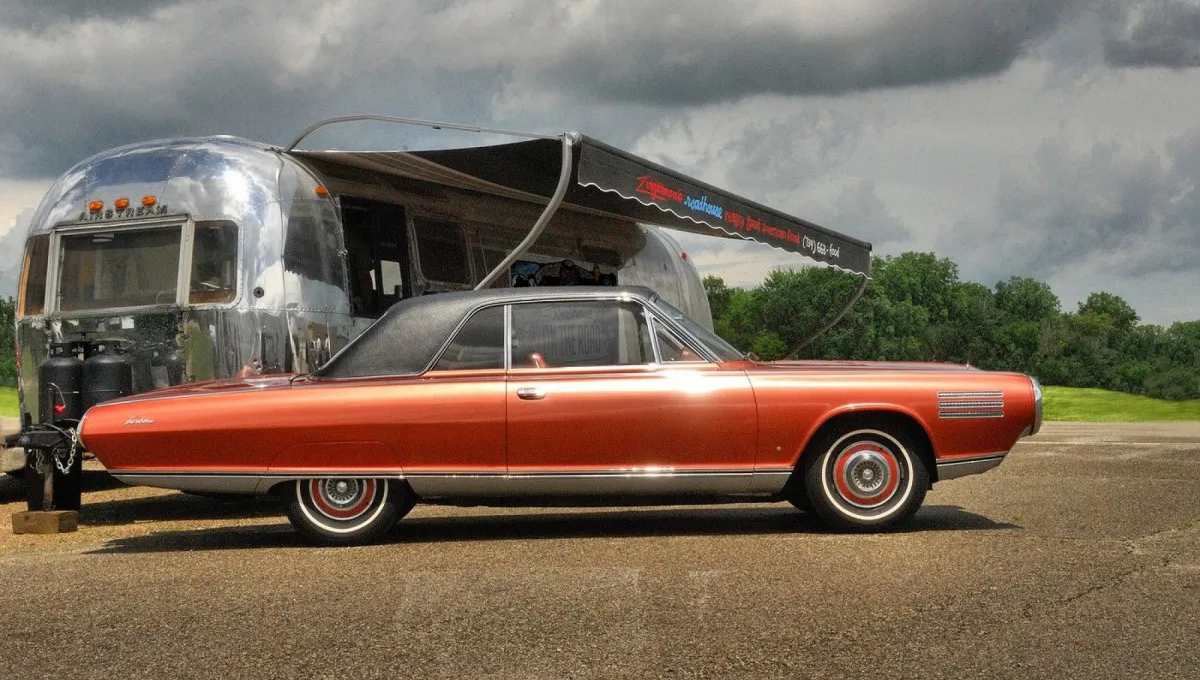
The Gas Turbine Chrysler Drove a Million Miles Across the U.S., Ran on Perfume, but Never Went Into Production
In late 1963, a strange new car hit American roads, turning heads with the unmistakable sound of a jet engine.