
What’s That Little Button on Your Seat Belt For? The Answer Might Surprise You
That tiny dot on your car’s seat belt is easy to overlook.
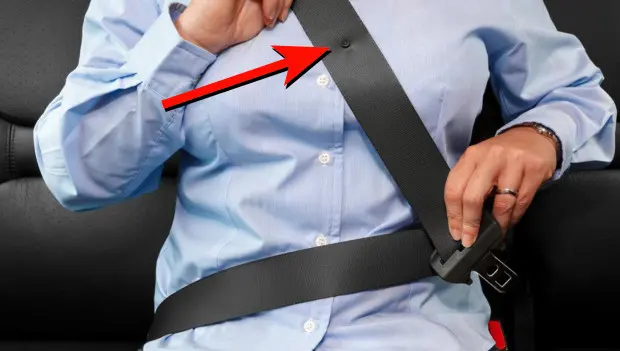
That small button on your car’s seat belt is something most people barely notice. It’s usually the same color as the belt and looks almost decorative. So why is it there?
As it turns out, that button is there to make things more comfortable for the driver or passenger. Its job is to keep the buckle from sliding too far down the belt, which is why you can always find the latch right around shoulder height when you reach for it.
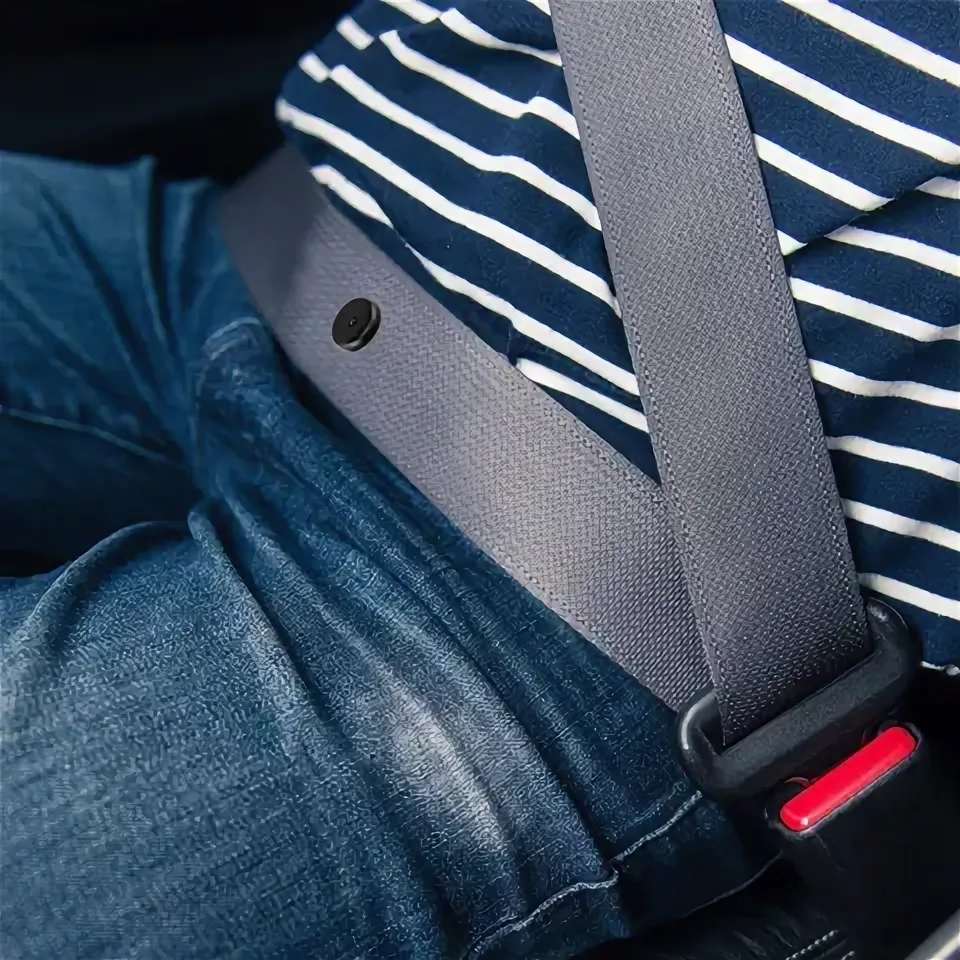
We buckle up every day without giving much thought to how the belt is designed. That little stopper holds the buckle in place and prevents it from drifting downward.
Because of it, fastening your seat belt becomes quicker and easier. It also helps maintain the proper belt length, which contributes to better comfort and safety.
Simple as it looks, that button plays a meaningful role in keeping both drivers and passengers safe. And understanding what it does can help you use this small but important feature the way it was intended.
You may also be interested in the news:
Not Ford, BMW or Audi: Mechanic Names the Car Brand That Almost Never Breaks Down
Auto repair professionals reveal which models rarely suffer major failures and which ones repeatedly end up on the lift.
What Does a Flashing Red Traffic Light Mean? Can You Keep Driving?
Drivers must come to a complete stop at the stop line before deciding whether it is safe to proceed.
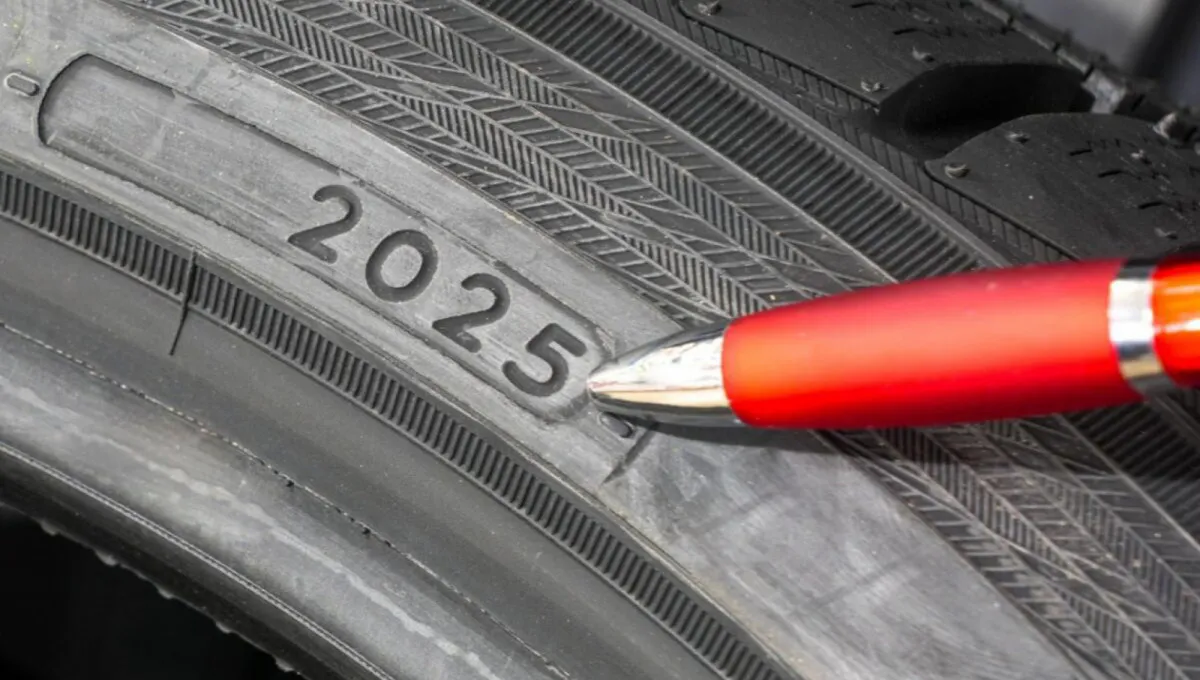
Why You Should Check a Tire’s Manufacturing Date Before Buying
Tire buyers should check more than size, tread, and brand because rubber changes with age, even without visible wear.
Your Car Sat for a Few Days and Won’t Start: What Could Be Draining the Battery
Your car can sit for days and still drain its battery, even when everything appears switched off.
Four Car Features Modern Drivers Are Starting to Miss
New cars keep adding technology, but some simple features that drivers once relied on are disappearing.