
Rev It Up: Why Short High-RPM Runs Keep Your Engine Happy
A few quick revs on the highway can burn off buildup, keeping your engine strong, smooth, and responsive.
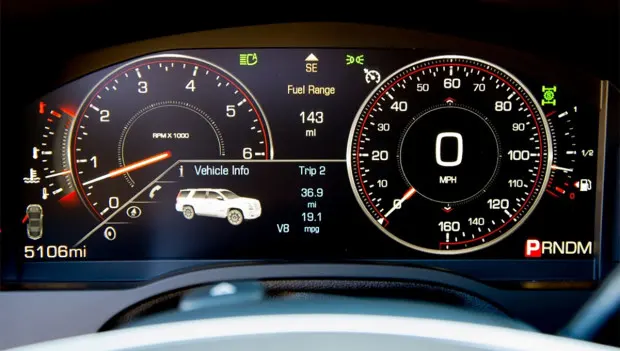
Ever noticed how your car feels totally different when you give it a little extra gas on the highway? The throttle snaps to life, acceleration feels punchier, and the engine hums smoother. It’s not magic—it’s science. Short bursts at higher RPMs actually help burn off carbon buildup that quietly accumulates inside your engine. The trick is knowing when enough is enough.
If your car spends months crawling through traffic or coasting at low RPMs, deposits slowly form from unburned fuel. Over time, they harden, and removing them becomes a nightmare.
But the opposite—always redlining—isn’t better. Constant high revs can starve the engine of oil, especially if it’s old. Parts can wear faster, and repair bills skyrocket.
The sweet spot? Quick, spirited runs at moderately high RPMs. Cylinder temperatures rise just enough to burn away fresh deposits, while warm oil flows through, flushing tiny bits of dirt out of hard-to-reach spots. Just a minute or two, once or twice every hundred miles, on an open stretch, is all it takes to keep your engine feeling lively.
If you’re mostly a highway driver, nature does the work for you. Overtaking and cruising push the engine just enough to clear deposits naturally—no extra effort needed.
City driving, though? That’s a different story. Stop-and-go traffic, short trips, and constant braking mean your engine rarely hits the sweet RPMs. Automatic transmissions often stick to low gears for fuel savings, leaving the engine “sleeping.” Eventually, carbon builds up, causing sluggish acceleration, higher fuel use, and uneven performance.
The fix is simple: give your engine a little workout. Sport mode helps if your car has it—holding gears longer lets the engine hit the right RPMs. These short runs refresh performance and even help the catalytic converter: higher temperatures burn off buildup, restoring efficiency.
A few minutes here and there might seem small, but it keeps your engine happy, healthy, and ready for whatever the road throws at you.
You may also be interested in the news:
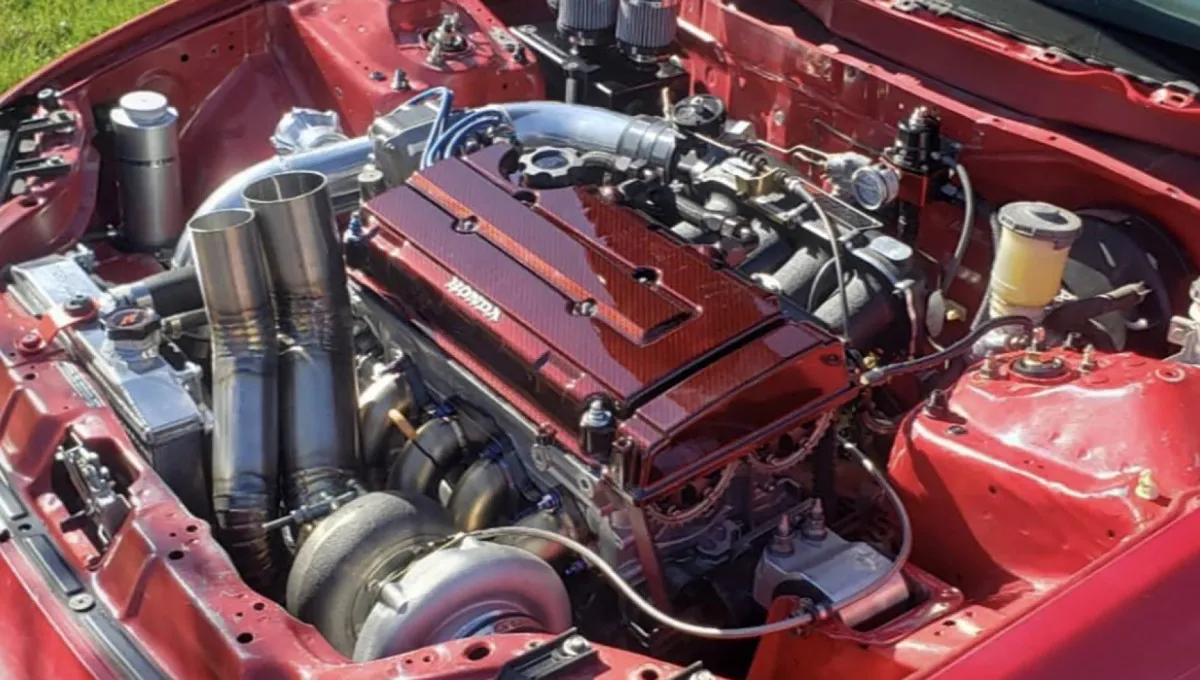
Honda K-Series Engines Can Go Past 300,000 Miles — Here's Why They're So Reliable
How long can a Honda K-series engine last, and what makes this family of Japanese engines so durable?
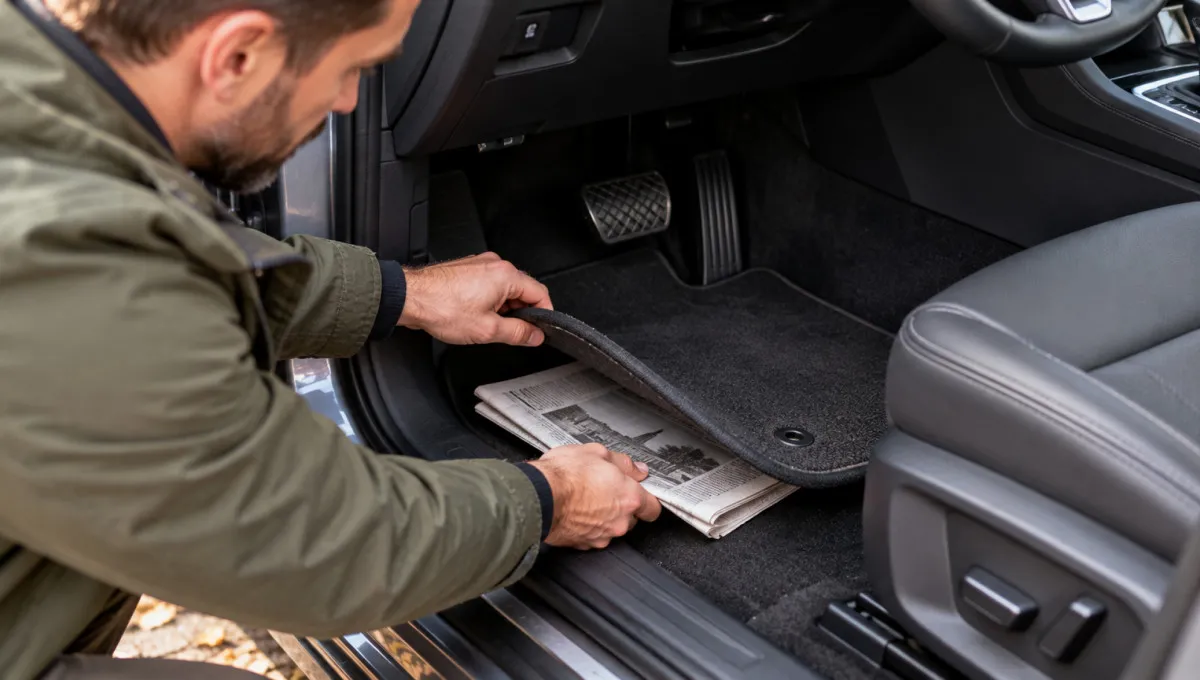
When the First Freeze Hits, Put Newspaper Under Your Floor Mat: An Old Winter Driving Trick
Newspaper under a floor mat can help protect a car's floor from winter moisture, but it requires regular attention.
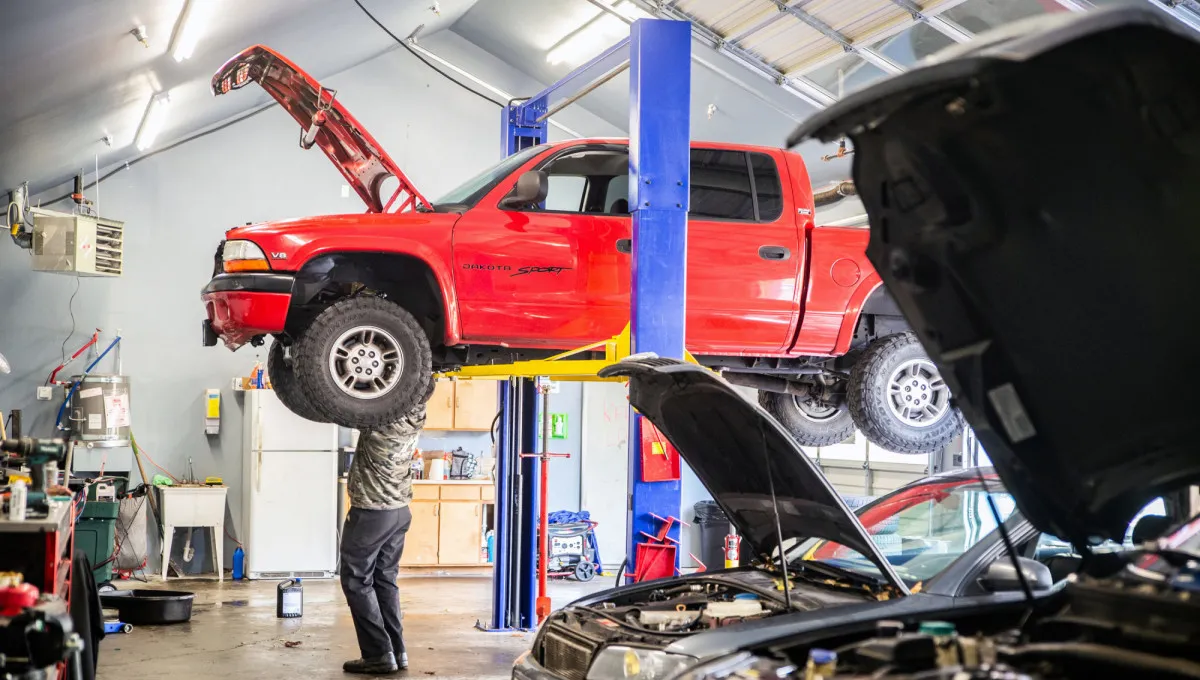
How a Repair Shop Can Overcharge You: What Every Driver Should Know
An experienced mechanic knows how to increase a repair bill, and drivers should know what to watch for before approving work.
How to Find the Source of a Car Interior Rattle in 15 Minutes
A simple trick can help drivers pinpoint an annoying interior rattle without taking apart half the cabin or visiting a repair shop.
The Dent Can Disappear Without a Trace: How to Repair Car Body Damage Without Paint
Paintless dent repair can restore a damaged panel to its original shape, but only when certain conditions are met.