
Most Drivers Don’t Actually Know What N on an Automatic Transmission Is For: When Neutral Makes Sense—and When It Can Do Real Damage
Why coasting in Neutral is a bad idea, what the N mode is really for, and why in traffic it’s better to keep your foot on the brake instead of playing with the shifter.
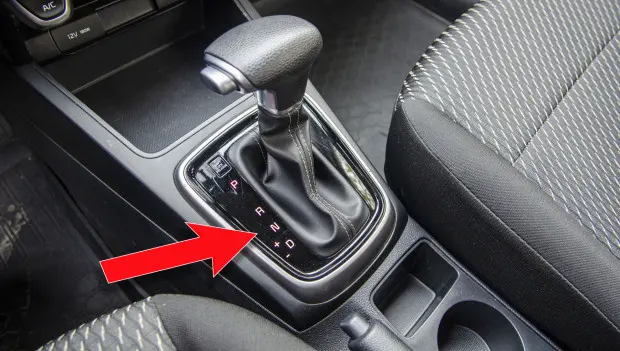
Why you shouldn’t coast in Neutral, why the N mode exists in the first place, and why, in stop-and-go traffic, it’s usually smarter to just hold the brake pedal instead of constantly moving the gear selector.
First, a quick clarification. When drivers say “automatic,” they often lump together three very different types of transmissions: the traditional torque-converter automatic, the continuously variable transmission (CVT), and automated manuals—often called “robotized” gearboxes—with either one or two clutches.
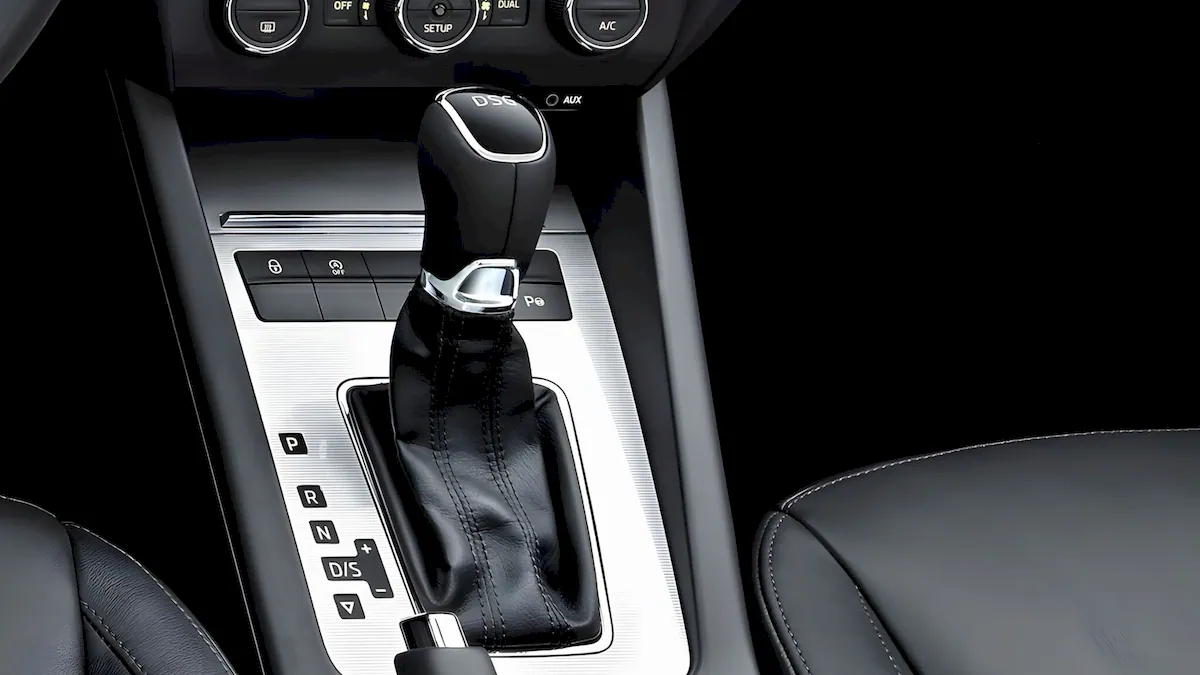
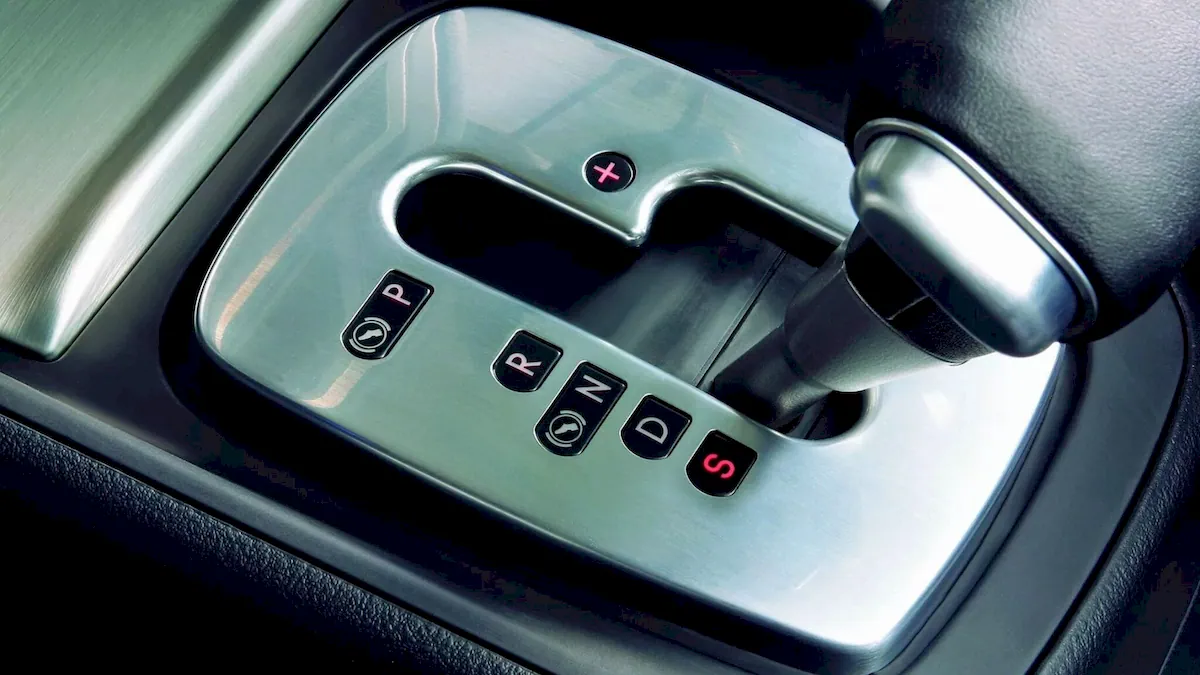
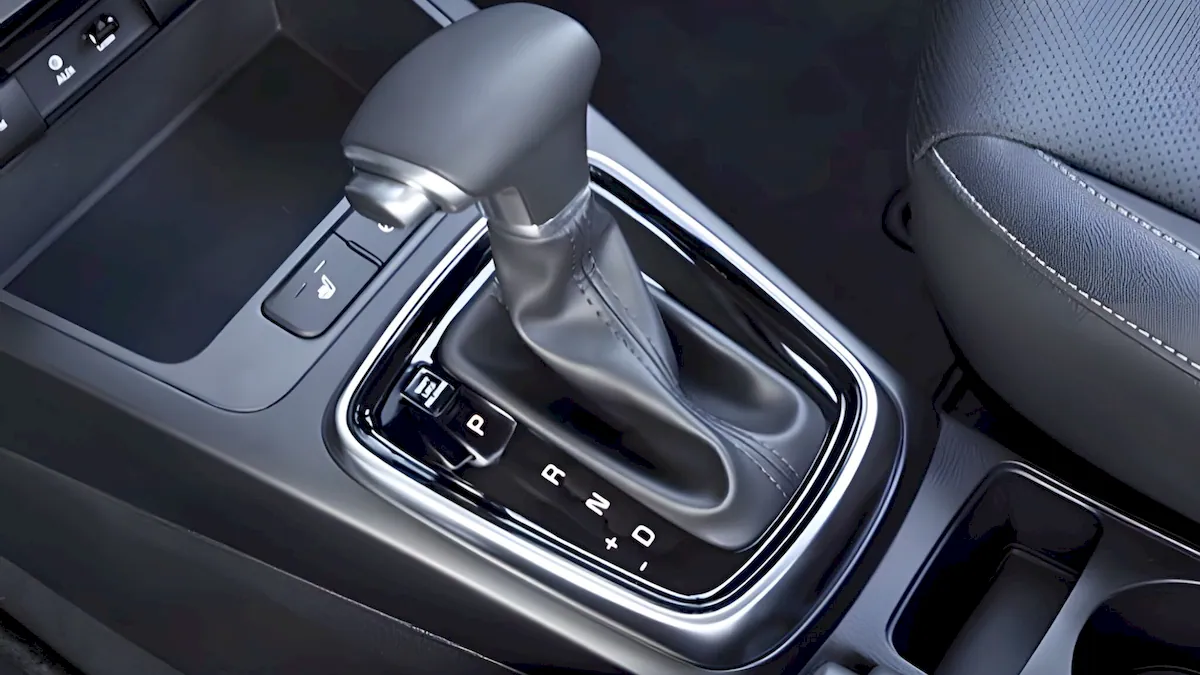
All of them have an N position on the shifter—Neutral. It usually sits between Drive (D) and Reverse (R), and many drivers reasonably wonder: why do we even need it if there’s Park (P)? The short answer: Neutral is not for driving. It exists mainly for servicing, towing, and other maintenance-related situations.
When you pull into a car wash or a tire shop, you’ll often hear, “Leave it in Neutral.” That allows the vehicle to be rolled by hand without starting the engine—or at least without engaging the transmission.

Now let’s talk about a habit many drivers swear by: coasting. The logic sounds simple—why brake when you can roll smoothly up to a traffic light by shifting into Neutral? “It saves fuel,” some will argue. In reality, it doesn’t. When you coast in Neutral, the transmission’s oil pump may not circulate fluid properly, especially if the engine is idling—or worse, turned off.
That means internal components like shafts, clutch packs, and gears are spinning with minimal lubrication, or sometimes virtually none at all. The result? Accelerated wear on the transmission. You might save a few drops of fuel, but you’ll pay for it later with an expensive transmission repair. The good news: you won’t accidentally destroy your gearbox by shifting into Reverse while moving forward. Modern electronics simply won’t allow it, no matter how hard you try.
Towing an Automatic? Be Careful—it’s Not That Simple

With automatics and CVTs, towing is tricky. Even if the engine is running and the selector is in Neutral, transmission fluid may not circulate properly, especially at higher speeds. That can lead to overheating, scoring, and serious internal damage. Suddenly, you’re not heading to a repair shop—you’re waiting to see a transmission specialist.
If towing is unavoidable, remember three basic rules: keep speed under about 30 mph, limit distance to roughly 30 miles, and keep the transmission strictly in Neutral. These are general guidelines. Some vehicles—especially modern 8- or 10-speed automatics with tightly packed internals—should not be towed at all and require a flatbed.
CVTs are even less tolerant. With the engine off, their oil pumps don’t operate, meaning internal components spin dry. Even short-distance towing can cause overheating. Single-clutch automated manuals usually handle towing better, as their design is closer to a traditional manual transmission. Dual-clutch systems are more delicate, relying on hydraulics, fluid pressure, and finely tuned gearsets.
In short, Neutral isn’t a cure-all—it’s a service mode. It’s meant for towing, tire service, car washes, or parking on an incline (together with the parking brake and wheel chocks). What you shouldn’t do is coast in Neutral, constantly switch between D and N while driving, or tow an automatic or CVT over long distances.
In certain situations—like sitting in traffic during extreme heat—it can be acceptable to shift into Neutral briefly. And with some automated manuals, Neutral during long stops can make sense. Most importantly, read your owner’s manual. It’s there for a reason—not just to take up space in the glove box.
Take care of your transmission. Like people, it doesn’t last forever. And yes, a CVT may have “soul,” but without proper lubrication, it quickly turns from engineering into tragedy.
You may also be interested in the news:
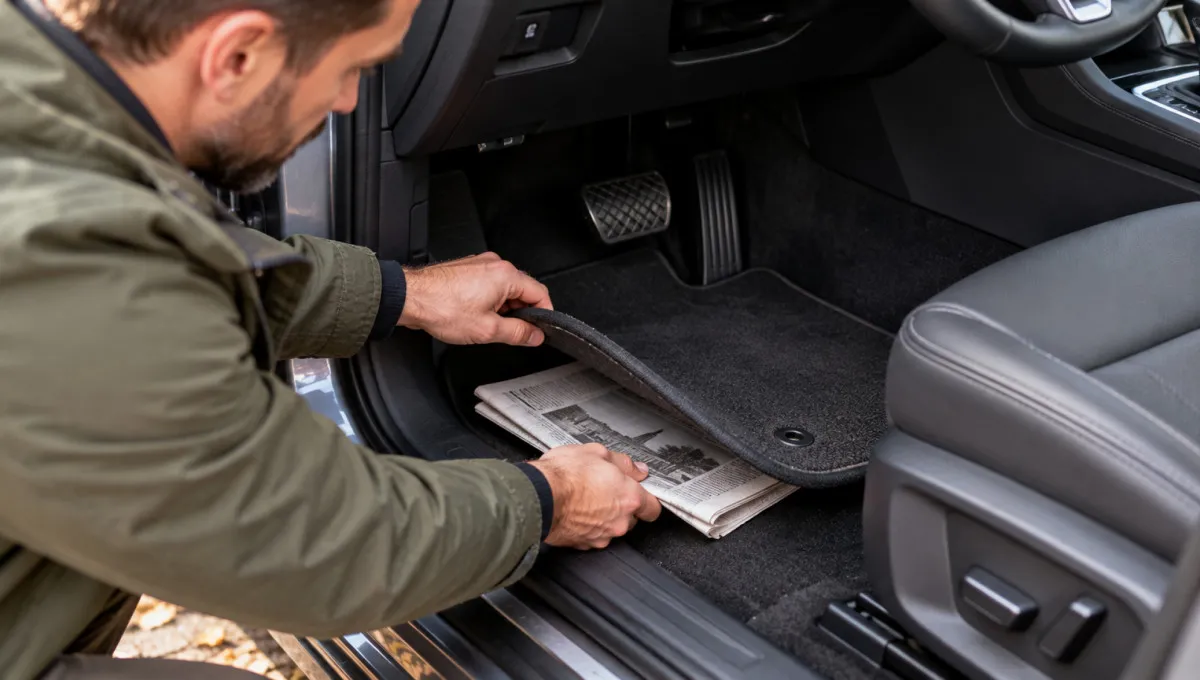
When the First Freeze Hits, Put Newspaper Under Your Floor Mat: An Old Winter Driving Trick
Newspaper under a floor mat can help protect a car's floor from winter moisture, but it requires regular attention.
How a Repair Shop Can Overcharge You: What Every Driver Should Know
An experienced mechanic knows how to increase a repair bill, and drivers should know what to watch for before approving work.
How to Find the Source of a Car Interior Rattle in 15 Minutes
A simple trick can help drivers pinpoint an annoying interior rattle without taking apart half the cabin or visiting a repair shop.
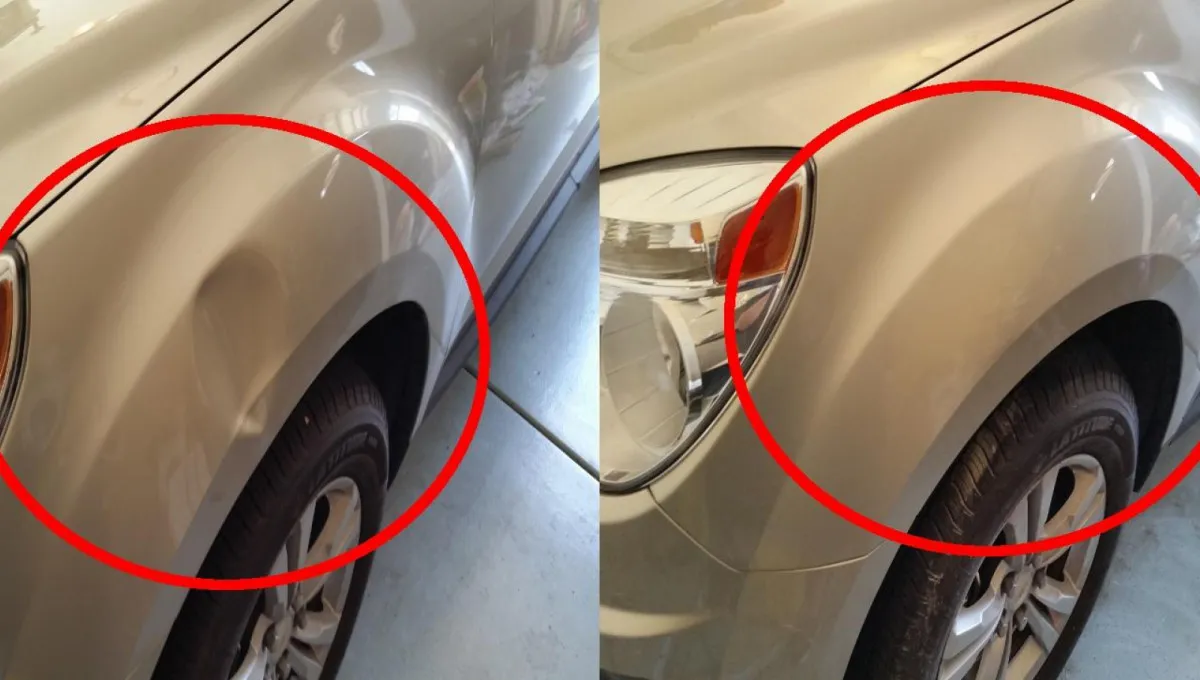
The Dent Can Disappear Without a Trace: How to Repair Car Body Damage Without Paint
Paintless dent repair can restore a damaged panel to its original shape, but only when certain conditions are met.
Not Ford, BMW or Audi: Mechanic Names the Car Brand That Almost Never Breaks Down
Auto repair professionals reveal which models rarely suffer major failures and which ones repeatedly end up on the lift.