
Students Build an Electric Car That Any Driver Can Fix at Home
Meet ARIA, a modular EV designed so simply that even someone with zero repair experience can service it.
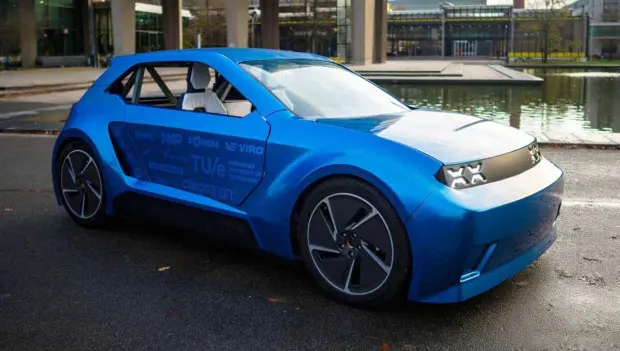
Students from Eindhoven University of Technology, working together with Fontys and Summa, have unveiled a prototype for a new electric car called ARIA. The project follows a fully modular design philosophy: major components can be swapped out by hand using standardized modules, clear step-by-step guides, and even a built-in toolkit. The car runs on six compact battery packs that can be removed and reinstalled without any specialized equipment.
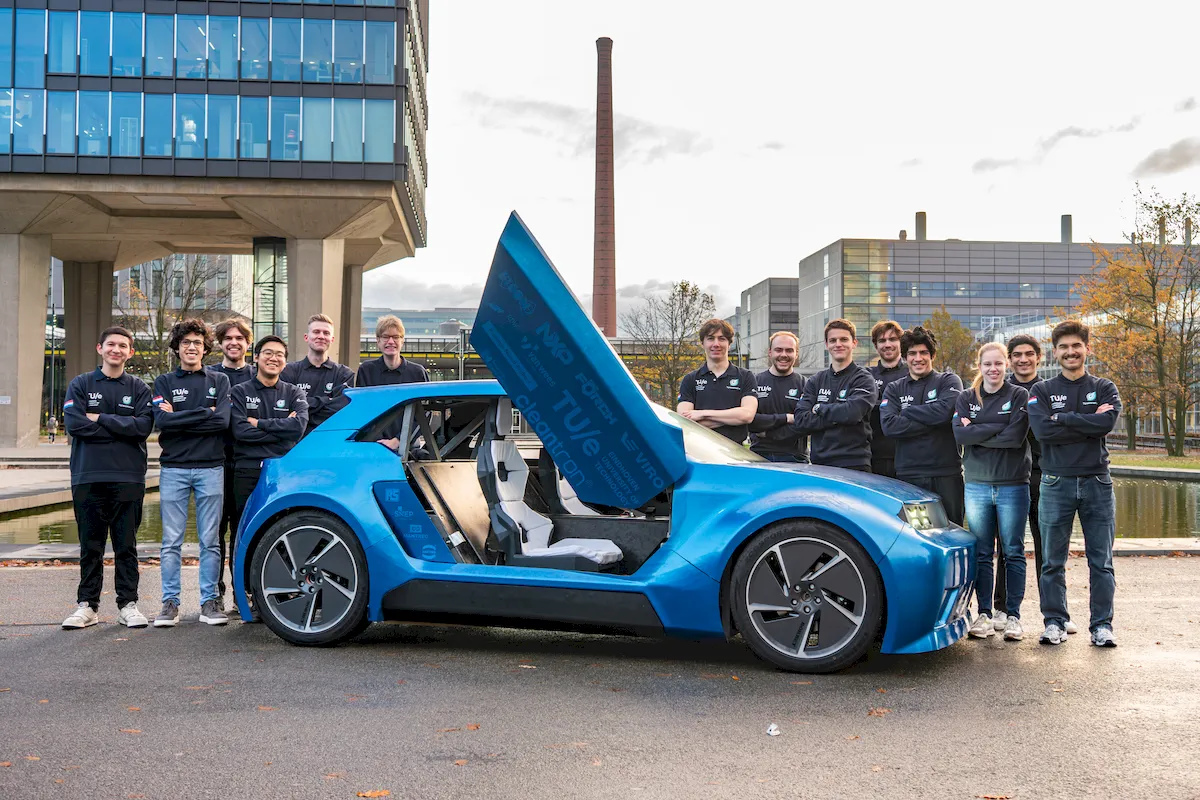
According to the team, this approach could significantly extend the vehicle’s lifespan and prevent fully functional cars from being scrapped just because a few parts fail. ARIA is already capable of driving under its own power, but there’s no timeline yet for when — or if — mass production might begin.
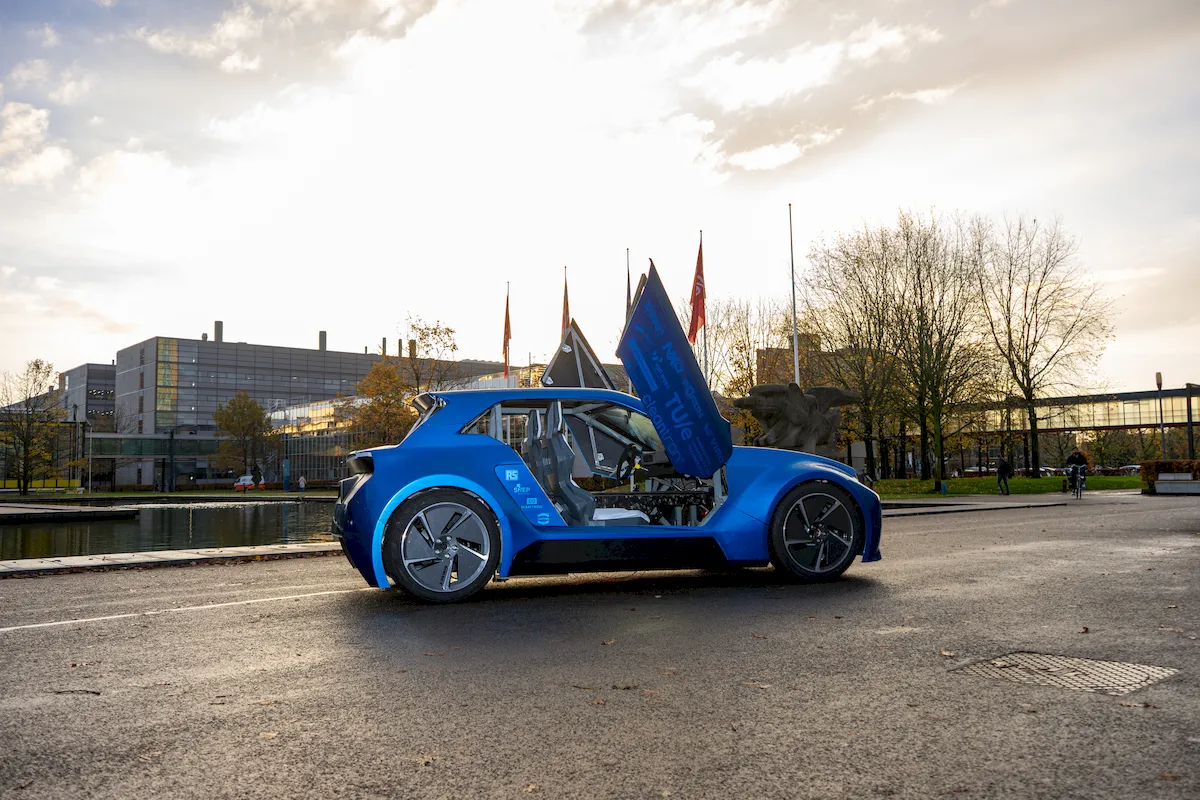
The project builds on earlier student efforts, including solar-powered cars developed for competitions in Australia. ARIA is likely to appeal to buyers who value easy maintenance and straightforward, user-friendly engineering in their next vehicle.
You may also be interested in the news:
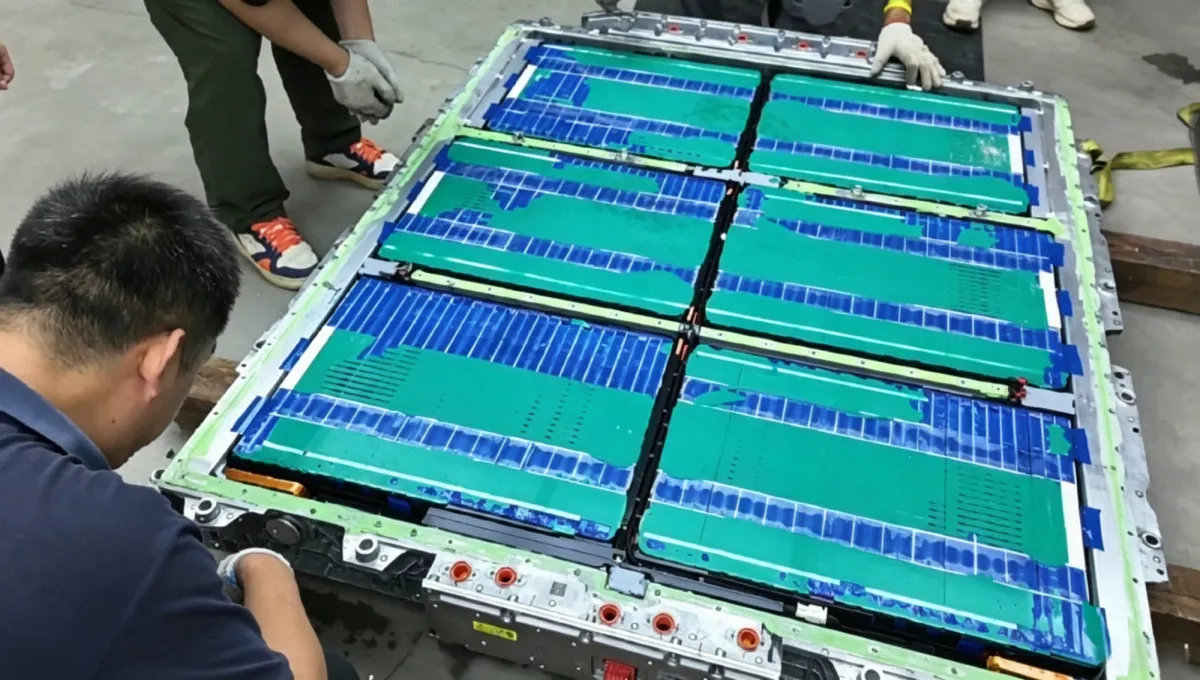
BYD Patents a Battery That Is Cooled by Literally Submerging It in Liquid
A new BYD patent describes a battery architecture that uses dielectric fluid to cool battery modules while keeping electrical components dry.
How a Repair Shop Can Overcharge You: What Every Driver Should Know
An experienced mechanic knows how to increase a repair bill, and drivers should know what to watch for before approving work.
The Dent Can Disappear Without a Trace: How to Repair Car Body Damage Without Paint
Paintless dent repair can restore a damaged panel to its original shape, but only when certain conditions are met.
Not Ford, BMW or Audi: Mechanic Names the Car Brand That Almost Never Breaks Down
Auto repair professionals reveal which models rarely suffer major failures and which ones repeatedly end up on the lift.
Stellantis Patents System That Lets an EV Drop Its Battery and Drive Away
A new patent details an emergency system that could let an EV disconnect its high-voltage battery and move away from danger.