
Even Many Mechanics Don’t Know This: Is It Safe to Mix Motor Oils?
We’re often asked whether it’s safe to mix motor oils of different types and viscosity grades.

We regularly hear the same question from drivers: can you mix motor oils from different brands, or combine oils of different grades—say, 0W-20 and 10W-40? Let’s take a closer look at what really happens.
Every oil manufacturer uses its own production technology. That’s what gives each product its specific characteristics. Different base oils can create problems when mixed. Two oils may look similar on paper, but still differ significantly in composition. The reason is additives—the chemically active components blended into the oil. When oils are mixed, these additives can react with each other, and there’s no guarantee the resulting blend will still be safe for your engine.
Different oil categories
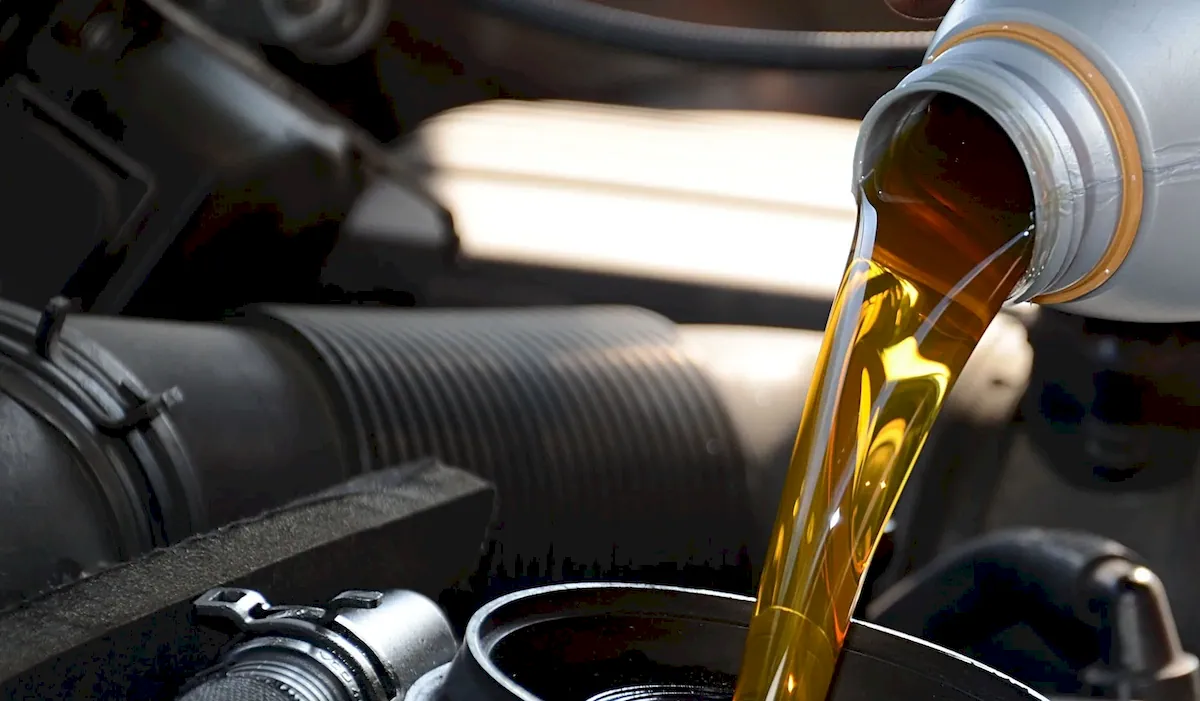
Now imagine mixing conventional (mineral) oil with synthetic oil. Conventional oil typically relies more heavily on viscosity-improving additives. How those additives will behave when combined with a synthetic base is anyone’s guess.
That’s why mixing oils from different categories is generally discouraged. It can lead to several serious issues, including:
- sludge buildup and increased engine contamination;
- higher viscosity—or, in extreme cases, oil thickening or gelling;
- changes in additive behavior and reduced effectiveness.
The end result of such experiments can be major engine repairs and significant expenses.
So why do people mix oils anyway?
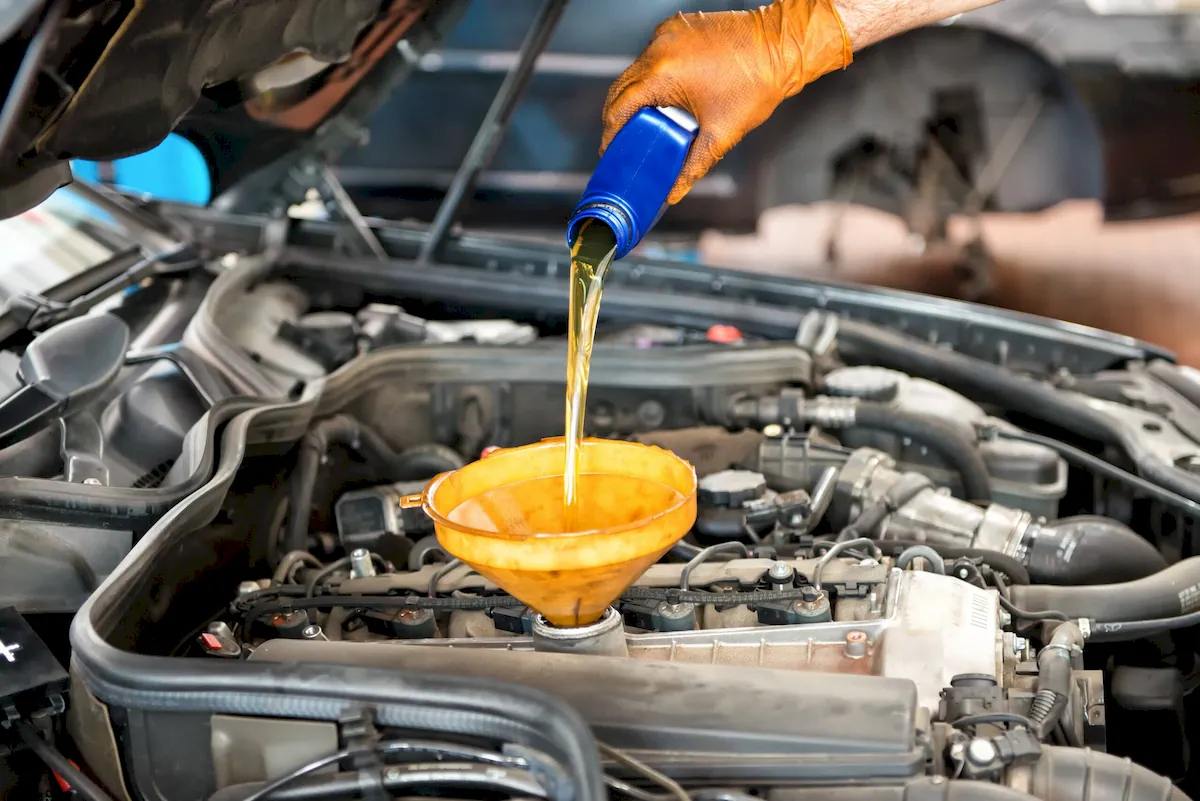
Sometimes it’s a matter of necessity. You may need to top off your oil urgently, but don’t have enough of the exact type on hand. In those cases, drivers take a risk and mix oils. Some manufacturers are also aware of this practice and produce oils with a reduced additive package to minimize potential conflicts.
There’s also the human factor. Many drivers share stories about mixing oils with no visible consequences. And if there’s a half-empty bottle sitting on a garage shelf, the temptation to use it can be strong.
If you decide to experiment anyway, keep these guidelines in mind:
- don’t mix different oil types whenever possible;
- if necessary, use oils from the same manufacturer;
- treat one oil as the base and limit the second oil to no more than 10%;
- mixing oils of different brands and types should be a last resort only.
Mixing motor oil is always a gamble. Whether that risk is worth taking is ultimately up to the driver.
You may also be interested in the news:

When the First Freeze Hits, Put Newspaper Under Your Floor Mat: An Old Winter Driving Trick
Newspaper under a floor mat can help protect a car's floor from winter moisture, but it requires regular attention.

How a Repair Shop Can Overcharge You: What Every Driver Should Know
An experienced mechanic knows how to increase a repair bill, and drivers should know what to watch for before approving work.

How to Find the Source of a Car Interior Rattle in 15 Minutes
A simple trick can help drivers pinpoint an annoying interior rattle without taking apart half the cabin or visiting a repair shop.
The Dent Can Disappear Without a Trace: How to Repair Car Body Damage Without Paint
Paintless dent repair can restore a damaged panel to its original shape, but only when certain conditions are met.
Not Ford, BMW or Audi: Mechanic Names the Car Brand That Almost Never Breaks Down
Auto repair professionals reveal which models rarely suffer major failures and which ones repeatedly end up on the lift.