
BYD Pushes Forward Variable-Flux Permanent Magnet Motor Technology
The development builds on earlier research into variable magnetic flux motor designs and represents a technical evolution of the concept.
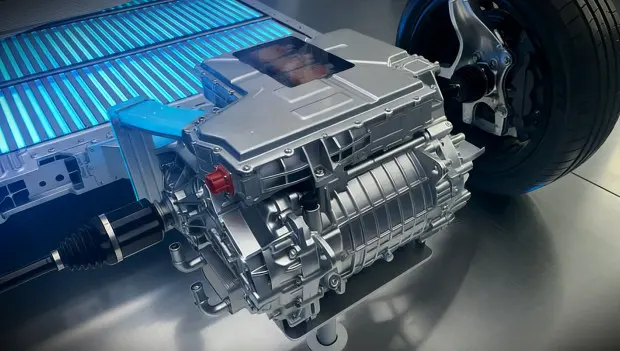
BYD has recently published four new patents outlining its work on variable-flux permanent magnet synchronous motor (VF-PMSM) technology. The patent applications were filed in May 2024 and are listed under numbers CN121055622A, CN121055630A, CN121055623A, and CN121055631A.
These filings describe different methods for adjusting the rotor’s magnetic flux to improve efficiency across a wide range of operating speeds. The concepts are based on BYD’s earlier research into variable-flux motor technology and reflect a continued refinement of the underlying engineering approach.
What is a Variable-Flux Permanent Magnet Synchronous Motor (VF-PMSM)?
A VF-PMSM is an electric motor in which the rotor’s internal magnetic flux can be actively adjusted depending on driving conditions. Traditional permanent magnet synchronous motors rely on a fixed magnetic flux, which delivers strong torque at low speeds but can hurt efficiency at higher speeds due to increased counter-electromotive force.
By contrast, a variable-flux design allows the motor to adapt. Magnetic flux is optimized dynamically, helping maintain efficiency at both low and high speeds. The result is more consistent torque delivery, reduced energy losses, and a broader effective speed range—all without increasing battery capacity.
How magnetic flux control works
At low rotational speeds, the system increases magnetic flux to maximize torque output. As speeds rise, the flux is reduced to limit opposing forces and maintain efficiency, preventing unnecessary energy consumption while sustaining performance.
BYD’s 2025 patent filings
-
CN121055622A describes a magnetic flux control component integrated directly with the motor and drive system.
-
CN121055630A details a movable magnetic regulation element positioned relative to the rotor to expand high-efficiency operating zones.
-
CN121055623A introduces an axial adjustment mechanism that alters rotor magnetic flux along its axis.
-
CN121055631A outlines a configuration in which the radial area of a magnetic conduction component can be adjusted, allowing precise control of internal flux.
All technical descriptions align with abstracts published by China’s National Intellectual Property Administration (CNIPA), providing verifiable details on the flux regulation mechanisms and rotor design concepts.
Beyond these four patents, BYD has also filed and published numerous additional patent applications related to electric motor structures and drive systems in 2025. These include rotor and stator designs, magnetic flux control components, and other motor-related innovations.
Public patent records indicate that BYD continues to invest heavily in motor and powertrain research. However, there are currently no public reports confirming commercial deployment or specific test results tied directly to VF-PMSM technology.
Advantages of VF-PMSM technology
Variable-flux permanent magnet motors have the potential to significantly improve efficiency in electric vehicles and other new energy vehicles (NEVs) across a wide range of driving conditions. By adjusting rotor magnetic flux, these motors reduce energy losses at higher speeds, extend driving range, and maintain strong torque at lower speeds.
This leads to more predictable energy use on long trips, reduced thermal stress on motor components, and more efficient battery utilization in both fully electric and hybrid powertrains.
Taken together, the patents highlight BYD’s ongoing efforts to develop advanced, high-efficiency electric motors with adaptable performance characteristics.
You may also be interested in the news:
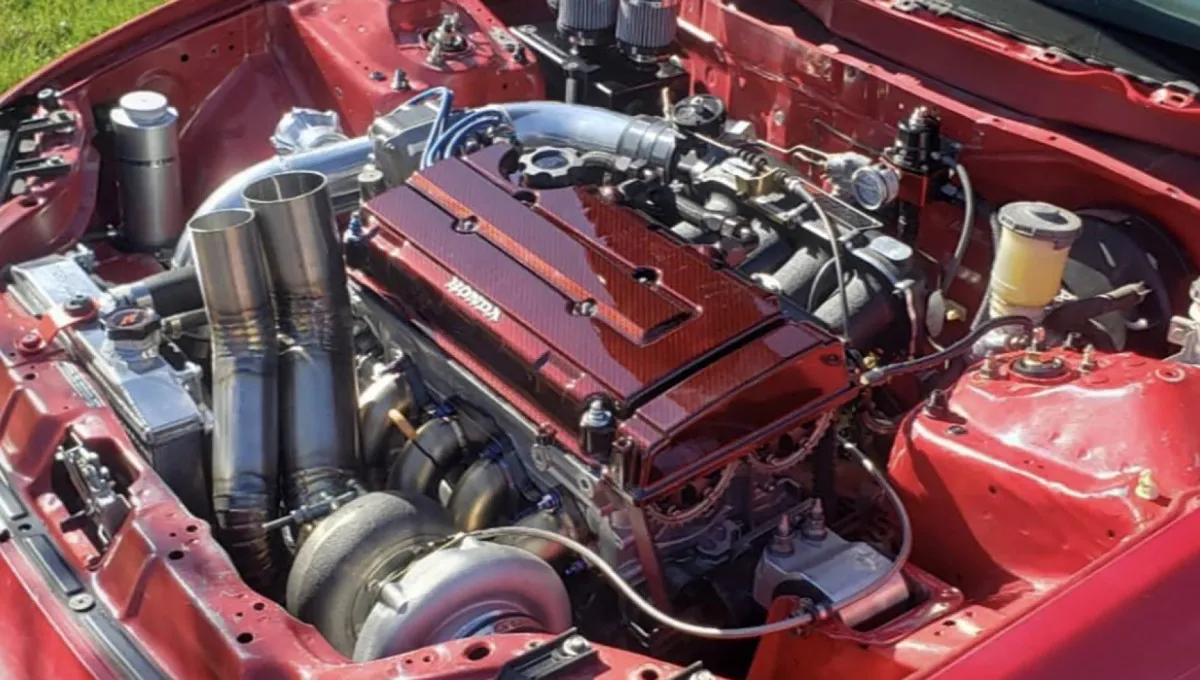
Honda K-Series Engines Can Go Past 300,000 Miles — Here's Why They're So Reliable
How long can a Honda K-series engine last, and what makes this family of Japanese engines so durable?

BYD Patents a Battery That Is Cooled by Literally Submerging It in Liquid
A new BYD patent describes a battery architecture that uses dielectric fluid to cool battery modules while keeping electrical components dry.

Stellantis Patents System That Lets an EV Drop Its Battery and Drive Away
A new patent details an emergency system that could let an EV disconnect its high-voltage battery and move away from danger.
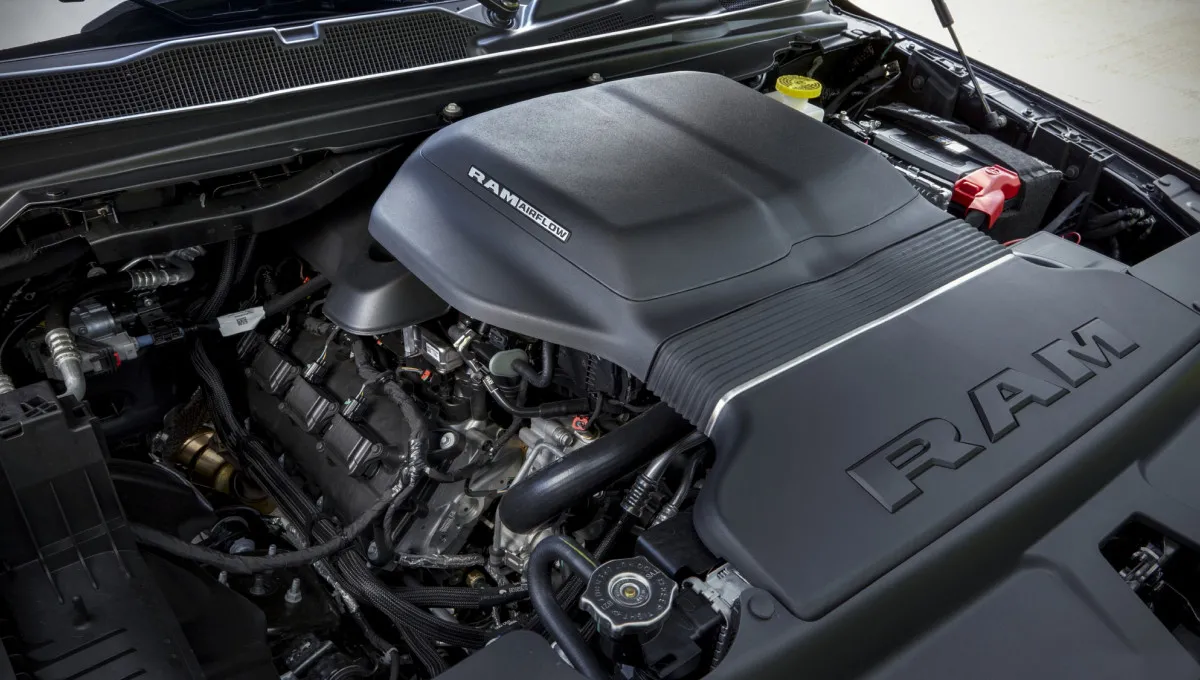
Your Engine Could Be Warning You: 6 Problems That Can Make a Car Run Rough
Engine problems rarely happen without a reason, and six common issues can cause a car to run poorly.

The New Range Rover Sport Electric Is Here: Two Motors, 550 HP and Virtual AWD
The new electric SUV combines two motors, serious off-road capability and the premium comfort expected from Range Rover.