
1,267-HP Chevrolet Corvette Stingray Yenko/SC: A Compelling Alternative to the Factory Corvette ZR1X
American tuning house Specialty Vehicle Engineering (SVE) has unveiled the limited-production 2026 Chevrolet Corvette Stingray Yenko/SC supercar.

U.S.-based Specialty Vehicle Engineering has introduced the 2026 model-year Chevrolet Corvette Stingray Yenko/SC, a limited-run supercar built on the standard Stingray platform. Its stock 6.2-liter pushrod LT2 V8 has been extensively reworked and fitted with twin turbochargers, allowing peak output to reach an astonishing 1,267 horsepower.
Currently, the most extreme factory Corvette is the Chevrolet Corvette ZR1X, which features all-wheel drive and a hybrid powertrain delivering a combined 1,267 horsepower. One step below it in Chevrolet’s lineup sits the Chevrolet Corvette ZR1—essentially a ZR1X without hybrid assistance or AWD. Its 5.5-liter twin-turbo LT7 V8 produces 1,079 horsepower.
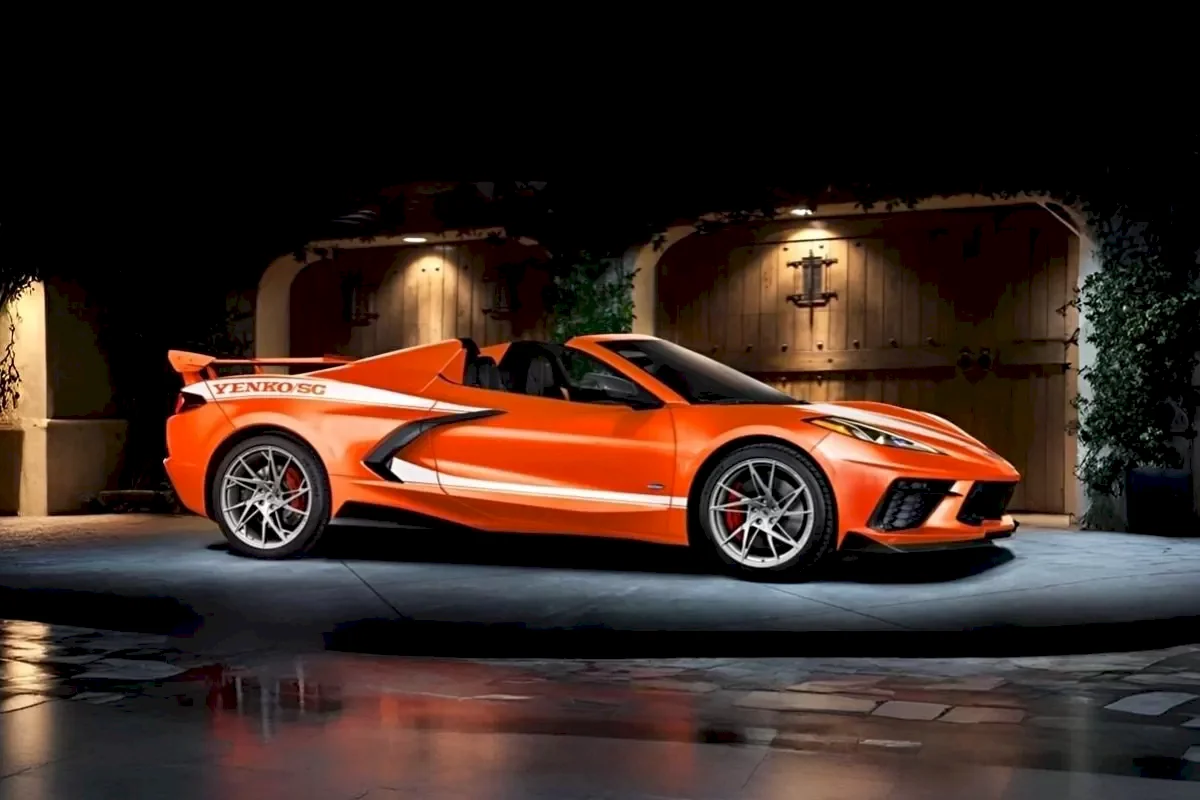
The standard Corvette Stingray, meanwhile, comes with a naturally aspirated 6.2-liter LT2 V8 rated at “just” 502 horsepower.
Old-School V8, Extreme Output
SVE, based in New Jersey, has proven it can extract as much—or even more—power from the veteran LT2 engine architecture as Chevrolet does from the all-new, race-bred LT7.
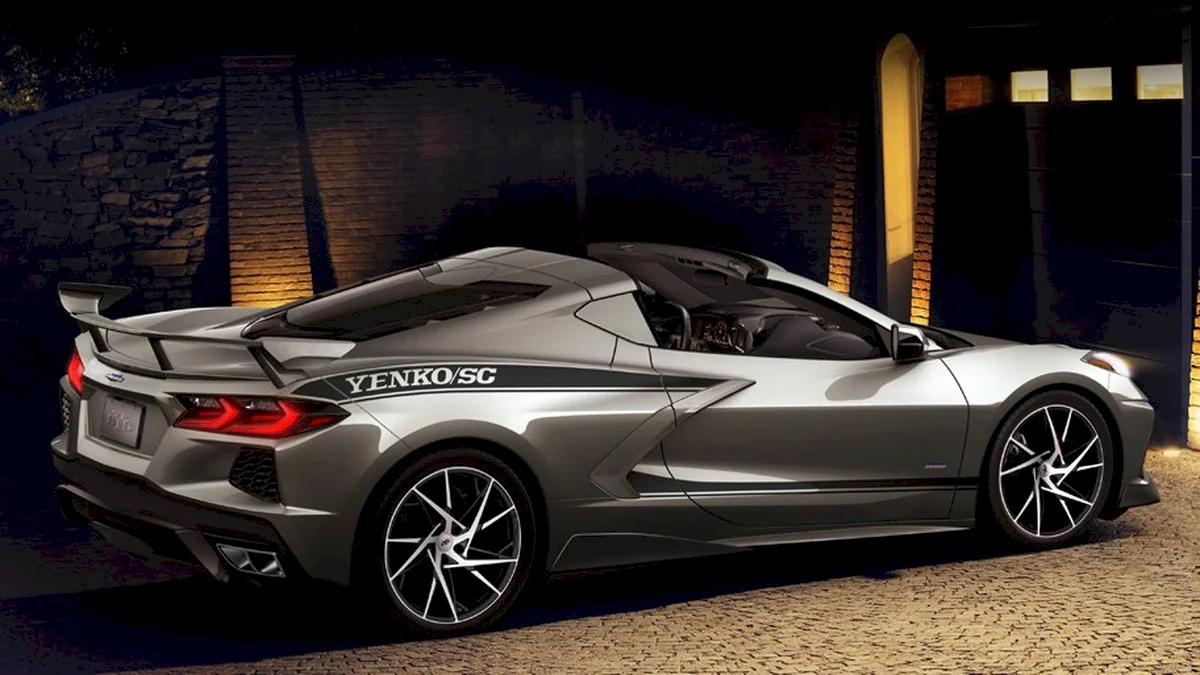
In Stage I form, SVE boosts the LT2 to 1,014 horsepower. In Stage II specification, output climbs to 1,267 horsepower—matching the ZR1X. And it achieves this with just two valves per cylinder and no electrification whatsoever.
The primary gains come from a pair of powerful Garrett turbochargers featuring ceramic ball bearings and water cooling. But the engine itself has undergone extensive upgrades: newly developed cylinder heads, a revised fuel system, forged pistons and connecting rods, a forged crankshaft, a new camshaft with revised profiles, and an upgraded valvetrain.
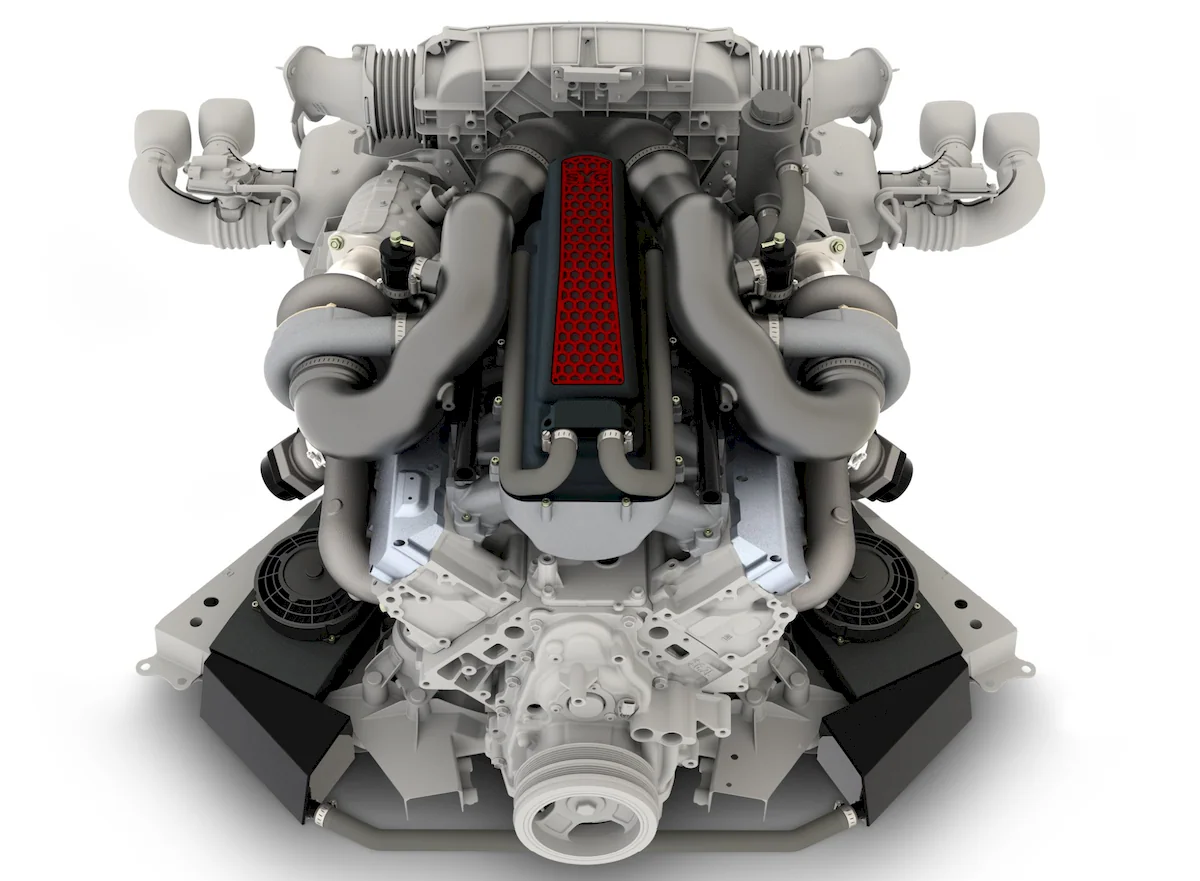
A high-efficiency intercooler is integrated into the new intake manifold, while the exhaust system has been redesigned and fitted with SVE-branded components. The eight-speed dual-clutch Tremec transmission, which sends power exclusively to the rear wheels, has been reinforced to handle the dramatic increase in output.
Limited to 50 Units
SVE will produce just 50 examples of the 2026 Corvette Stingray Yenko/SC. Each car will receive exclusive exterior graphics and Yenko/SC logos embroidered on the headrests. As is customary for the company, pricing and performance figures have not been disclosed.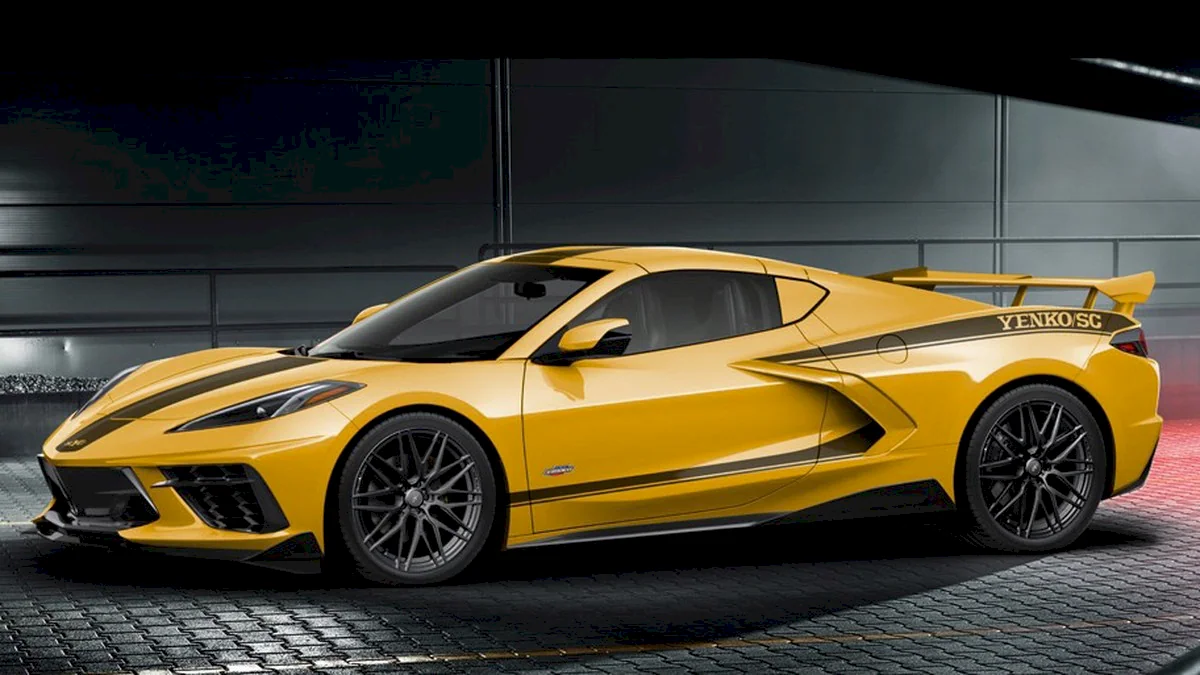
The Corvette Stingray Yenko/SC will be available through select General Motors dealerships in the United States and Canada.
The Yenko Legacy
SVE reserves the Yenko name for its most extreme builds—a name deeply rooted in General Motors history. In the mid-1960s, racer, engineer, and Chevrolet dealer Don Yenko began equipping the Chevrolet Camaro with a 7.0-liter V8, eventually convincing GM to offer similar factory-built high-performance versions. The goal was simple: ensure the Camaro could compete with the Ford Mustang and Chrysler’s lineup of muscle cars.
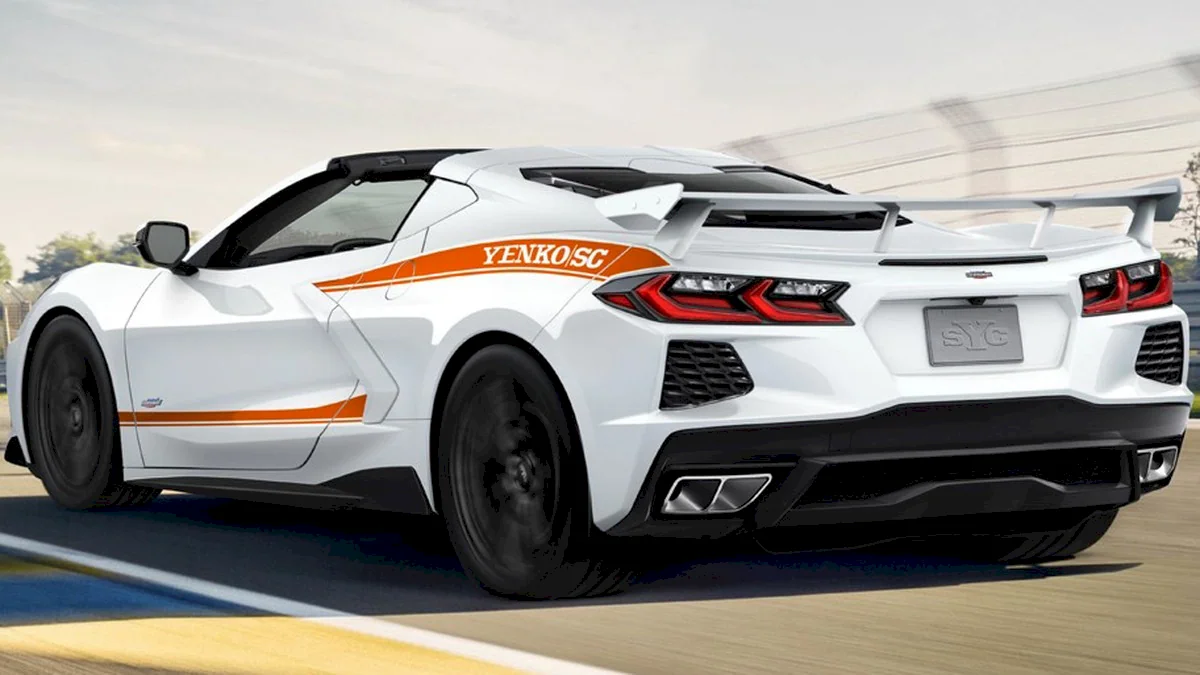
Although General Motors no longer produces the Camaro, SVE made full use of the model during its production run. The pinnacle of its efforts was the 1,521-horsepower Yenko/SC Camaro Stage III.
You may also be interested in the news:
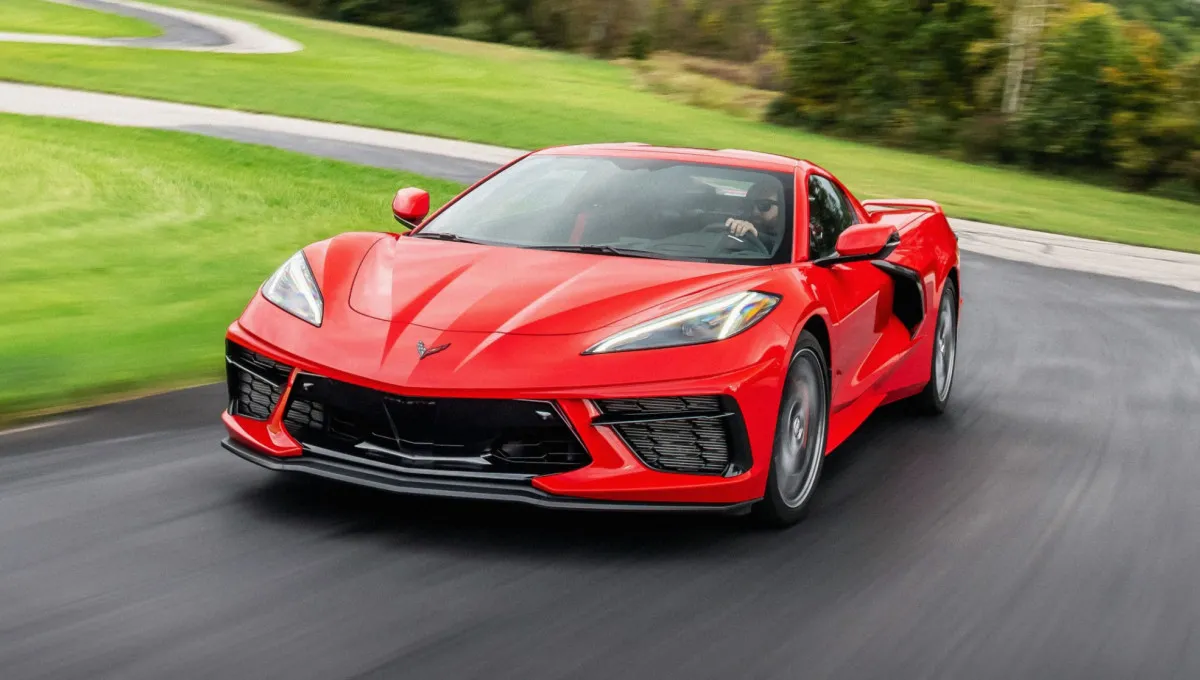
5 of the Most Beautiful Chevrolet Cars: Timeless Designs With Stunning Silhouettes
Which Chevrolet models deserve to be called the most beautiful?
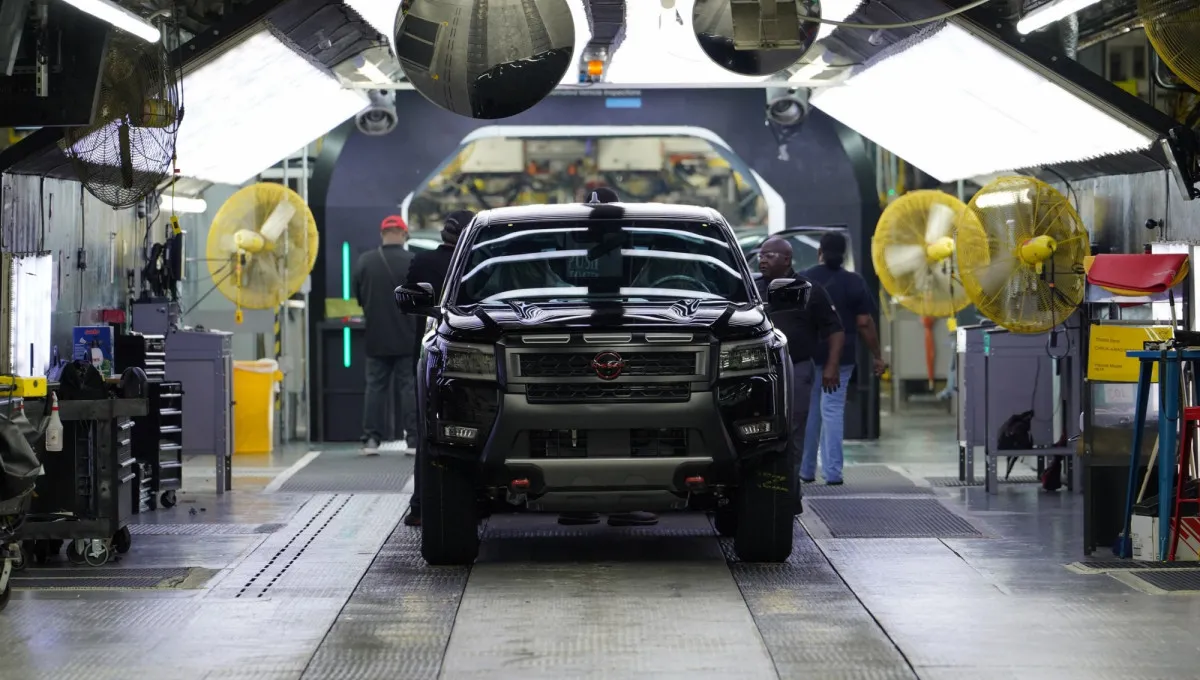
Nissan Restarts US-Made Murano, Pathfinder, Frontier Sales in Canada
Nissan resumed Canadian sales of three U.S.-built models, but tariffs keep supply below earlier levels.
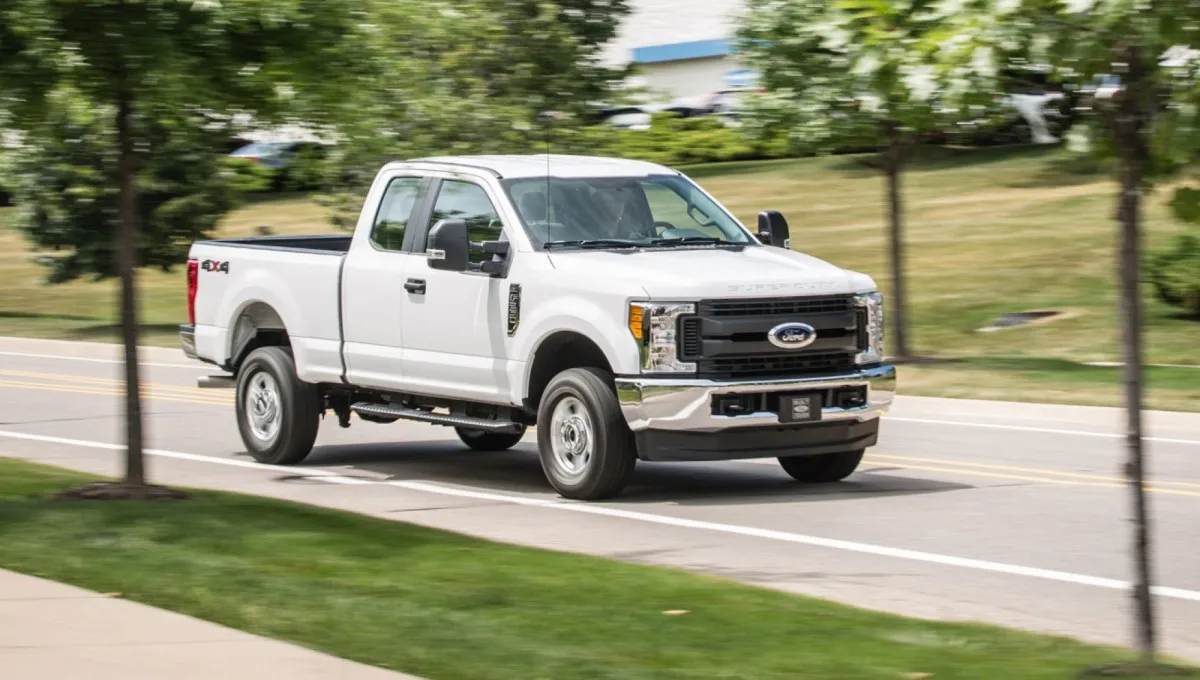
41,748 Ford SUVs and Trucks Recalled—Your Headlights Could Suddenly Stop Working
Ford recalls 41,748 vehicles after contaminated LED chips threaten required headlight performance on newer models.
The Sheriff Knew She Was Speeding—Then This Blonde Driver Turned the Ticket Against Him
A sheriff pulls over a Ferrari for speeding, but the driver's bizarre logic quickly turns the traffic stop against him.
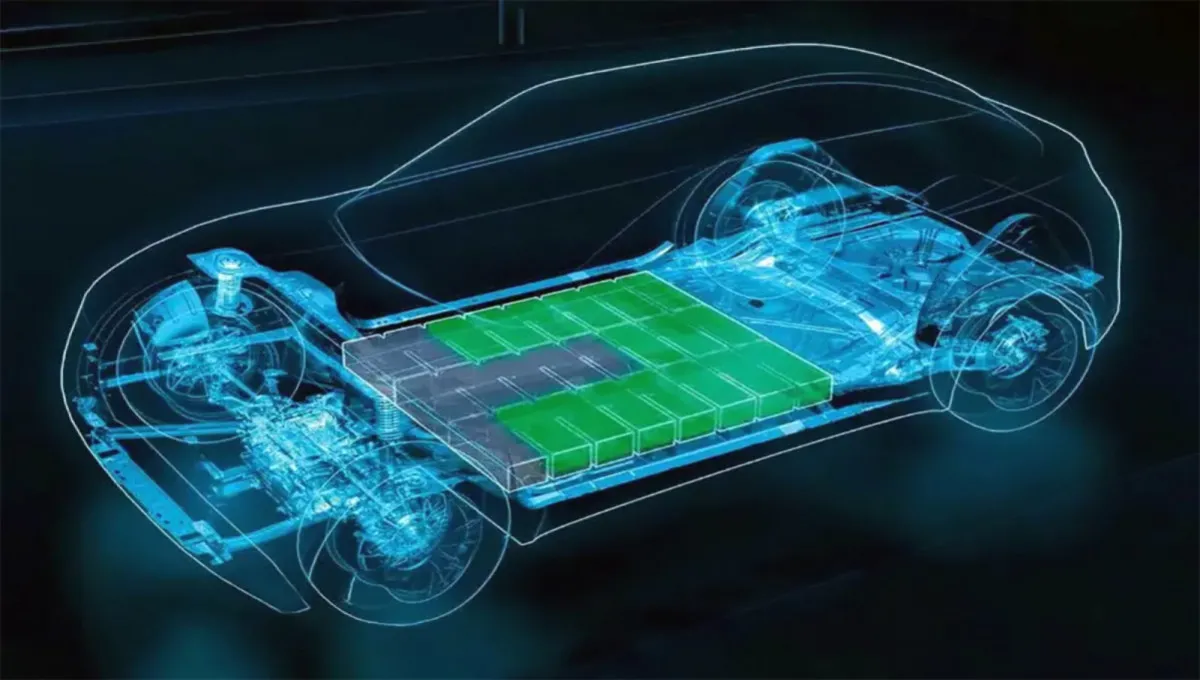
Stellantis Patents System That Lets an EV Drop Its Battery and Drive Away
A new patent details an emergency system that could let an EV disconnect its high-voltage battery and move away from danger.