
The Horsepower Arms Race: Every Engine That’s Powered a Ford F-150 Raptor Over the Past 16 Years
The Raptor’s engine story is really about Ford engineers chasing the sweet spot between brute strength, durability, and the kind of soundtrack buyers crave.
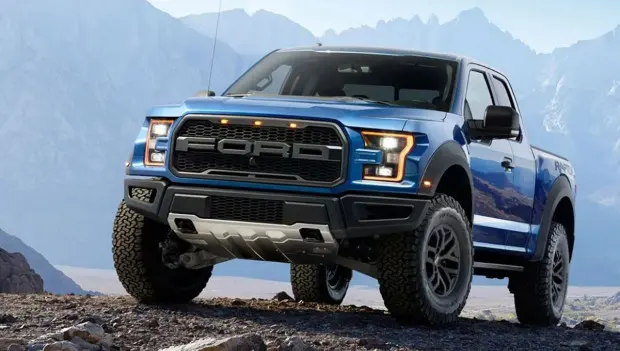
When the first production Ford F-150 Raptor rolled off the line in 2010, it did something no factory-built pickup had done before: it turned the desert into a racetrack — straight from the showroom floor.
Over the past 16 years, that Baja-bred truck has traded the thunder of a naturally aspirated V8 for the whistle of twin turbos, only to circle back to its roots with a supercharged V8 powerhouse. Along the way, Ford continually recalibrated the formula, balancing output, toughness, and the unmistakable growl performance fans expect.
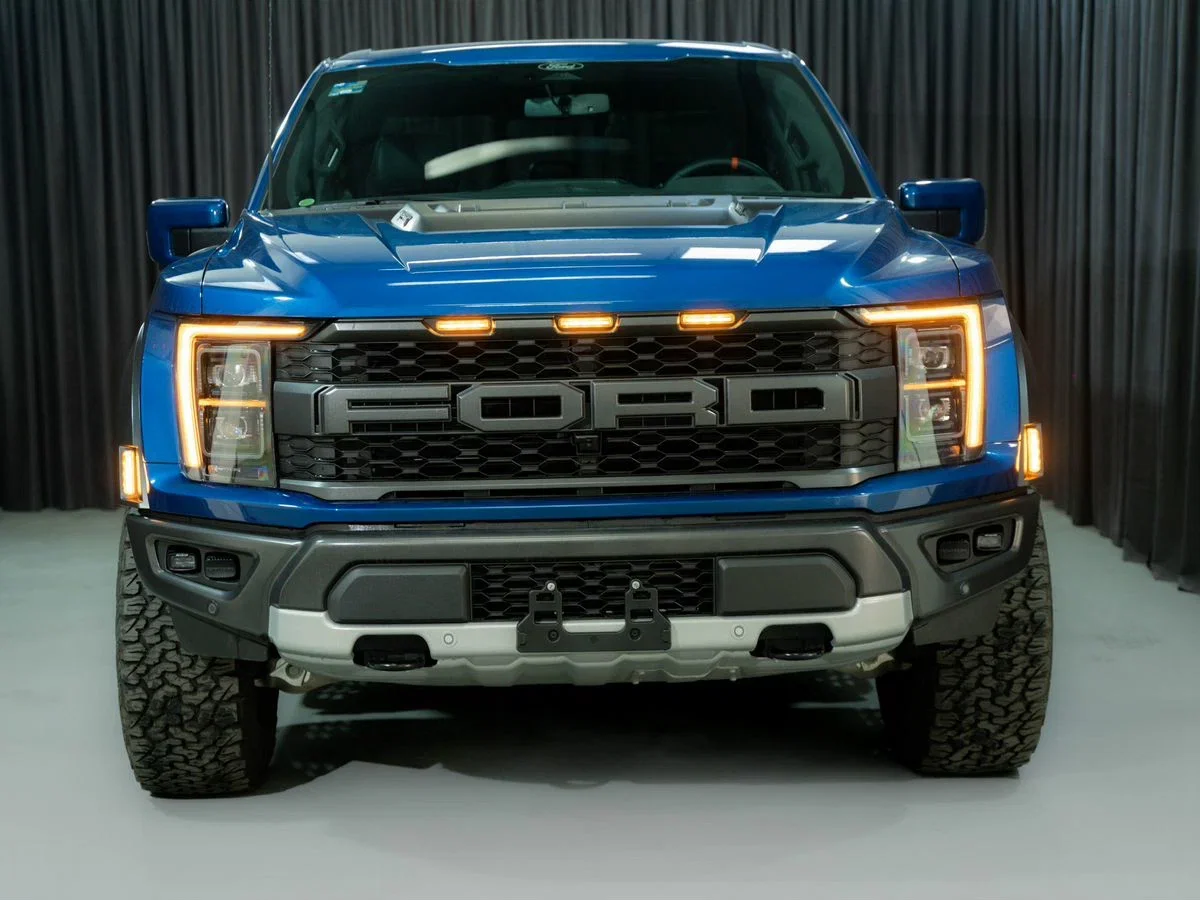
The Opening Move: Naturally Aspirated V8 (2010–2014)
The original Raptor, launched under Ford’s SVT performance division, wasn’t just another F-150 trim. It was nearly seven inches wider than a standard truck, sat taller, and came equipped with long-travel suspension and FOX Racing shocks designed for high-speed off-road punishment.
Early trucks came standard with a 5.4-liter Triton V8 producing 310 horsepower and 365 lb-ft of torque. For a truck with this kind of visual attitude, it felt underwhelming. Ford responded quickly. By 2011, buyers could opt for a 6.2-liter V8 delivering 411 horsepower and 434 lb-ft of torque.
That engine — borrowed from Ford’s Super Duty lineup — transformed the Raptor’s character. Zero to 60 mph dropped from roughly eight seconds to around seven, a notable achievement for a two-plus-ton off-road machine. The 6.2-liter became the defining heart of the first generation.
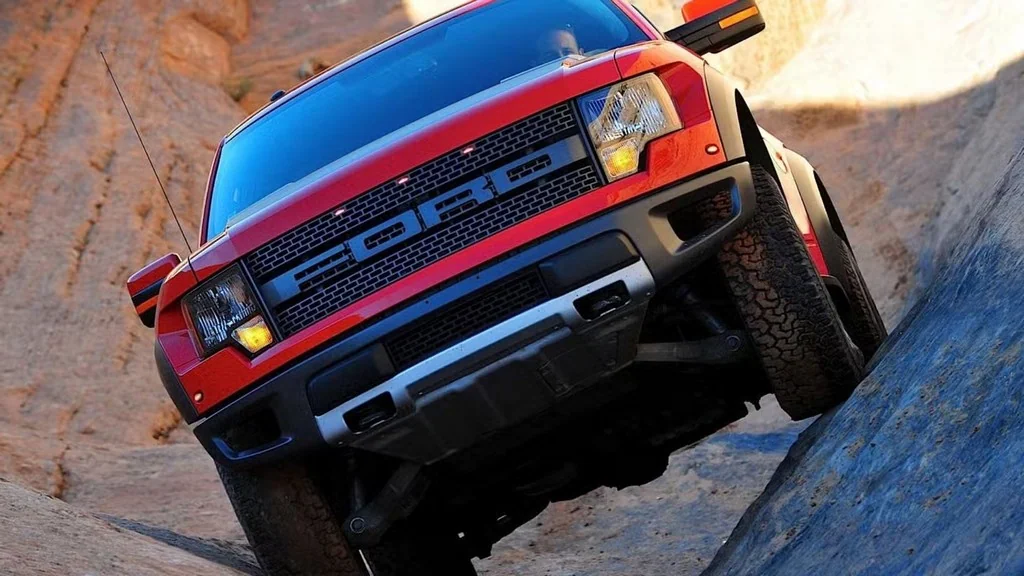
Turbocharged Shift: The EcoBoost Era (2017–2020)
In 2017, Ford made a controversial call. While rivals leaned into bigger displacement, the Blue Oval went in another direction. The second-generation Raptor ditched the V8 entirely.
Under the hood sat a 3.5-liter twin-turbo EcoBoost V6. Traditionalists grumbled about the quieter exhaust note, but the numbers told a compelling story: 450 horsepower and 510 lb-ft of torque — significantly more torque than the outgoing V8.
Paired with a new 10-speed automatic transmission and an aluminum-intensive body that cut roughly 500 pounds, the truck sprinted to 60 mph in about 5.3 seconds. Ford also claimed the new model was more fuel-efficient than its predecessor, though few shoppers were buying a Raptor to save at the pump.
Performance-wise, the gamble paid off.
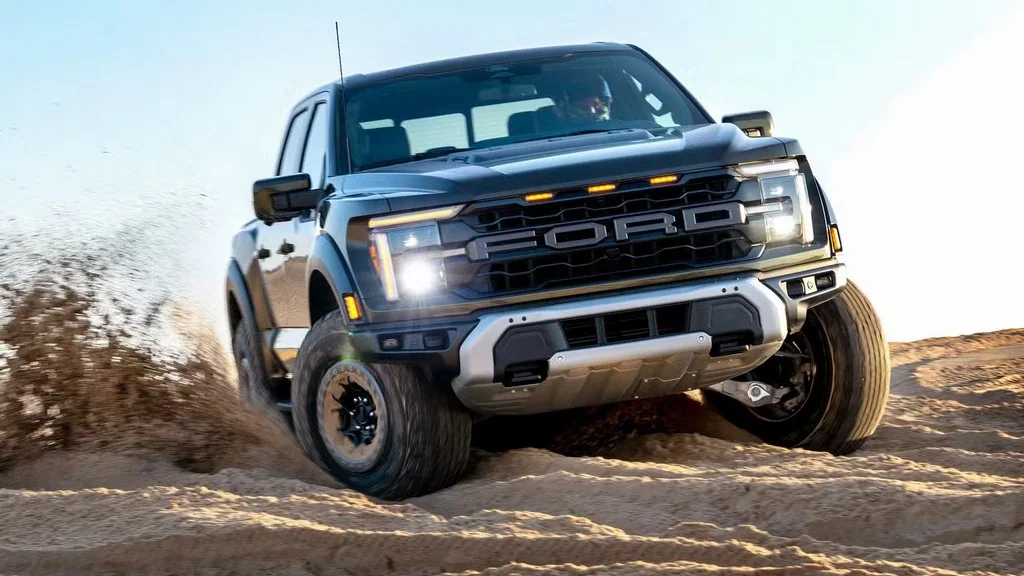
The Displacement Wars: Return of the V8 (2021–Present)
The horsepower rivalry escalated when Ram 1500 TRX arrived with a supercharged Hellcat V8, reigniting the V8-versus-turbo debate in spectacular fashion.
Ford answered with the third-generation Raptor. The standard model retained the 3.5-liter EcoBoost V6 (still rated at 450 horsepower), refined for even harsher off-road use. But the real headline grabber was the debut of the Raptor R.
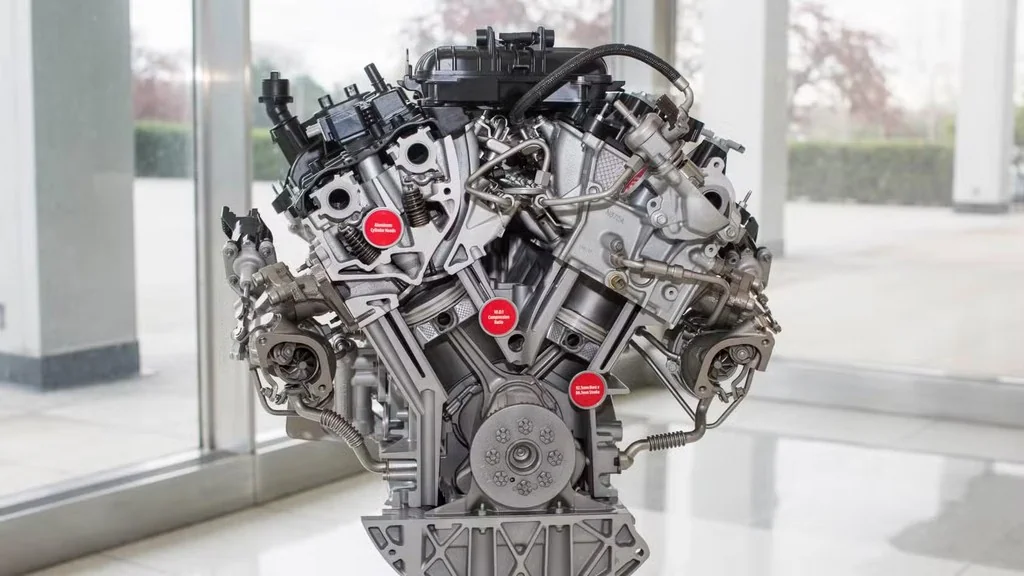
Under its hood sits a supercharged 5.2-liter “Predator” V8, related to the engine found in the Ford Mustang Shelby GT500. For truck duty, it was tuned for durability in extreme environments, producing 720 horsepower and 640 lb-ft of torque.
Despite weighing close to three tons, the Raptor R can rocket to 60 mph in roughly 3.6 seconds — a figure once reserved for sports cars.
Expanding the Family: Bronco and Ranger Raptor
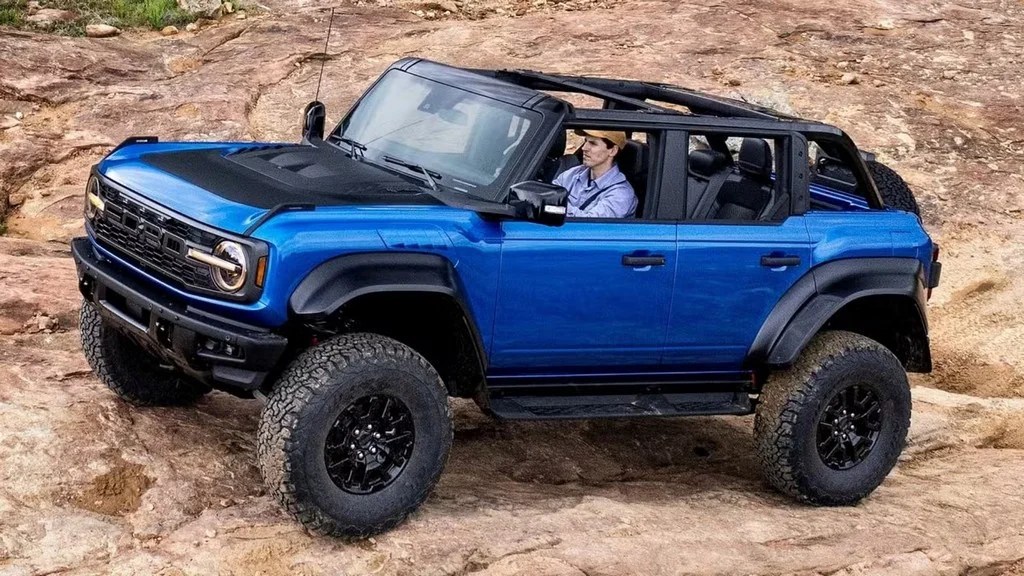
The Raptor badge has since grown beyond the F-150. In 2022, Ford introduced the Ford Bronco Raptor, a wide-body off-road SUV with its own unique setup. It features a 3.0-liter twin-turbo EcoBoost V6 producing 418 horsepower and 440 lb-ft of torque.
Engineers focused not just on peak output, but on heat management and low-speed durability — critical for rock crawling. The engine received an upgraded cooling system and a strengthened cylinder block derived from diesel-engine technology. With nearly 13 inches of ground clearance and extreme suspension travel, the Bronco Raptor quickly established itself as a benchmark in its segment.
That same 3.0-liter V6 later found its way into the Ford Ranger Raptor, giving midsize truck buyers a taste of the Raptor formula in a smaller footprint.
Full Circle
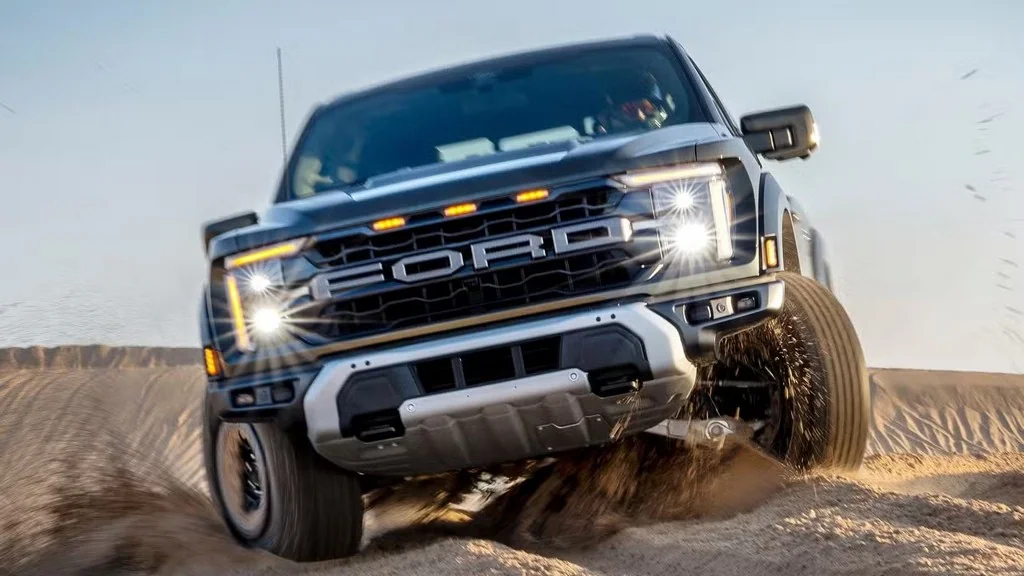
In just over a decade and a half, the Raptor’s powertrain story has come full circle: from a big, thirsty naturally aspirated V8, to a high-tech turbocharged V6, and back to a supercharged V8 halo model.
As of 2026, the Raptor lineup represents two distinct personalities. The twin-turbo V6 offers everyday usability with serious off-road chops. The V8-powered Raptor R exists for buyers who believe there’s no substitute for displacement — and no such thing as too much horsepower.
If history is any indication, Ford isn’t finished evolving its desert predator.
You may also be interested in the news:
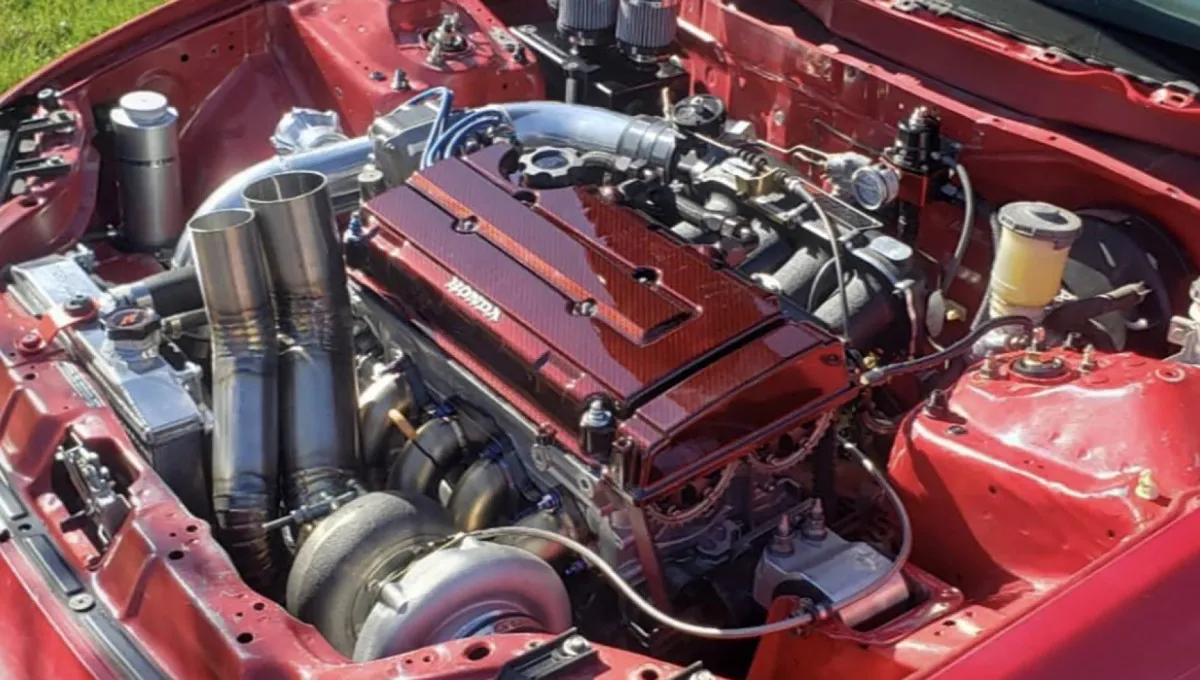
Honda K-Series Engines Can Go Past 300,000 Miles — Here's Why They're So Reliable
How long can a Honda K-series engine last, and what makes this family of Japanese engines so durable?
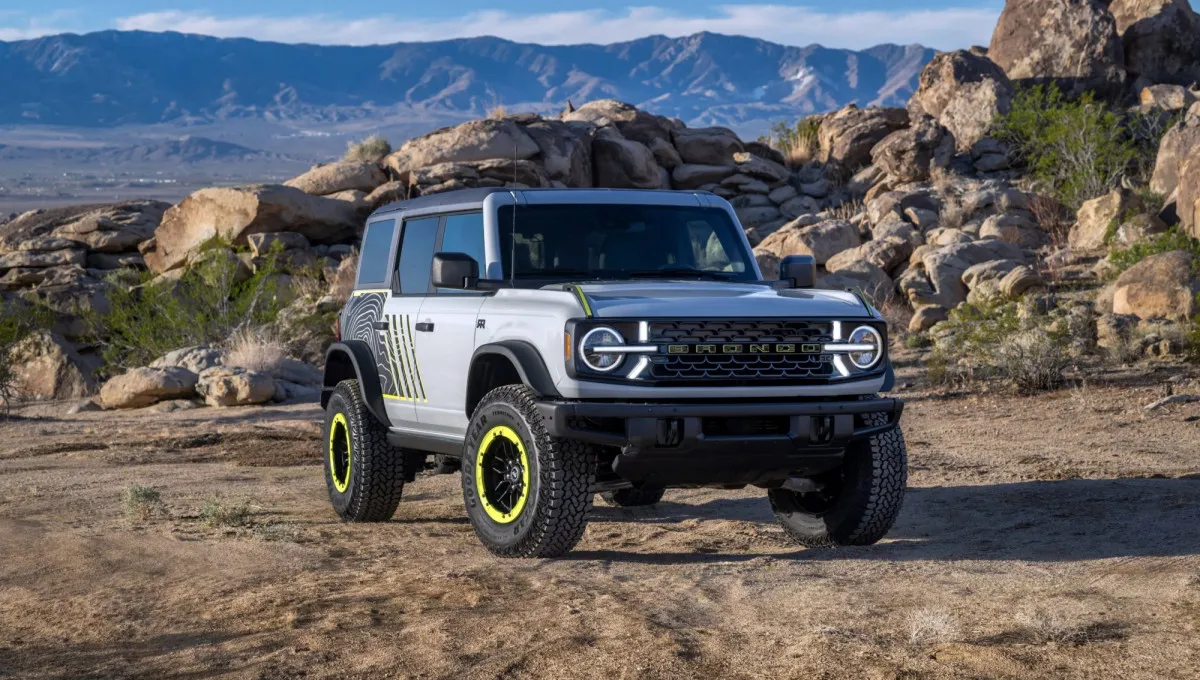
2027 Ford Bronco RTR Priced From $50,495—Undercuts Bronco Raptor by $31,500
Ford has set the starting price for the 2027 Bronco RTR, with orders expected to open later this year.
41,748 Ford SUVs and Trucks Recalled—Your Headlights Could Suddenly Stop Working
Ford recalls 41,748 vehicles after contaminated LED chips threaten required headlight performance on newer models.
The Sheriff Knew She Was Speeding—Then This Blonde Driver Turned the Ticket Against Him
A sheriff pulls over a Ferrari for speeding, but the driver's bizarre logic quickly turns the traffic stop against him.
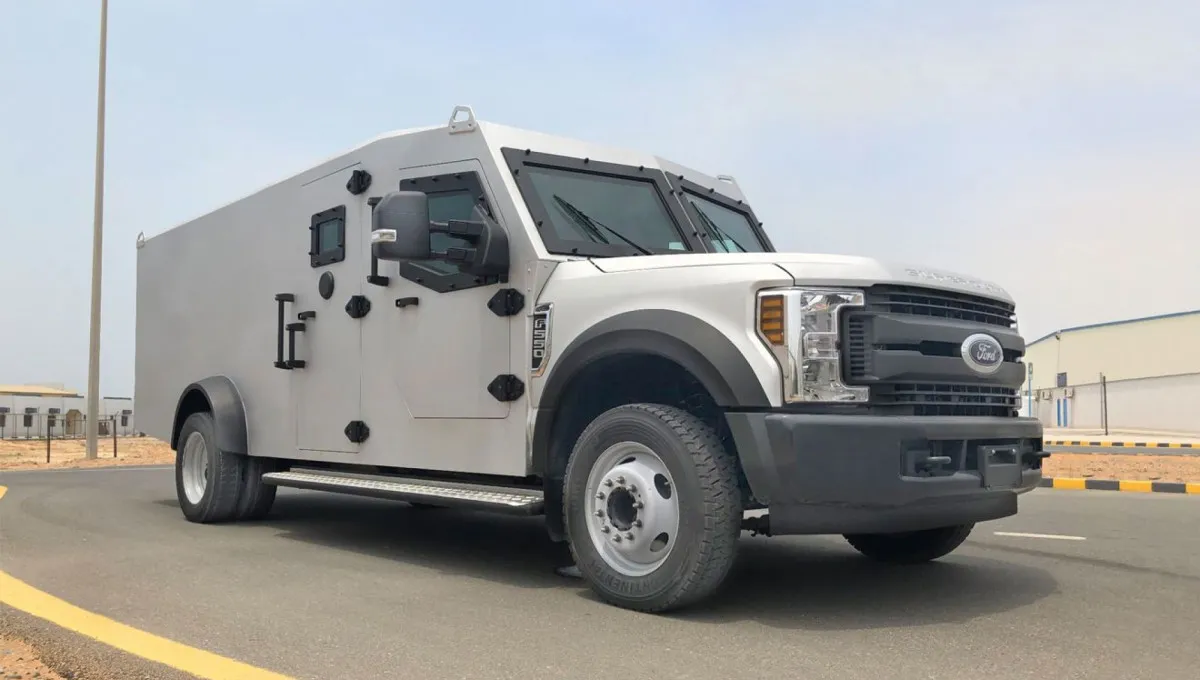
Armored Ford F-550 Is a Rolling Fortress Built to Carry Millions
TAG Dynamics has unveiled a new armored cash-in-transit vehicle based on the Ford F-550 pickup for security companies and financial institutions.