
Many American Drivers Don’t Know About This: What the TCS OFF Button Does and How the System Works
The TCS OFF button is often located near the automatic shifter, but many drivers don’t know its purpose.
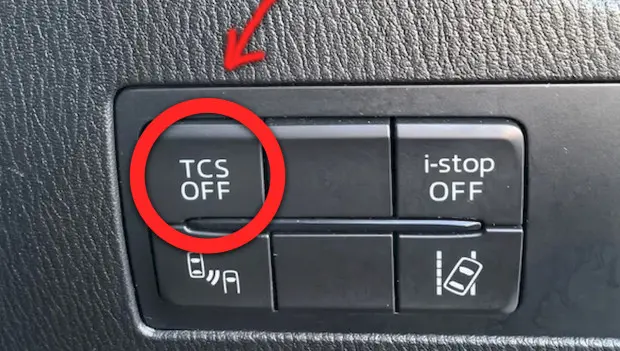
Years ago I owned a 1999 Mazda Premacy. Like most cars, when you turn the ignition key to the “ON” position, the dashboard lights up with several warning indicators — oil pressure, ABS, Check Engine, and others. That’s when I noticed one unusual indicator: TCS OFF.
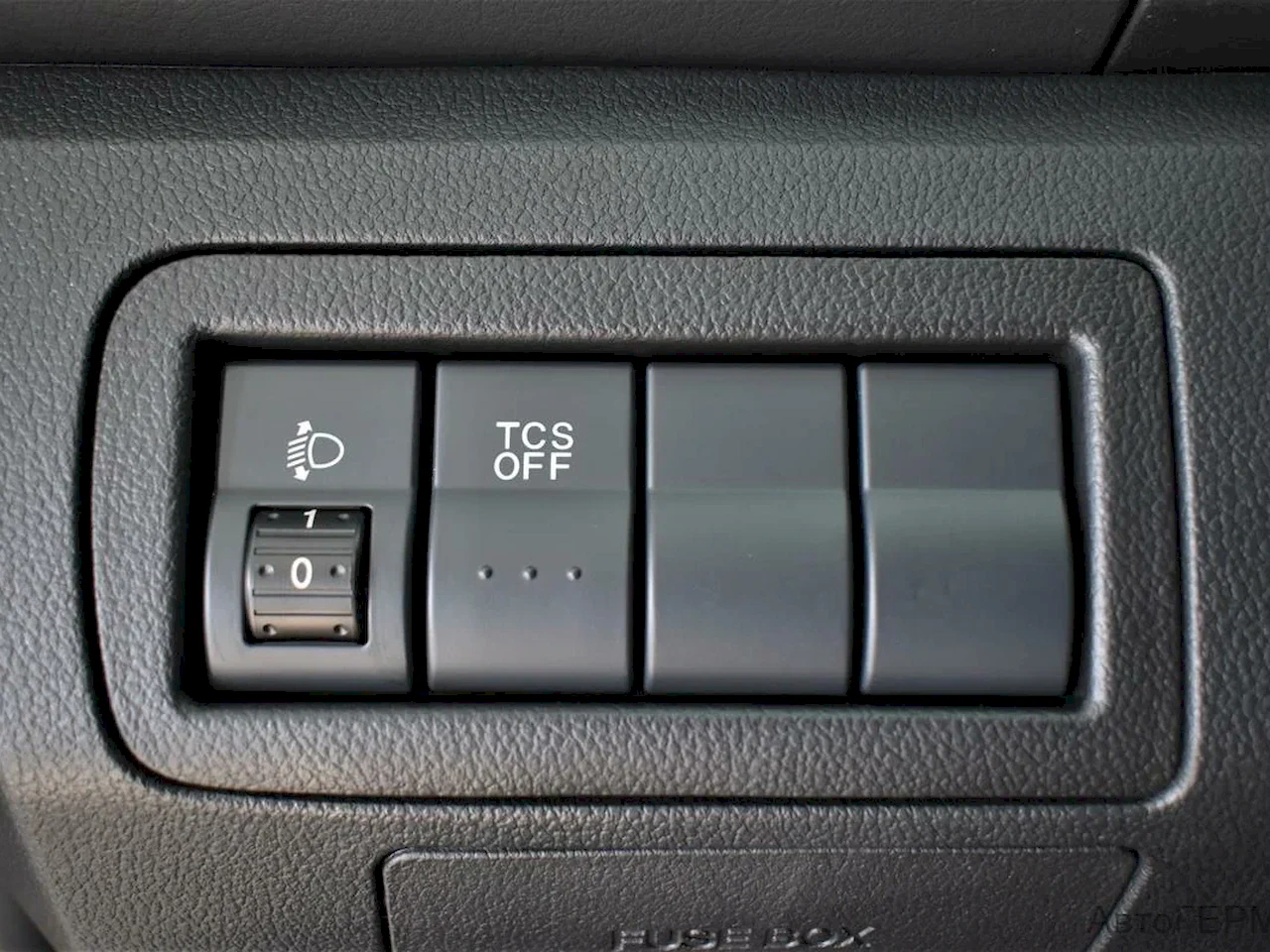
Then I remembered there was a button with the same label located near the gear selector. Naturally, I became curious about what exactly that button was supposed to do.
Trying to figure it out myself
At first I tried to understand the purpose of the button through simple experimentation. I switched the function on and off under different driving conditions — during acceleration, braking, and while taking corners.
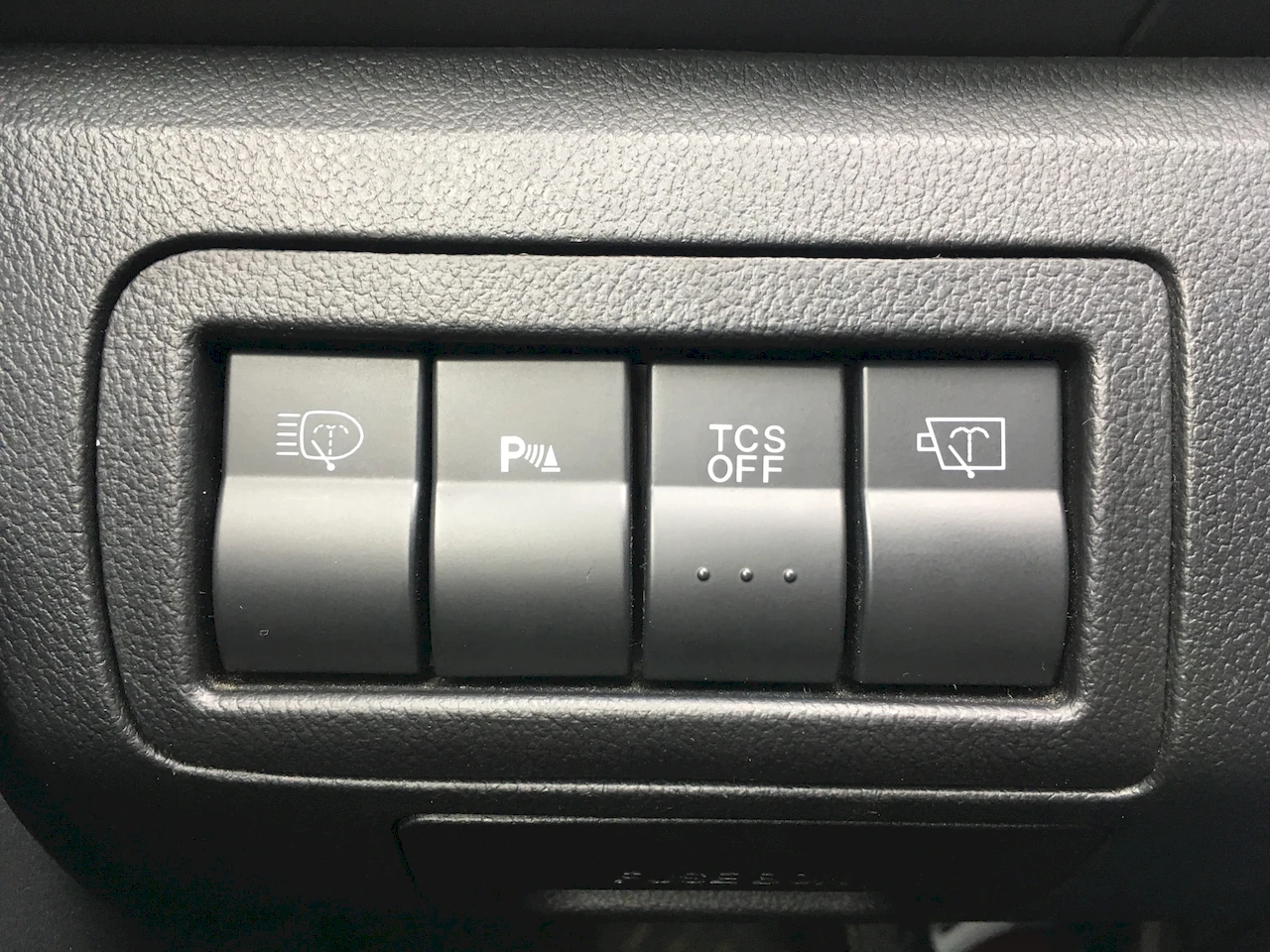
To be honest, I didn’t notice much difference at all.
After many attempts and a fair amount of trial and error, the only clear result was that pressing the button while the engine was running would simply light up the “TCS OFF” indicator on the dashboard. That was it.
Looking for answers online
It seemed unlikely that the feature existed for no reason, so I started digging for information online. Surprisingly, there isn’t a lot of clear information about the system, but after browsing numerous forums and articles I managed to piece together a better explanation.
First, this feature was commonly found in Japanese and Korean vehicles built roughly between the 1990s and around 2011. TCS stands for Traction Control System.
Second, the system usually works only in vehicles that are equipped with ABS (Anti-lock Braking System). In fact, TCS relies on many of the same sensors used by the ABS system.
And third — the most important point — TCS is designed to stabilize the vehicle by controlling wheel traction. It manages engine torque and monitors the rotation of all four wheels to prevent slipping, wheelspin, or loss of grip during acceleration, braking, or cornering.
In simple terms, the system helps keep the vehicle stable and reduces the chance of losing control. If one wheel begins to spin faster than the others, the system can limit engine power or apply braking to that wheel.
During turns, it may also redirect torque to the wheels that have better traction, helping the car maintain stability and control. In situations like hard acceleration from a stop, the system can also prevent excessive wheelspin.
The concept is somewhat similar to modern electronic stability programs, although older TCS systems were typically more focused on traction management rather than full vehicle stability control.
You may also be interested in the news:

Why Experienced Drivers Put Socks on Their Car Mirrors in Fall: The Clever Trick Explained
An old pair of socks can help reduce frost buildup on your side mirrors overnight, saving time on cold mornings when every minute counts.

How to Clean Your Windshield Without Streaks: Experts Recommend This Simple DIY Mix
The secret to a streak-free windshield comes down to the right cleaning solution, two microfiber cloths, and the proper drying technique.

Why Some Drivers Keep Bay Leaves in Their Cars — It’s Not Just About Superstition
Can a common kitchen spice help repel bugs, freshen your car’s interior, or even help you relax behind the wheel?
Cold Weather Can Leave You Stranded — 5 Things Every Driver Should Have in Their Car
The first hard freeze can catch drivers off guard. Here's what to keep in your vehicle and how to prepare your battery, tires, and fluids for colder weather.
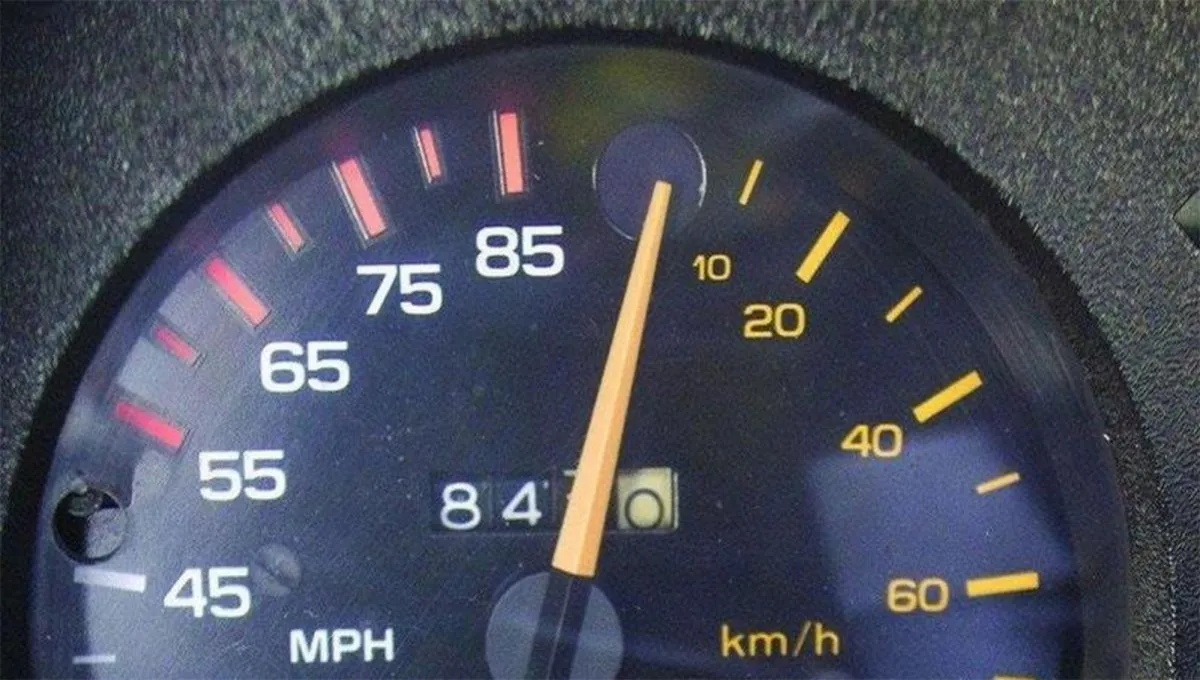
Your Speedometer Says 65 MPH, but Your GPS Says 62 — Here’s Why Your Car Does That
Your speedometer reads 65 mph, but your GPS says 62 mph. Here’s why the numbers rarely match.