
Many Drivers Don’t Know Why the Mysterious “Overdrive OFF” Button Existed—and Why It Disappeared
Older automatic cars had an Overdrive OFF button, but modern transmissions no longer need it.
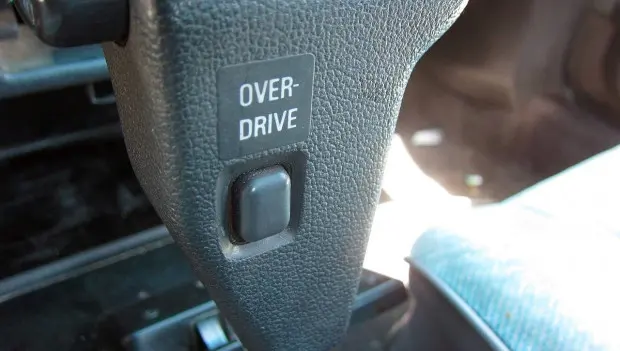
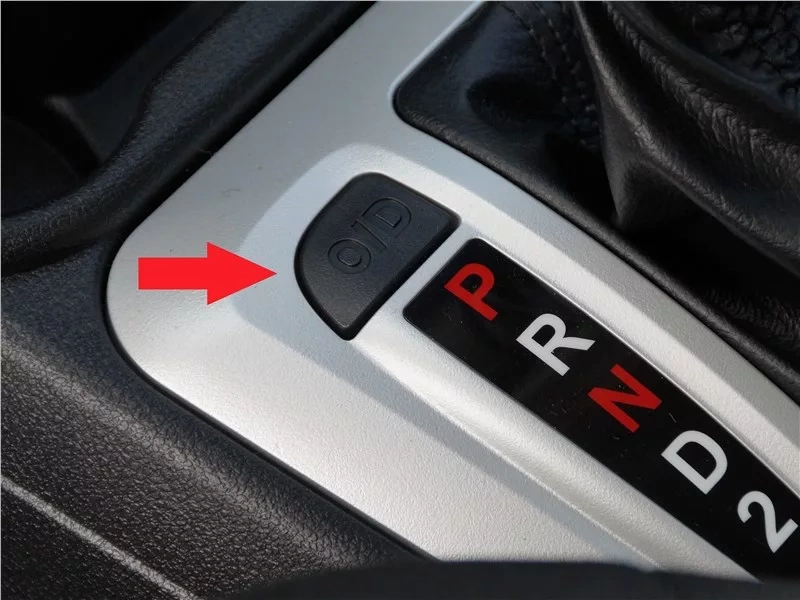
Ten or fifteen years ago, many cars with automatic transmissions had a small but important button near the gear selector. It usually carried a simple label: “Overdrive OFF.”
Today, however, it’s almost impossible to find that button in modern vehicles with automatic gearboxes. So what exactly did it do—and why did automakers get rid of it?
What “Overdrive” Actually Means
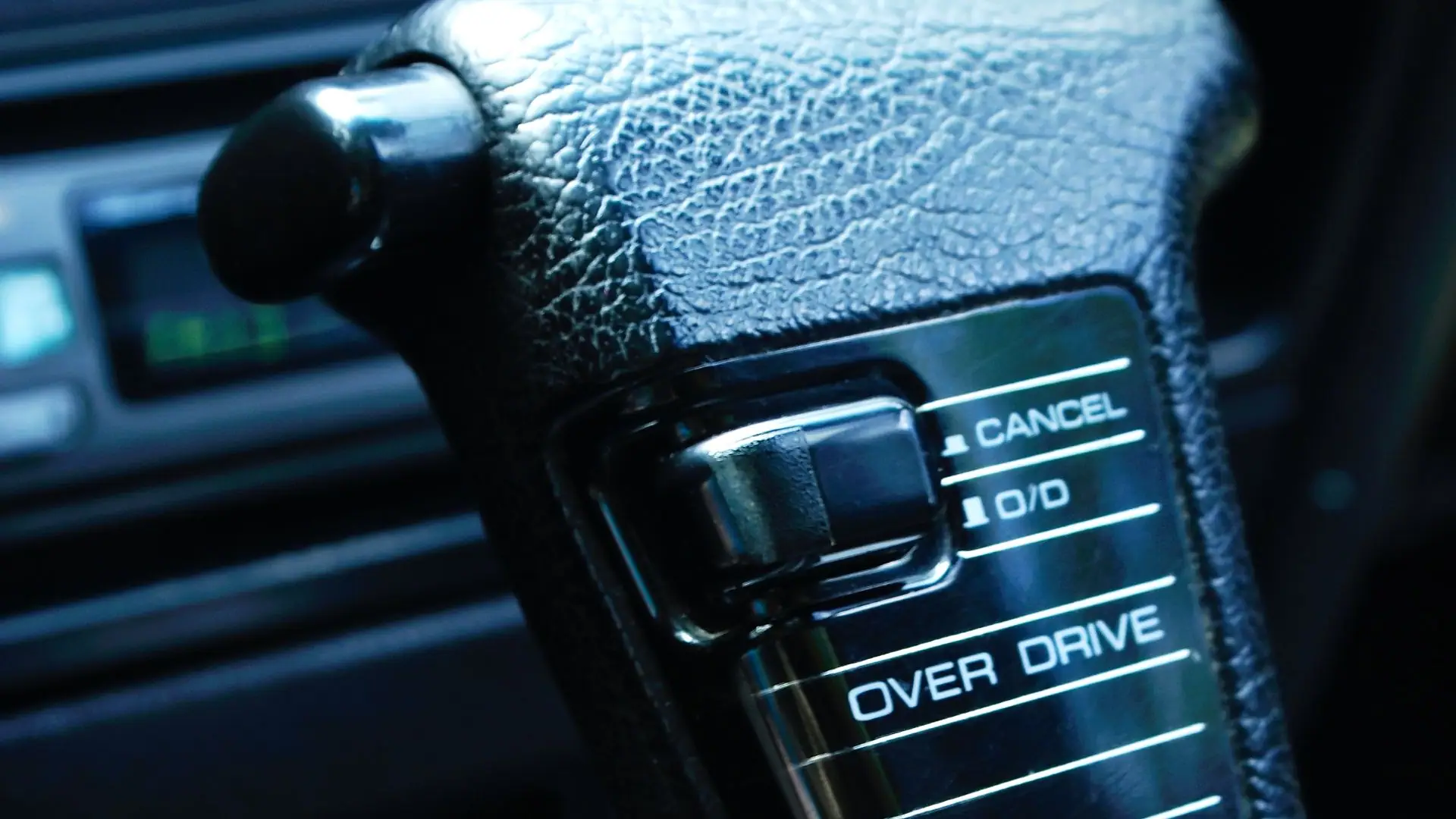
In automotive terminology, overdrive refers to a high gear ratio used in automatic transmissions. Inside the gearbox, this gear has a ratio lower than 1:1, meaning the transmission’s output shaft spins faster than the engine’s crankshaft.
In simple terms, this setup increases the rotation speed at the transmission output while reducing the torque sent to the drive wheels.
That makes overdrive the highest operating gear in many older automatic transmissions. Its main advantage is better fuel economy, especially when driving at a steady speed on the highway. When cruising, the engine runs at lower RPMs, which helps reduce fuel consumption.
When Overdrive Could Be a Problem
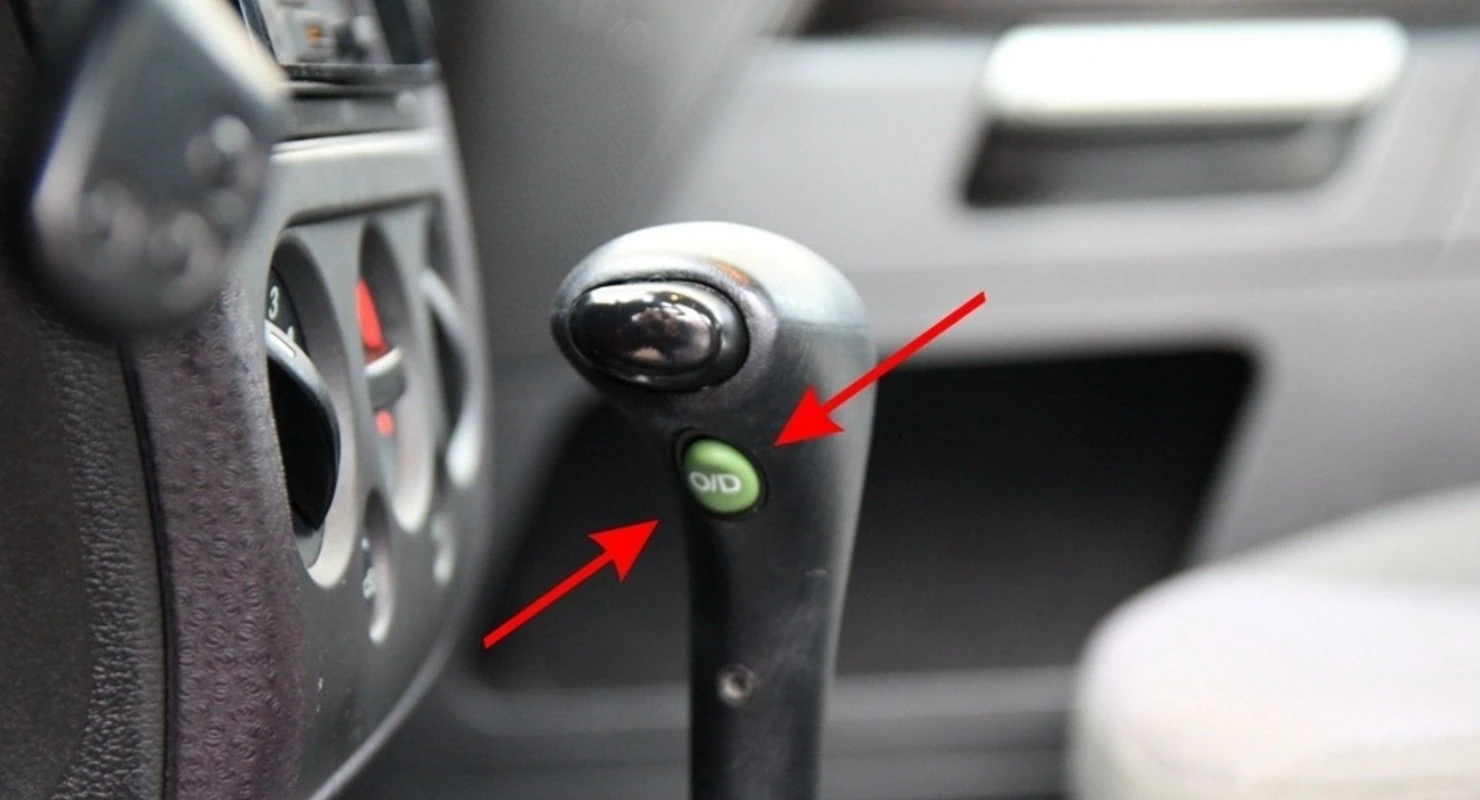
Despite the efficiency benefits, overdrive isn’t always ideal.
Using the highest gear can be problematic when:
- Climbing steep hills
- Driving on winding roads
- Towing a trailer or carrying heavy loads
In these situations, the engine needs maximum torque, which lower gears provide.
Why the Button Was Needed
Early automatic transmissions weren’t very sophisticated and couldn’t always select the best gear automatically.
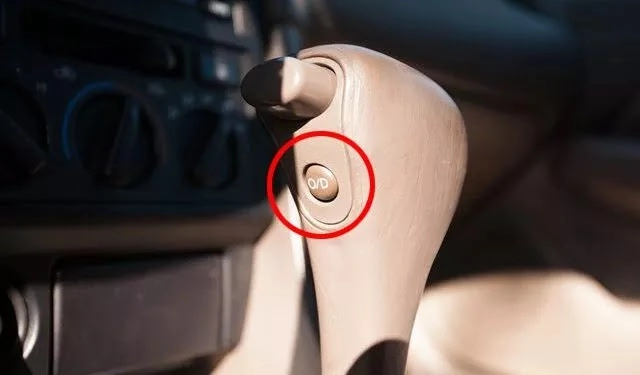
That’s why manufacturers added the Overdrive OFF button. By pressing it, the driver could disable the overdrive gear, forcing the transmission to use only the lower gears—usually the first three in a four- or five-speed automatic transmission.
This helped keep the engine in a range where more torque was available, which was especially useful under heavy load.
Why It Disappeared
Automatic transmissions have evolved dramatically. Instead of older four- and five-speed units, modern vehicles often use seven-, eight-, or even ten-speed automatics.
These systems rely on advanced electronics that constantly monitor driving conditions and select the optimal gear automatically.
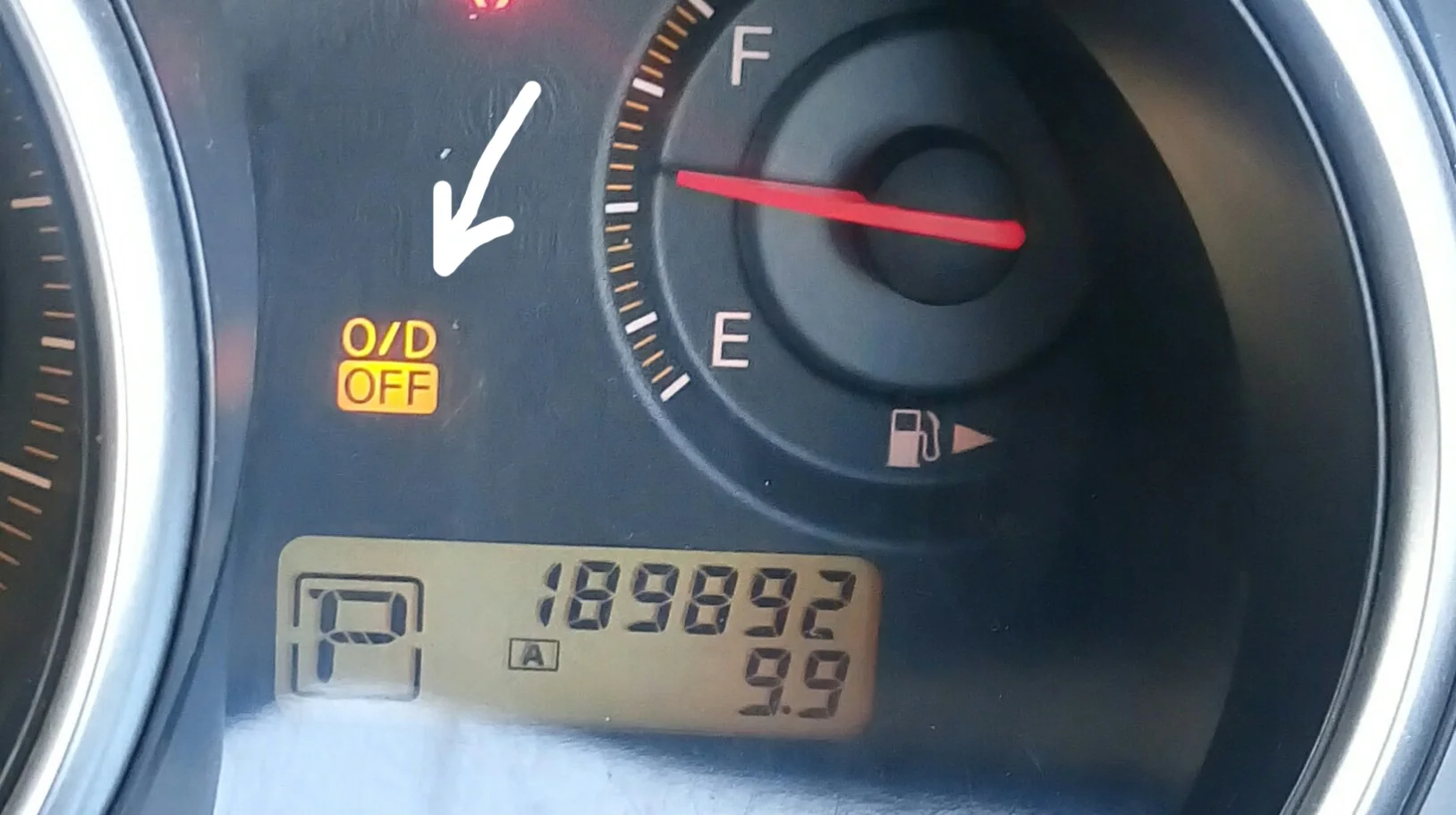
Because the transmission control system can now manage this far more efficiently than a driver pressing a button, the manual overdrive lockout is no longer necessary—which is why the once-common “Overdrive OFF” button has largely disappeared from modern cars.
You may also be interested in the news:
Your Brakes Squeal Every Morning? Here’s When That Noise Is Normal—and When It Could Mean Trouble
That sharp brake squeal first thing in the morning is often harmless—but persistent noise can point to worn or damaged brake components.
7 Car Repairs Mechanics Secretly Hate Taking on — Here’s Why Shops Say “No”
A mechanic explains why some seemingly routine repairs can become expensive nightmares for both shops and car owners.
Your Car May Be Burning More Gas This Fall — Here’s the Surprising Reason Why
Colder temperatures, longer warm-up times and denser air can all cause your car to use more fuel in the fall.

The “Gas-Saving” Tricks That Could Destroy Your Car — And What Drivers Should Do Instead
Some fuel-saving tricks can backfire, costing drivers far more in repairs than they ever save at the gas pump.
How Oldsmobile Invented a Manual Gearbox for an Automatic
Long before paddle shifters and electronic driving modes, Oldsmobile found a clever mechanical way to let drivers shift an automatic transmission themselves.