
Why Yellow Night Driving Glasses Aren’t the Game-Changer You Hoped For
Yellow-lens night driving glasses promise less glare and fatigue, but do they deliver?
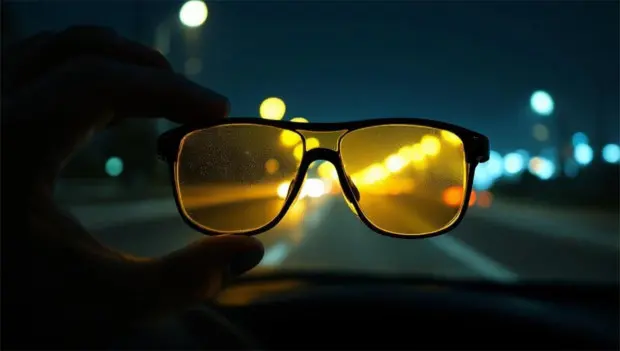
When it comes to staying safe on the road after dark, things are getting trickier. Newer cars come with blindingly bright LED headlights, and nighttime accident stats aren’t pretty. Against that backdrop, any gadget claiming to help drivers see better is bound to get attention. Enter yellow-tinted night driving glasses—marketed as the fix for harsh headlight glare and tired eyes.
A lot of drivers swear by them, saying oncoming headlights feel less piercing and the road looks more pleasant to the eye. You’ll see reviews like “way less strain on my eyes” or “just feels more comfortable to drive at night.” Some folks even throw them on over their regular prescription glasses, convinced it cuts down on reflections and fatigue during long hauls in the dark or rain.

But here’s the rub. Eye doctors and independent testers aren’t buying the hype. Lab tests show yellow lenses block some blue light, which ends up reducing the total amount of light reaching your eyes. In low-light conditions, that backfires—road details get muddy, and your reaction time to sudden obstacles takes a hit. Worse, many popular “night driving” glasses don’t meet basic safety standards for light transmission required for driver eyewear.
In head-to-head tests, yellow-lens glasses either made no real difference in visibility or performed about the same as clear lenses—or even wearing no glasses at all. The bigger danger? A false sense of security that might actually make driving riskier.
So what really helps cut down on fatigue and boost safety at night? Start with the basics: keep your windshield and headlights clean, adjust your mirrors and lights properly, and cut down on glare sources inside the cabin. If your vision isn’t perfect, go for high-quality clear lenses with a solid anti-reflective coating—and get checked out by an eye doctor. That’s how you pick the right solution for nighttime driving, without making things worse.
Bottom line: Yellow-lens night driving glasses might feel more comfortable, but they don’t fix the safety problem. You’re better off taking care of your car, your eyesight, and skipping the gimmicks.
You may also be interested in the news:
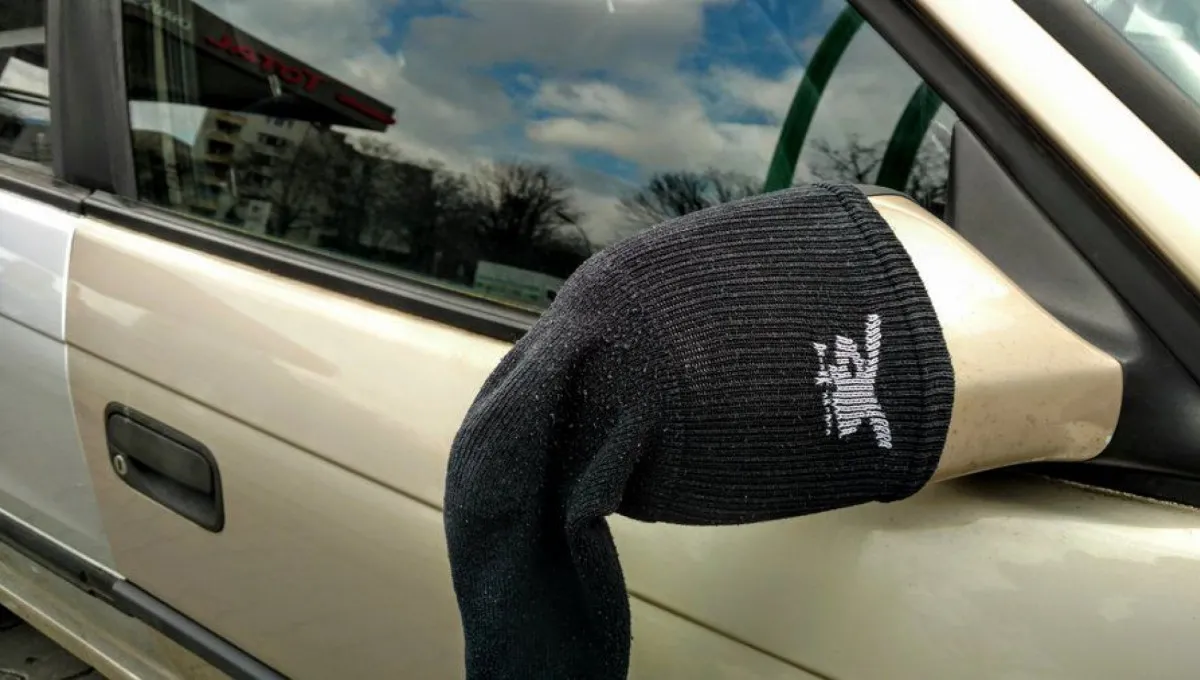
Why Experienced Drivers Put Socks on Their Car Mirrors in Fall: The Clever Trick Explained
An old pair of socks can help reduce frost buildup on your side mirrors overnight, saving time on cold mornings when every minute counts.
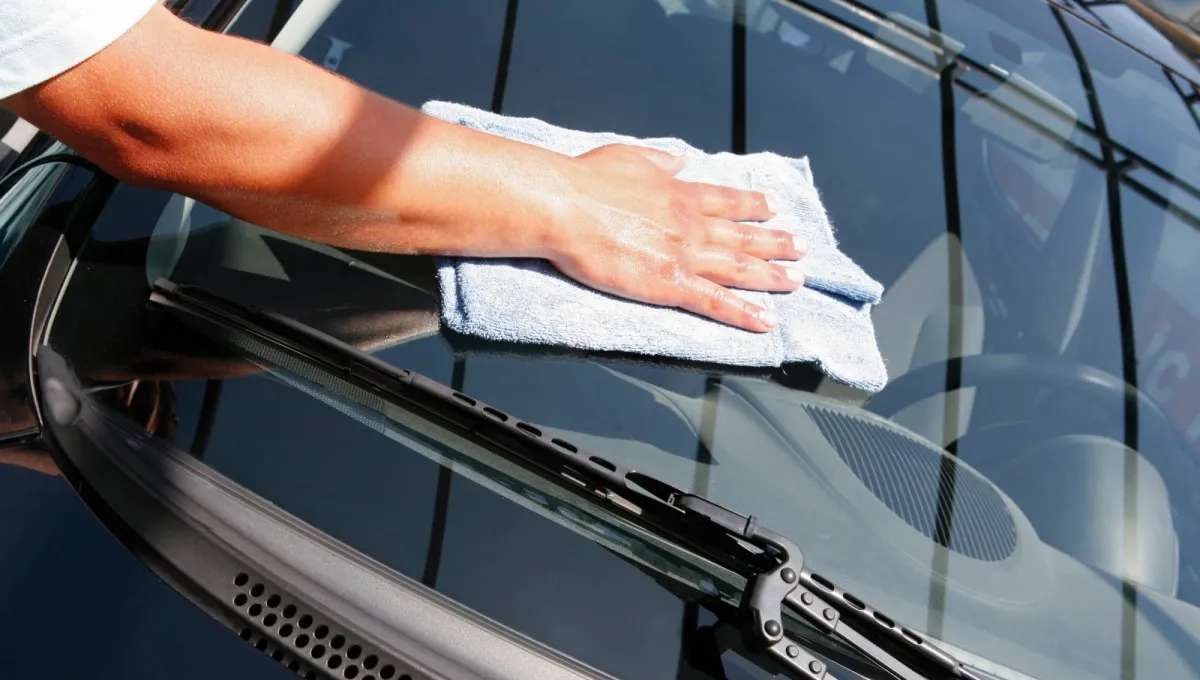
How to Clean Your Windshield Without Streaks: Experts Recommend This Simple DIY Mix
The secret to a streak-free windshield comes down to the right cleaning solution, two microfiber cloths, and the proper drying technique.

Why Some Drivers Keep Bay Leaves in Their Cars — It’s Not Just About Superstition
Can a common kitchen spice help repel bugs, freshen your car’s interior, or even help you relax behind the wheel?
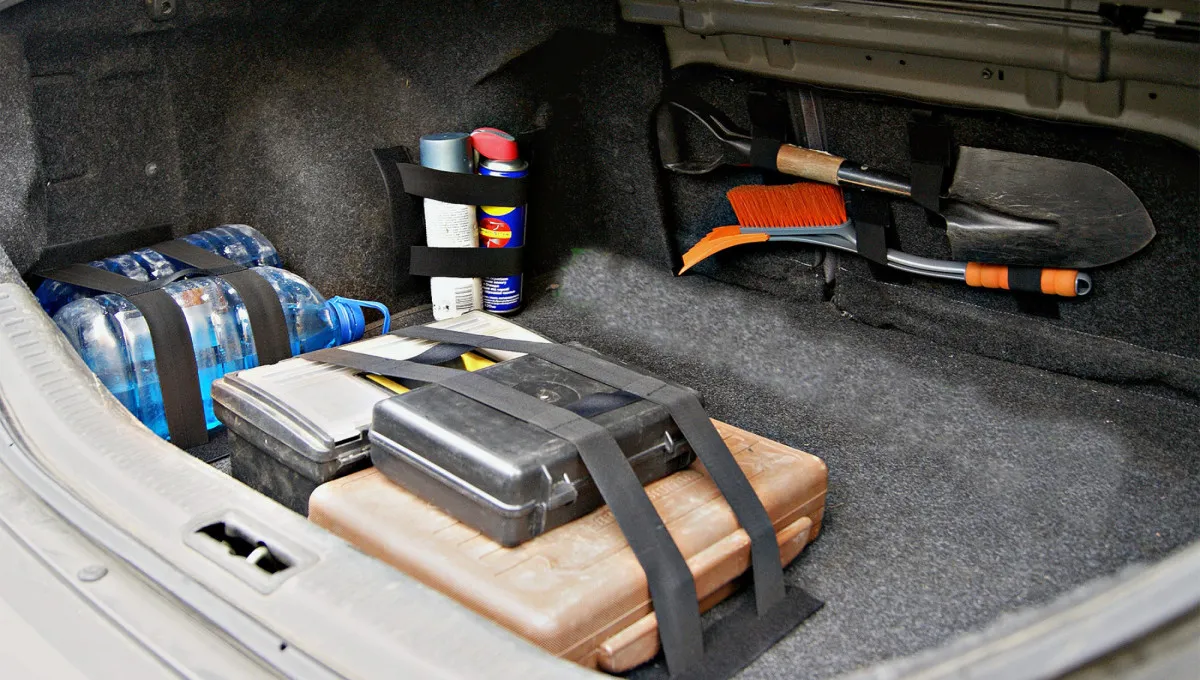
Cold Weather Can Leave You Stranded — 5 Things Every Driver Should Have in Their Car
The first hard freeze can catch drivers off guard. Here's what to keep in your vehicle and how to prepare your battery, tires, and fluids for colder weather.
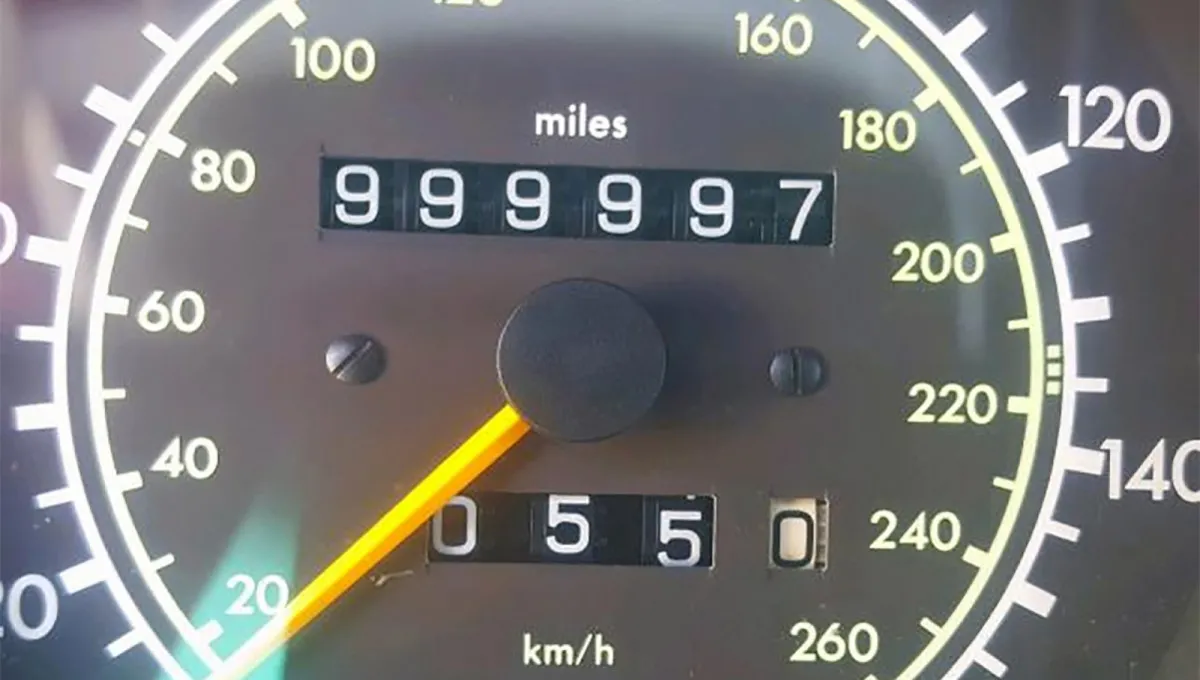
These 8 Cars Went Over 1 Million Miles — They Just Don’t Build Them Like They Used To
Some cars outlast generations of owners, proving that careful maintenance and durable engineering can deliver extraordinary mileage.