
Style or Necessity: Why Brazilian Truck Drivers Lift the Rear of Their Trucks
Brazil is a fascinating country, known for equally fascinating people and unusual vehicles.
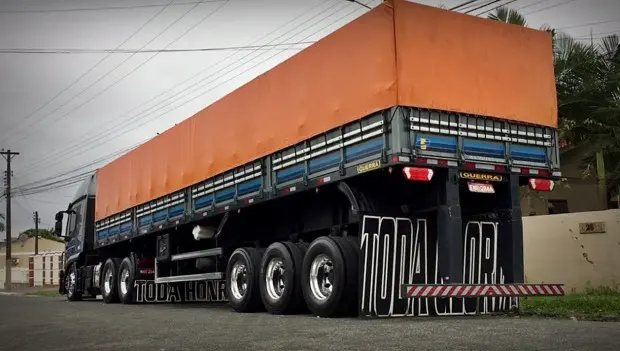
Brazil is a fascinating country, and its people are just as colorful as its culture. That’s one reason you can often spot some truly unusual vehicles on its roads. Among the most eye-catching are trucks with dramatically raised rear ends. For many drivers elsewhere, this kind of setup looks strange—almost extreme. But there’s a clear reason behind it.
In Brazil, attitudes toward work vehicles, especially trucks, are quite different from what many drivers in the U.S. or Europe might expect. These heavy-duty rigs are often customized in bold, flashy ways. The goal is simple: give them a more aggressive, sporty look. After all, appearance matters a lot in local truck culture.
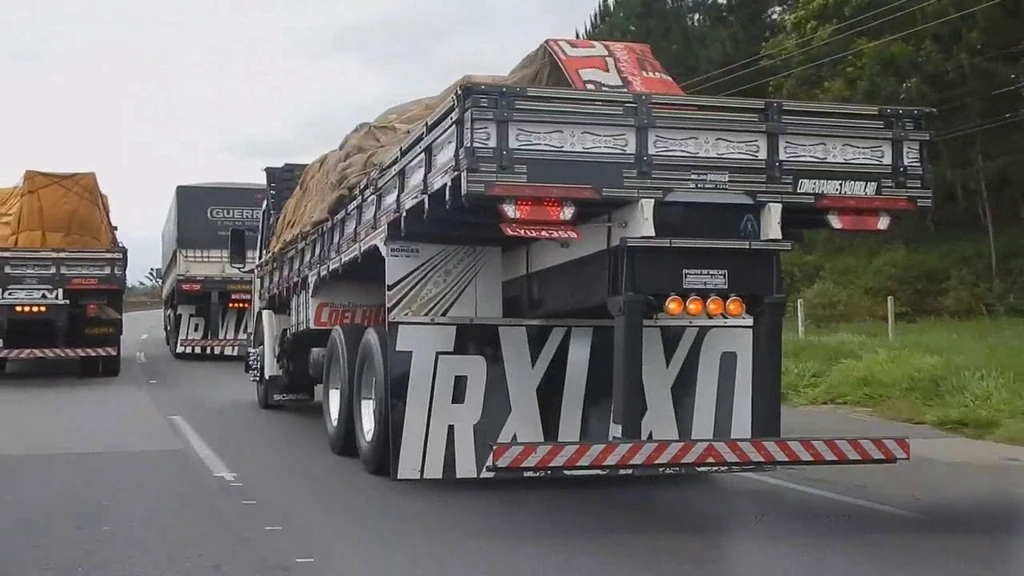
Chrome wheels, bright paint jobs, and heavily decorated cabins are just the beginning. One of the most attention-grabbing modifications involves the suspension. In many cases, the rear of the truck is lifted high, while the front end sits noticeably lower.
Sometimes the front drops so far that it’s almost as low as the bumper allows. A whole industry has even developed around suspension kits designed specifically for these modifications, especially for the rear leaf springs.

So why do drivers go to these extremes? The short answer is that it’s not about practicality. It’s more about image and status—what many would simply call “showing off.” In Brazil, modifying truck suspension has become its own subculture among drivers.

That culture has also led to regulation. Back in 2014, authorities began cracking down on heavily modified trucks, trailers, and tractor units. New rules were introduced limiting how much the rear of a vehicle can be raised. On top of that, any modification now has to be officially registered with law enforcement.
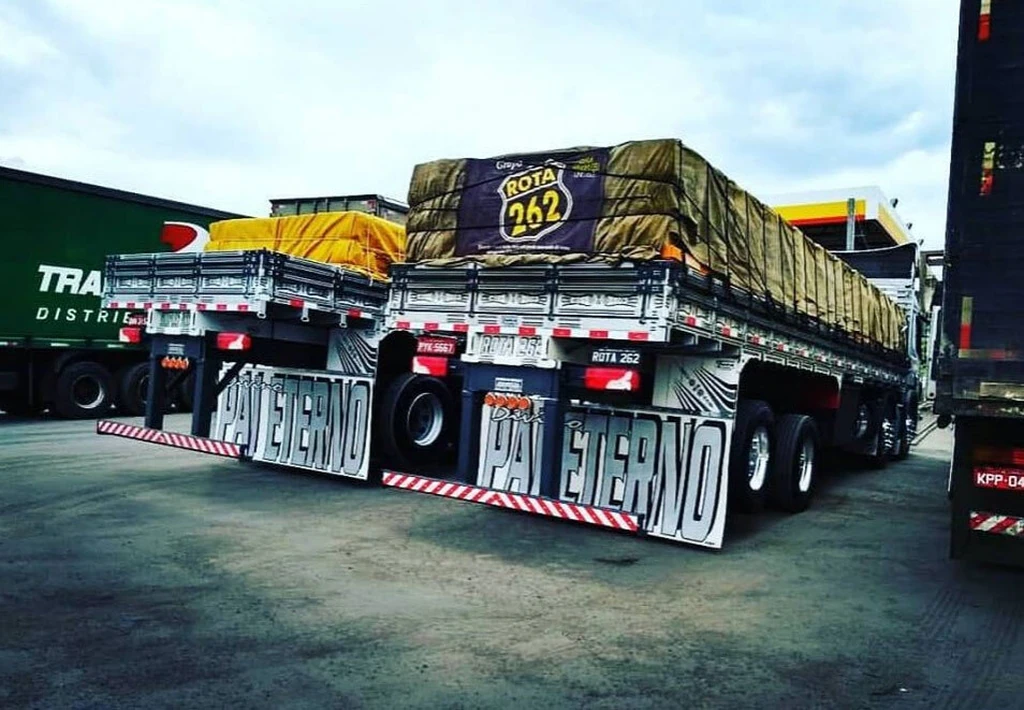
Since then, traffic police have had to take a much closer look at these trucks, often measuring ride height with tape measures during inspections. Violations can lead to steep fines, mainly because these modifications can affect vehicle safety.
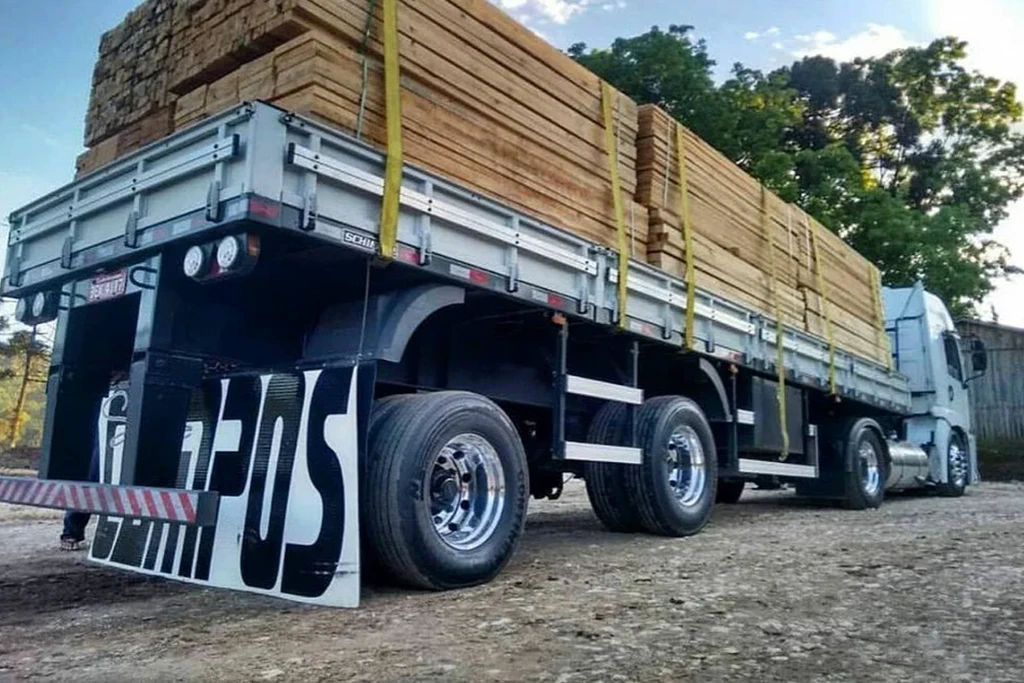
The reason is simple: altering suspension geometry throws off weight distribution, making trucks harder to control, especially under load. But for many enthusiasts, that rarely stops them.
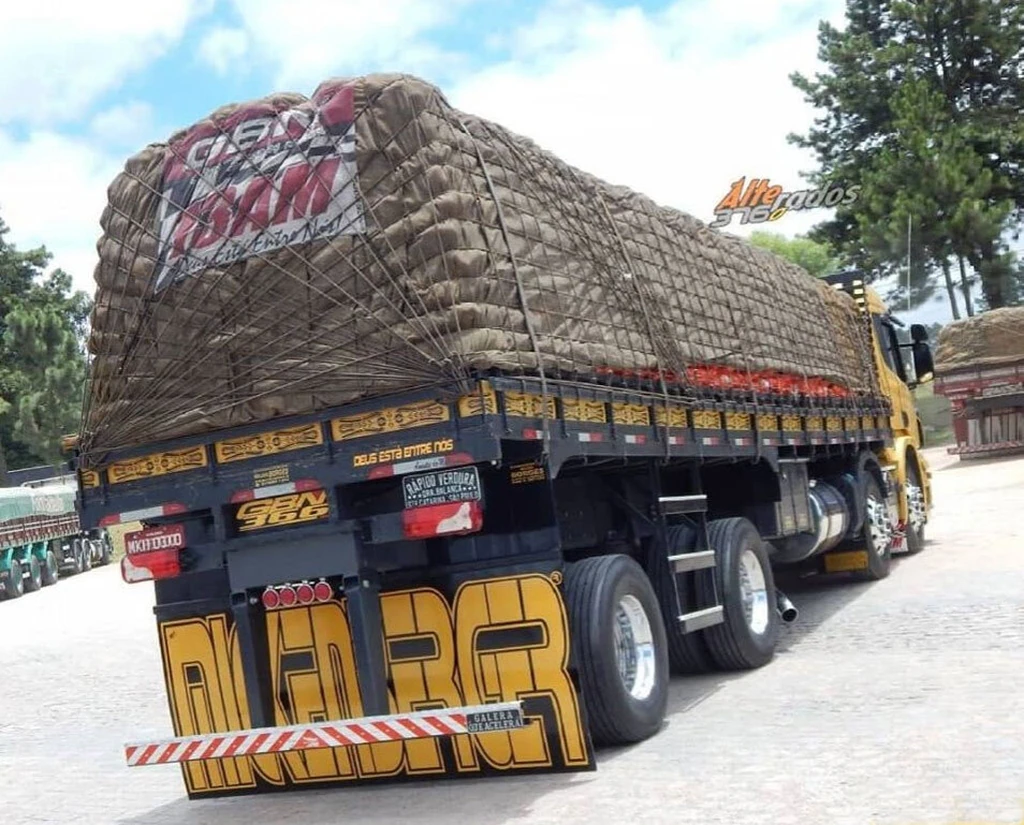
As part of the same customization trend, Brazilian truck owners often install oversized, solid rear mudflaps—another signature detail in this highly visual style of truck tuning.
You may also be interested in the news:
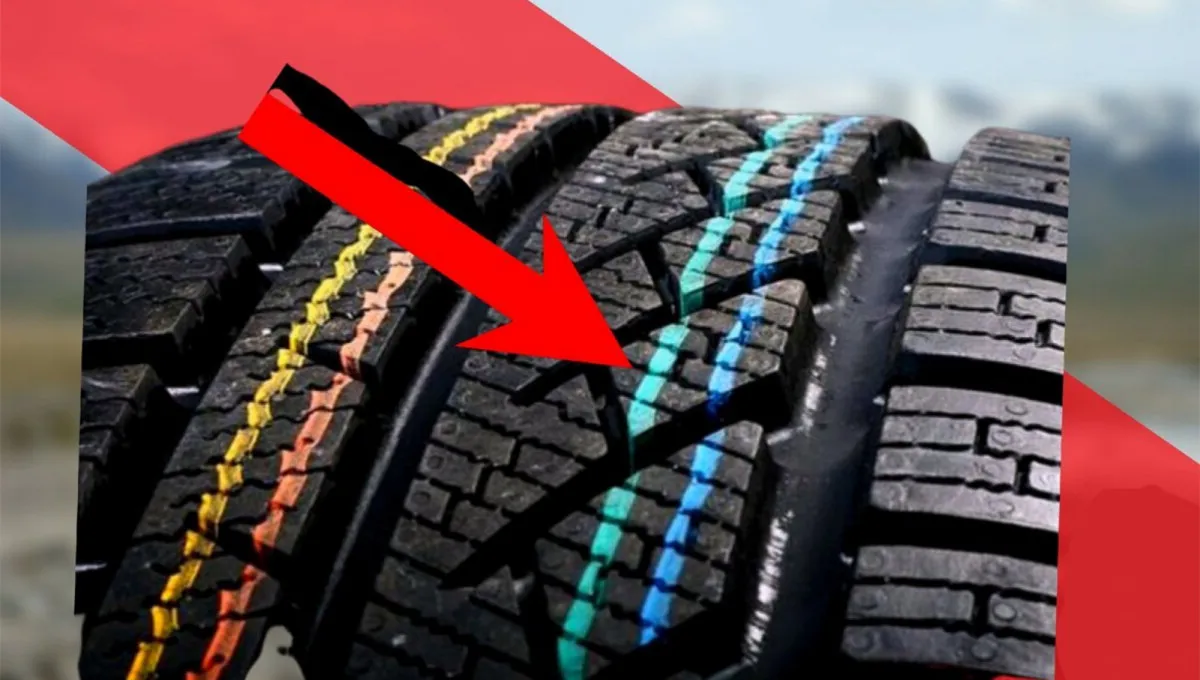
Why Colored Stripes on New Tires Confuse Drivers: What They Really Mean
A blue stripe on one tire brand can mean something entirely different on another, leaving drivers wondering what the markings mean.

These 8 Cars Went Over 1 Million Miles — They Just Don’t Build Them Like They Used To
Some cars outlast generations of owners, proving that careful maintenance and durable engineering can deliver extraordinary mileage.
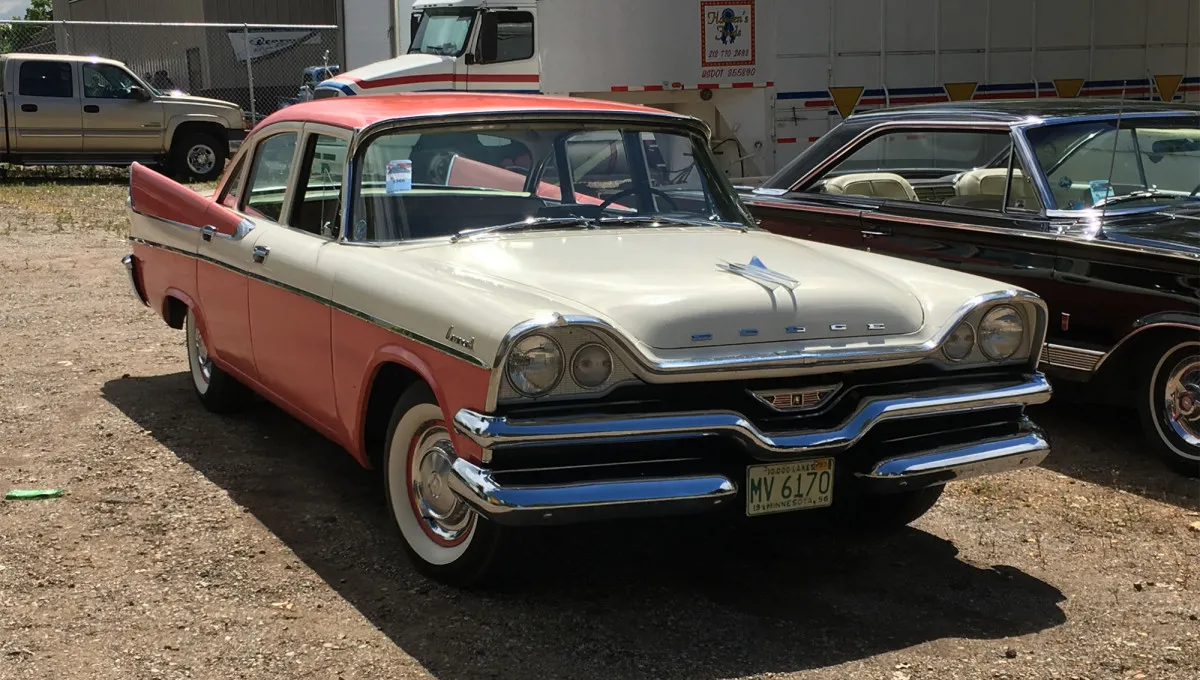
The 1957 Dodge: How “Autodynamics” Shaped One of Detroit’s Boldest Designs
The 1957 Dodge Looked Like a Dream Car, but Its Biggest Flaw Was Hiding Beneath the Surface.

Two Ferrari F40s Spotted on Google Maps Turn Out to Be Pontiac Fiero Replicas
Two Ferrari F40 lookalikes spotted on Google Maps in Spain turned out to be replicas built on an American sports car.

Your Speedometer Says 65 MPH, but Your GPS Says 62 — Here’s Why Your Car Does That
Your speedometer reads 65 mph, but your GPS says 62 mph. Here’s why the numbers rarely match.