
Six Car Facts That Sound Made Up—But Are Actually True
The automotive world is full of strange stories, and truth is often stranger than fiction.
There’s no shortage of wild automotive myths and unbelievable stories floating around. Ironically, the ones that sound completely realistic often turn out to be false, while ideas that seem like pure fantasy sometimes prove to be true. That’s what makes the car world so fascinating—it constantly reminds us that what sounds impossible might actually be real.
1. Formula 1 cars could theoretically drive upside down

It’s hard to believe, and even harder to imagine, but calculations suggest that a modern Formula 1 car could generate enough downforce to drive upside down. Of course, this doesn’t mean you could literally stick it to a ceiling and drive away.
The secret lies in extreme aerodynamics. These cars are engineering masterpieces designed for one purpose: maximum speed. At high velocity, airflow over the car creates so much downforce that, in theory, once a Formula 1 car exceeds about 120 mph, it could stay pressed against a surface even if inverted.
The problem is testing it in real life. You’d need a specialized tunnel with a track designed for inverted driving—something both impractical and extremely expensive—so for now, it remains a theoretical calculation.
2. Ferrari’s logo came from a World War I pilot

The famous Prancing Horse isn’t just a stylish Italian design. Its origin traces back to World War I pilot Francesco Baracca, who painted a similar horse emblem on his aircraft.
Enzo Ferrari later adopted the symbol for his own cars, turning it into one of the most recognizable logos in automotive history.
3. Cars are about 80% recyclable

A surprising amount of a car can be reused. Roughly 80% of a vehicle’s materials can be recycled and turned into new products—or even new cars.
In fact, recycling plays a major role in the automotive industry. In the U.S. and Canada alone, recycled materials contribute to the production of around 13 million vehicles every year.
4. Most Rolls-Royce cars are still on the road
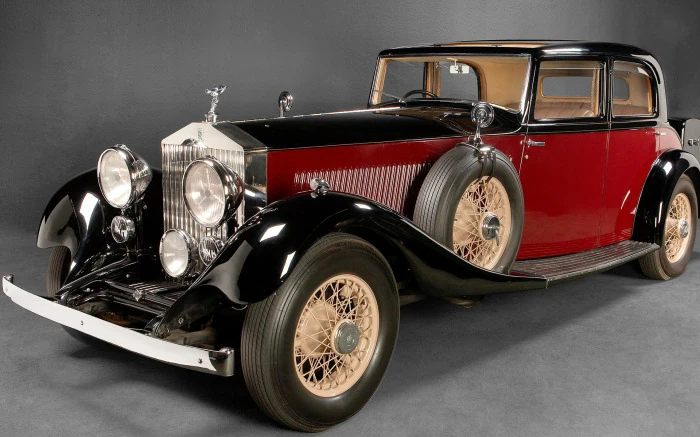
An estimated 75% of all Rolls-Royce vehicles ever built are still drivable today. That becomes even more impressive when you consider the company has been producing cars since 1904.
The brand’s reputation for durability is part of the reason owners tend to preserve their vehicles so carefully. High value and exclusivity also mean these cars are maintained rather than replaced.
5. White cars are less likely to be in accidents
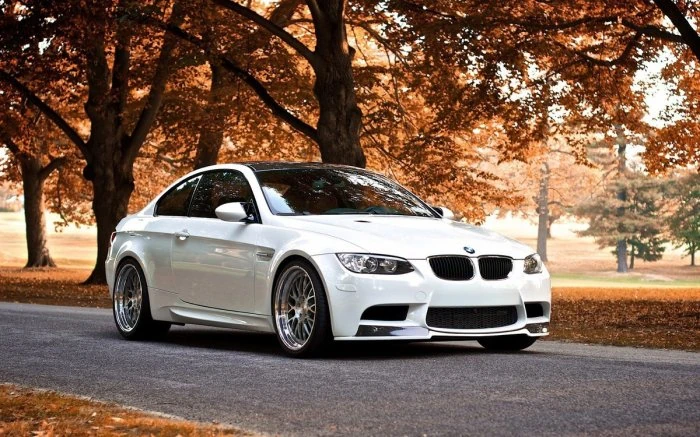
Can car color really affect accident risk? Surprisingly, yes. Studies suggest that white vehicles are significantly less likely to be involved in crashes compared to black ones.
In fact, some data indicates white cars are up to 12 times less likely to be in accidents than black vehicles. The reasoning is simple—white cars are far more visible in most driving conditions, especially at night or in low light.
6. Cruise control was invented by a blind engineer
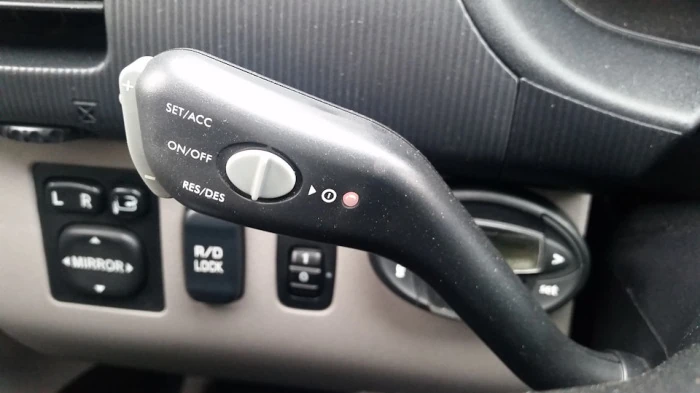
Modern cruise control is standard in most cars today, but its origins are quite unexpected. The system was developed in the 1950s by Ralph Teetor, an engineer who was blind.
He called his invention “Speedostat,” designed to help drivers maintain a constant speed without constant pedal input—an idea that eventually became the cruise control systems we rely on today.
You may also be interested in the news:
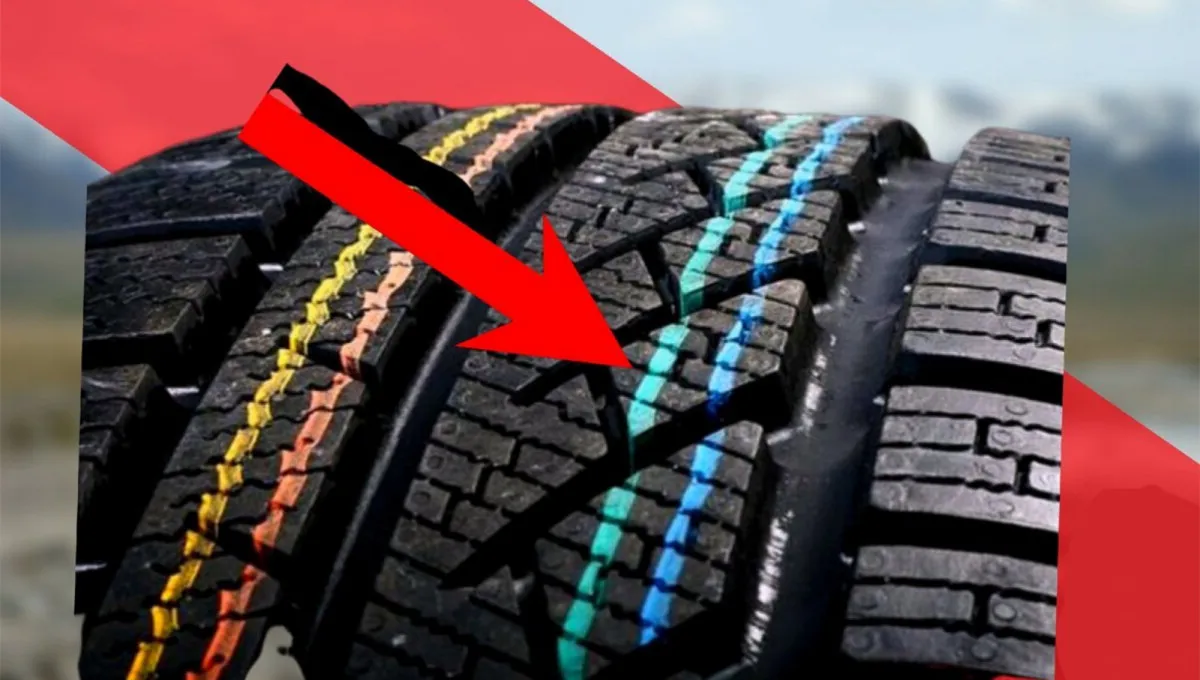
Why Colored Stripes on New Tires Confuse Drivers: What They Really Mean
A blue stripe on one tire brand can mean something entirely different on another, leaving drivers wondering what the markings mean.
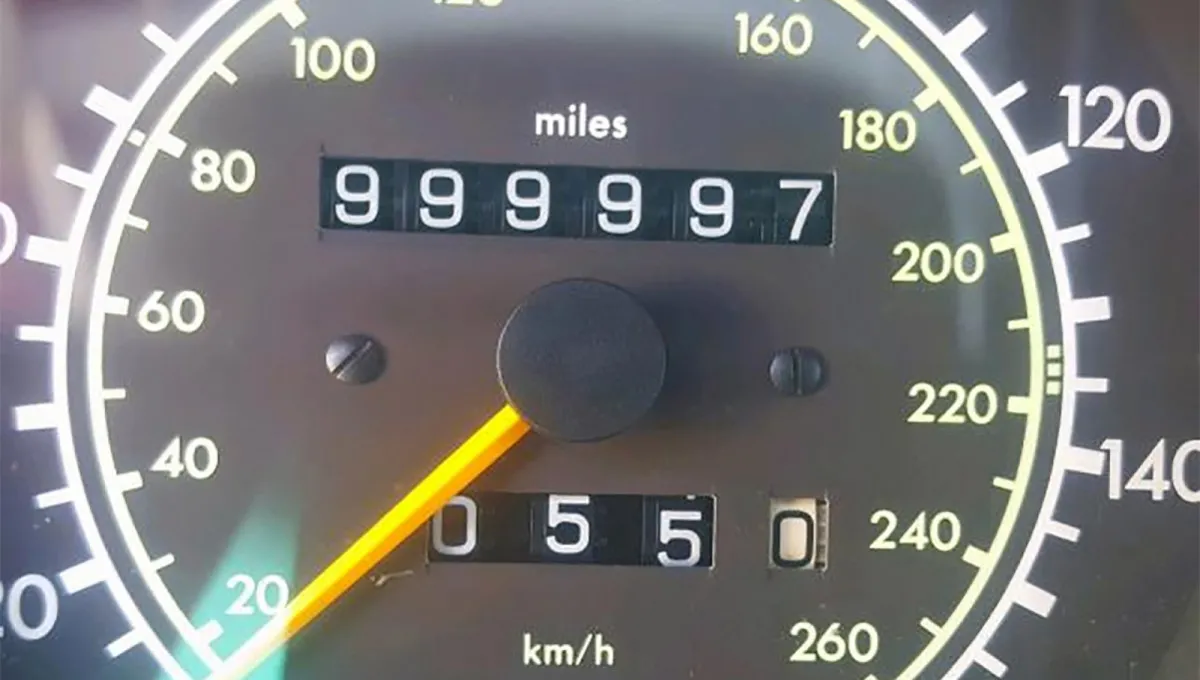
These 8 Cars Went Over 1 Million Miles — They Just Don’t Build Them Like They Used To
Some cars outlast generations of owners, proving that careful maintenance and durable engineering can deliver extraordinary mileage.
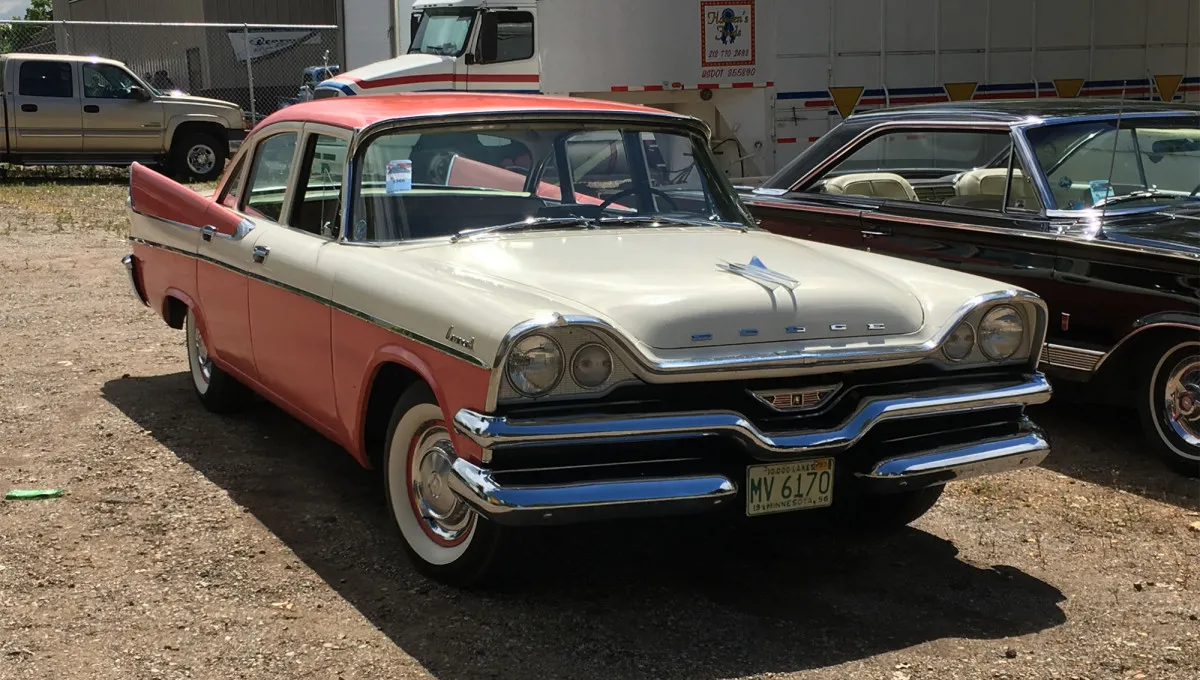
The 1957 Dodge: How “Autodynamics” Shaped One of Detroit’s Boldest Designs
The 1957 Dodge Looked Like a Dream Car, but Its Biggest Flaw Was Hiding Beneath the Surface.
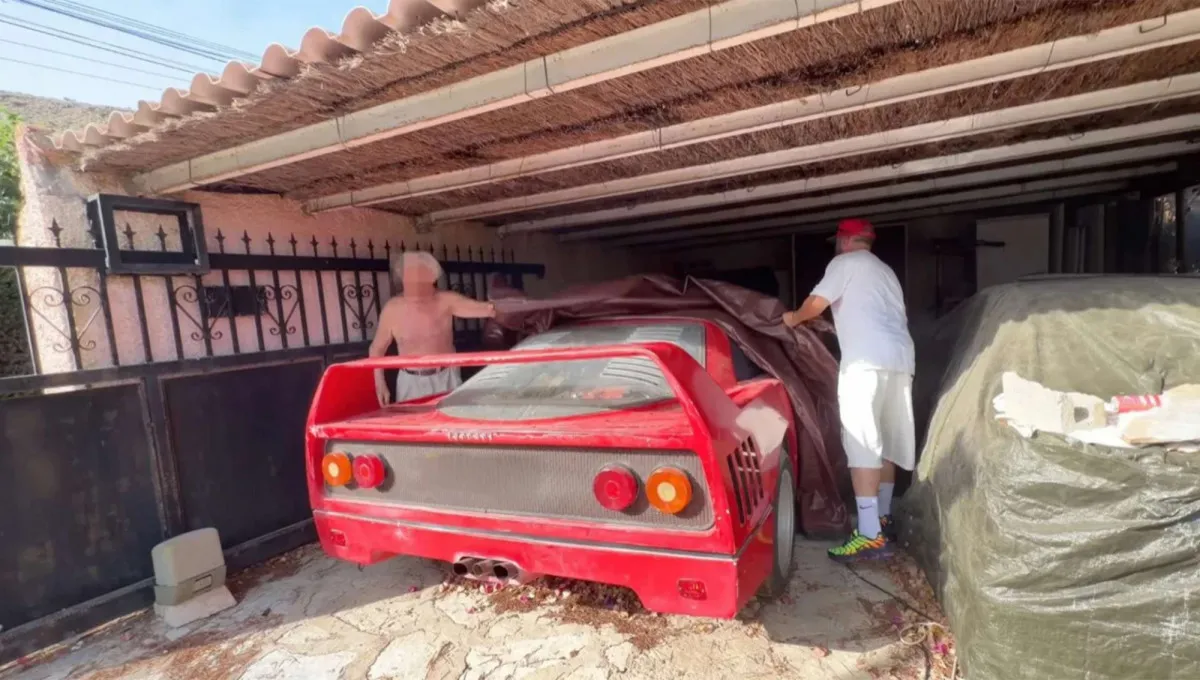
Two Ferrari F40s Spotted on Google Maps Turn Out to Be Pontiac Fiero Replicas
Two Ferrari F40 lookalikes spotted on Google Maps in Spain turned out to be replicas built on an American sports car.
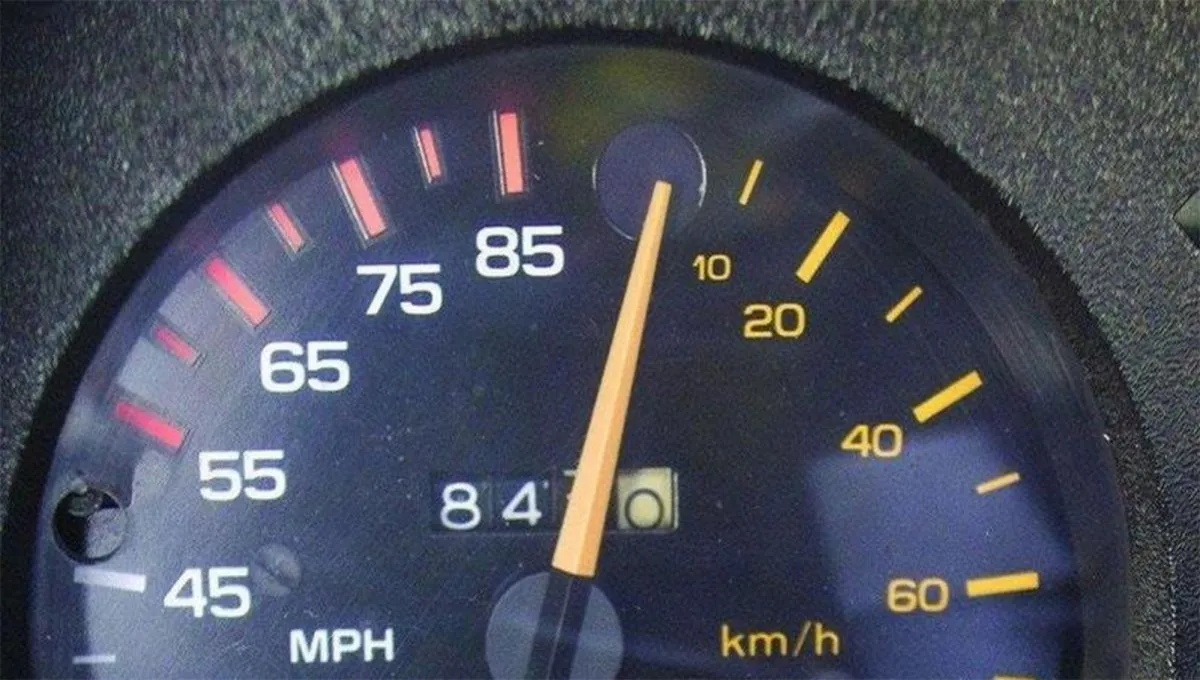
Your Speedometer Says 65 MPH, but Your GPS Says 62 — Here’s Why Your Car Does That
Your speedometer reads 65 mph, but your GPS says 62 mph. Here’s why the numbers rarely match.