
The 7 Parts of Your Car Most Likely to Rust First
Rust never sleeps. These seven hidden trouble spots are where corrosion usually starts — and where drivers rarely look in time.
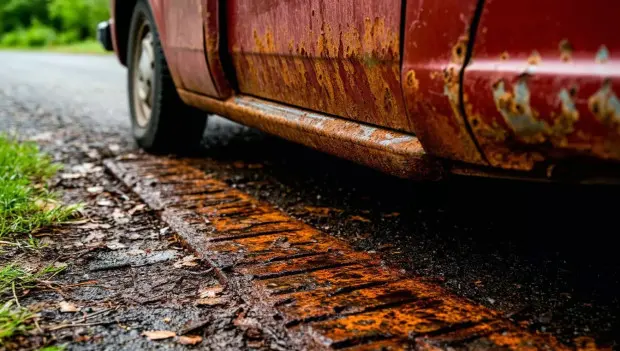
Corrosion remains one of the few automotive problems no manufacturer has completely solved. No matter how carefully a car is washed, waxed, or maintained, rust eventually finds a way in. The difference is whether drivers catch it early — or discover it only after serious damage has already spread.
Here are the seven areas of a vehicle body most vulnerable to corrosion and what owners should watch for before repairs become expensive.
1. Rocker Panels
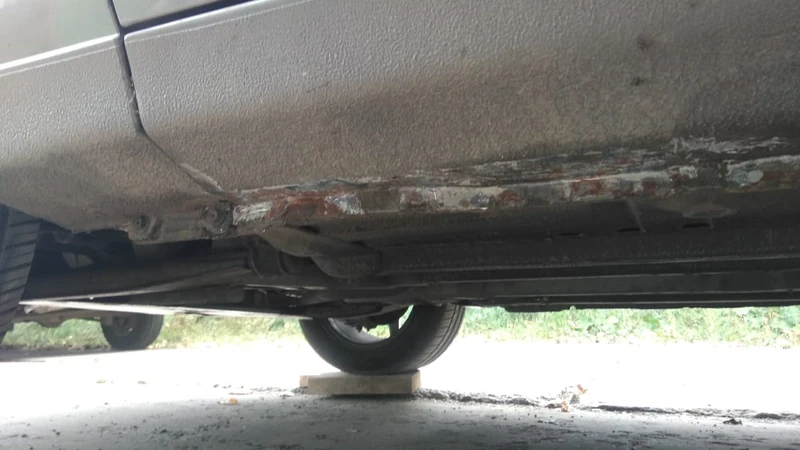
This is often ground zero for rust.
Rocker panels sit low along the sides of the vehicle and are constantly exposed to water, slush, road salt, and grime. The real danger is that corrosion inside the panels can remain invisible for years before finally eating through the metal.
Most drivers only notice the problem once the paint bubbles, flakes off, or holes begin appearing underneath the doors.
The issue comes down to design. Moisture seeps inside through drain holes, seams, and tiny cracks. Once trapped, water doesn’t fully evaporate, especially in colder climates where salted winter roads accelerate corrosion.
Missing drain plugs can make things even worse by allowing moisture to collect inside the cavities.
Poor underbody protection is another major factor. Without rustproofing or protective coatings, tiny chips and cracks expose bare metal to the elements.
If rust is caught early, the affected area can often be cleaned, treated, and sealed. But once the metal is fully compromised, sections usually need to be cut out and welded.
2. Drain Channels
Many drivers forget that cars are designed with drainage systems around windows, doors, and body panels.
Those channels can clog with dirt, leaves, pollen, insects, and debris, preventing water from escaping properly. Moisture then sits trapped inside body seams — creating ideal conditions for corrosion.
The solution is simple but often ignored: regular cleaning.
Flush drain channels with water pressure and occasionally clear door drains with a small brush or pipe cleaner to keep everything flowing freely.
3. Wheel Arches
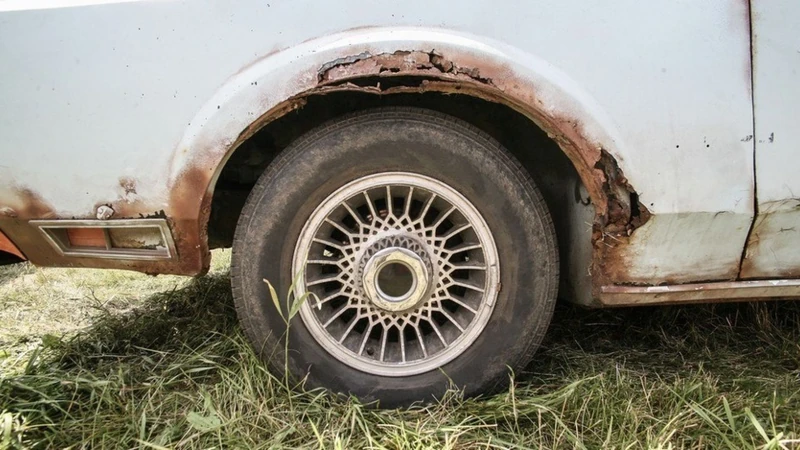
Wheel wells live in a constant war zone.
Every mile throws gravel, sand, mud, salt, and road debris directly against the inner fenders. Over time, those impacts create tiny chips and scratches that expose bare metal beneath the paint.
The problem usually starts subtly. Paint darkens or loses texture before small bubbles appear. Eventually, visible rust spots break through the surface.
Rust in wheel arches can often be stopped if treated early with sanding, rust inhibitor, and repainting. But once bubbling spreads beneath the paint, bodywork becomes far more complicated — and expensive.
The best prevention is regular cleaning. Removing inner liners a few times a year to wash out trapped dirt and salt can dramatically slow corrosion.
4. Strut Towers
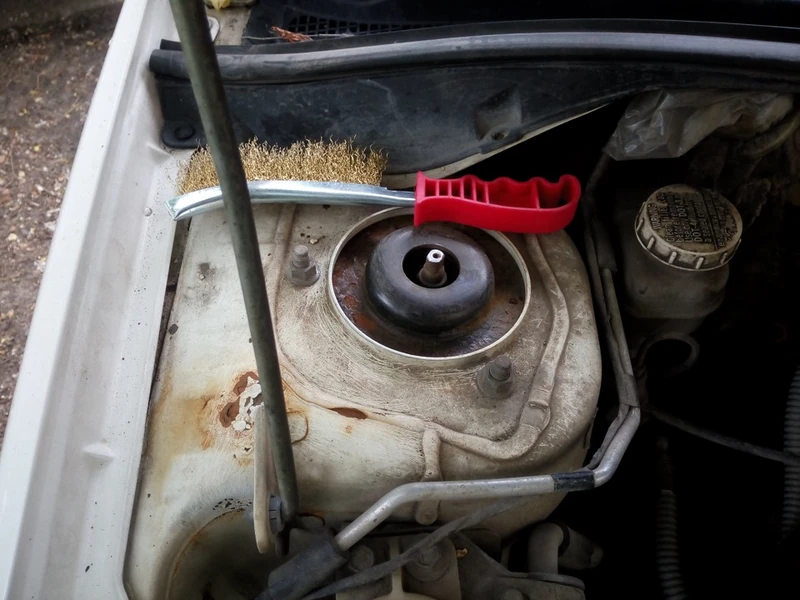
The upper mounting points for front suspension struts are another notorious rust hotspot.
Located under the hood in hard-to-reach areas, strut towers are difficult to inspect and even harder to clean properly. Constant suspension stress, age, moisture, and neglect can gradually weaken the metal.
In severe cases, corrosion can become dangerous enough for suspension components to break through weakened mounting points.
Repairing or replacing strut towers is labor-intensive and costly because much of the engine bay often needs to be disassembled to access the area.
That’s why regular inspections are critical — especially on older vehicles driven in snowy regions.
5. Windshield Frame
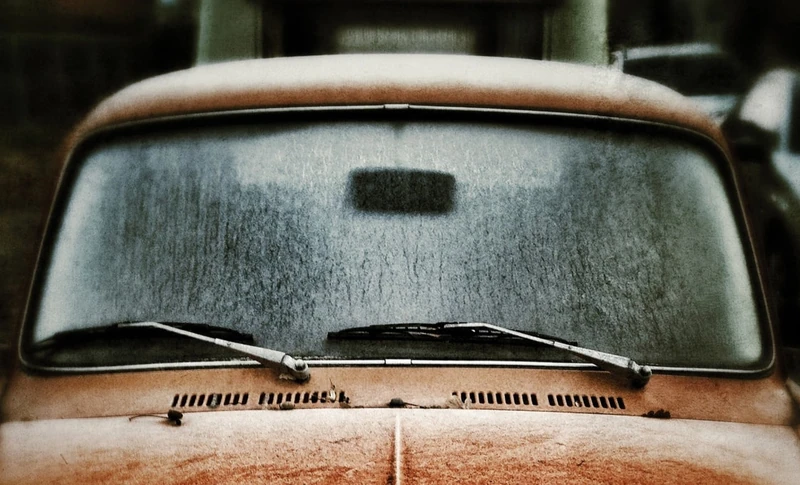
Rust around the windshield is one of the most frustrating problems for car owners.
Small rock chips, cracked seals, poor windshield installation, or improper adhesive work can allow moisture to creep beneath the glass. Once corrosion begins under the trim, repairs become expensive very quickly.
Fixing the issue often requires removing the windshield completely, cutting out damaged metal, and repainting surrounding sections of the body.
6. Spare Tire Well
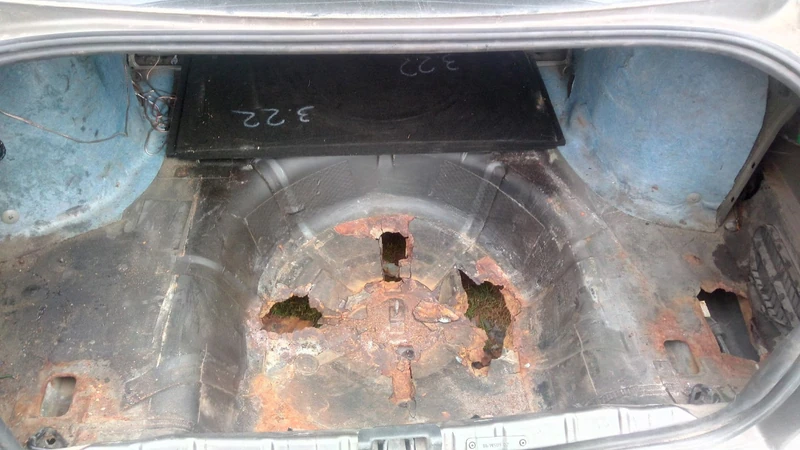
A lot of drivers assume the spare tire compartment is protected simply because it’s hidden inside the trunk.
Unfortunately, moisture and road salt can still find their way inside through small body seams or worn seals. Over time, water collects beneath the spare tire and slowly corrodes the trunk floor from the inside out.
Many owners don’t discover the damage until lifting the spare tire for the first time in years.
By then, the metal underneath may already need replacement.
Regularly removing the spare tire to clean and dry the compartment can prevent a surprisingly expensive repair later on.
7. Door Bottoms, Hinges, and Fasteners
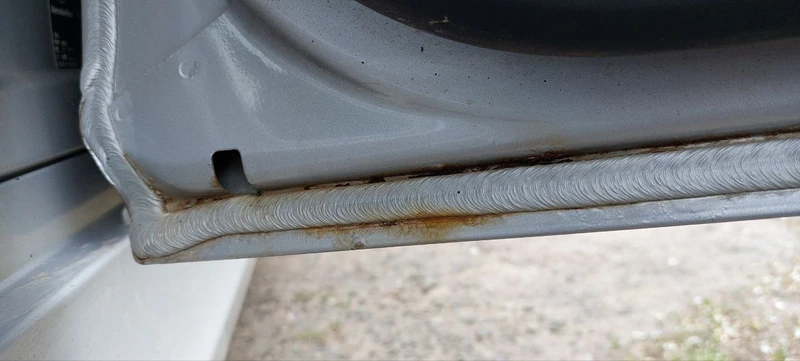
The lower edges of doors are constantly blasted with water, mud, and winter chemicals. If drain holes clog or moisture becomes trapped inside, corrosion begins spreading from the inside outward.
Door hinges and mounting hardware are also common rust points because protective grease wears away over time through normal use.
Once oxidation starts on moving metal components, corrosion can spread surprisingly quickly into surrounding areas.
Keeping hinges lubricated and inspecting mounting points regularly can help prevent small surface rust from turning into major structural damage.
You may also be interested in the news:

Why Stainless-Steel Bodies Never Replaced Conventional Steel in Mass-Market Cars
Stainless-steel bodies resist corrosion, but cost, manufacturing challenges, and styling constraints keep automakers using steel.
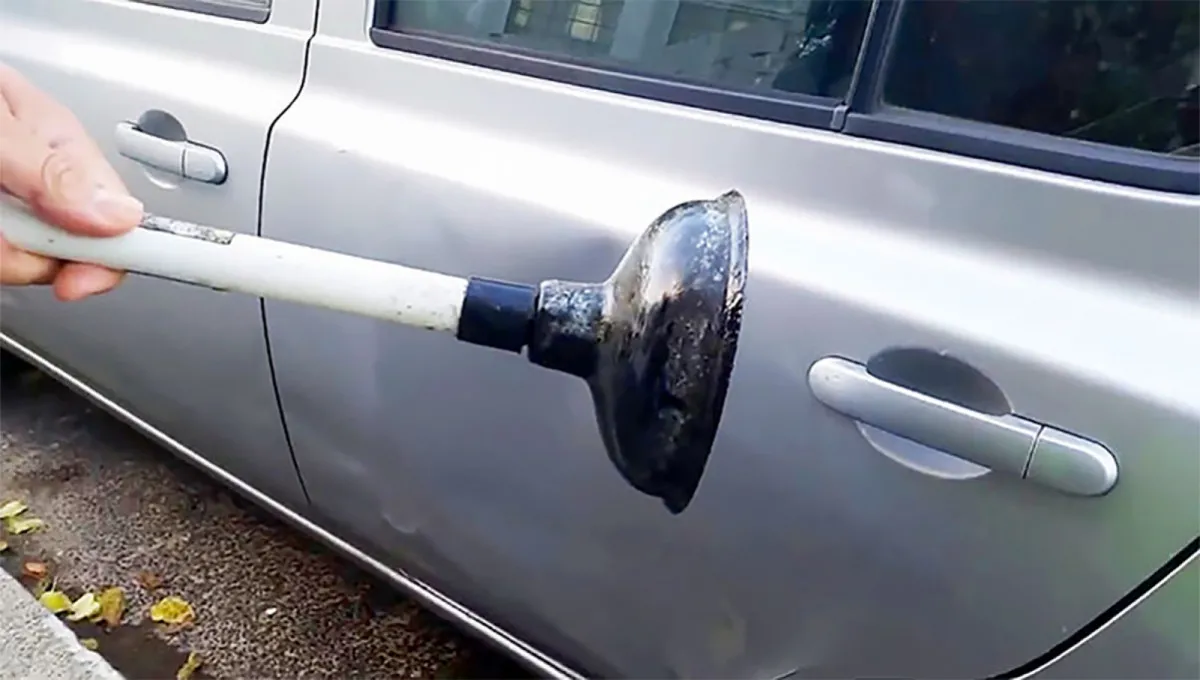
The $5 Trick That Could Fix a Big Dent in Your Car at Home
A large dent with no paint damage can often be repaired at home with a simple tool you probably already have.
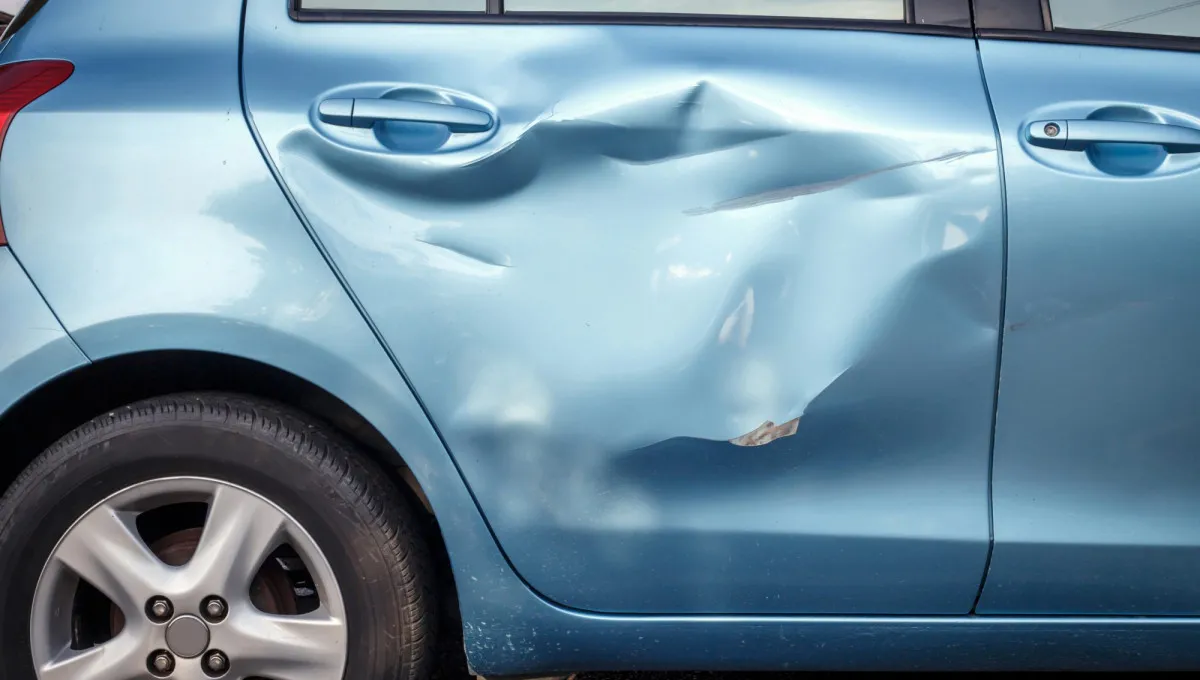
How to Easily Remove a Car Dent With Boiling Water and a Plunger
A simple dent-repair technique that can restore certain minor body dents without damaging the paint or requiring expensive tools.
6 Common Car-Washing Mistakes That Can Ruin Your Paint
These common car-washing mistakes can do more than leave your vehicle looking dirty—they can damage its paint.
Car Paint and Summer Heat: How Your Vehicle's Color Affects Cabin Temperatures
Your vehicle’s paint color does more than shape its appearance—it also plays a major role in how hot it gets.