
So Similar Yet So Different: What Separates a Spoiler From a Wing
Spoilers and rear wings may look alike, but they serve very different aerodynamic purposes on a car.
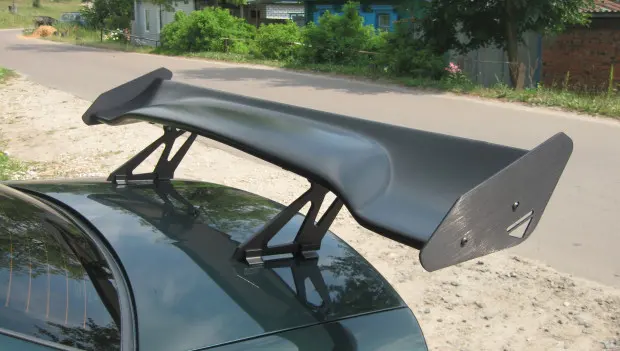
There are two aerodynamic components often found on performance cars that many drivers confuse: the spoiler and the rear wing. At first glance, the two parts look nearly identical, which is why even experienced car enthusiasts sometimes mix them up. But despite their similar appearance, they serve different purposes.
Both spoilers and rear wings are typically mounted on the trunk lid and feature a horizontal design. Their simple shapes and similar placement make them easy to mistake for one another. The real difference lies in how each component affects airflow and vehicle performance.
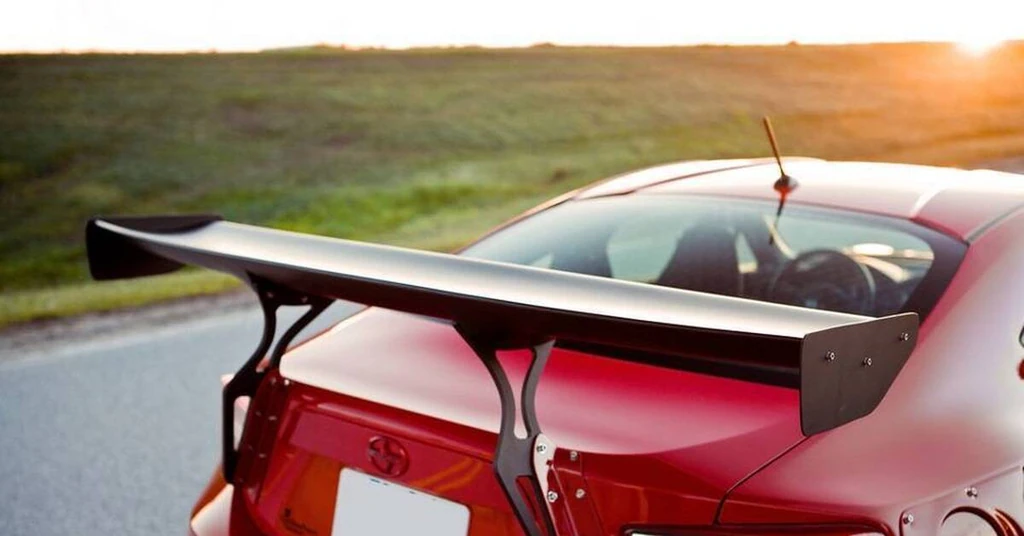
A rear wing is not just a styling accessory. As the name suggests, it is designed to generate downforce. This happens because air pressure differs between the upper and lower surfaces of the wing. Air traveling underneath the wing moves faster and over a longer path due to the wing’s shape, creating lower pressure beneath it. That pressure difference pushes the car downward, improving traction and high-speed stability.
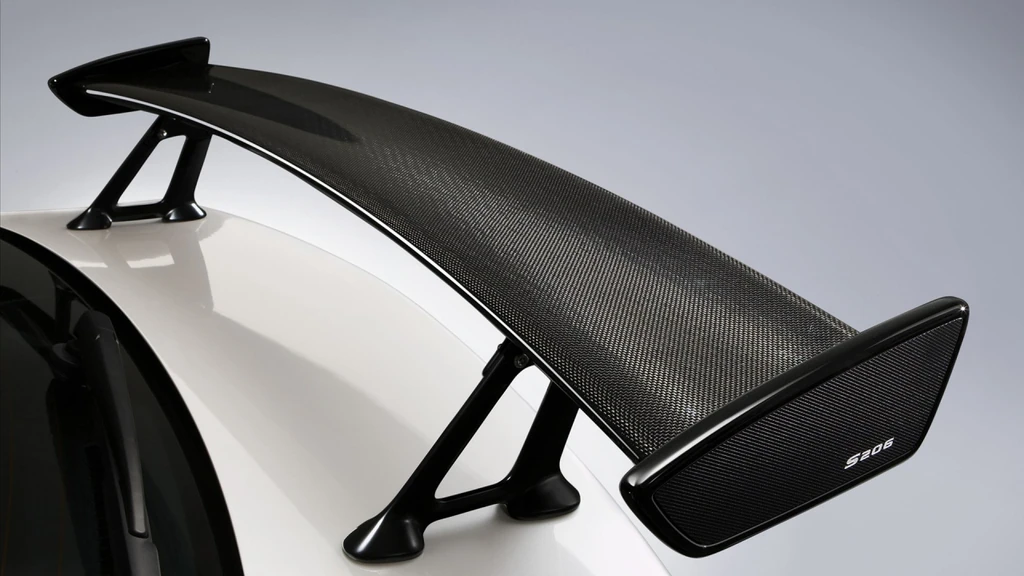
To work properly, a rear wing must sit above a flat surface, such as the trunk lid, where clean airflow can pass around it. The added downforce helps improve handling, cornering grip, and overall aerodynamic performance.
A spoiler, on the other hand, improves aerodynamics in a completely different way. Rather than generating downforce directly, its main job is to reduce turbulent airflow that forms behind the rear edge of the vehicle. By minimizing those air vortices, a spoiler helps smooth airflow over the body of the car.
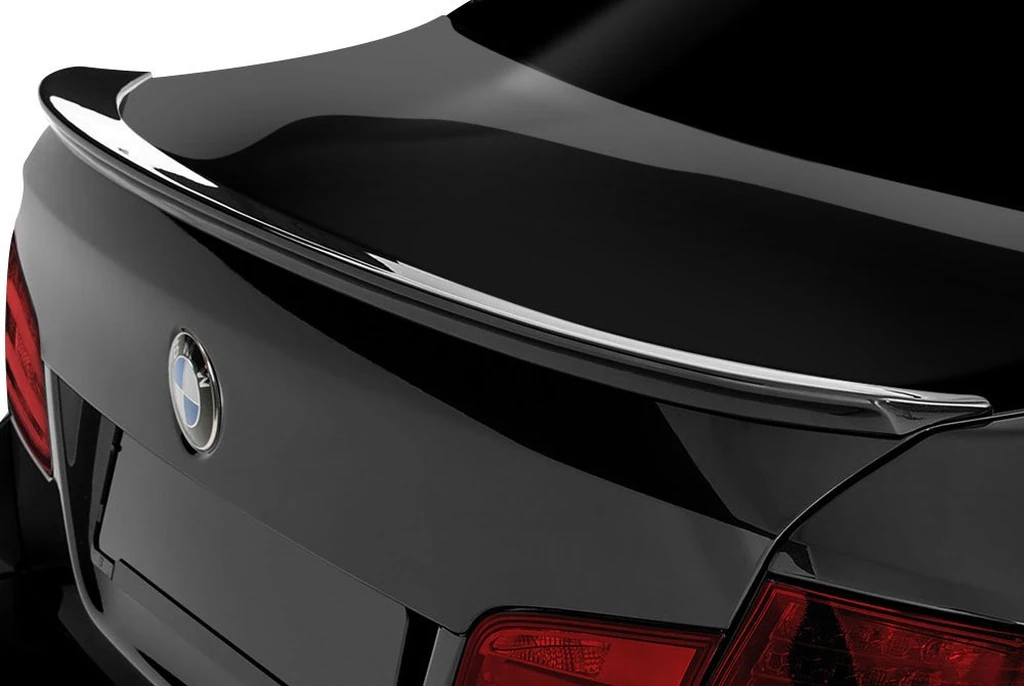
Reducing turbulence can improve aerodynamic efficiency, which may contribute to better fuel economy and improved high-speed performance. While spoilers are often associated with sporty styling, they also serve a practical engineering purpose beyond appearance alone.
You may also be interested in the news:
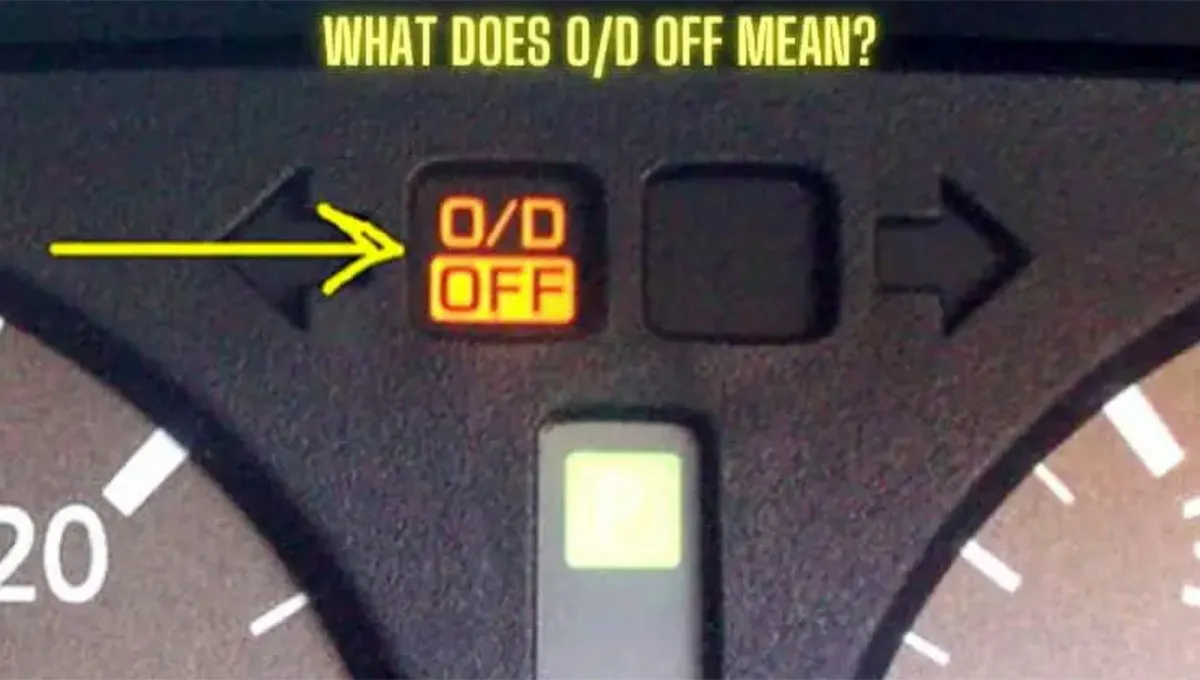
That O/D OFF Button in Your Car Has a Purpose—Here’s When You Actually Need to Press It
That mysterious O/D OFF button isn't a warning of transmission trouble—it can actually make driving easier in specific situations.
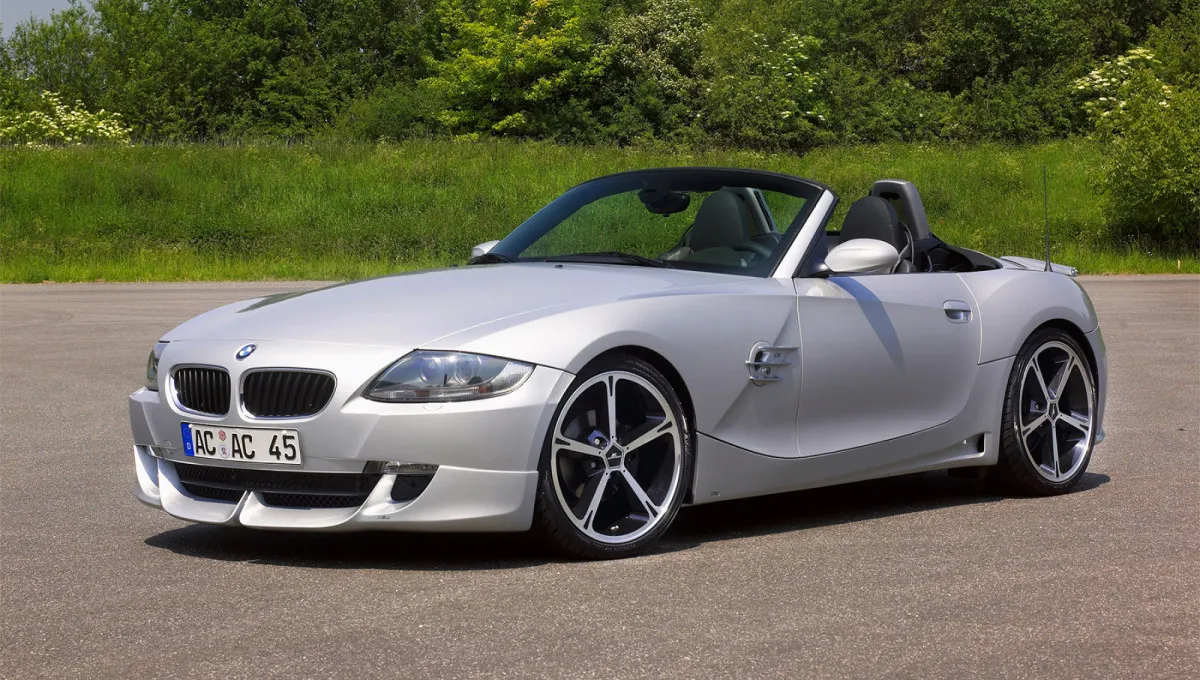
7 Cars That Should Have Been Legends — But One Big Flaw Held Them Back
Some cars had the styling, performance and character to become icons, but one glaring weakness kept them just short of legendary status.

These 5 Automakers Still Refuse to Build an SUV
SUVs and crossovers now account for roughly 61% of new-vehicle sales in the U.S., yet these five automakers continue to avoid the segment.

You've Seen These Black-and-Yellow Road Markers—But Do You Know What They Really Mean?
Those familiar black-and-yellow road markers quietly tell drivers which direction to take around roadside obstacles.
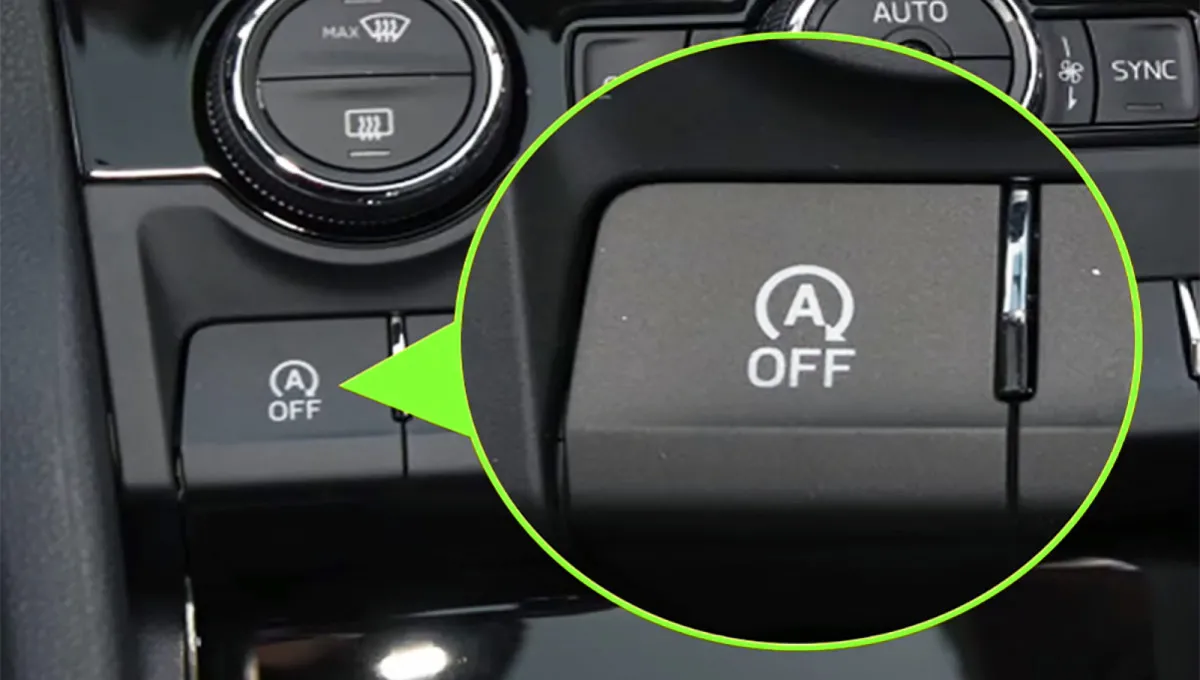
Start/Stop Systems Are Everywhere — But Are They Really Saving You Gas or Wearing Out Your Engine?
Does start-stop technology really save fuel, and does it put extra wear on the engine? Here’s what drivers need to know.