
Mitsubishi Triton Savana Is an Off-Road Pickup Built Exclusively for South America
Mitsubishi created an ultra-limited off-road version of the Triton pickup, but only 80 examples will ever be produced.
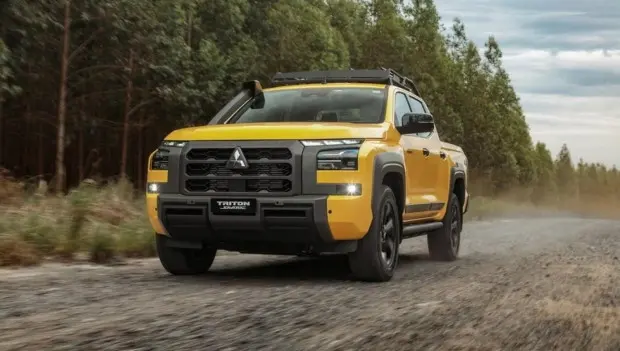
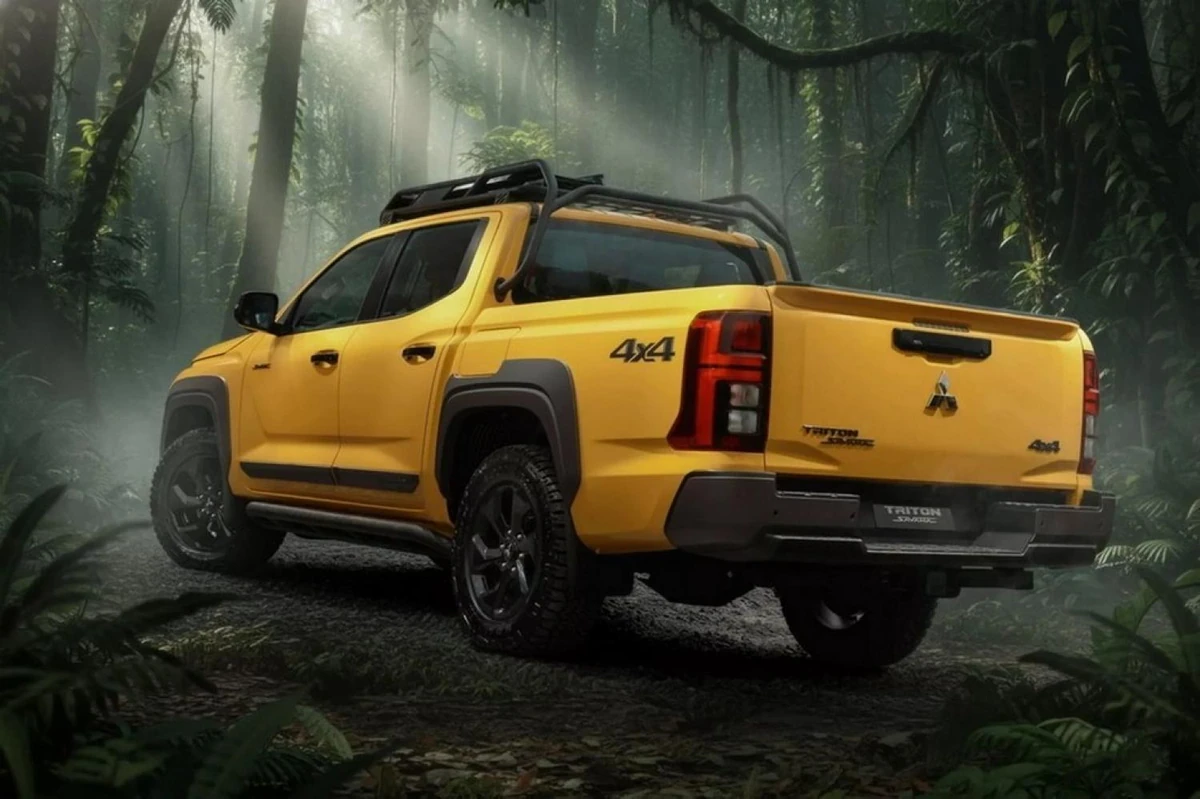
Earlier this year, Mitsubishi Motors launched the toughest version of its Mitsubishi Triton pickup yet in Brazil. Known as the Triton Savana, the special edition was engineered specifically for serious off-road use — but there’s a catch. It will only be sold in South America, and production is limited to just 80 trucks.
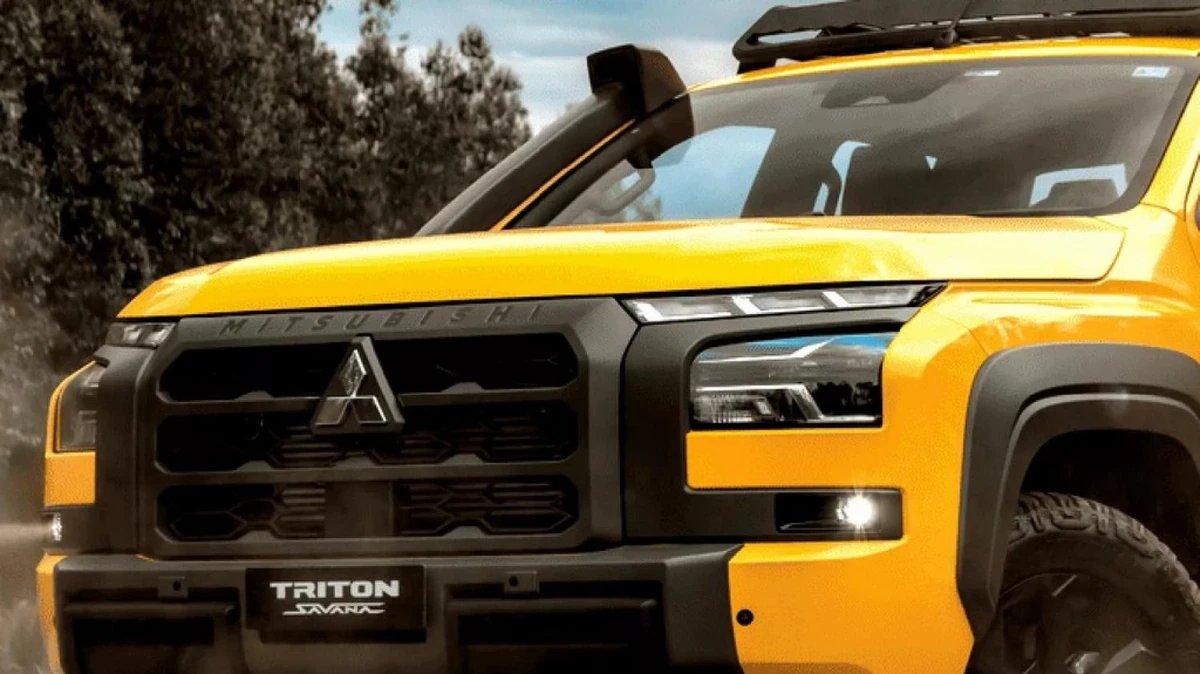
The Savana starts with the range-topping Katana trim, but Mitsubishi gave the pickup a far more aggressive personality. Buyers can choose between two exclusive exterior colors: Rally Yellow and Forest Green.
The upgrades go far beyond paint, however. Matte graphite-gray body cladding protects the truck from rocks and trail damage, while heavy-duty side steps double as rocker panel protection during off-road driving.
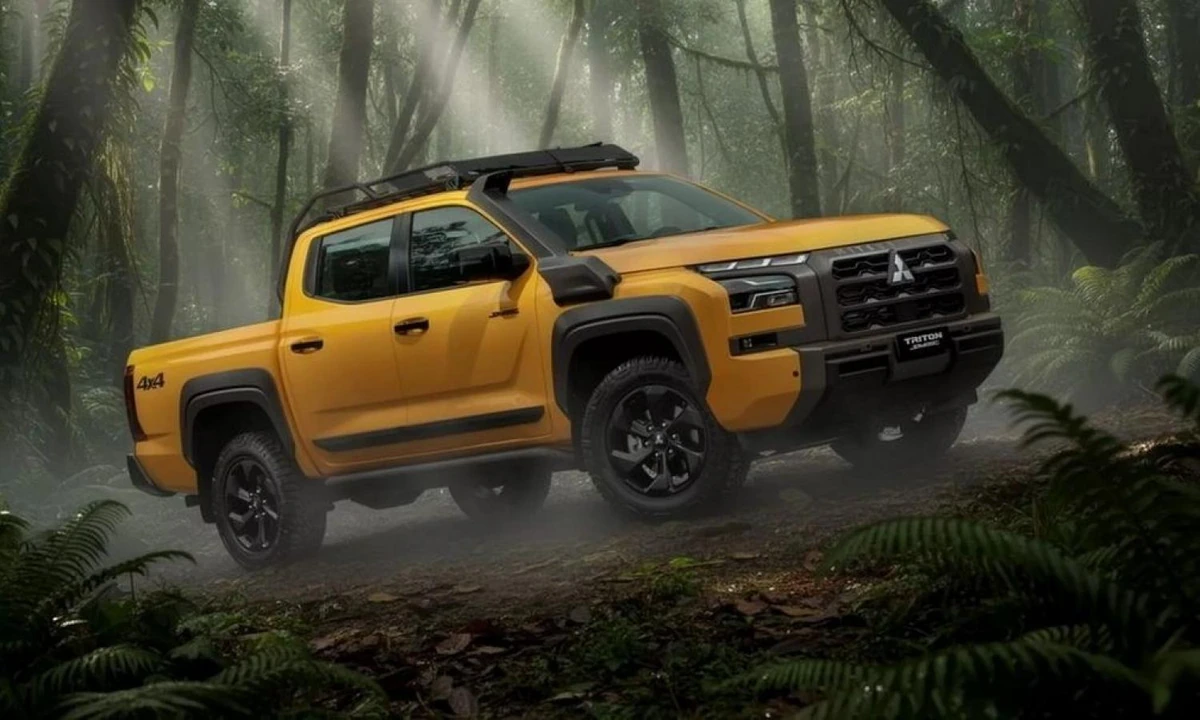
Built for Serious Adventures
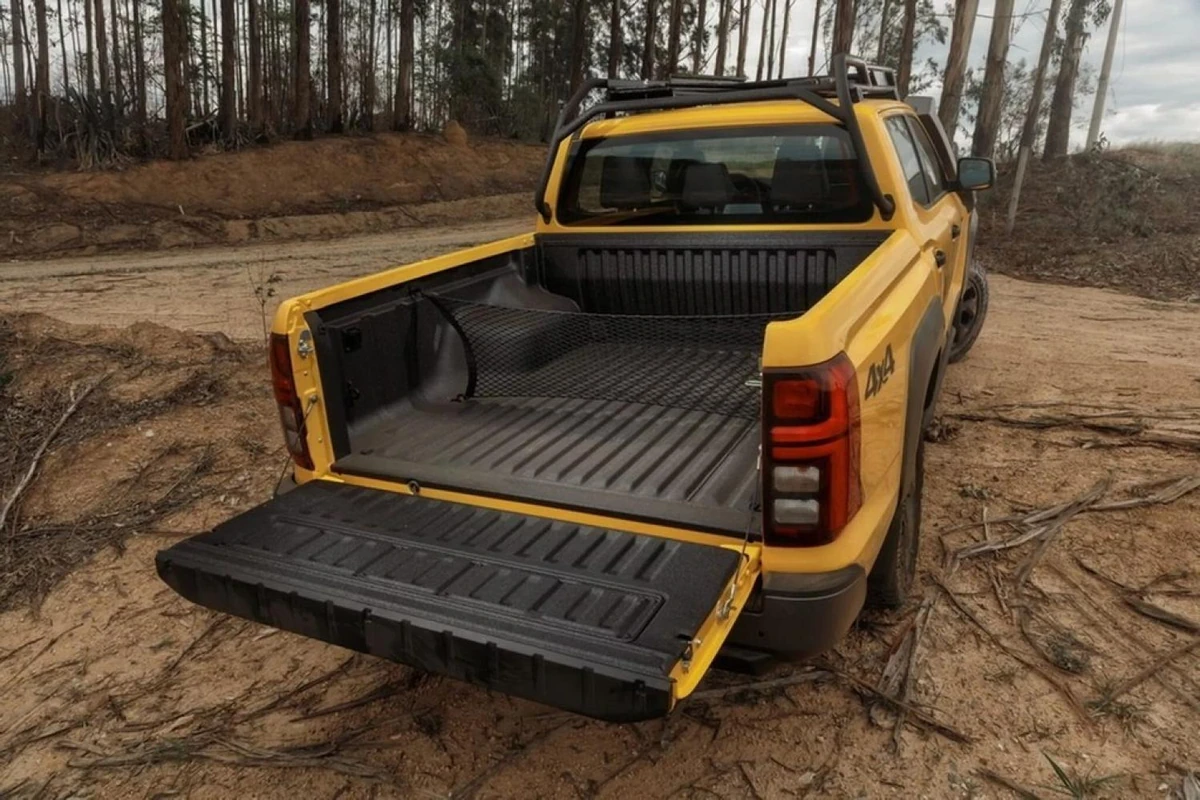
Unlike many appearance packages, the Savana was designed with functionality in mind.
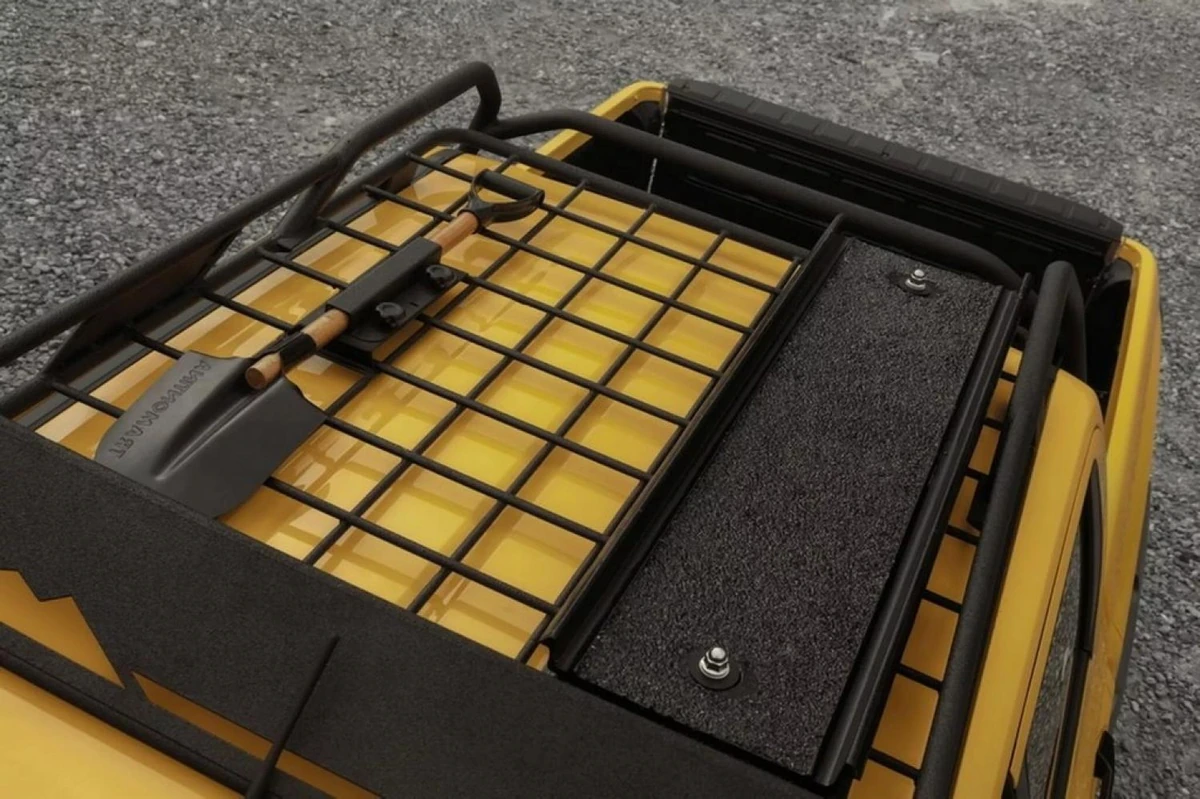
A roof rack comes standard for carrying expedition gear, while a fully functional snorkel mounted along the A-pillar significantly improves water-fording capability. Thanks to the snorkel setup, maximum fording depth increases from roughly 20 inches to more than 31 inches, allowing the truck to tackle rivers and deep streams with far greater confidence.
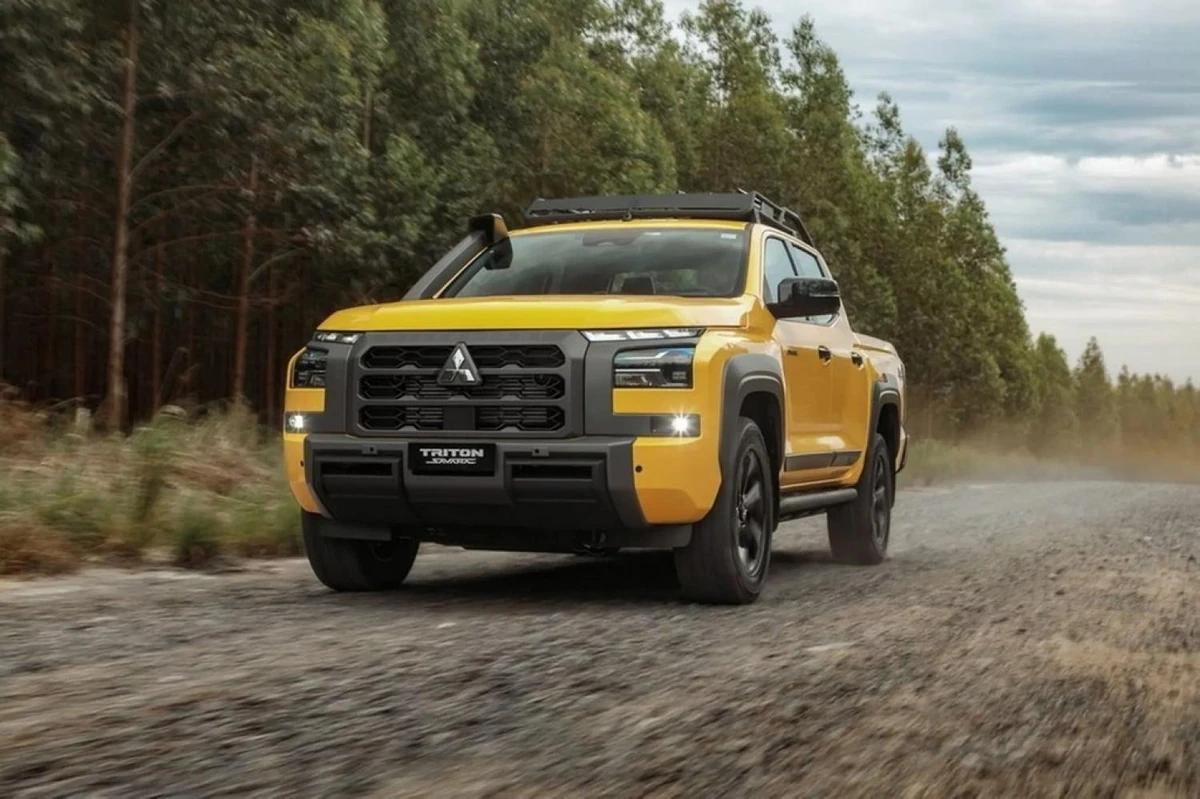
The pickup also rides on black 18-inch alloy wheels wrapped in aggressive Goodyear Wrangler Duratrac RT off-road tires. Interestingly, previous Savana models used simpler steel wheels, highlighting how Mitsubishi’s approach to the package has evolved over time.
Familiar Diesel Power Under the Hood
Power comes from Mitsubishi’s familiar 2.4-liter twin-turbo diesel engine producing 202 horsepower and 347 lb-ft of torque. The engine is paired with an eight-speed automatic transmission and the company’s Super Select II four-wheel-drive system.
Drivers can choose from seven different drive modes depending on terrain conditions, including sand, mud, and slippery surfaces.
Mitsubishi engineers left the suspension largely unchanged, believing the standard Katana setup already provided enough capability for the truck’s intended purpose.
Well-Equipped Interior
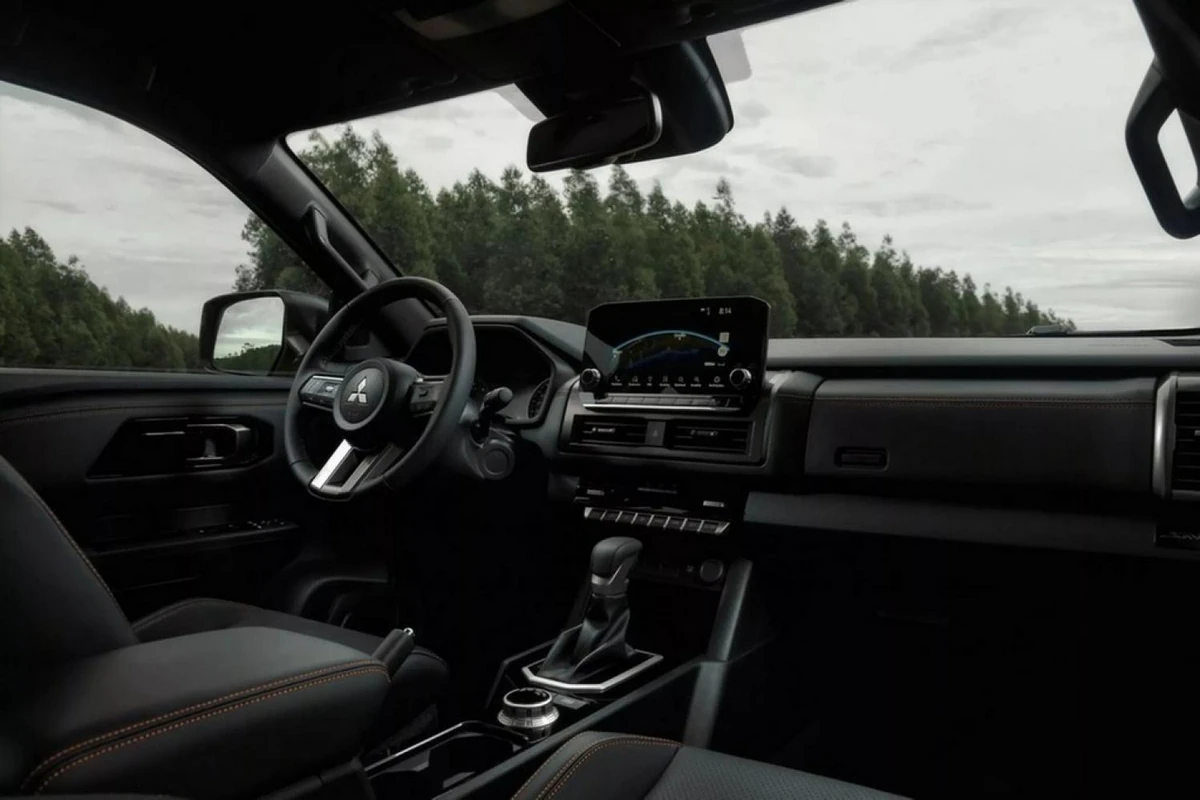
Inside, the Savana largely carries over the premium features found in the Katana trim. The cabin includes leather seats with red stitching, a 9-inch infotainment system, a 7-inch driver display, and wireless smartphone charging.
Comfort features include dual-zone climate control, while safety equipment includes seven airbags, a 360-degree camera system, and a full suite of advanced driver assistance technologies.
Limited Production and Premium Pricing
Pricing for the Triton Savana starts at approximately $63,000, making it about $2,000 more expensive than the standard Katana model in Brazil.
Mitsubishi says the higher price reflects the truck’s unique off-road equipment and exclusive production run.
Unfortunately for buyers outside South America, the Triton Savana is expected to remain a Brazil-only special edition with no plans for export to other markets.
You may also be interested in the news:
This Jeep SUV Looks Familiar, But What’s Underneath Turns It Into a Serious Off-Road Machine
A legendary SUV is back with a serious off-road package designed for rocks, mud, deep water and rough terrain.
Honda May Be Building an SUV So Big It Could Rival America’s Biggest Three-Row Models
Honda could be preparing a much larger three-row SUV, potentially stretching nearly as long as a full-size American SUV.
The New Range Rover Sport Electric Is Here: Two Motors, 550 HP and Virtual AWD
The new electric SUV combines two motors, serious off-road capability and the premium comfort expected from Range Rover.
2027 GMC Sierra 1500 AT4: Pricing, Engines, Off-Road Equipment and Features
The 2027 GMC Sierra 1500 AT4 combines serious off-road hardware with a luxurious cabin and advanced technology.
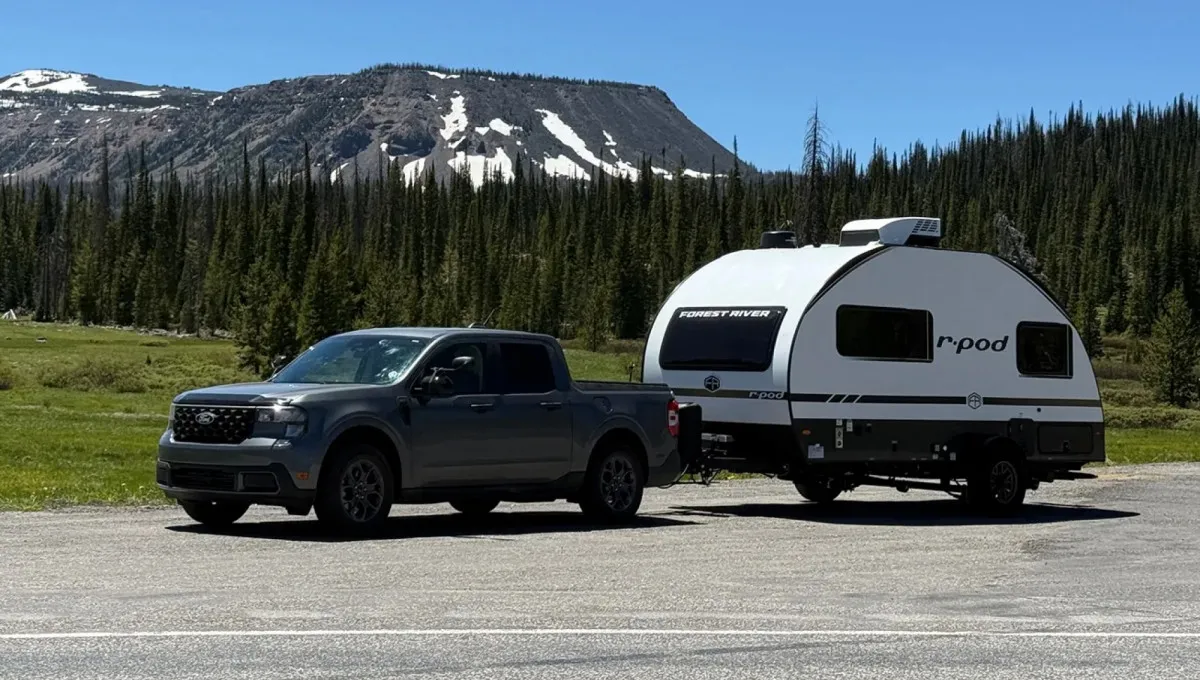
A Ford Maverick Towed a 3,200-Pound Camper 6,500 Miles—Then Wyoming Winds Changed Everything
A Ford Maverick hauled a 3,200-pound camper across 6,500 miles, with Wyoming winds causing concern.