
2027 BMW X5 to Offer Five Powertrain Choices, Including EV and Hydrogen Models
BMW has revealed early details about the next-generation X5, which will debut with five powertrain options.
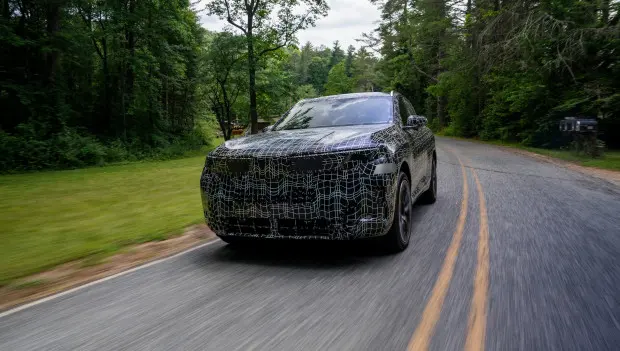
Ever since BMW entered the SUV segment in 1999 with the original X5, the German automaker has treated the model as one of its flagship products. The SUV proved immensely successful, spawning both smaller and larger siblings while remaining a key part of BMW's lineup without interruption. Now, the iconic Sports Activity Vehicle is preparing for one of the biggest transformations in its history.
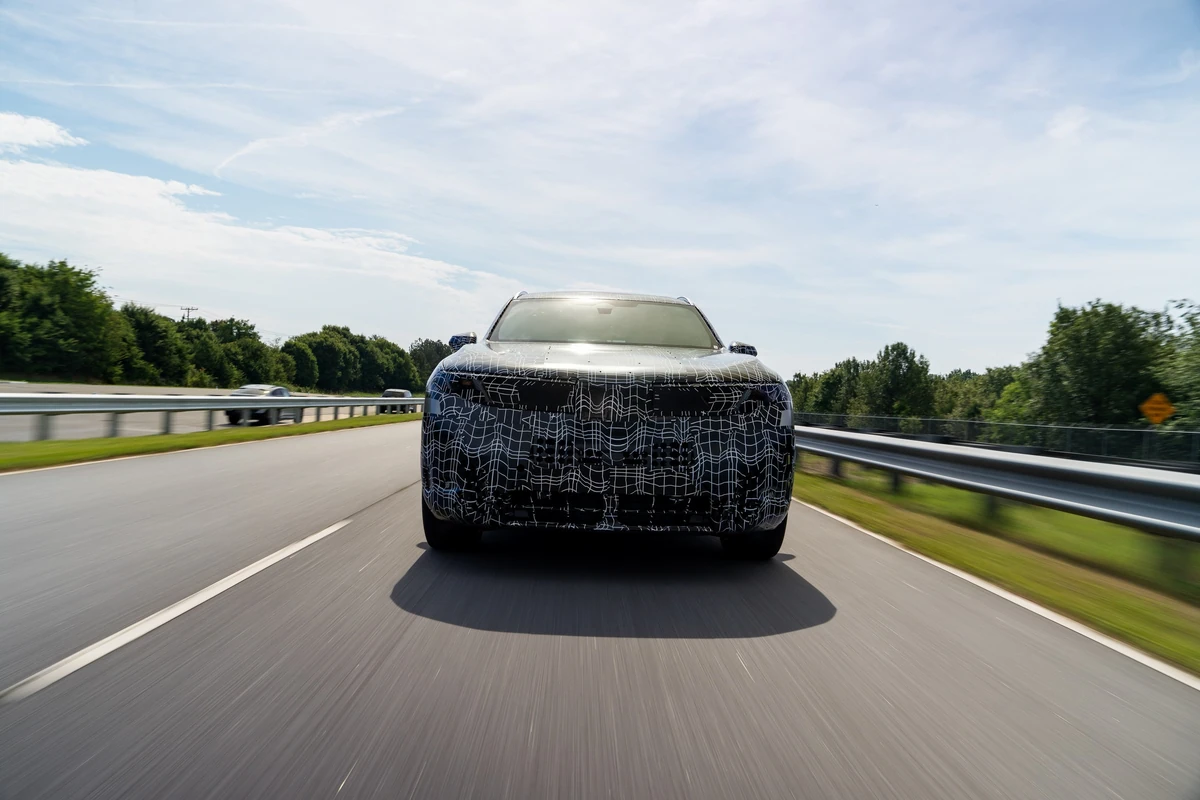
Four generations of the X5 have come and gone, and the fifth generation is now approaching its official debut. This isn't just another redesign. BMW says the new model will introduce sweeping changes, from the electronic architecture controlling the vehicle to an unprecedented variety of powertrain choices.
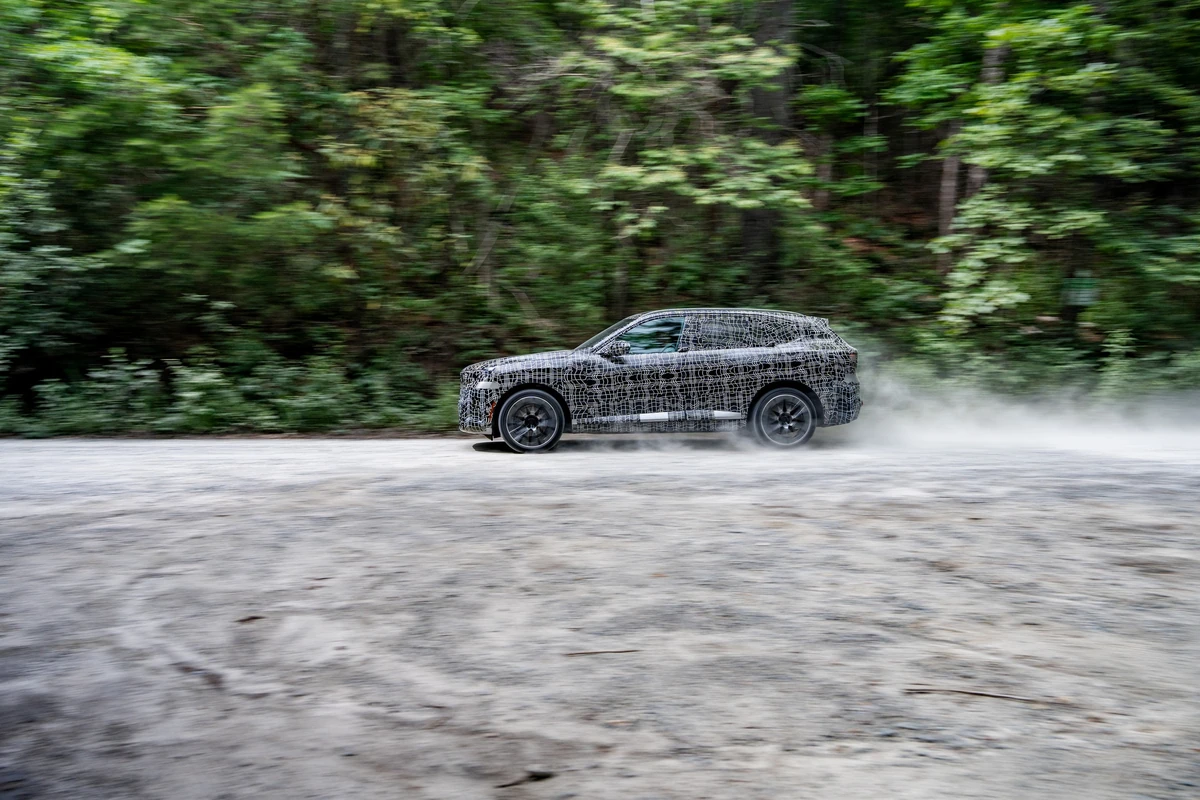
Development of the next-generation X5 is entering its final phase, with the official unveiling expected before the end of the year. BMW recently confirmed that final validation and calibration tests are underway at BMW Group Plant Spartanburg in South Carolina.
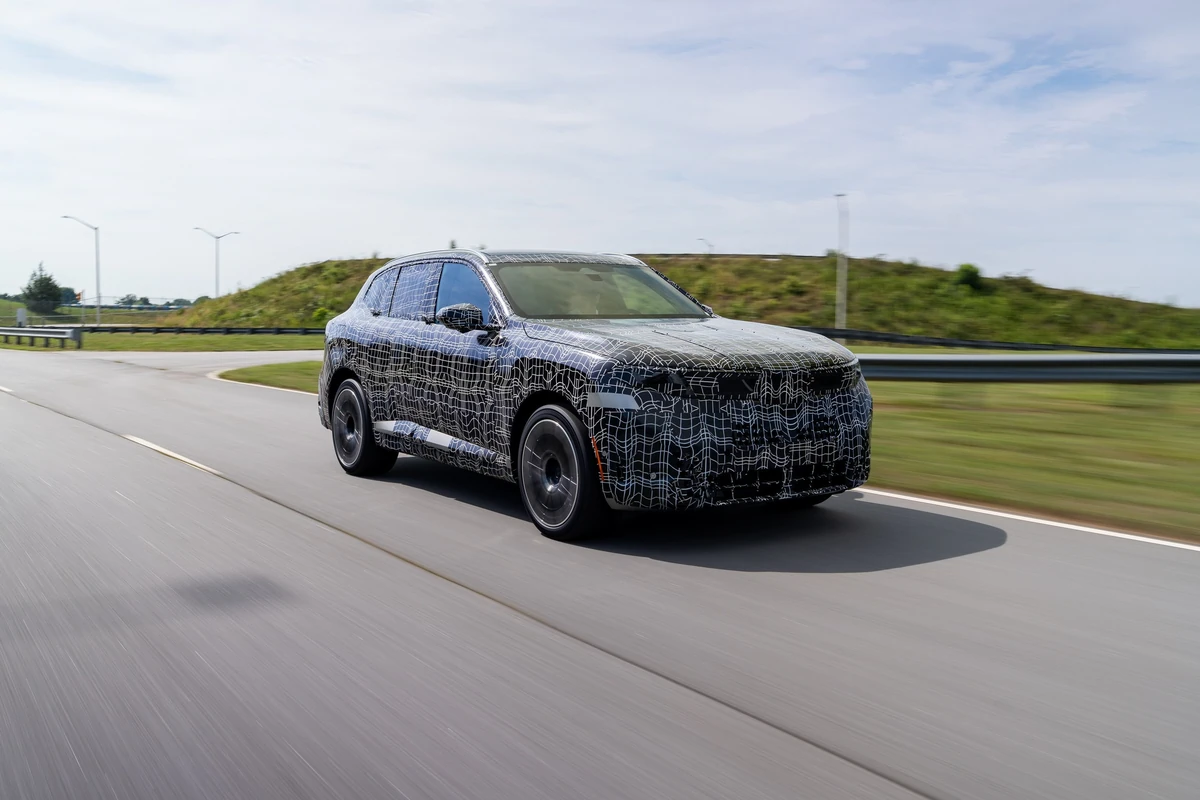
Alongside that announcement, the automaker shared several new details about the upcoming SUV family. Perhaps the biggest surprise is that the next X5 will become BMW's first production model available with five distinct propulsion systems.
In short, buyers will have plenty of options. There will be a fully electric version, a hydrogen-powered variant, a plug-in hybrid, and traditional gasoline and diesel models, both of which will feature 48-volt mild-hybrid technology.
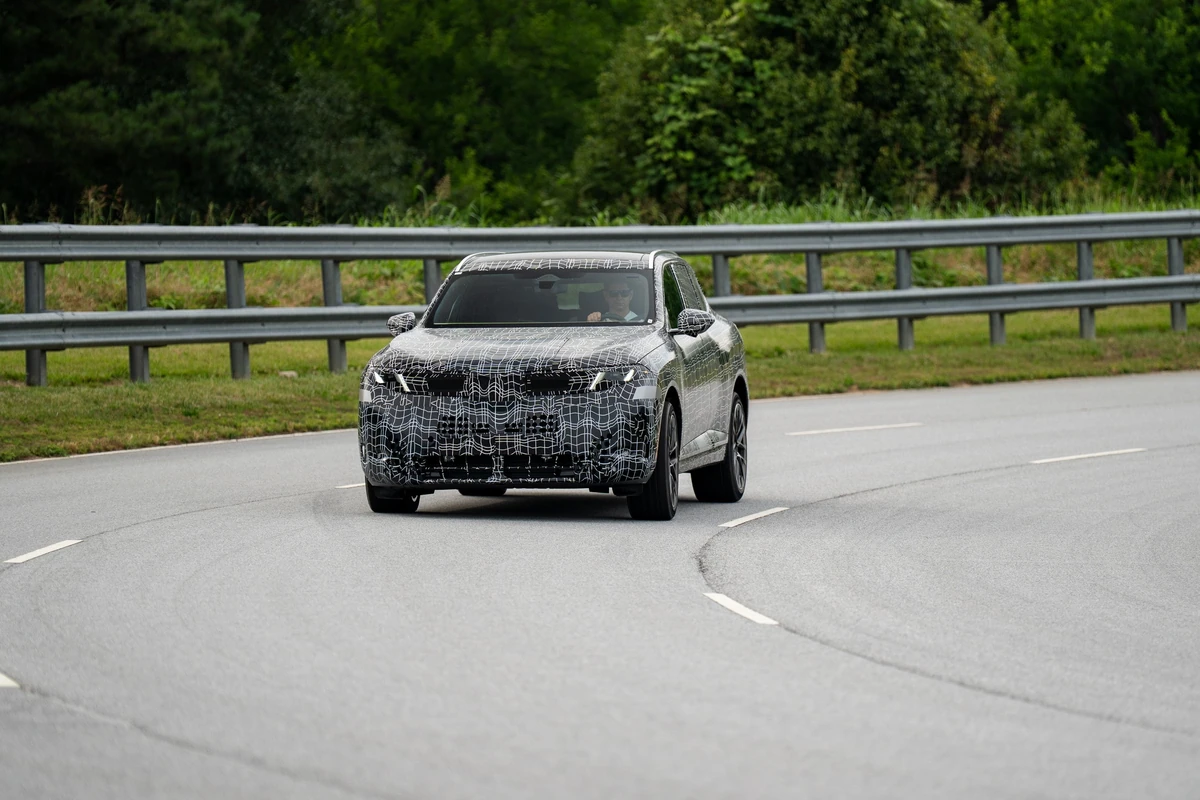
The first version scheduled to arrive will be the all-electric model. Known as the BMW iX5, it will utilize the sixth-generation eDrive system developed for the Neue Klasse family. The flagship iX5 60 xDrive will carry the largest battery pack ever installed in a production electric BMW, with usable capacity rated at 144 kWh in the U.S. and 141 kWh in Europe.
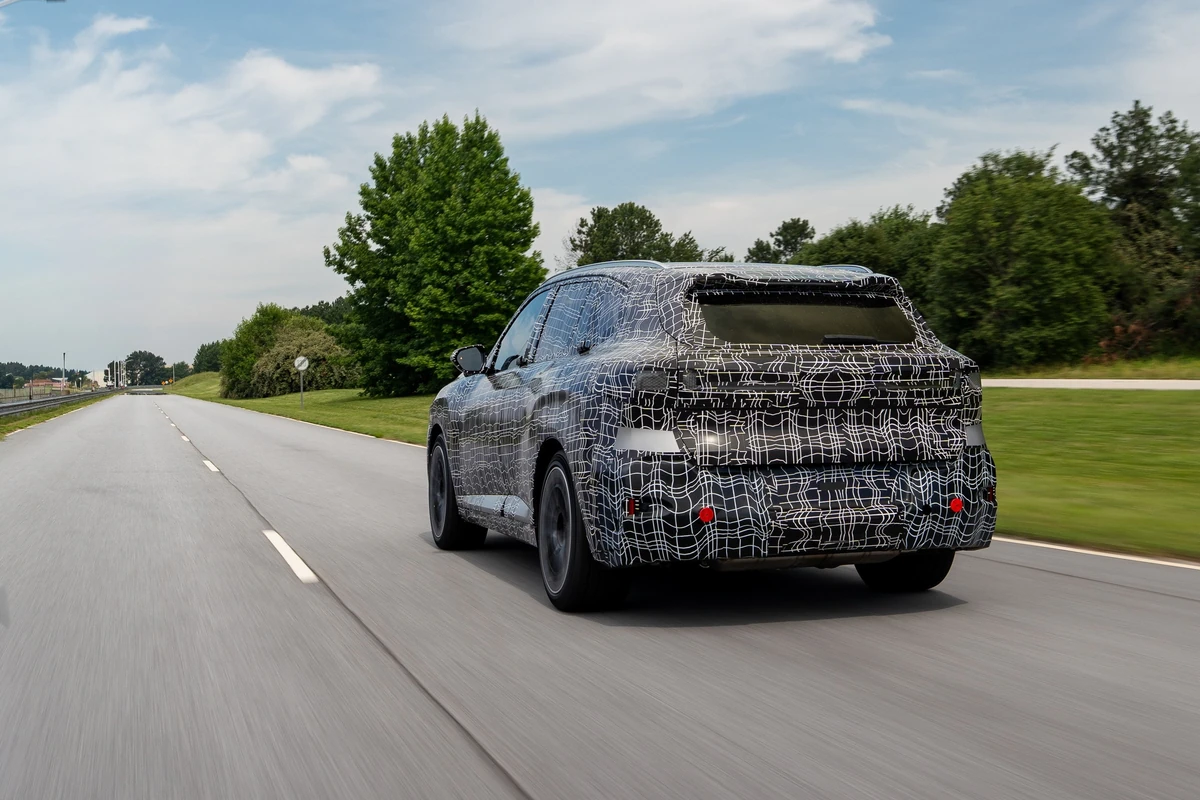
BMW hasn't released official range estimates yet, but expectations are high. The iX5 60 xDrive will use dual electric motors—one mounted at the front axle and another at the rear—for a combined output of 578 horsepower.
By 2028, BMW plans to launch the second unconventional member of the lineup: the hydrogen-powered iX5 Hydrogen. Although the company has spent years testing fuel-cell technology, this will mark the first hydrogen BMW to enter full-scale production.
The SUV will use a fuel-cell system called Flat Storage, paired with a high-voltage battery. The design consists of seven carbon-fiber high-pressure tanks connected in parallel and secured by a metal frame.
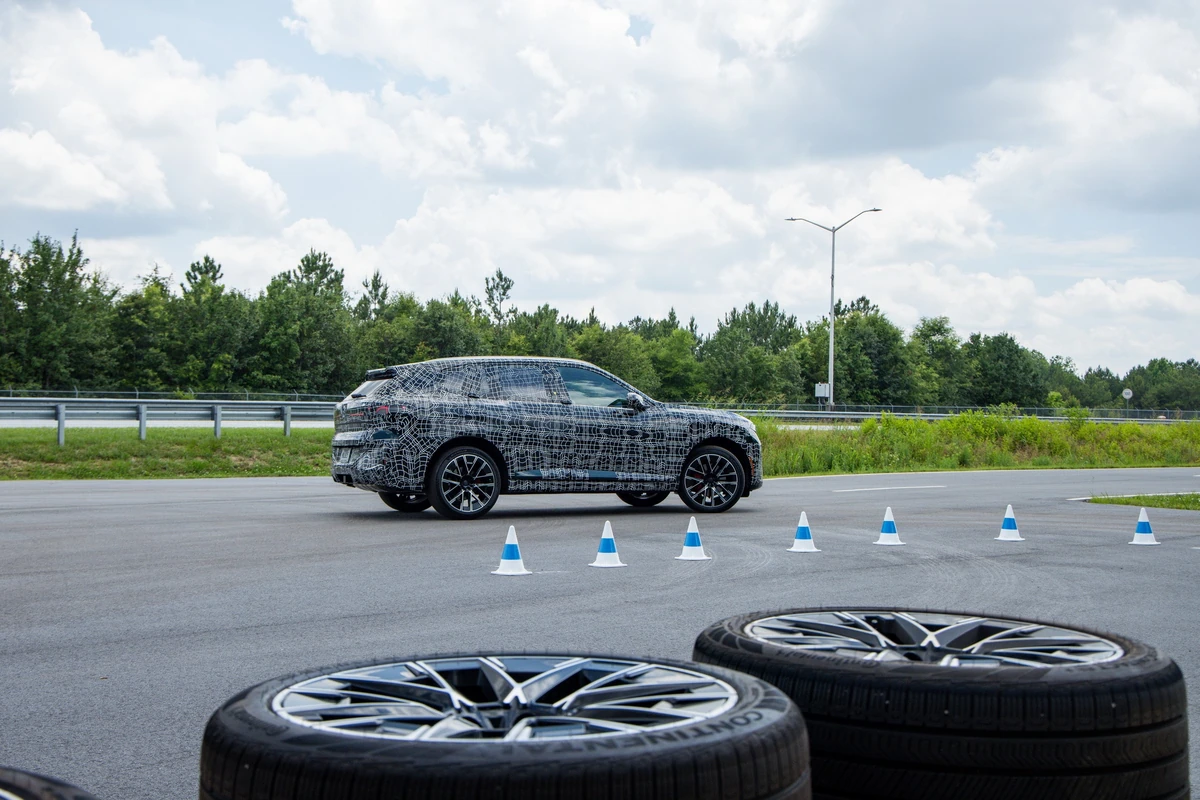
According to BMW, this arrangement maximizes interior space and allows the hydrogen system to be built alongside conventional drivetrains on the same assembly line, helping reduce manufacturing costs.
BMW has yet to disclose detailed performance figures for the iX5 Hydrogen. During recent demonstrations attended by members of the media, the company showcased the gasoline-powered X5 40 xDrive, producing 400 horsepower, and the X5 50e xDrive plug-in hybrid, rated at 490 horsepower. BMW has not said exactly when those versions will arrive.
Regardless of what powers it, every next-generation X5 will benefit from technology borrowed from the Neue Klasse program. That includes the new Heart of Joy central computer and the BMW Dynamic Performance Control software stack.
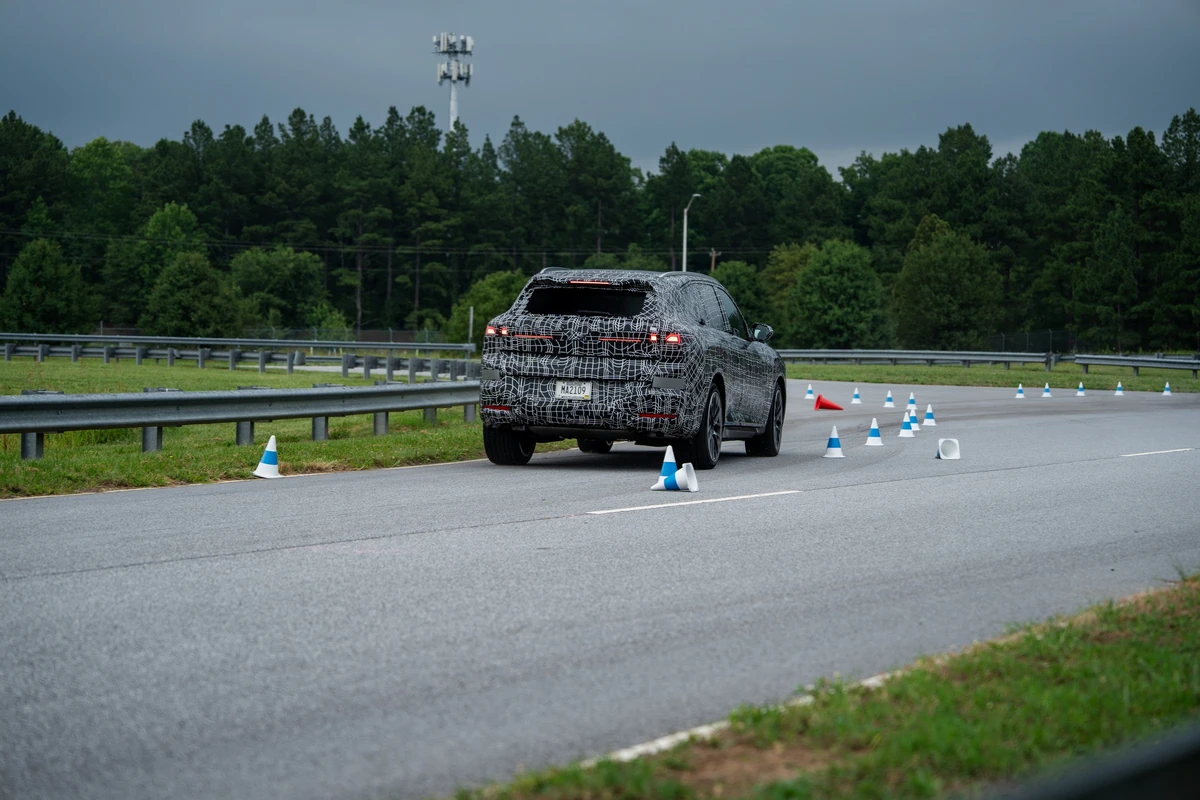
BMW claims the in-house system is ten times faster than previous generations, allowing quicker responses from the powertrain, steering, brakes, charging system, and energy recuperation functions.
The redesigned SUV will also ride on larger wheels, with sizes reaching up to 23 inches. Adaptive suspension with individually controlled dampers will be standard across the range.

Unlike some rivals that are chasing higher levels of self-driving capability, BMW will stick with SAE Level 2 driver-assistance systems, several of which have already been previewed on Neue Klasse concepts.
To accompany the announcement, BMW released a series of images showing heavily camouflaged prototypes. While the bodywork remains hidden, the photos provide a clear idea of the SUV's overall proportions.
One thing is obvious already: the next X5 is going to be big.
You may also be interested in the news:
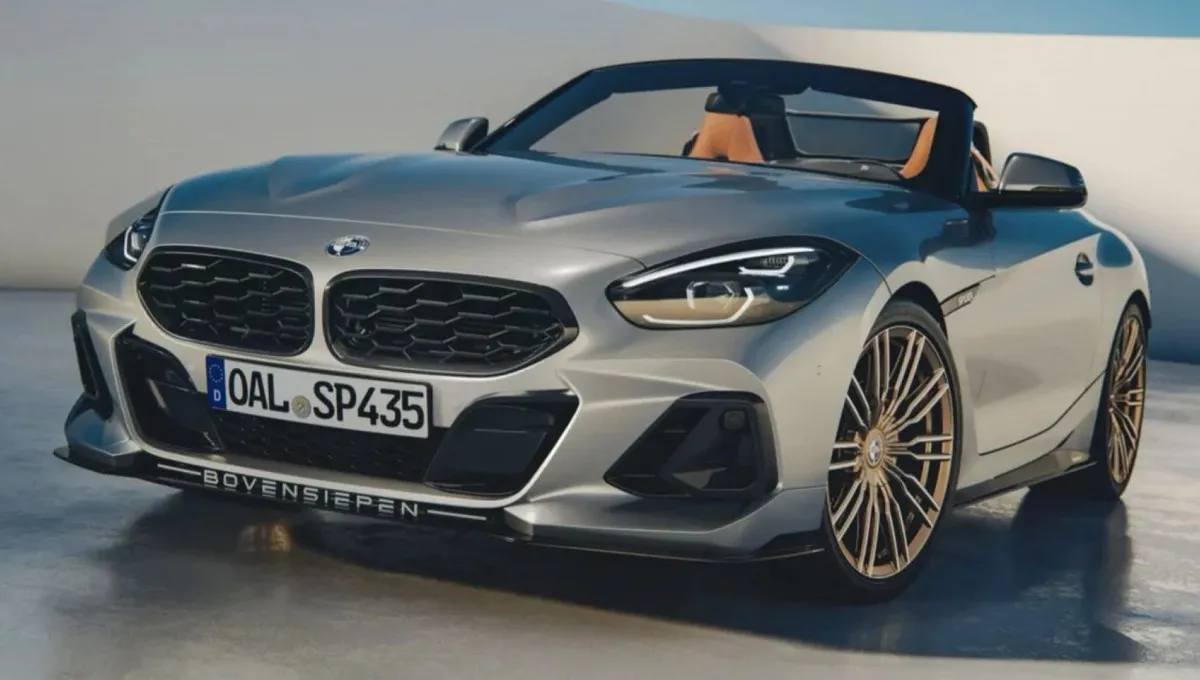
Bovensiepen Spider Debuts as Former Alpina Specialists Rework the BMW Z4
Bovensiepen has unveiled the new Spider roadster based on the BMW Z4. The car gets exterior modifications and a more powerful engine for improved performance.
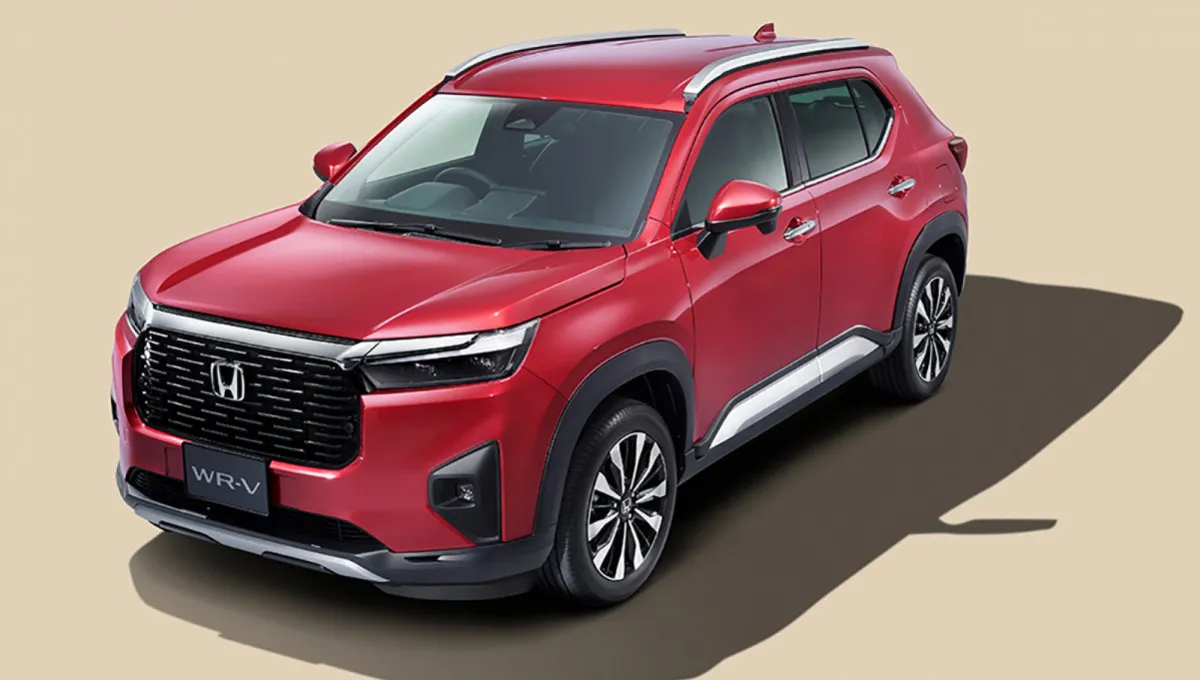
Honda WR-V Subcompact Crossover Could Get a Major Redesign for 2027
Honda’s subcompact crossover could gain hybrid power as the automaker prepares a major WR-V update for 2027.
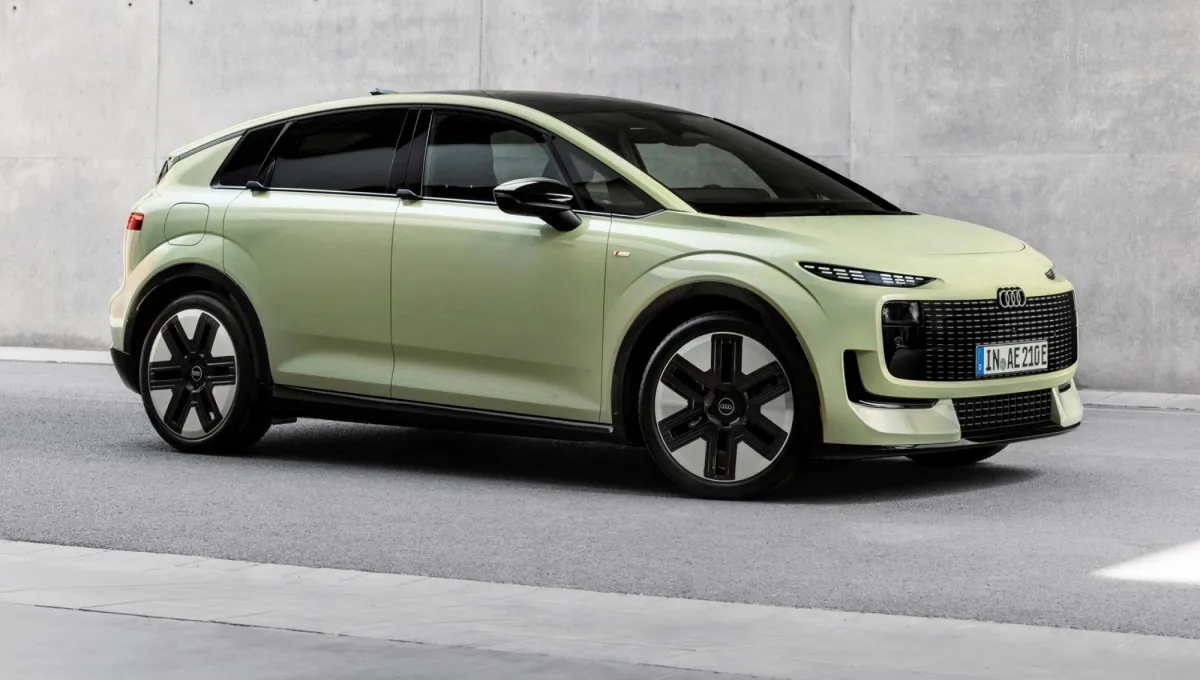
Audi Reveals EV With Unusual Door Handles
Audi has unveiled the new A2 E-Tron, an electric hatchback with distinctive styling and tiny flush-mounted door handles.
Volkswagen ID. Polo Demand Is So Strong Buyers Face a Nearly Yearlong Wait
Demand for Volkswagen’s affordable EV is so strong that buyers may wait nearly a year before taking delivery.
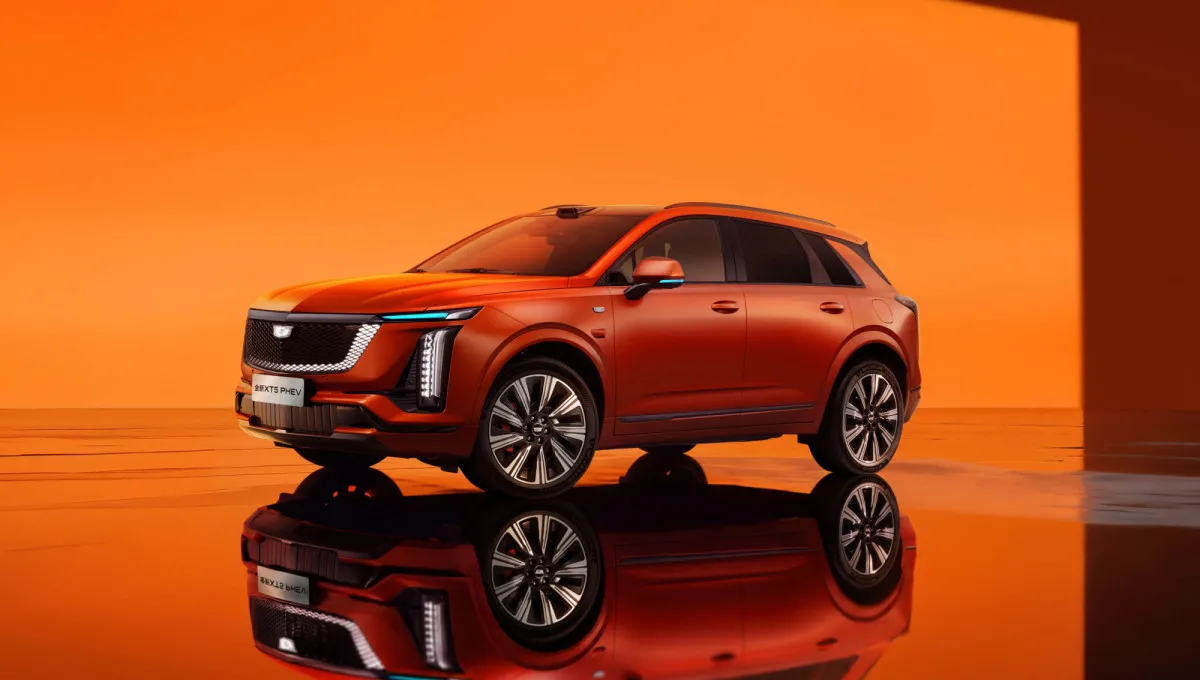
Hybrid Cadillac XT5 Debuts With 0–62 MPH in 4.8 Seconds and Up to 2,250 Miles of Range
Its electronics can supposedly “anticipate” hazards and road imperfections before the vehicle reaches them.