
Dongfeng Develops Hybrid Engine With Record-Breaking Efficiency
The new 2.0-liter Mach Power 2.0T engine delivers an impressive 45.5% thermal efficiency rating.
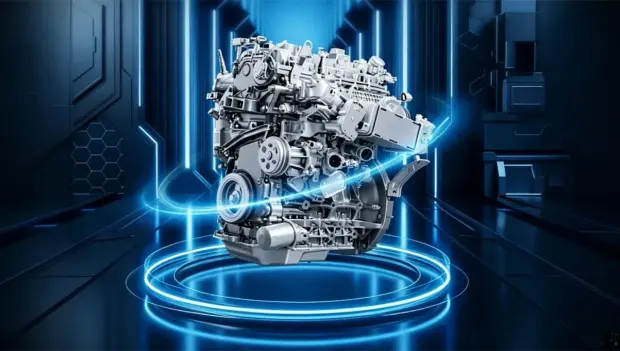
Dongfeng says it has reached a major milestone in hybrid powertrain development. The Chinese automaker's new Mach Power 2.0T engine has been certified by CATARC Huacheng and achieved a peak thermal efficiency of 45.5%.
That's an exceptionally high figure for a modern gasoline engine, especially considering this isn't a tiny economy-car powerplant. Instead, it's a turbocharged 2.0-liter four-cylinder designed for hybrid SUVs and larger vehicles.
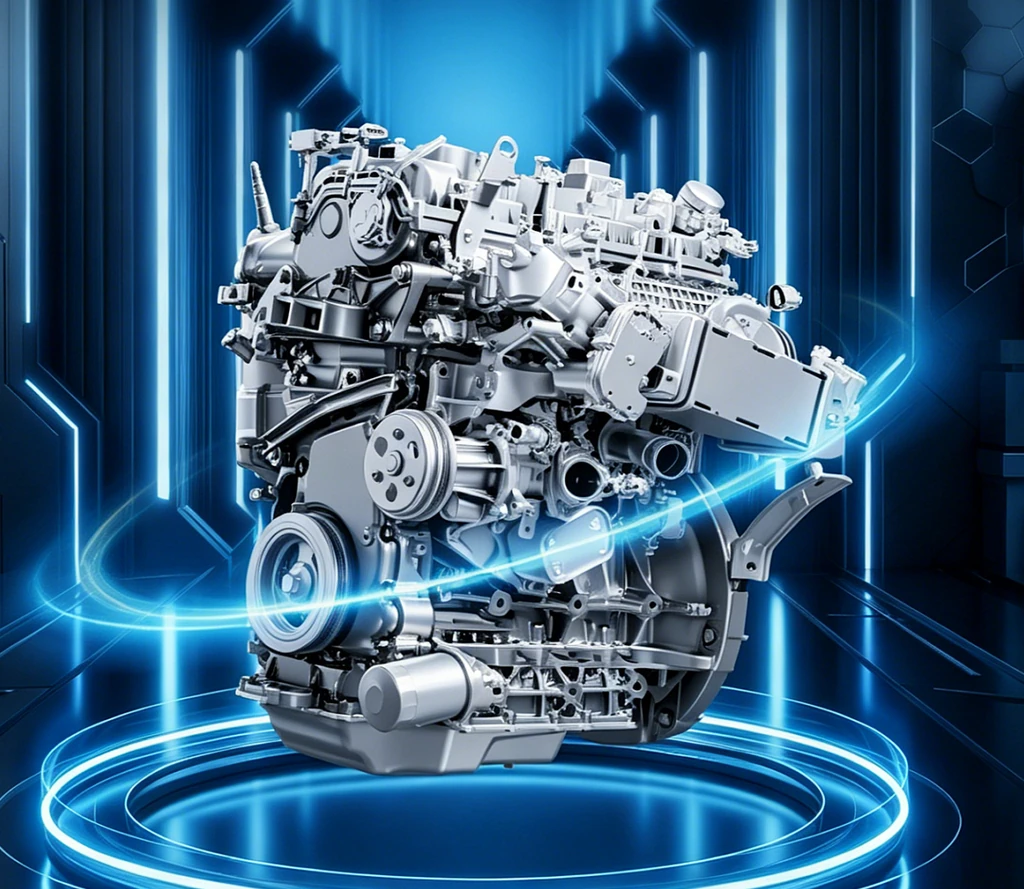
Certification testing was completed on May 22, with the results released this week. According to Dongfeng, the engine was engineered to deliver more than just fuel economy. The company says it was designed to provide strong torque, solid performance under load, and seamless integration into hybrid systems.
At the heart of the engine is Dongfeng's new MAKC combustion technology, which was developed to improve combustion precision and reduce the risk of knocking. Engineers opted for a long-stroke design with a stroke-to-bore ratio of 1.29, a configuration intended to promote more stable combustion inside the cylinders.
The engine also features a 5,076-psi direct-injection system and a high-energy ignition setup. These technologies allow for a higher compression ratio while maintaining efficiency across a wide range of operating conditions.
A cooled low-pressure exhaust gas recirculation system is another key component. Dongfeng claims it lowers combustion temperatures, reduces the likelihood of knock, and can improve fuel economy by anywhere from 3% to 10%, depending on driving conditions.
The company also focused heavily on reducing internal friction. The Mach Power 2.0T uses an electronically controlled variable-displacement oil pump, while several key components receive diamond-like carbon (DLC) coatings to minimize friction losses.
A variable-geometry turbocharger is also part of the package. According to Dongfeng, it helps maintain both performance and efficiency in demanding situations, such as mountain driving or sustained high-speed operation.
The automaker says the combination of these technologies has expanded the engine's most efficient operating range by roughly 30% compared with the previous generation. That's particularly important in hybrid vehicles, where the gasoline engine spends much of its time operating within a specific efficiency window rather than chasing maximum output.
Dongfeng's achievement reflects a broader trend in China's automotive industry. Domestic manufacturers are investing heavily in hybrid technology, and thermal efficiency figures around 45% are increasingly becoming the benchmark for next-generation engines. Companies such as Geely and Chery are pursuing similar goals.
If the Mach Power 2.0T reaches production in its current form, it could become a major selling point for Dongfeng's larger hybrid SUVs. Chinese automakers have already established themselves as leaders in electric vehicles, and they're now making an increasingly strong push to become leaders in advanced internal combustion engines for hybrid applications as well.
You may also be interested in the news:
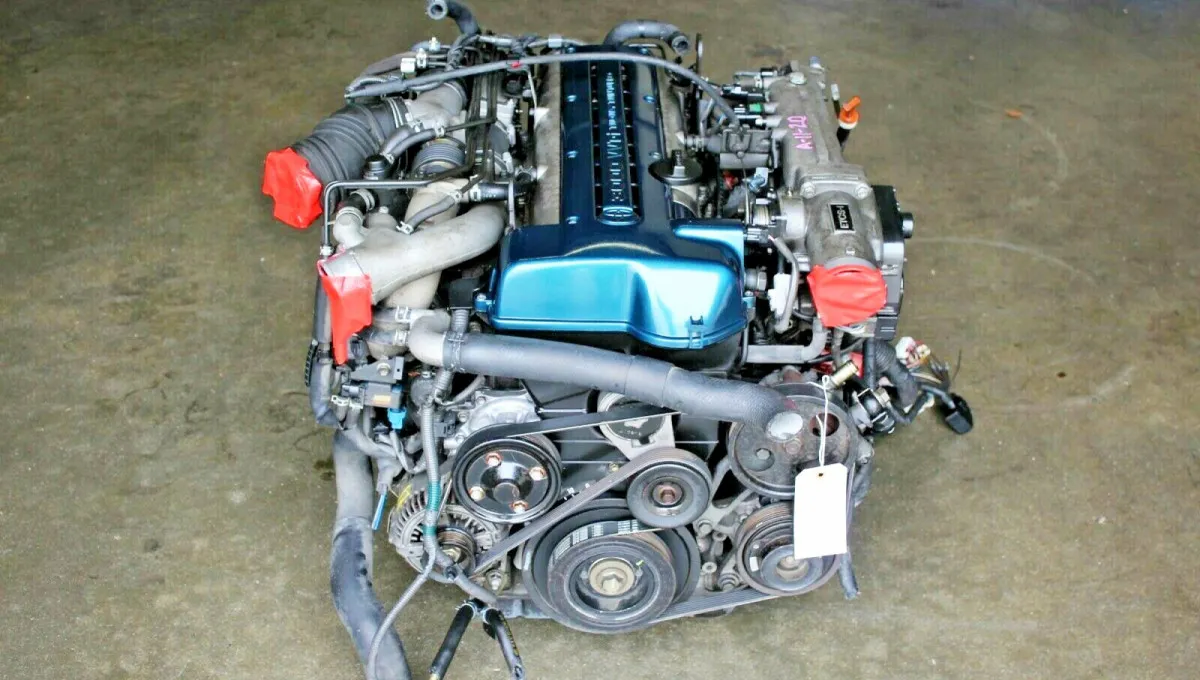
Toyota Built It to Survive 300,000 Miles. Tuners Turned It Into a 2,000-HP Beast
Toyota engineers may have gone too far with durability — and accidentally created the ultimate engine for hot-rodding.

Audi 80 Has Covered Nearly 1 Million Kilometers With Its Original Engine
A 1991 Audi 80 is closing in on a mileage record.

Toyota's First Engine Was Copied From a Chevrolet
Toyota's first engine, the Type A, wasn't entirely Japanese—it was based heavily on a Chevrolet straight-six.
Million-Mile Engines: Why Four Legendary Motors That Outlived Their Owners Became History
Some engines become legends by surviving for decades, crossing millions of miles and proving nearly impossible to kill.
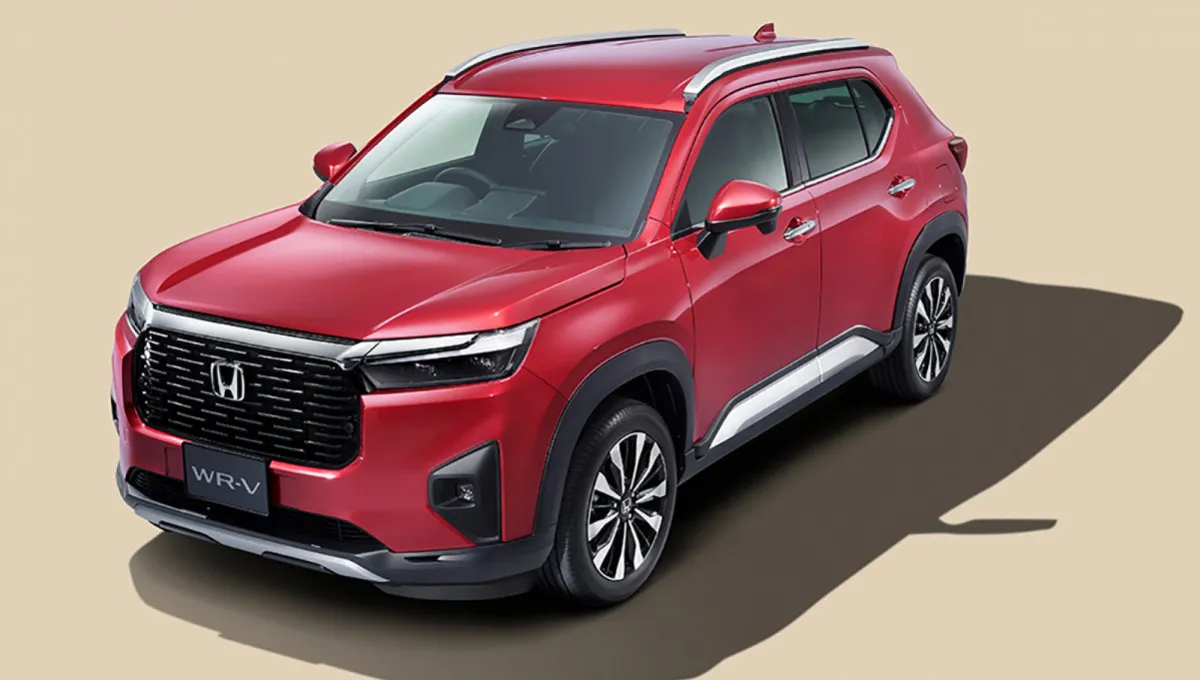
Honda WR-V Subcompact Crossover Could Get a Major Redesign for 2027
Honda’s subcompact crossover could gain hybrid power as the automaker prepares a major WR-V update for 2027.