
ESP Without a Button: How to Disable Stability Control on an Volkswagen Passat
No button, but VW engineers left a loophole. We break down how to fool the electronics when you actually need to.
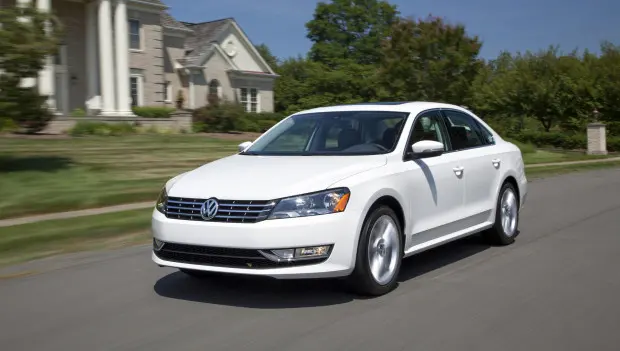
Ever gotten stuck in a slushy parking lot while the damn ESP choked the engine right when you needed wheelspin? Congratulations, you’re probably driving an American-market Volkswagen Passat. Unlike its European siblings, the North American Passat (NMS, 2011–2022) on many trims came without a physical button to kill the stability control. VW engineers figured American drivers didn’t need one. But real life is full of snow, sand, dyno pulls, emergency towing, or just the simple urge to play around in an empty, snow-covered lot. We’re running through every known way to shut the system off — from factory-sanctioned loopholes to downright hacky but workable solutions.
Why there’s no button
The American Passat — the sedan built in Chattanooga, Tennessee — is a completely different animal from the European B7 and B8. On pre-facelift models up through 2016, the ESP button often lived to the left of the steering wheel. But on later cars, especially base and mid-level trims like the S and SE (excluding the R-Line), VW deleted it. The logic is simple: cost cutting and a bet on safety. Still, the car’s brain never changed, and the shutoff algorithm is still there — just buried.
Method #1: the factory fix — add the button and code it
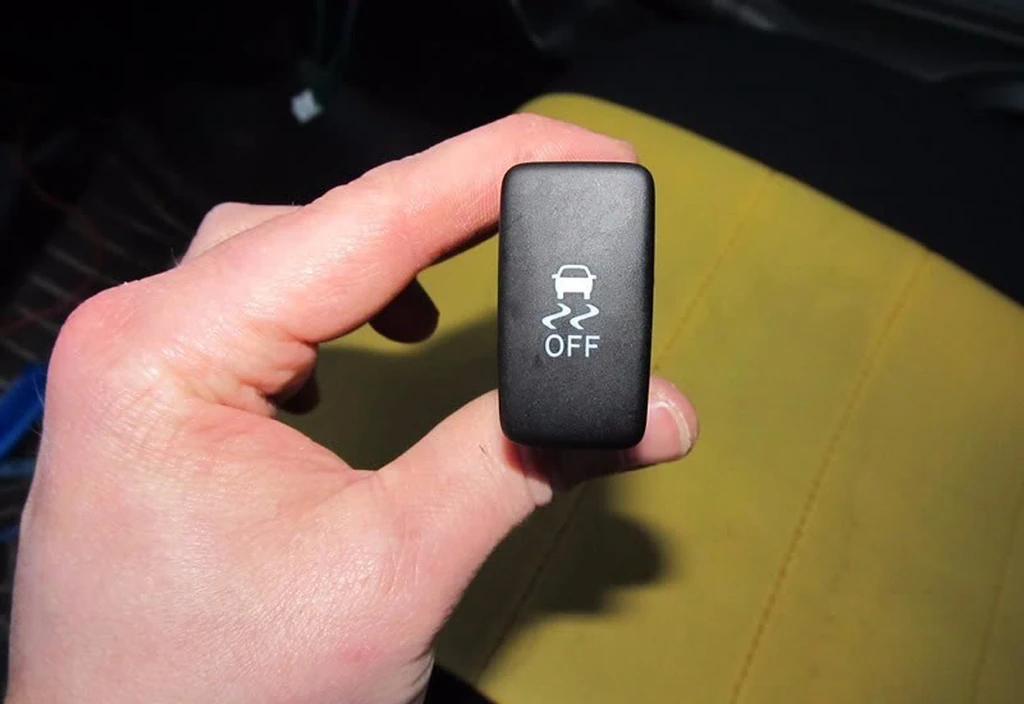
The safest and fully reversible method is to install what the factory cheaped out on. Since the ABS module already knows how to talk to an ESP button, you just need to tell it the button exists and physically mount one.
- Buy a diagnostic adapter. VCDS (VAG-COM) from Ross-Tech runs about $200 to $350 — it’s an American company, and their tool is a staple in every VW owner’s glovebox in the US. A more budget-friendly option is OBDeleven, which costs around $80 to $100.
- Plug into the OBD-II port under the steering column.
- Enter module 03 – ABS Brakes.
- In the long coding, find the byte that controls the ESP button and tick the box for “ESP Button installed.” A few versions also allow full ESC deactivation, though that option is often locked out on US-spec modules.
- Grab an OEM ESP switch with a pigtail connector from eBay or AliExpress (about $15 to $20). Pop it into a blank slot on the center console or to the left of the steering wheel. Run two wires: one to ground, the other to the appropriate pin on the fuse box.
- After that, pressing the button will light up the “ESC off” indicator on the dash, and the system will partially or fully disengage — depends on the model year and ABS firmware.
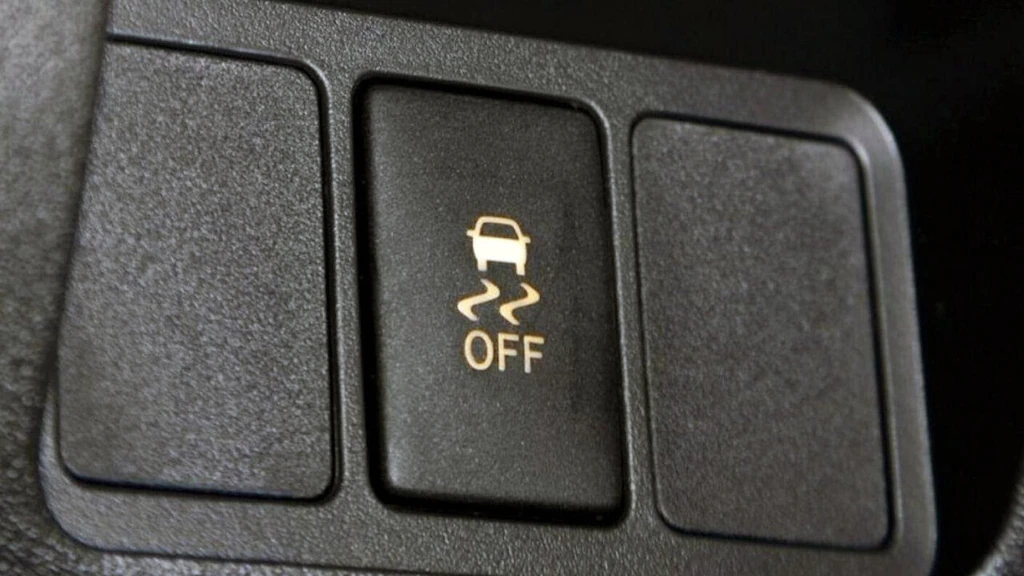
This is an honest, factory-style solution that won’t raise eyebrows at the dealership during service visits and won’t neuter any other safety features. If you plan on disabling ESP often, this is the best investment of your time and money.
Method #2: the secret gas pedal dance (for the 2.5)
This trick gets passed around most by owners of 2012–2014 Passat NMS models with the naturally aspirated 2.5-liter inline-five and the traditional torque-converter automatic. In essence, it’s a hidden service mode that temporarily loosens the traction control’s grip, baked in by engineers for the exact moment you’re stuck and don’t have a button.
Step by step:
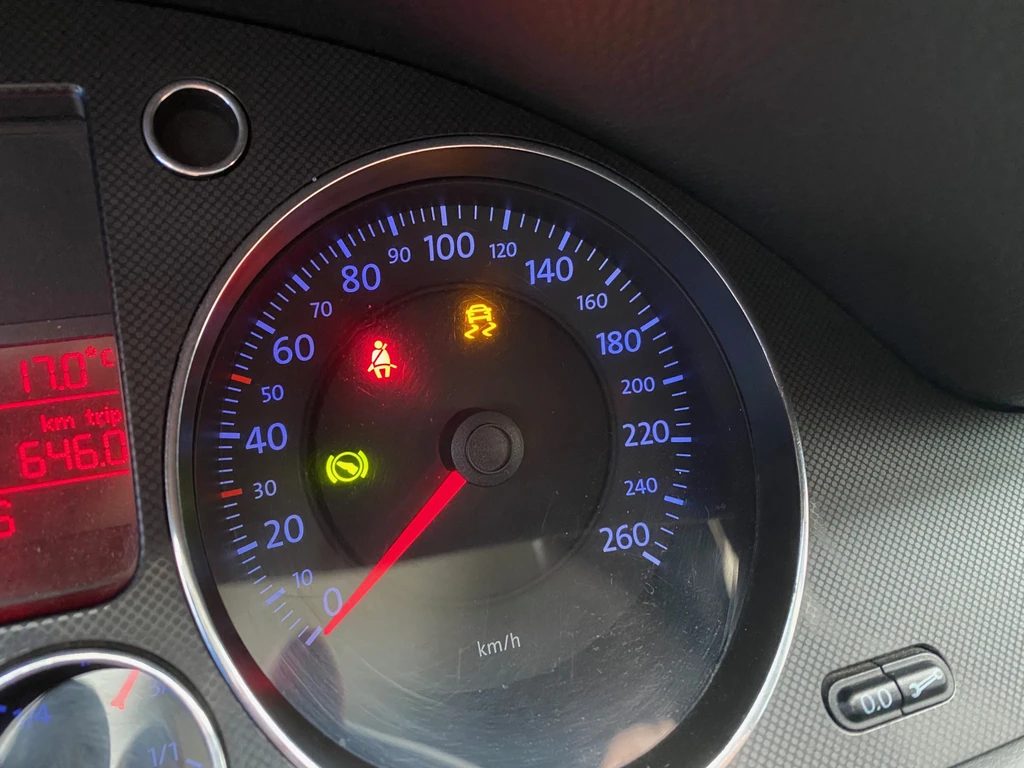
- Switch the ignition to ON but don’t start the engine. The gauge cluster wakes up and the warning lights come on.
- Turn on your hazard lights. Hit the red triangle — the turn signals should start flashing.
- Floor the gas pedal five times, fully to the carpet and fully back, in a smooth rhythm without long pauses. Some owners say you need to complete all five jabs within 10 to 15 seconds.
- Start the engine.
If you did it right, the traction control icon (the little car with wavy skid marks) or the “ESP OFF” light will appear on the dash. A few drivers also see the message “ASR off” pop up briefly.
What’s actually happening: this footwork doesn’t kill stability control completely. It puts the ABS module into a special service mode that relaxes the traction control, originally designed for dyno testing and for rocking a car out of deep snow.
The big catch: the mode is maddeningly temporary. As soon as the car starts moving and hits roughly 10 to 15 mph, or the wheels spin and the car creeps forward, the ESP system wakes up and takes control again. In other words, this isn’t for driving around with the system off. It’s a “get me out of this snowbank in the parking lot” feature. Do the dance, goose the throttle, roll onto clear pavement, and everything snaps back to normal.
Forums confirm it: on 2012–2014 Passats with the 2.5, it works. A Reddit user on r/Volkswagen described using the method after a heavy Colorado snowstorm: “My car just sat there squealing its tires and going nowhere, ESP was choking the throttle. Did the hazard light trick and five pedal jabs — the dash lit up, the engine came alive, and I pulled right out of my parking spot.” Still, skeptics point out that manual-transmission cars and facelifted models from 2016 onward often ignore the trick completely.
The tie-in to cost cutting: VW programmed this algorithm so a driver wouldn’t be hopelessly stranded, but could still technically stay in the good graces of NHTSA safety requirements. Full control? Denied. A little wheelspin to get unstuck? Allowed. The temporary limitation is the price you pay for the missing button.
Bottom line on this method: if you have a 2.5-liter Passat and you’re stuck in snow or on an icy incline, this is your free, no-wires-needed get-out-of-jail card. But if you want full ESP defeat for spirited driving or a track day, save the hazard-light footwork and go straight to Method #1 with a physical button and VCDS coding.
Method #3: the seatbelt and parking brake trick (hit or miss)
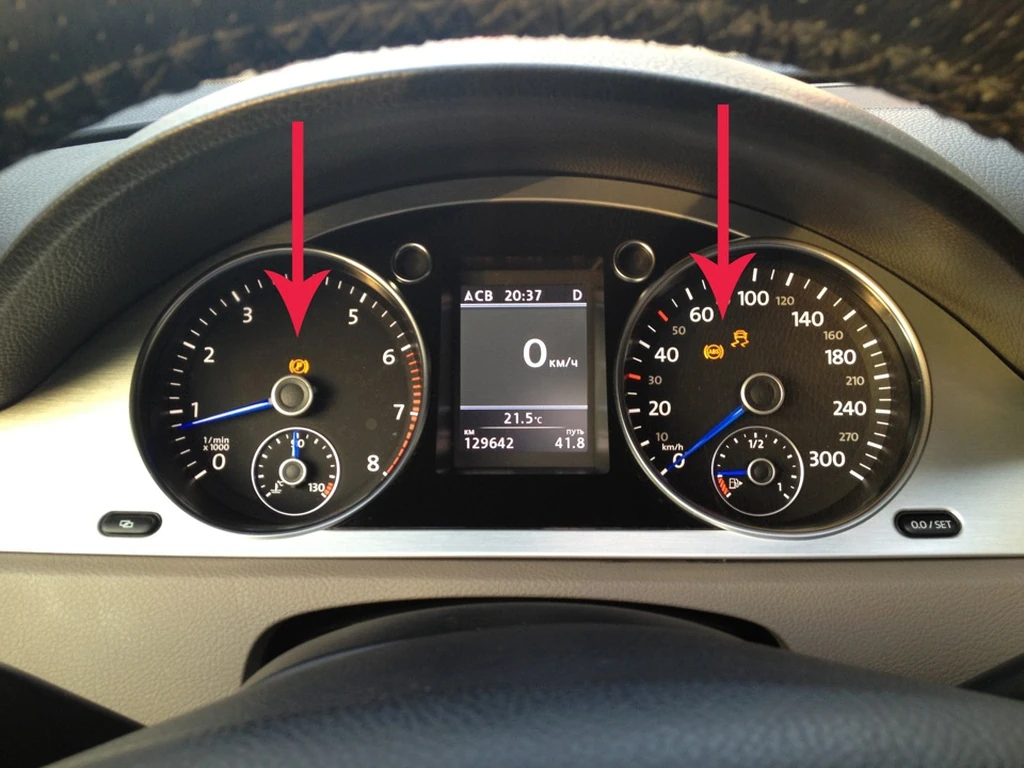
Another zero-tools attempt to outsmart the system relies on the way some ABS modules link ESP logic with the electronic parking brake.
- Start the engine.
- Buckle your seatbelt — crucial, the trick won’t work without it.
- Press and hold the brake pedal with your left foot.
- Fully pull and hold the electronic parking brake switch for five to seven seconds.
- Release the switch, then pull and hold it again while gently pressing the gas with your right foot (bring revs up to around 1,500–2,000 rpm).
- On some gauge clusters, you’ll see the “ESP OFF” light or a warning message.
The downside to this pedal dance is that, first, it only works on about one in three cars, and second, it typically only disables the traction control (ASR) at low speeds. Full stability control — the system that catches you mid-corner — stays awake. Fine for escaping a snowed-in parking spot, useless for track fun.
Method #4: pull the ABS fuse or sensor (the risky road)
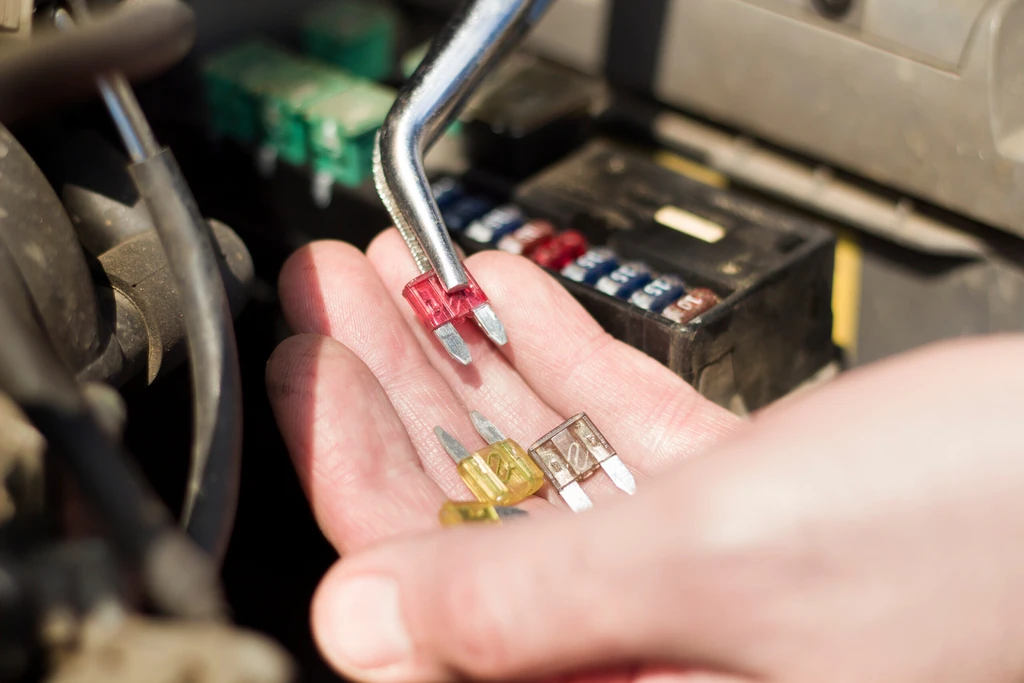
When nothing else is within reach, the internet tells you to yank the fuse for the ABS or ESC system. On an American Passat, the fuse panel is on the driver’s side. Check the diagram on the cover, find a fuse labeled something like “ESC,” “Anti-Slip,” or “ABS,” and pull it.
The effect is instant: ESP goes dark, the warning light shuts off, and the engine stops cutting power. But here’s what you also lose:
- Anti-lock brakes (ABS)
- Electronic brake-force distribution (EBD)
- Hill-start assist
- Tire pressure monitoring on some models
Your brakes still work mechanically, but a panic stop on dry pavement can lock the rear axle and send you sideways. The dashboard turns into a Christmas tree — ABS, ESP, parking brake lights, and sometimes a Check Engine light all glow at once. On top of that, the car stores fault codes for lost communication with the wheel speed sensors. Physically unplugging those sensors is an even worse idea: we’ve seen that DIY move lead to pricey wiring harness repairs at American shops.
Keep this method strictly for emergencies, when you need to crawl just a few dozen yards through deep snow, and plug the fuse right back in afterward.
Method #5: dyno mode
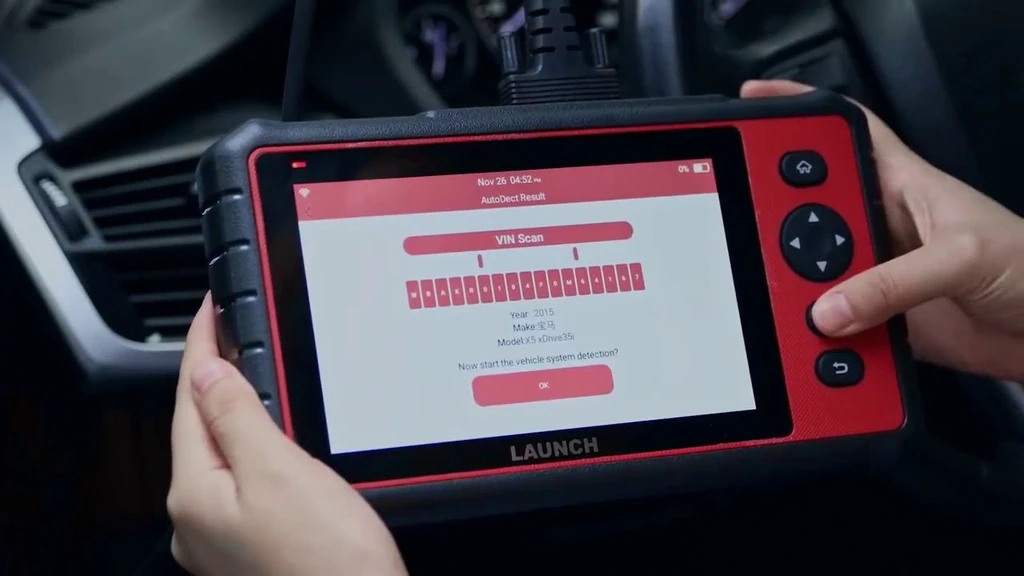
Some Passats have a dedicated service mode meant for running the car on a dyno, where ESP must be fully off. It’s activated through the diagnostic port: in the ABS module (03), look for an option called “Dyno mode” or “Roller test mode.” Once active, the car lets the wheels spin without electronic interference until you cycle the ignition. Handy not only for a chassis dyno but also for clawing your way out of deep snow when ESP keeps strangling the motor.
The catch is the same as Method #1: you need a diagnostic adapter and a tiny bit of software know-how. But it’s entirely reversible and leaves the factory wiring untouched.
The legal side on US roads
Shutting off ESP on public roads technically goes against NHTSA recommendations. There’s no specific ticket for driving without stability control in the US — unlike some European countries where it’ll fail a safety inspection — but if a crash happens because of a skid and the black box shows ESP was disabled, insurance companies (especially the likes of GEICO and Progressive) may start asking unpleasant questions. Treat every method here as strictly for off-road use, closed tracks, emergency towing, or escaping a buried parking space.
The final verdict
If you need to disable ESP on an American Passat on a regular basis — say, for winter shenanigans on the snowy fields of Montana or Minnesota — spend the $15 on a button and take an hour to code the ABS module with VCDS. It’s clean, reliable, and factory-grade. The scanner pays for itself after one skipped trip to a dealer, where an hour of diagnostic labor averages around $160.
All the other methods — the gas-pedal hocus-pocus, fuse-pulling, and parking-brake ballet — should be reserved for emergencies when no other option exists. Remember, ESP is working to keep you safe 99% of the time, and any temporary shutoff needs to be deliberate and limited to a very short distance. And yeah, if your car is stuck in a snowbank and the engine refuses to let the wheels spin freely, try the hazard-light and gas-pedal secret handshake first — it’s already pulled more than a few 2.5-liter Passat owners out of a jam somewhere like Colorado.
You may also be interested in the news:

The “Gas-Saving” Tricks That Could Destroy Your Car — And What Drivers Should Do Instead
Some fuel-saving tricks can backfire, costing drivers far more in repairs than they ever save at the gas pump.
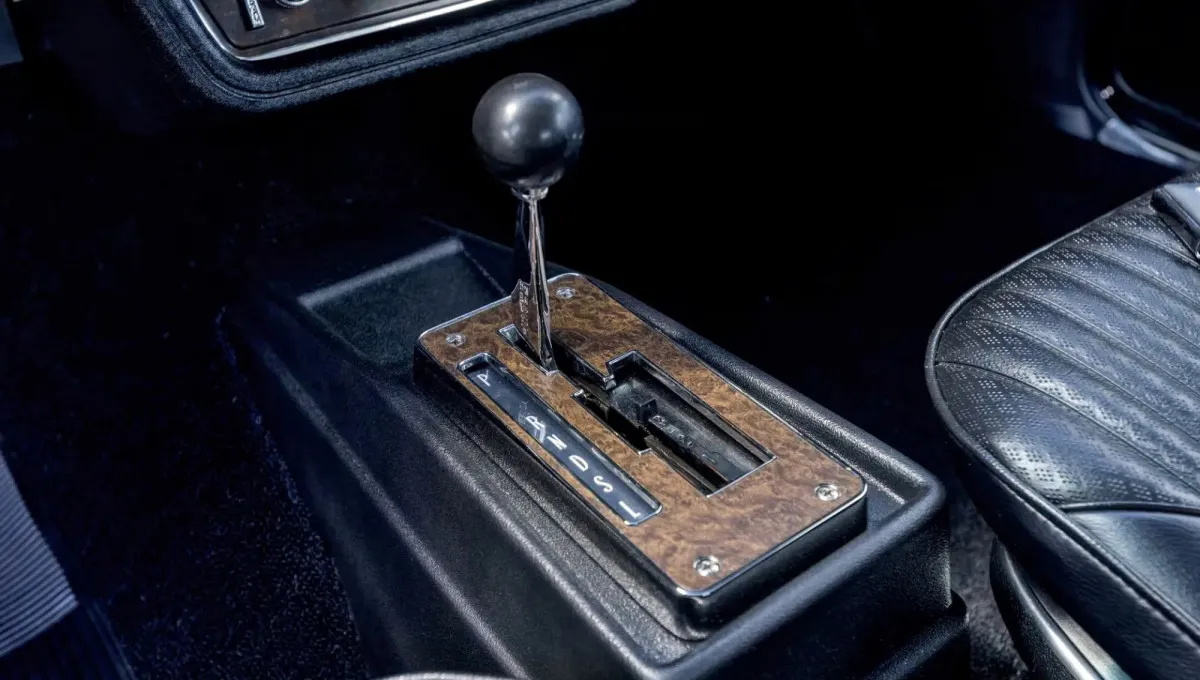
How Oldsmobile Invented a Manual Gearbox for an Automatic
Long before paddle shifters and electronic driving modes, Oldsmobile found a clever mechanical way to let drivers shift an automatic transmission themselves.
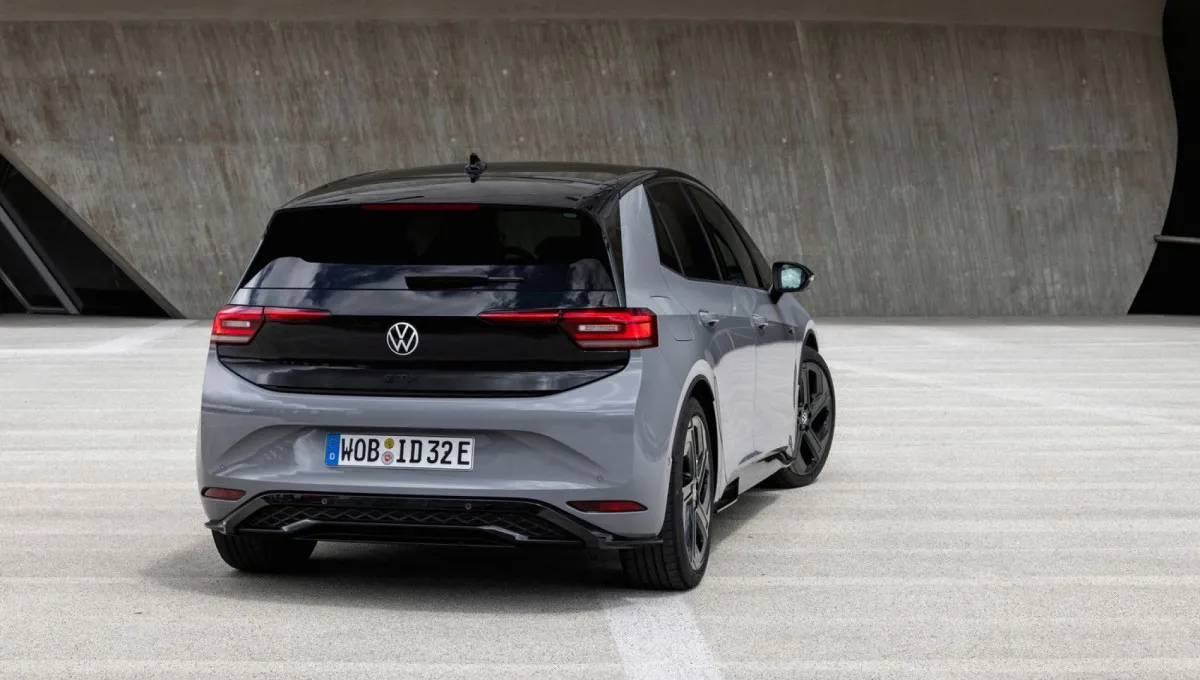
Volkswagen Just Did the Unthinkable: The New GTI Is Rear-Wheel Drive
Volkswagen's ID.3 GTI reaches 60 mph in 5.6 seconds and offers 373 miles of range.
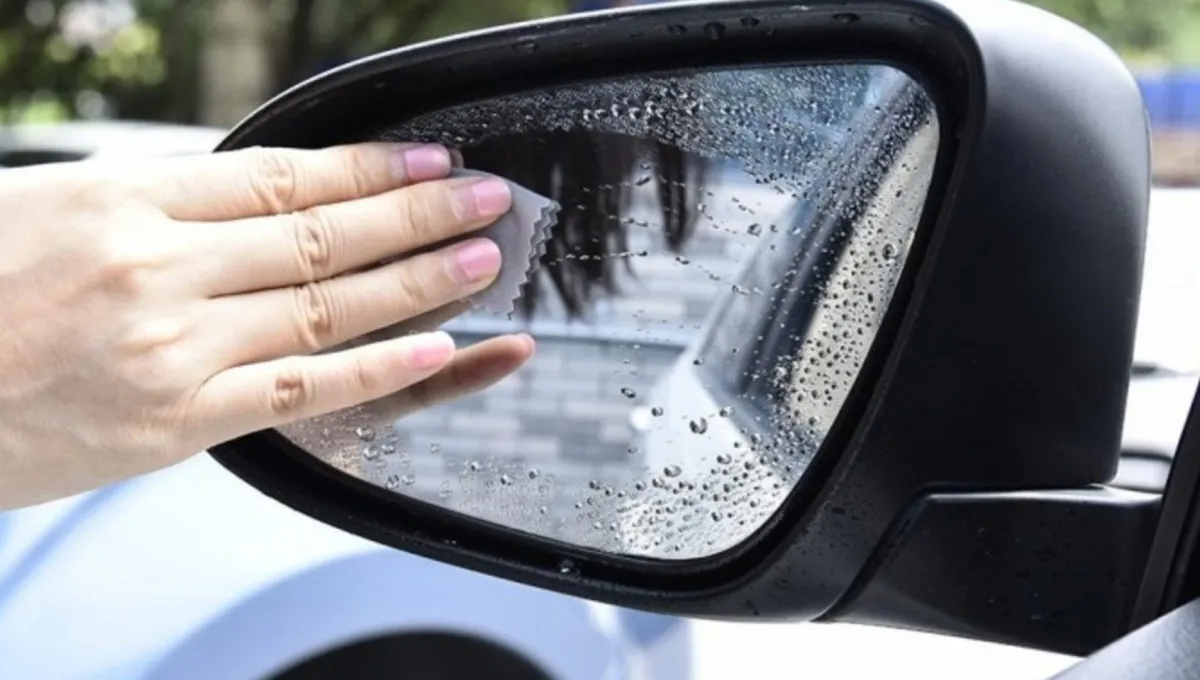
How to Protect Your Car Mirrors From Rain: A Simple Home Hack
A simple household product can help keep your car’s side mirrors clearer when rain makes visibility a challenge.
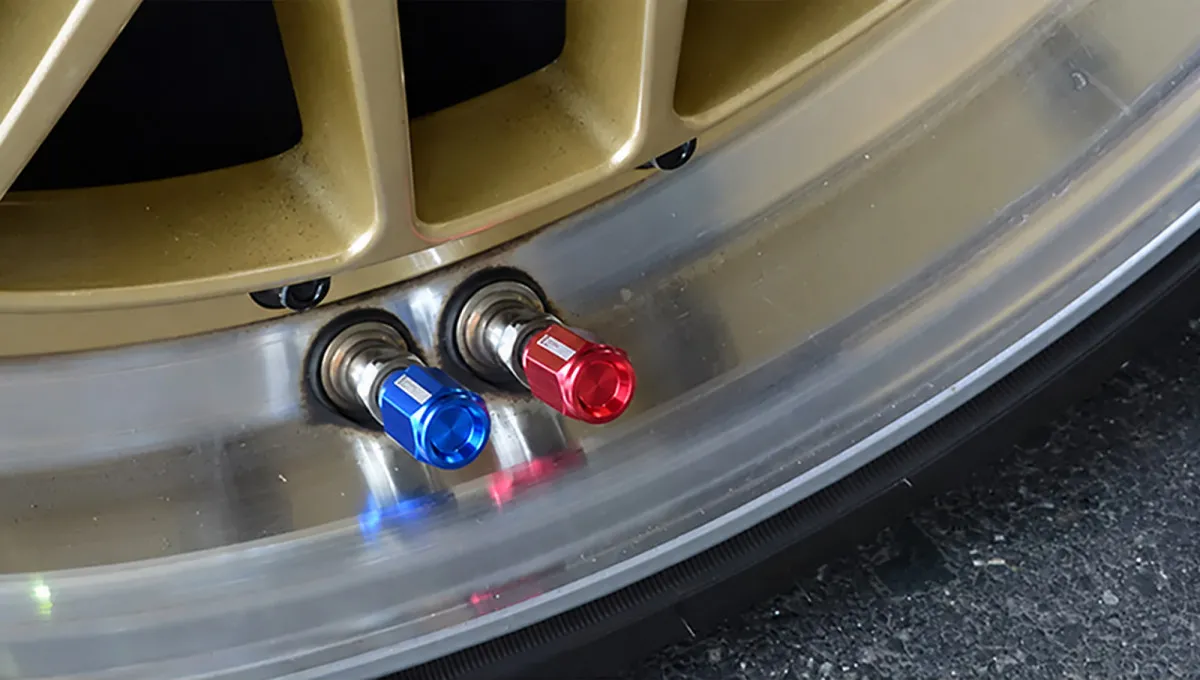
Not a Manufacturing Error: Why Some Wheels Have Two Valve Stems
Two valve stems on one wheel may look unusual, but the setup serves a practical purpose in racing and specialized tire service.