
Why Even a Small Puddle Can Lead to Major Engine Damage
Water under the hood — how to keep your crossover from becoming a driveway ornament.
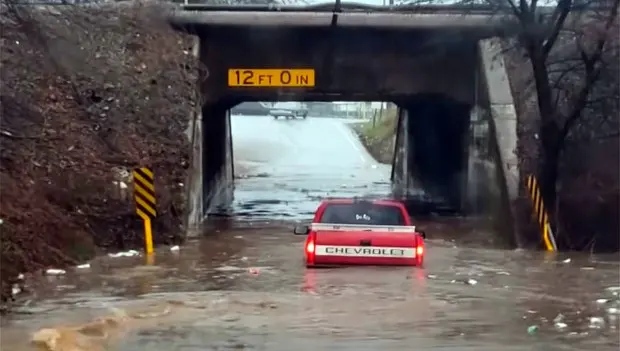
A lot of vehicles are more vulnerable to water than you’d think. Even a small puddle can spell disaster. Knowing how to avoid a wallet-busting repair bill is key — here’s what the experts say.
Modern crossovers look tough and capable, but their vulnerability to water is often underestimated. Even a modest amount of standing water on the road can mean big trouble for the engine. Automakers routinely place air intakes way too low, and that dramatically raises the risk of water getting sucked into the engine.
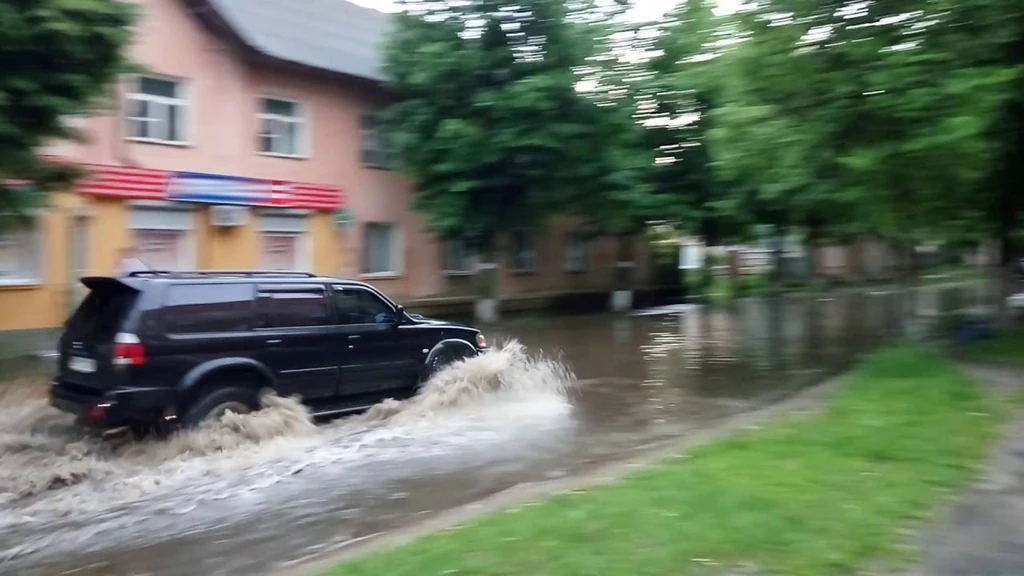
When you drive through a puddle, water can get pulled into the cylinders instead of air. Unlike air, water doesn’t compress — so the piston slams into an immovable wall. The result? Bent connecting rods, a cracked block, and destroyed valves. That’s hydrolock, and in most cases fixing the engine just doesn’t make financial sense. You’re better off buying a used engine than trying to rebuild the carnage.
Vehicles with low ground clearance are especially at risk. If the water is deeper than about five inches, the front bumper starts acting like a scoop, funneling water straight toward the air intake. Even when the puddle looks shallow, the risk remains high. Remember: water that reaches halfway up the wheels is already a critical threshold where the chance of hydrolock skyrockets.
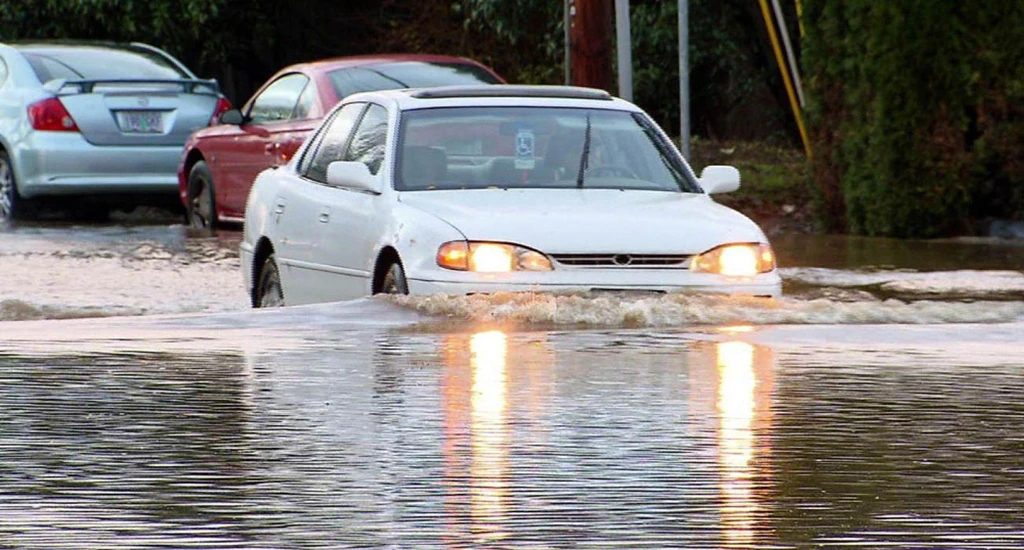
Before you drive into water, take a look at what other cars are dealing with. If you can’t see their wheels anymore, just back off — don’t try it. If you absolutely have to go through, creep forward in a low gear at a steady crawl. Sudden stops or flooring it can force water into the exhaust system and create even more problems.
Once you’re out of the water, don’t just breathe a sigh of relief. Your brakes are now soaked, which means a longer stopping distance. To dry them out, lightly tap the brake pedal a few times while moving. That’ll help prevent overheated, warped rotors the next time you have to stop hard.
Keep a few basic safety rules in mind. If the engine dies while you’re in water, do not try to restart it — that can finish it off for good. Call a tow truck and have it taken to a shop. You can also judge a puddle’s depth by the curb: if a standard curb is completely submerged, it’s already too deep for a regular passenger car to tackle safely.
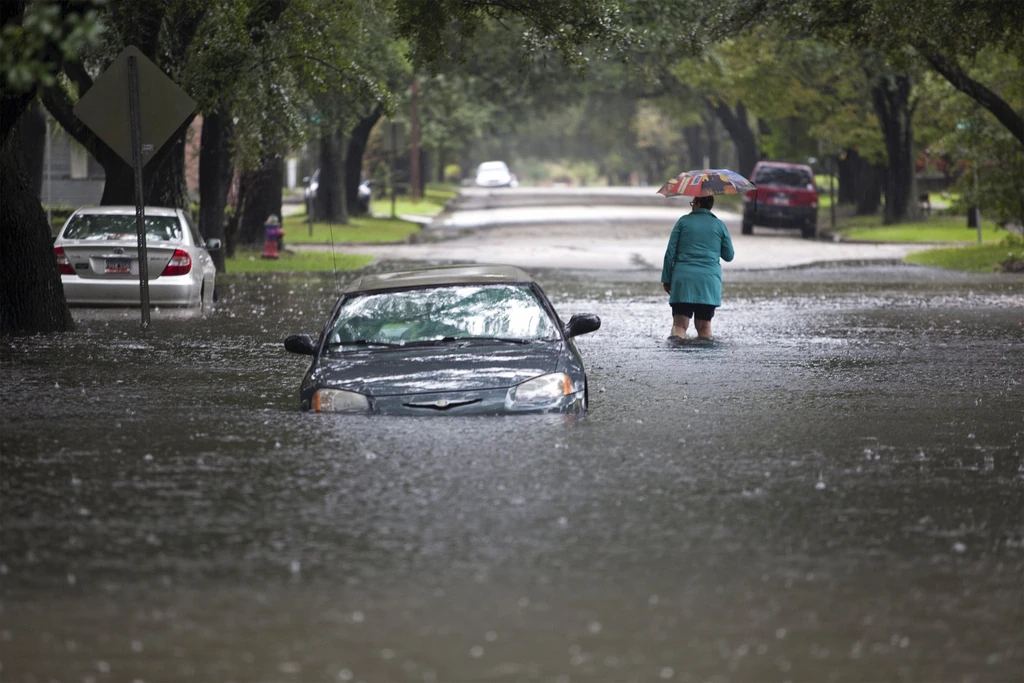
After making it through a deep puddle, check your oil. If there’s any sign that water got into the system, change it immediately — otherwise, the engine could self-destruct within just a few miles.
Follow these tips and you’ll avoid a huge repair bill and keep your car running even when the weather gets nasty.
You may also be interested in the news:
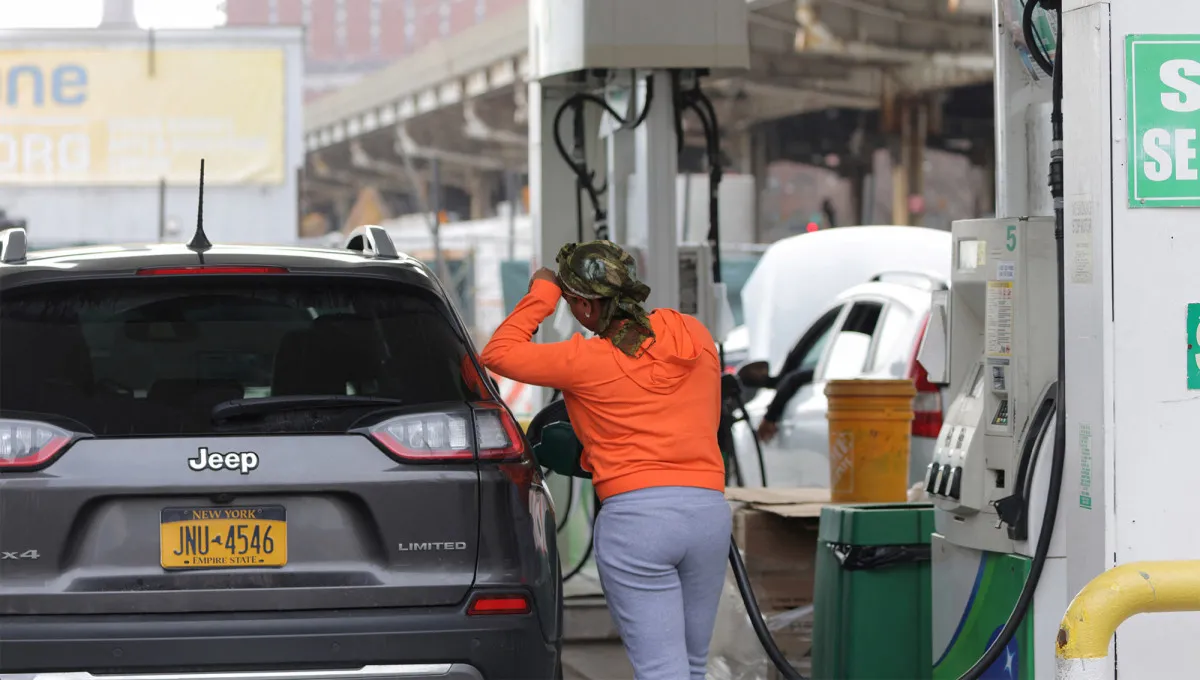
The “Gas-Saving” Tricks That Could Destroy Your Car — And What Drivers Should Do Instead
Some fuel-saving tricks can backfire, costing drivers far more in repairs than they ever save at the gas pump.
Your Car Can Hear You: Four Zodiac Signs That Talk to Their Cars
Aries, Taurus, Leo and Scorpio don't just drive—they talk to their cars, each with their own language, rituals and demands.

328,000 Jeep Grand Cherokees Recalled Over a Hidden Crash Risk — Owners Should Act Now
Chrysler is recalling more than 328,000 Jeep Grand Cherokees over a rear coil spring problem that could increase the risk of a crash.
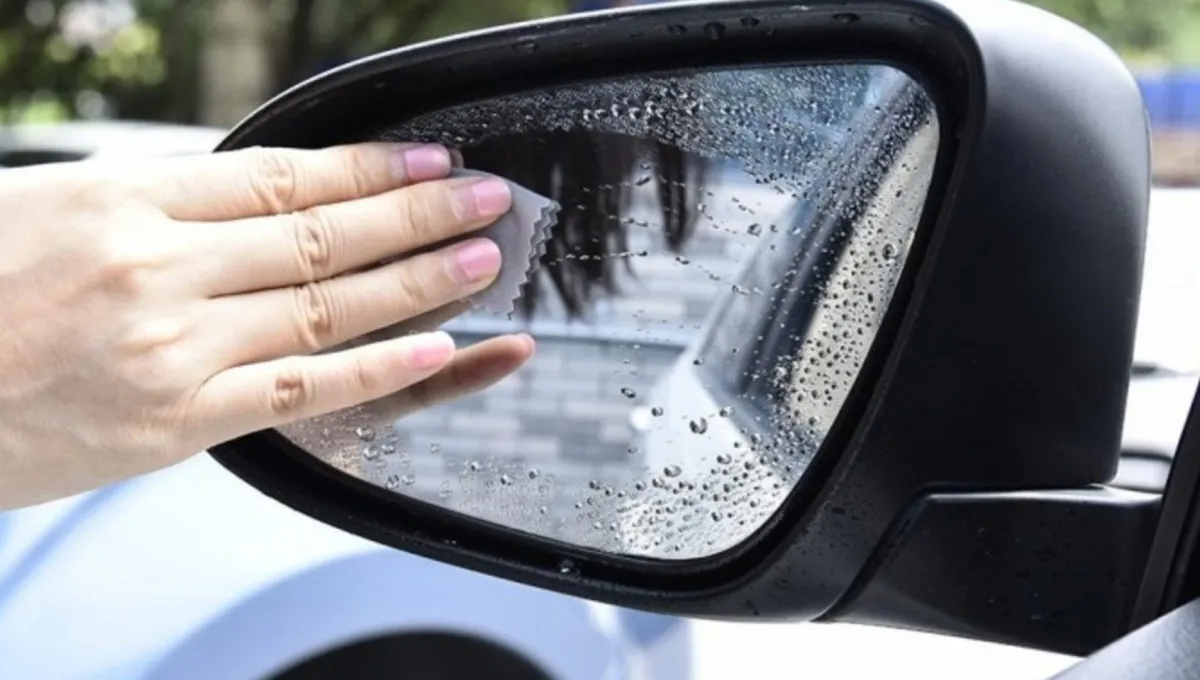
How to Protect Your Car Mirrors From Rain: A Simple Home Hack
A simple household product can help keep your car’s side mirrors clearer when rain makes visibility a challenge.
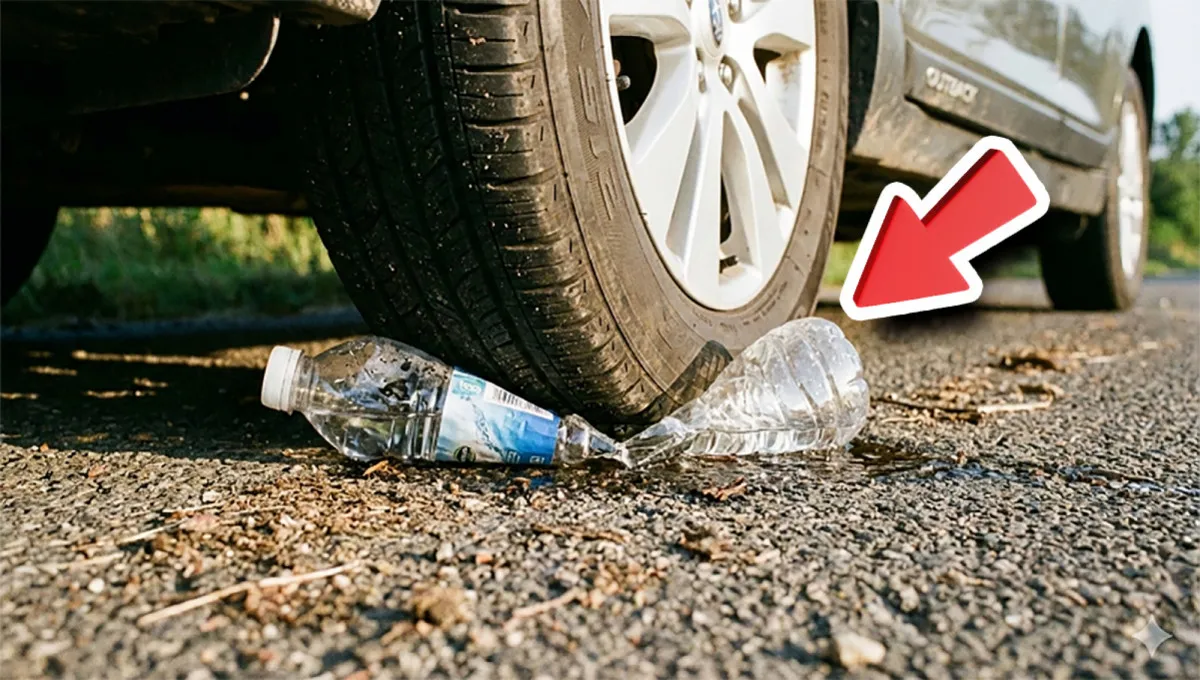
Bottle Under the Tire: The New Roadside Scam Targeting Drivers
A new roadside scam is gaining traction, using a simple plastic bottle to trick unsuspecting drivers.