
5 Reasons Your Steering Wheel Vibrates and How to Fix the Problem
Steering wheel vibrations should never be ignored, as they can point to anything from dirt buildup to serious mechanical issues.
Sooner or later, almost every driver experiences steering wheel vibration. If you haven't encountered it yet, chances are you eventually will. But before rushing to a repair shop and assuming the worst, it's worth giving your vehicle a quick inspection. In many cases, a simple visual check can help identify the source of the problem and determine how serious it really is.
1. Dirt and Debris Buildup
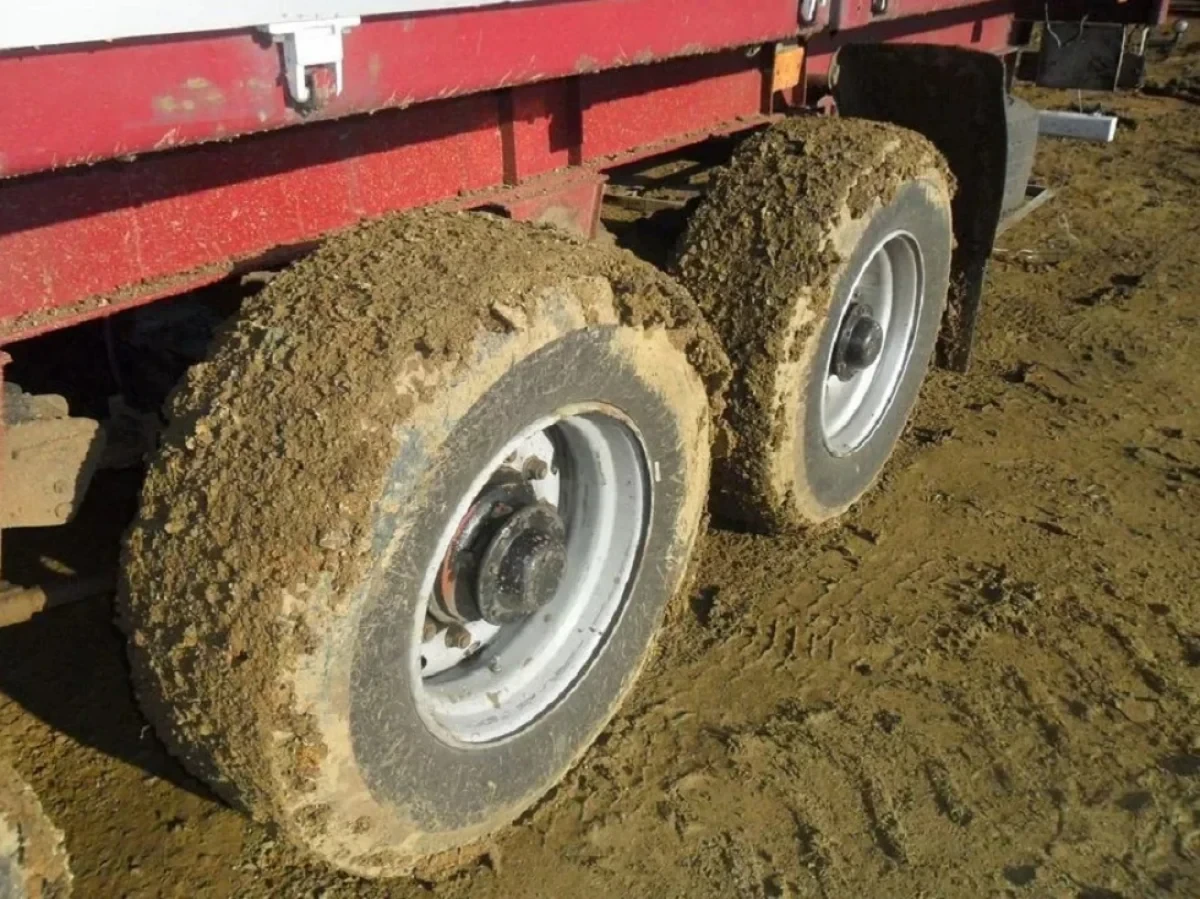
One of the easiest things to check when your steering wheel starts shaking is the condition of the wheels themselves. If you've recently driven through mud, slush, or deep snow, dirt may have accumulated inside the wheels. That buildup can throw off wheel balance and create noticeable vibrations.
A thorough wash may be all that's needed. In some cases, cleaning the wheels completely eliminates the problem.
2. Damaged Wheels or Tires
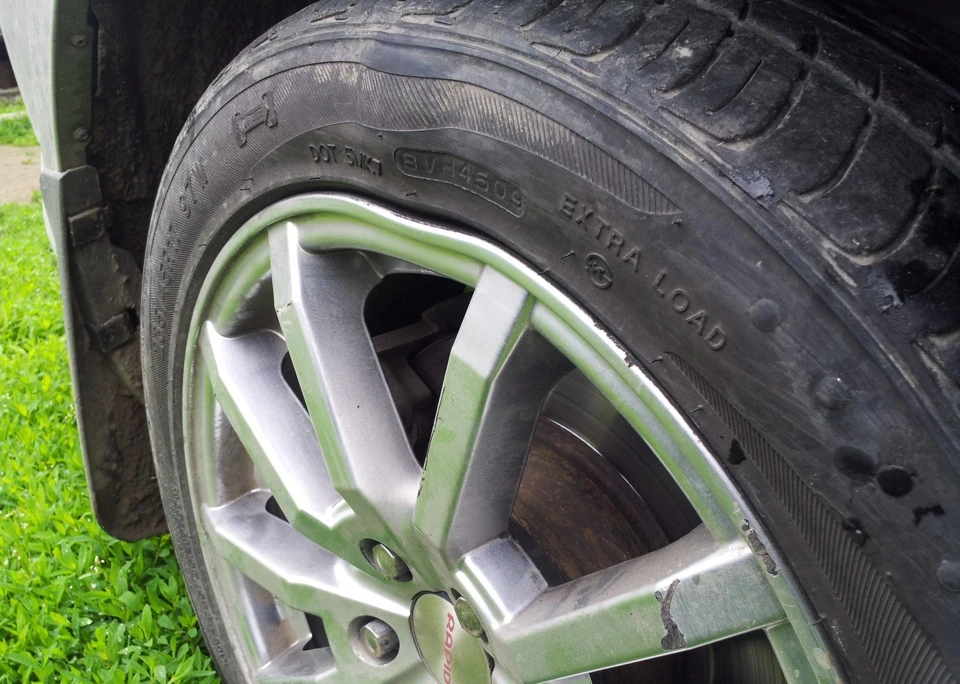
While inspecting for dirt, take a close look at the wheels and tires. A bent rim or a tire with a bulge can easily create an imbalance that causes the steering wheel to shake.
Both issues should be addressed promptly. A bent wheel may be repairable, although replacement is sometimes necessary. A tire with a sidewall bulge, however, should be replaced immediately, as continuing to drive on it can be dangerous.
3. Missing Wheel Weights
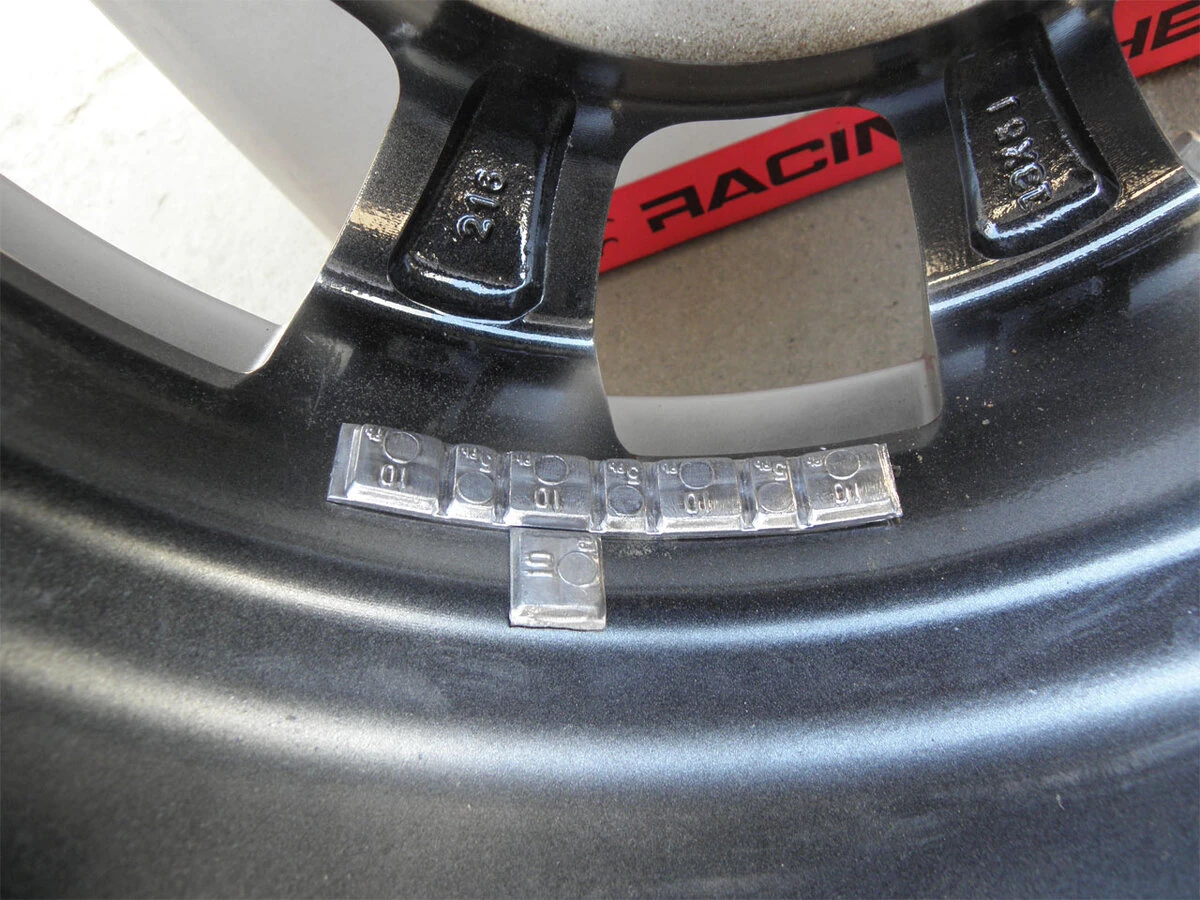
Wheel balancing weights occasionally come loose, especially after hitting potholes or rough roads. When one falls off, the resulting imbalance often causes severe vibrations, particularly at highway speeds.
The problem becomes even more noticeable if the missing weight is on one of the front wheels. In addition to the shaking, handling can suffer. A trip to a tire shop for rebalancing is usually the quickest solution.
4. Worn Tie Rod Ends
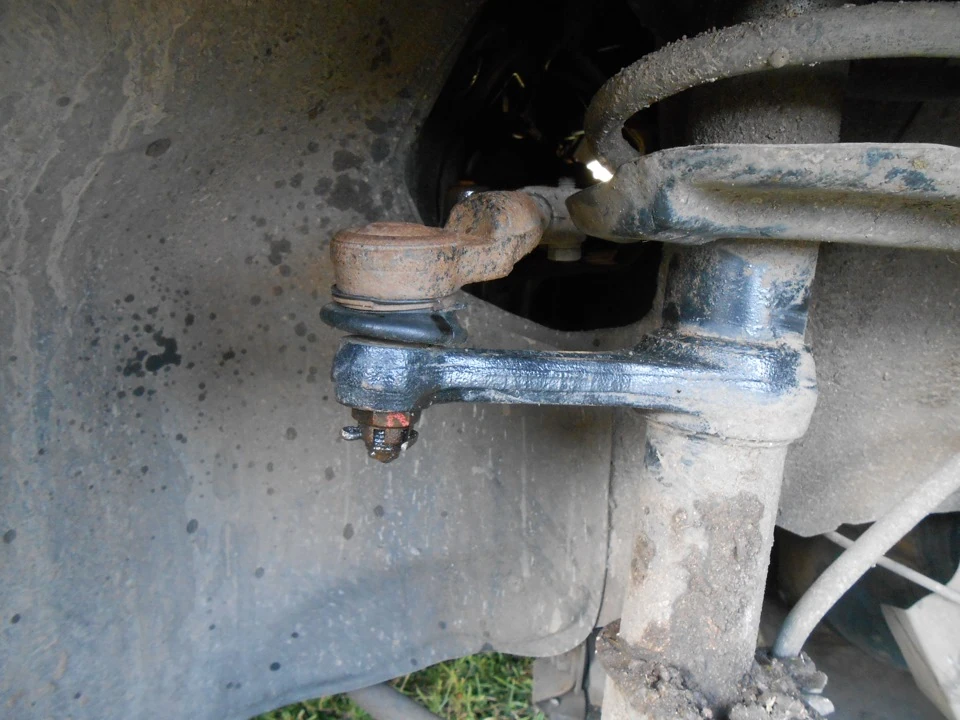
Loose or worn tie rod ends can also be responsible for steering wheel vibration. Under normal conditions, the ball joint inside the tie rod should move with a certain amount of resistance. Over time, however, excessive wear can create play in the joint.
As the looseness increases, vibrations may become more pronounced, and steering precision can deteriorate. In many cases, the amount of free play is substantial enough to be noticed during a routine inspection.
5. More Serious Mechanical Problems
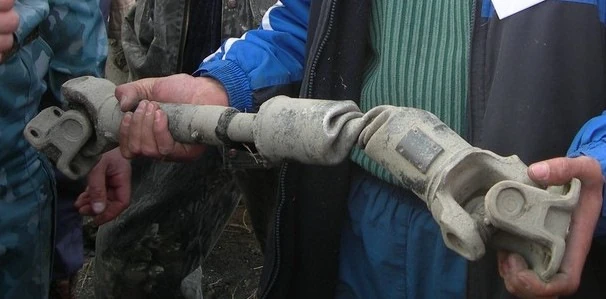
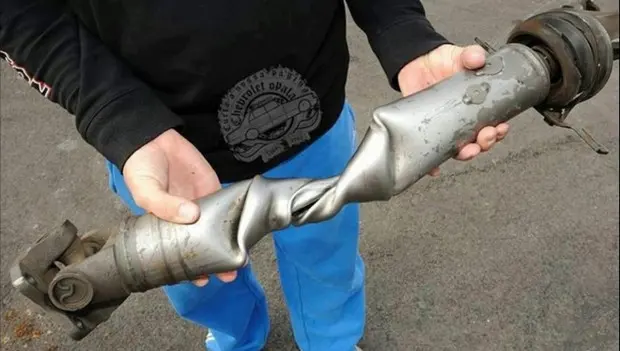
In some cases, steering wheel vibration may indicate a more significant issue. One of the most common causes is a damaged or bent axle shaft. Unfortunately, such defects are often difficult to detect without specialized equipment.
If the vibration persists after ruling out simpler causes, it's best to have the vehicle inspected by a qualified technician. Ignoring the problem could lead to more expensive repairs—or, worse, compromise the vehicle's safety.
You may also be interested in the news:

The “Gas-Saving” Tricks That Could Destroy Your Car — And What Drivers Should Do Instead
Some fuel-saving tricks can backfire, costing drivers far more in repairs than they ever save at the gas pump.
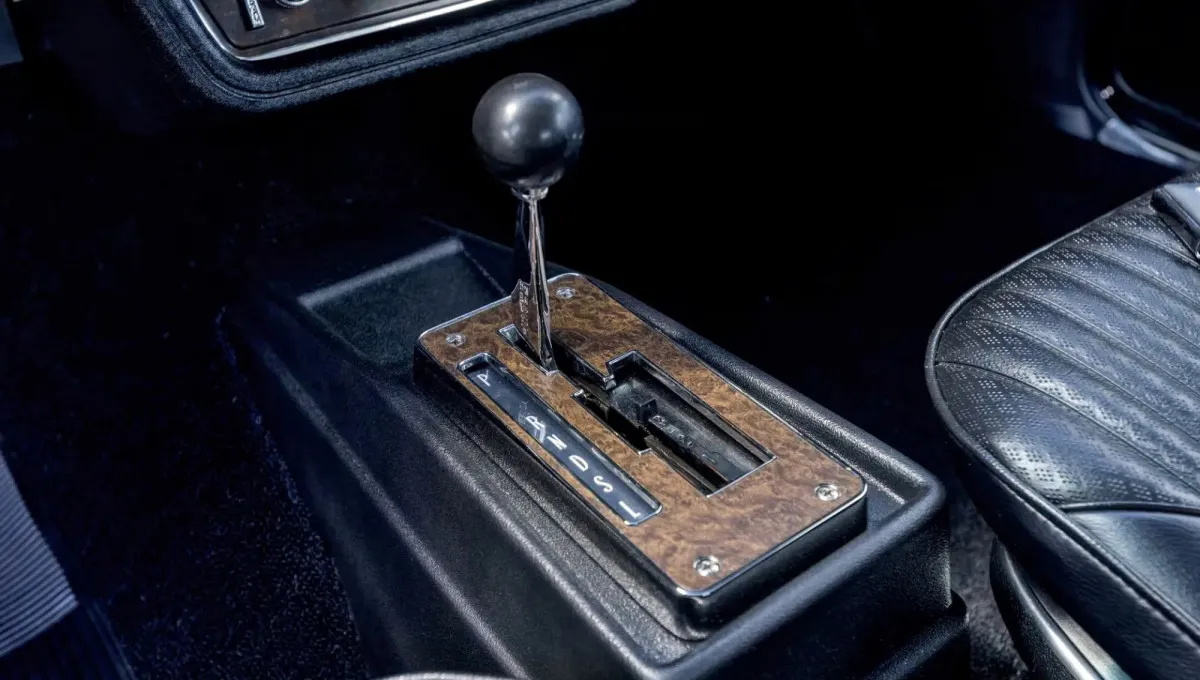
How Oldsmobile Invented a Manual Gearbox for an Automatic
Long before paddle shifters and electronic driving modes, Oldsmobile found a clever mechanical way to let drivers shift an automatic transmission themselves.

328,000 Jeep Grand Cherokees Recalled Over a Hidden Crash Risk — Owners Should Act Now
Chrysler is recalling more than 328,000 Jeep Grand Cherokees over a rear coil spring problem that could increase the risk of a crash.

How to Protect Your Car Mirrors From Rain: A Simple Home Hack
A simple household product can help keep your car’s side mirrors clearer when rain makes visibility a challenge.
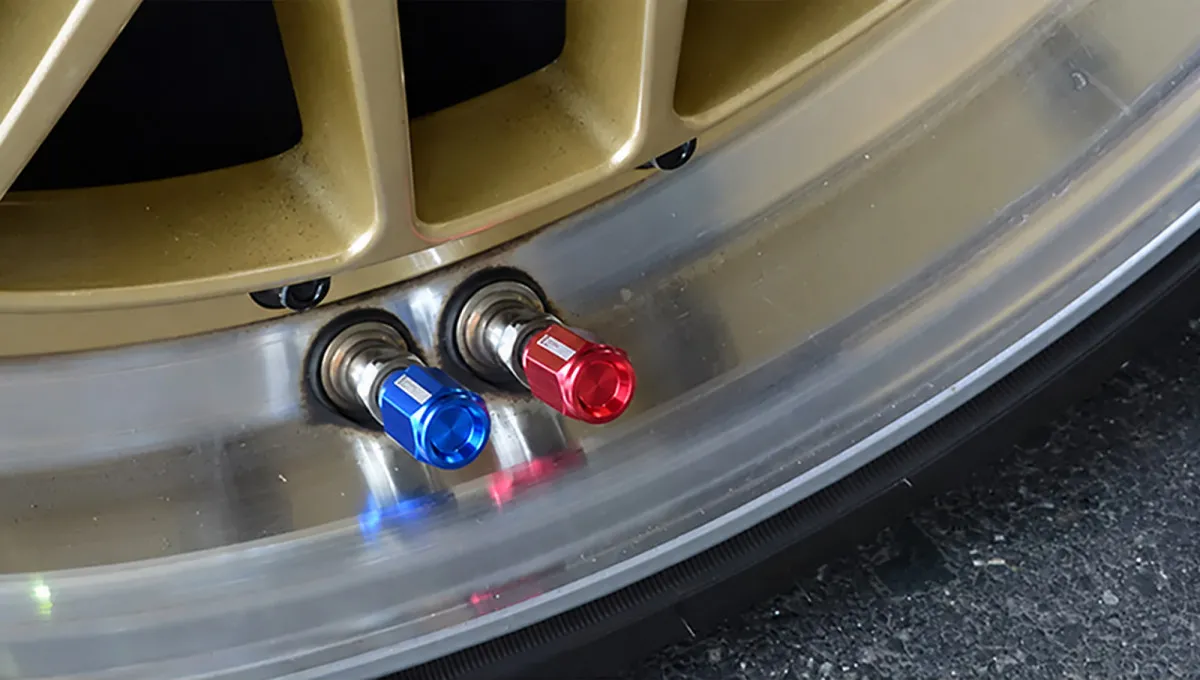
Not a Manufacturing Error: Why Some Wheels Have Two Valve Stems
Two valve stems on one wheel may look unusual, but the setup serves a practical purpose in racing and specialized tire service.