
Catalytic Converter Removal: Pros, Cons, and What Drivers Should Know
Catalytic converters are standard equipment on nearly every modern vehicle, but many owners eventually face repairs or removal.
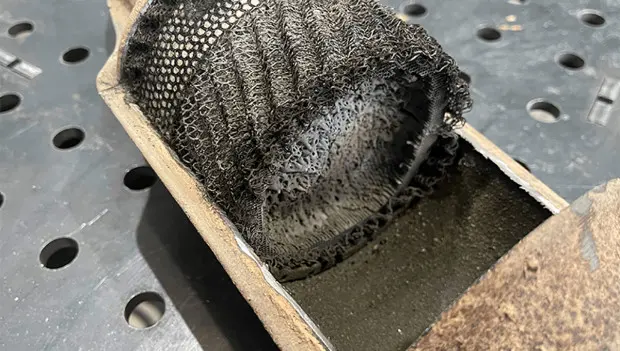
Catalytic converters are found on virtually all modern vehicles and play a key role in reducing harmful exhaust emissions. However, many owners eventually encounter the need to replace or remove them.
How Long Does a Catalytic Converter Last?
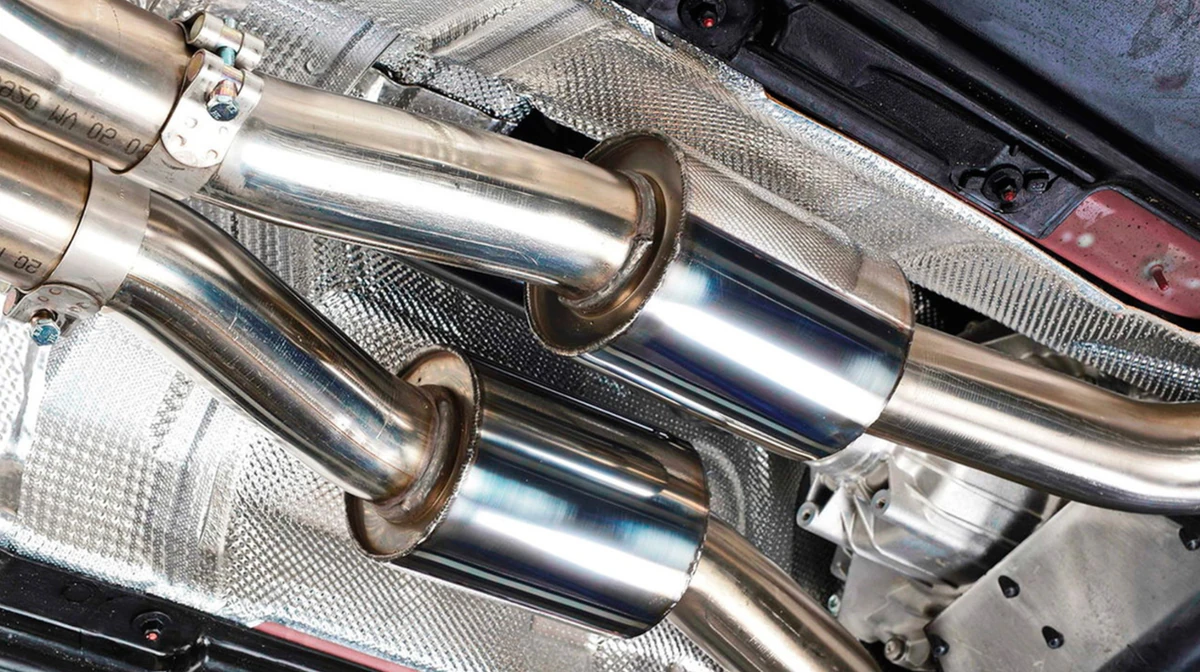
Located in the exhaust system, a catalytic converter contains ceramic or metallic honeycomb structures coated with precious metals. As exhaust gases pass through the unit, chemical reactions neutralize many harmful pollutants.
In most cases, a catalytic converter lasts between 62,000 and 124,000 miles. Its lifespan depends on fuel quality, engine condition, and driving habits. Common causes of failure include poor-quality fuel, oil entering the combustion chamber, ignition system problems, and physical damage caused by impacts or overheating.
Catalytic converter removal is most often performed after the internal honeycomb structure breaks down. Drivers may notice several warning signs:
- Reduced engine performance.
- Increased fuel consumption.
- Warning messages or fault codes appearing on the dashboard.
- Unusual noises coming from the exhaust system.
Pros and Cons of Removal
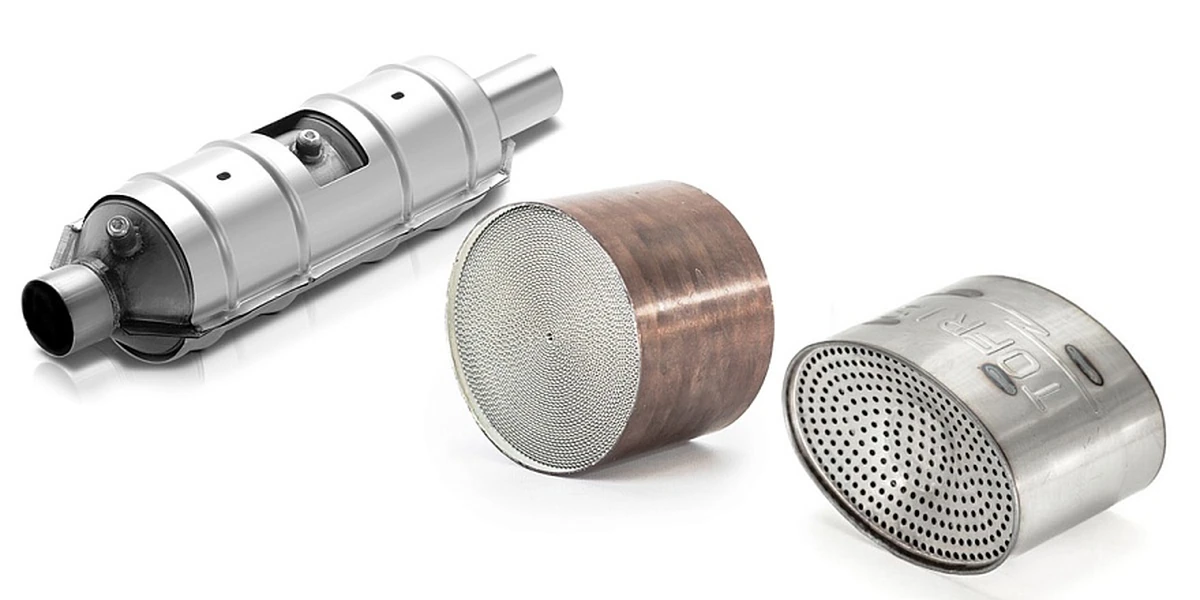
Before removing a catalytic converter, it's important to understand both the benefits and the potential drawbacks.
Removing a damaged converter can restore normal vehicle operation. One of the biggest advantages is reduced exhaust restriction. A clogged or deteriorating converter limits the flow of exhaust gases, which can negatively affect engine performance. Once removed, cylinder scavenging improves and drivers may notice a slight increase in power.
Another benefit is lower repair costs. A factory replacement catalytic converter can cost roughly $700 to $1,400, while alternative solutions, such as installing a resonator or flame arrestor-style replacement, are often significantly less expensive.
The procedure can also eliminate the risk of broken ceramic particles being drawn back into the engine. On some vehicles, this issue can lead to severe cylinder and piston damage, resulting in costly engine repairs or even a complete overhaul.
However, catalytic converter removal comes with several disadvantages:
- Higher levels of harmful emissions.
- Potential problems passing emissions or safety inspections.
- The engine control module may require recalibration.
- Warning lights, including the Check Engine light, may appear, potentially affecting engine operation.
- A modified exhaust system can reduce the vehicle's resale value, as some buyers prefer cars that remain in factory condition.
What the Procedure Involves
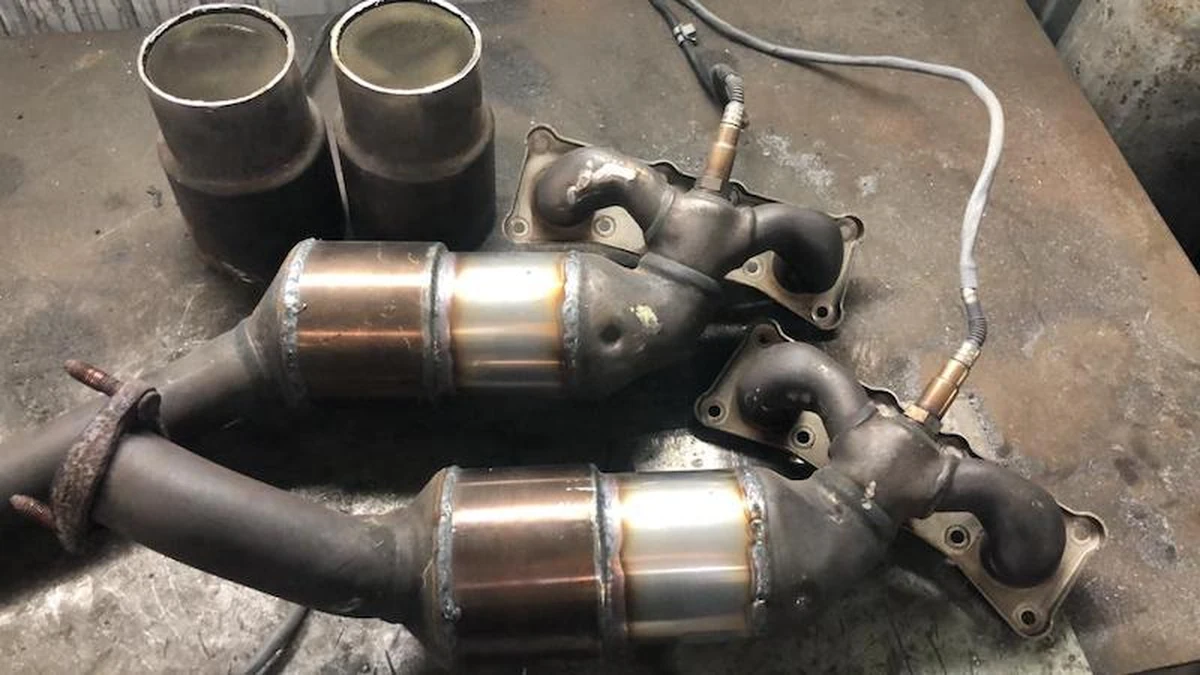
The first step is a thorough inspection of the exhaust system and engine. This helps confirm that the catalytic converter is actually causing the problem and that no other components are at fault.
Next, technicians remove the converter. Depending on the vehicle's design, they may either remove the damaged internal material or replace the entire converter housing with an alternative component. This approach helps maintain proper exhaust flow and minimizes unwanted noise.
After the mechanical work is completed, the engine control module is reprogrammed. Specialists adjust the software or install additional solutions to ensure the oxygen sensors function correctly.
The final stage includes a complete system check, confirmation that no fault codes remain, and road testing under various driving conditions.
You may also be interested in the news:

328,000 Jeep Grand Cherokees Recalled Over a Hidden Crash Risk — Owners Should Act Now
Chrysler is recalling more than 328,000 Jeep Grand Cherokees over a rear coil spring problem that could increase the risk of a crash.
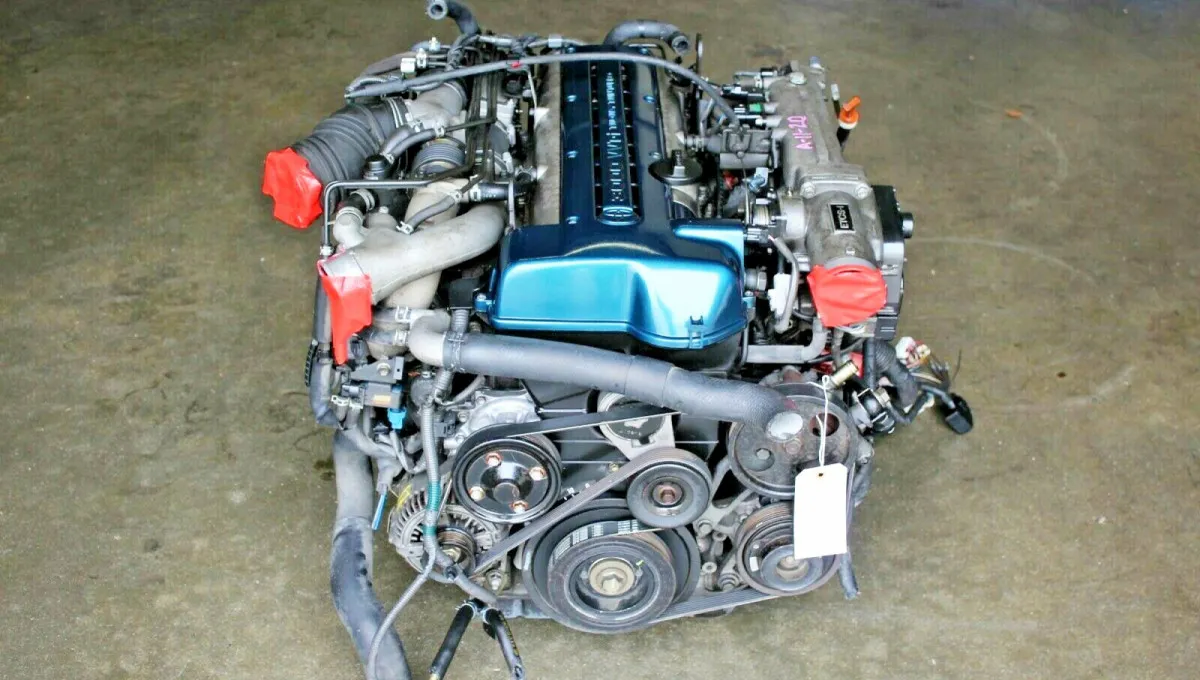
Toyota Built It to Survive 300,000 Miles. Tuners Turned It Into a 2,000-HP Beast
Toyota engineers may have gone too far with durability — and accidentally created the ultimate engine for hot-rodding.
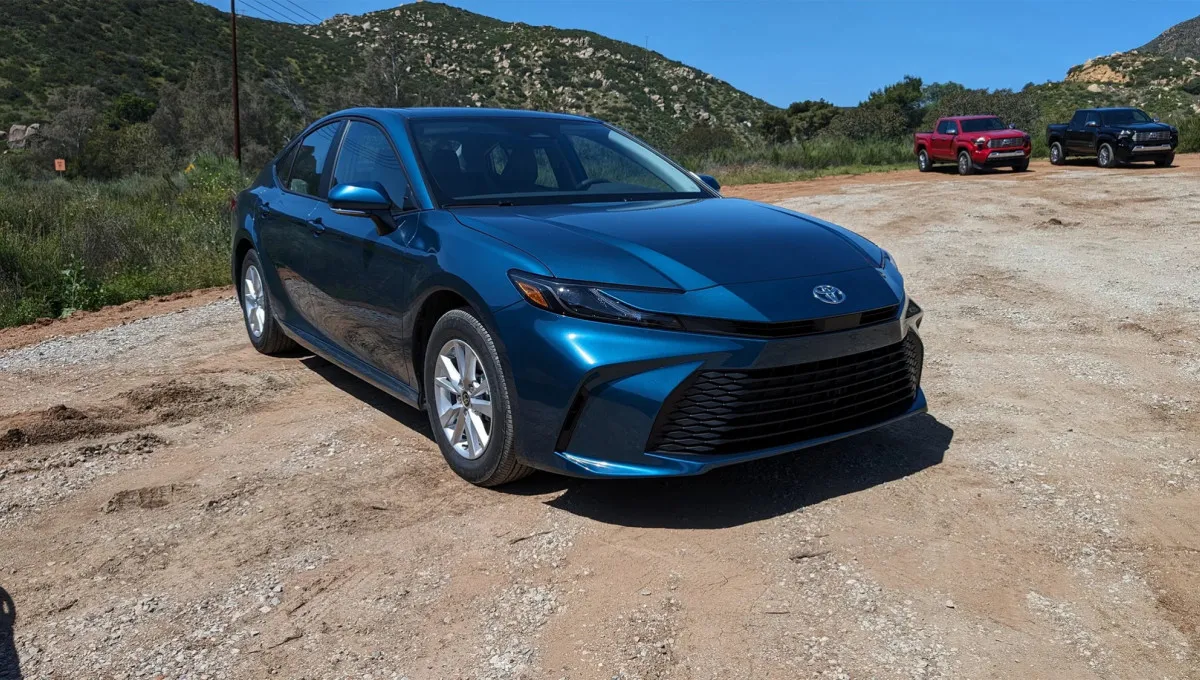
Americans Are Finding Out How Much It Costs to Replace a Hybrid Battery in a Modern Toyota
A Toyota hybrid battery can cost as much as $4,500 to replace, depending on the model and battery type.

Tesla Recalls 2026 Model Y Over Front Suspension Fasteners That Could Affect Steering
Tesla has recalled select 2026 Model Y vehicles after front suspension fasteners were found improperly tightened during assembly.
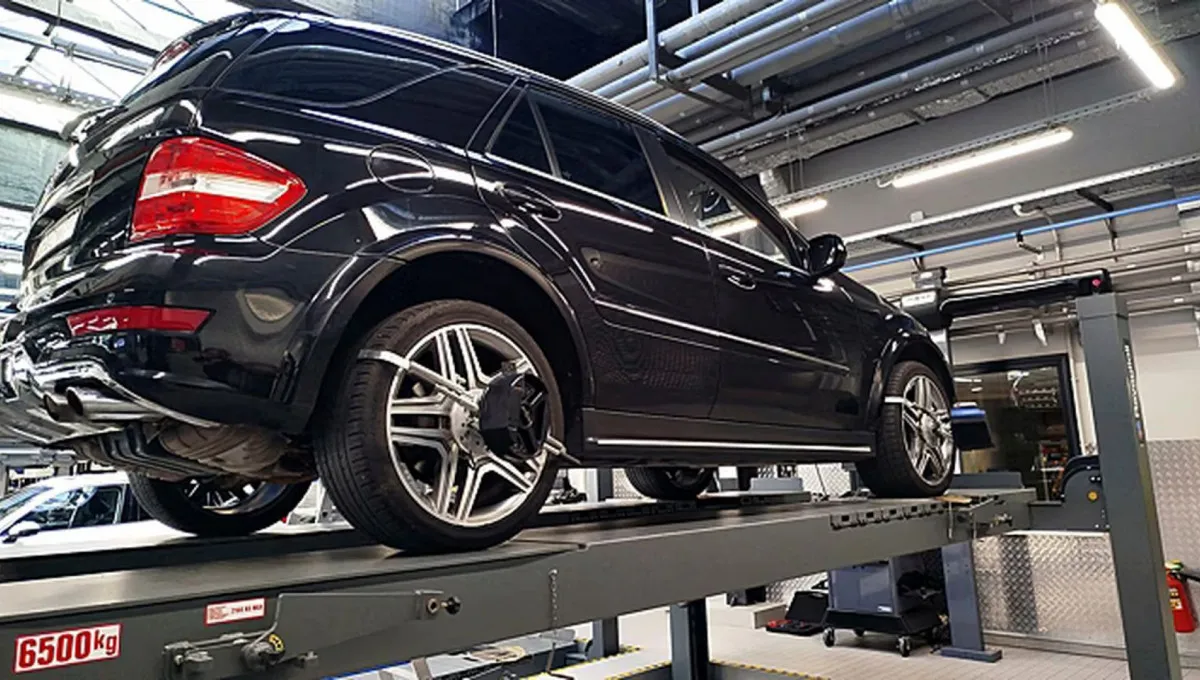
Car Diagnostics: What It Is, Why You Need It, and How It Works
Every driver has heard the advice: “Take it in for diagnostics.” But what does that actually mean? Is it just reading trouble codes with a scanner, or is there more to it? And most importantly, why pay for diagnostics if the car runs and doesn't seem to be breaking down? Here's what the term really covers, when diagnostics are necessary, and how the procedure is performed at a modern repair shop.