
Rusty Rocker Panels Aren’t the End: An Inexpensive DIY Repair Method
Severely rusted rocker panels don't always require expensive welding or complete replacement work.
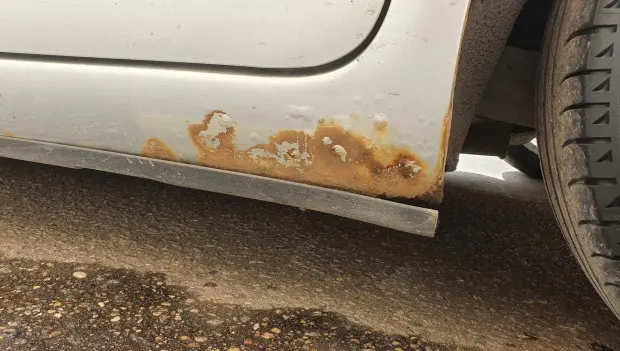
Rocker panels are among the most vulnerable parts of a vehicle's body. On many cars, they are the first areas to fall victim to corrosion, and once rust takes hold, it can spread quickly throughout the body structure if left untreated.
In some cases, the first signs of rust can appear just a few years after purchase. On vehicles that are more than a decade old and lack galvanized body protection, corrosion around the rocker panels becomes especially common. Having new rocker panels welded in can be an expensive repair, but ignoring the problem altogether only allows rust to spread further.
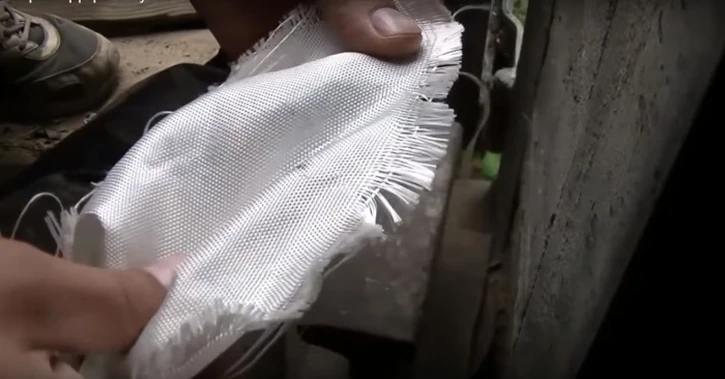
For years, many DIY enthusiasts have relied on a low-cost alternative that can help slow the damage and restore the appearance of the affected area without major bodywork.
The method starts with fiberglass cloth, which is readily available at most auto parts stores. You'll also need fiberglass body filler, sandpaper, and a solvent or degreaser to prepare the surface.
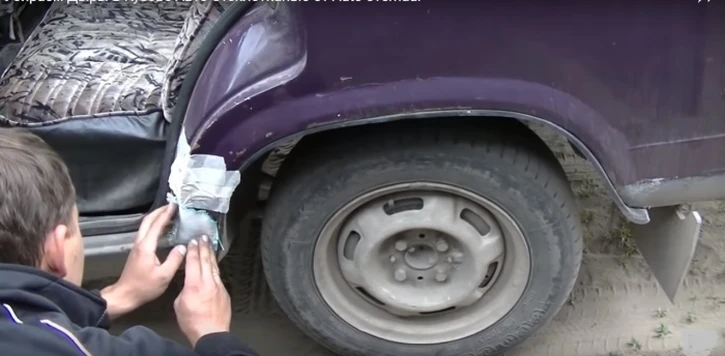
The key to the repair is that once the fiberglass material is combined with the filler and properly cured, it becomes surprisingly rigid. Some mechanics even claim that a properly reinforced section can withstand the pressure of a floor jack, although permanent structural repairs still require metal replacement.
Before any filler is applied, the damaged area must be thoroughly cleaned. All traces of rust should be removed, even if doing so exposes holes in the metal. Eliminating corrosion completely is essential to preventing it from continuing to spread beneath the repair.
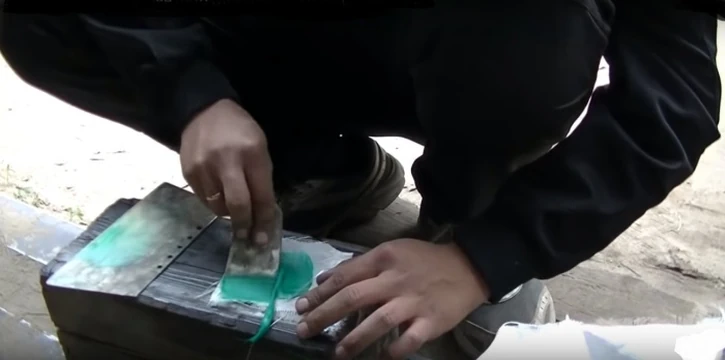
Next, cut a section of fiberglass cloth large enough to cover the damaged area, leaving some overlap around the edges. Apply a layer of fiberglass filler to one side of the cloth, ensuring that the entire surface is coated.
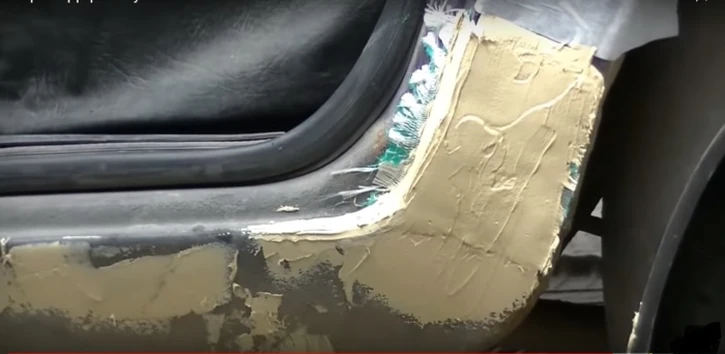
The treated fiberglass is then pressed onto the cleaned and degreased section of the body. After allowing it to set for about 10 minutes, another layer of filler can be spread over the top. This outer coat can be slightly thinner than the first.
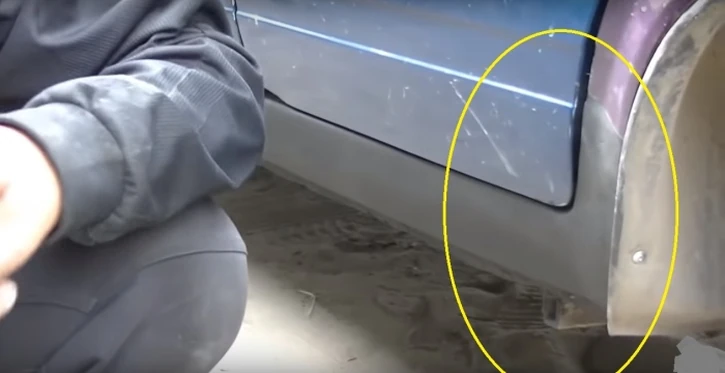
Once the material has fully cured, the repaired section can be sanded smooth and shaped to blend with the surrounding bodywork. After painting, the patch becomes far less noticeable, giving the rocker panel a much cleaner appearance.
While this approach isn't a substitute for professional metal replacement, it remains a popular and inexpensive way to deal with rust and extend the life of an aging vehicle.
You may also be interested in the news:
Your Brakes Squeal Every Morning? Here’s When That Noise Is Normal—and When It Could Mean Trouble
That sharp brake squeal first thing in the morning is often harmless—but persistent noise can point to worn or damaged brake components.
7 Car Repairs Mechanics Secretly Hate Taking on — Here’s Why Shops Say “No”
A mechanic explains why some seemingly routine repairs can become expensive nightmares for both shops and car owners.

328,000 Jeep Grand Cherokees Recalled Over a Hidden Crash Risk — Owners Should Act Now
Chrysler is recalling more than 328,000 Jeep Grand Cherokees over a rear coil spring problem that could increase the risk of a crash.
Americans Are Finding Out How Much It Costs to Replace a Hybrid Battery in a Modern Toyota
A Toyota hybrid battery can cost as much as $4,500 to replace, depending on the model and battery type.

Tesla Recalls 2026 Model Y Over Front Suspension Fasteners That Could Affect Steering
Tesla has recalled select 2026 Model Y vehicles after front suspension fasteners were found improperly tightened during assembly.