
Why Some German Cars Had Smaller Passenger-Side Mirrors Than Driver-Side Mirrors
Many European cars once used mismatched side mirrors, and there was a practical reason behind it.

Some drivers may have noticed it, while others are just discovering it now: a number of older European cars came with side mirrors of different sizes. At first glance, the design seems odd, but there was actually a very practical reason for it.
Take a close look at Mercedes-Benz models from the 1990s, and you'll find that some of them featured a smaller mirror on the passenger side. The same approach was used on certain Audi A6 and Volkswagen Passat models. So why did German automakers intentionally make the right-side mirror shorter?
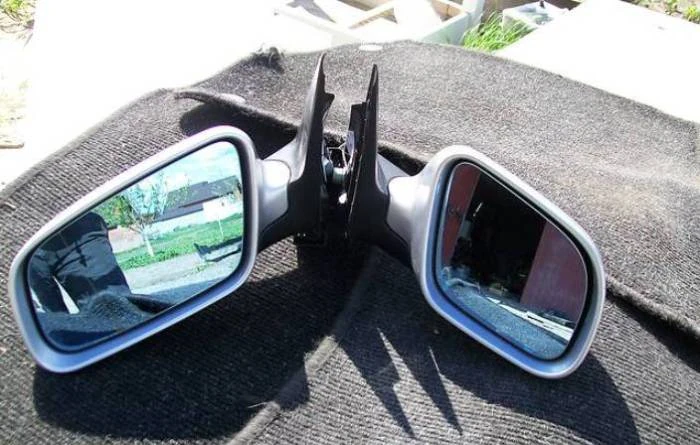
The unusual setup appeared on many premium German vehicles during the 1980s and 1990s, a period when cars were rapidly growing in size. With each new generation, sedans became longer and, more importantly, wider.
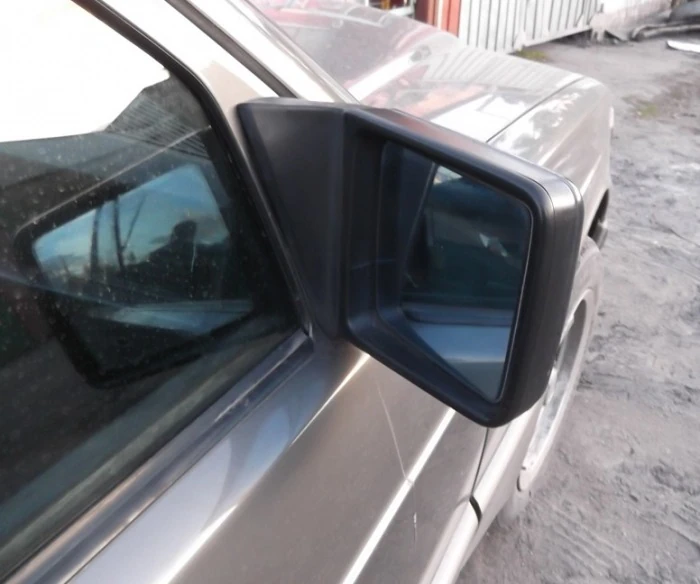
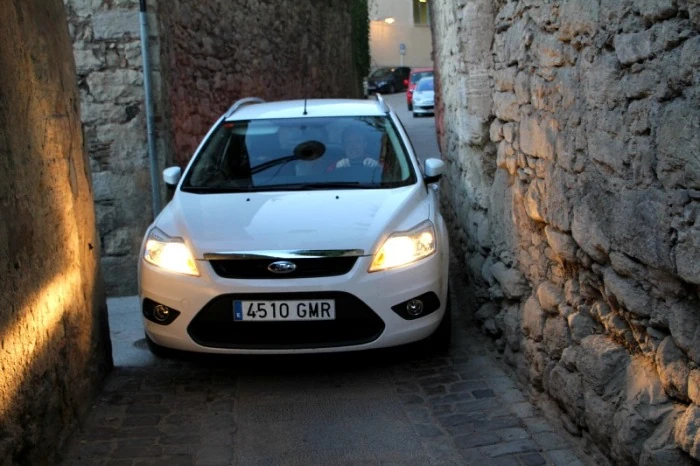
Those larger dimensions created challenges on the narrow streets common throughout Europe. Side mirrors were often the first parts to hit walls, poles, or other obstacles, and the passenger-side mirror was especially vulnerable. Drivers could easily fold the left mirror manually if they spotted a tight space, but the right-side mirror was much harder to judge from behind the wheel.
Another factor dates back even earlier. In the 1970s, a passenger-side mirror was often an optional extra rather than standard equipment. Since passing on the right was prohibited in many countries, manufacturers considered the right mirror less important.
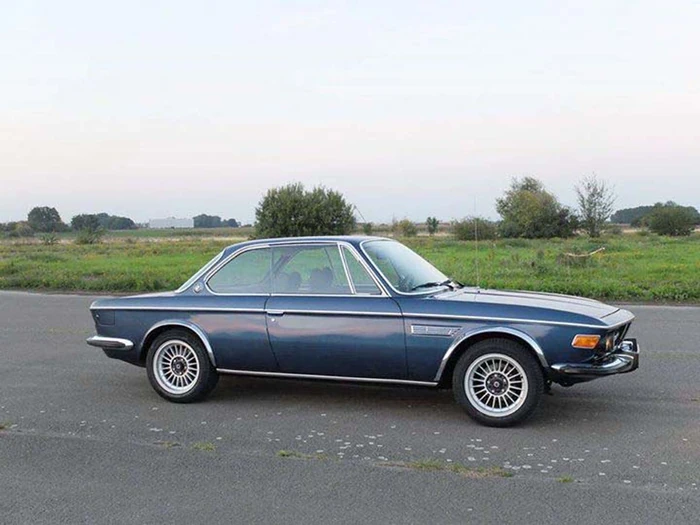
As a result, the smaller passenger-side mirror became something of a compromise aimed at making wide luxury cars easier to live with. Eventually, however, the solution disappeared. Automakers introduced mirrors mounted on flexible hinges and later added power-folding systems. Drivers also adapted to the increasing size of modern vehicles.
There was one more drawback: the smaller mirror simply didn't provide as good a view of traffic behind the car. As visibility and safety became more important, equal-sized mirrors became the industry standard.
You may also be interested in the news:
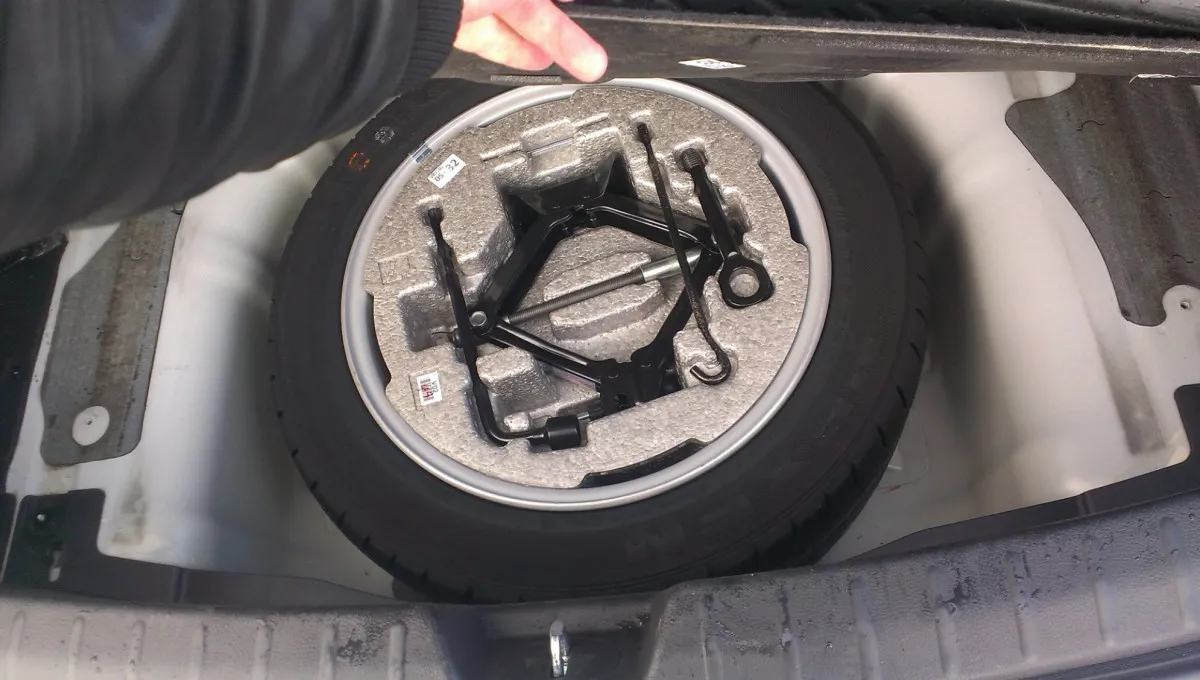
Why New Cars Are Ditching the Spare Tire — And What Drivers Get Instead
More new vehicles are replacing the spare tire with a compressor and sealant kit, and there are two practical reasons why.
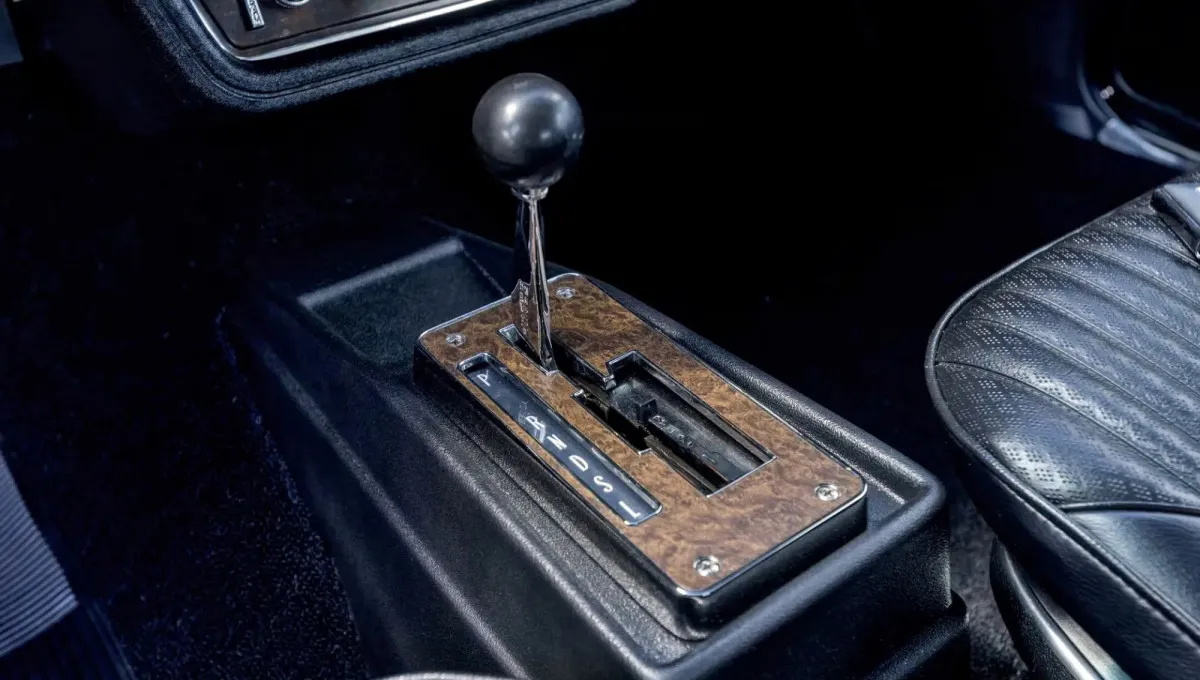
How Oldsmobile Invented a Manual Gearbox for an Automatic
Long before paddle shifters and electronic driving modes, Oldsmobile found a clever mechanical way to let drivers shift an automatic transmission themselves.
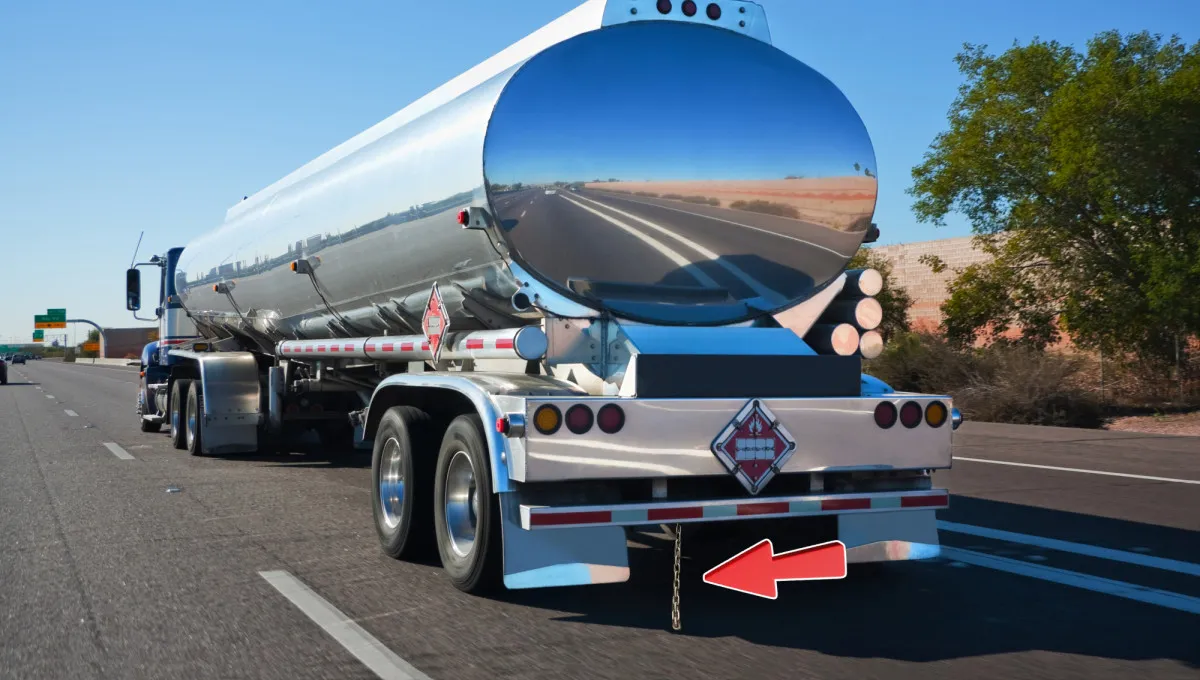
You’ve Seen This Chain Behind Fuel Tankers — But Do You Know What It’s Really For?
The metal chain dragging behind a fuel tanker isn't a forgotten part or a coincidence—it has long been associated with fire safety.
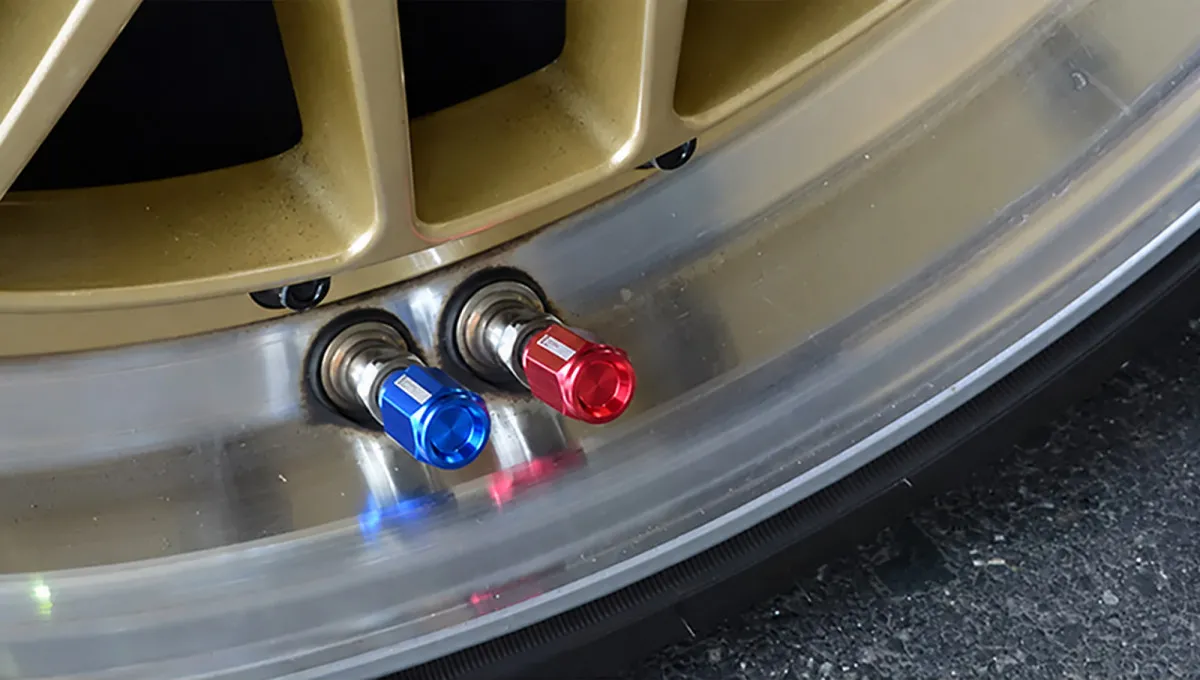
Not a Manufacturing Error: Why Some Wheels Have Two Valve Stems
Two valve stems on one wheel may look unusual, but the setup serves a practical purpose in racing and specialized tire service.
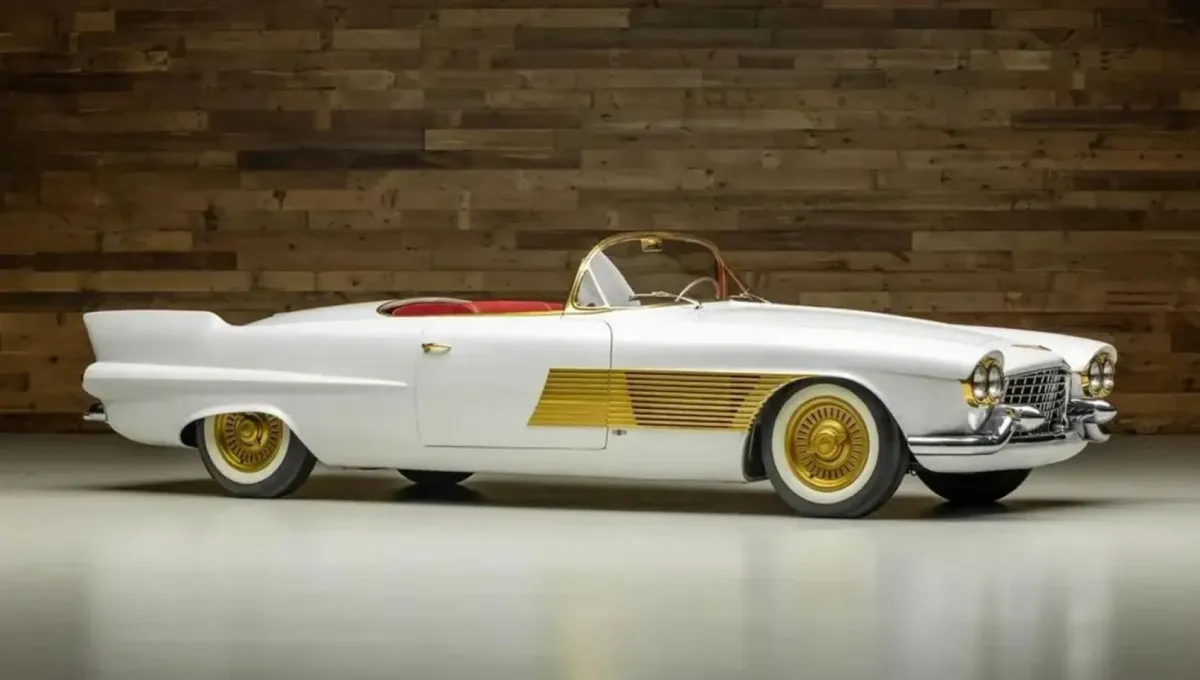
Gilded 1953 Cadillac Sells for a Record $1.275 Million
The unique Cadillac Elegante, featuring an Italian aluminum body and 24-karat gold trim, went to auction for the first time more than 70 years after it was built. It became the most expensive Cadillac ever sold at public auction.