
6 Car Problems Every Driver Should Know How to Fix
Many common vehicle issues can be handled at home with basic tools and a little know-how.

These days, many drivers rely on repair shops for almost everything. That convenience often comes with hefty bills, and the quality of the work doesn’t always justify the cost. In reality, there are plenty of simple repairs that even beginners can tackle on their own using basic hand tools. Here are six common problems every driver should be able to handle.
1. Replacing Air Filters
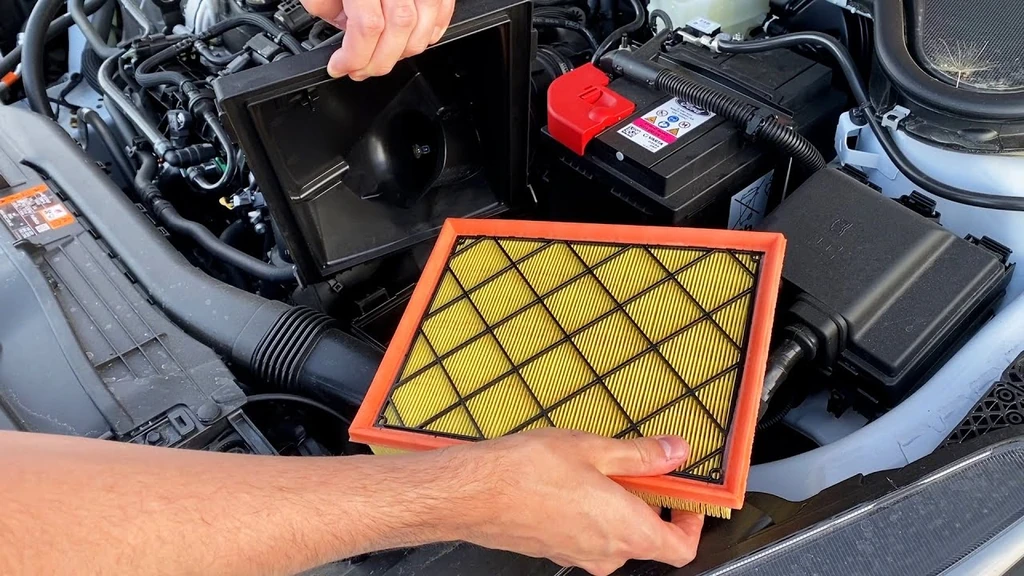
Many owners leave engine air filter and cabin air filter replacement to service centers because they’re afraid of damaging something. In most vehicles, though, the job is incredibly simple.
Often, all that’s required is a wrench—or sometimes just releasing a few clips. Checking the filter is easy: if it’s dirty and gray, remove it, install a new one, and put everything back together. The entire process usually takes just a few minutes.
2. Replacing the PCV Valve
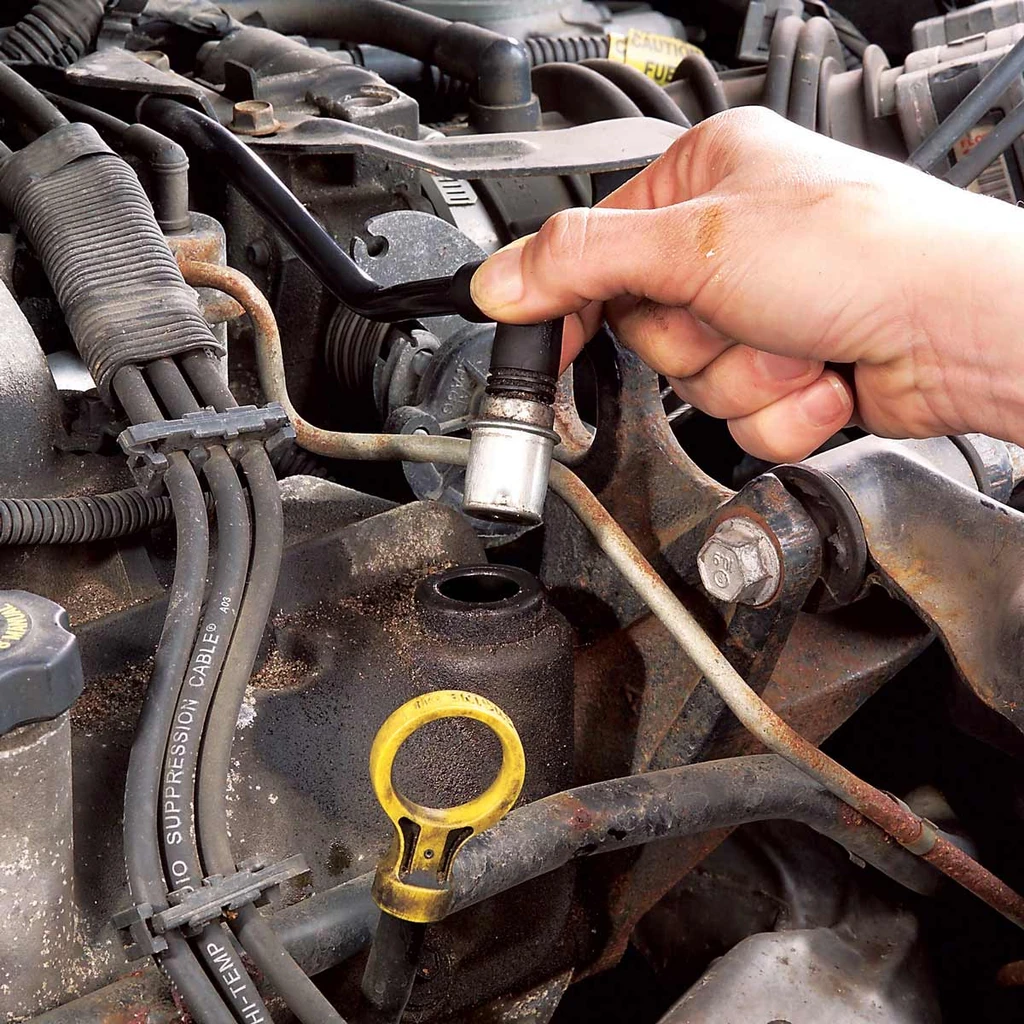
A faulty positive crankcase ventilation (PCV) valve can restrict airflow and cause fuel consumption to increase. Fortunately, replacing the part is straightforward and should be done according to the maintenance schedule recommended by the manufacturer.
Most PCV valves simply pull out of a rubber grommet and disconnect from a hose. Once removed, the new valve slips right into place.
3. Changing Hood Lift Supports
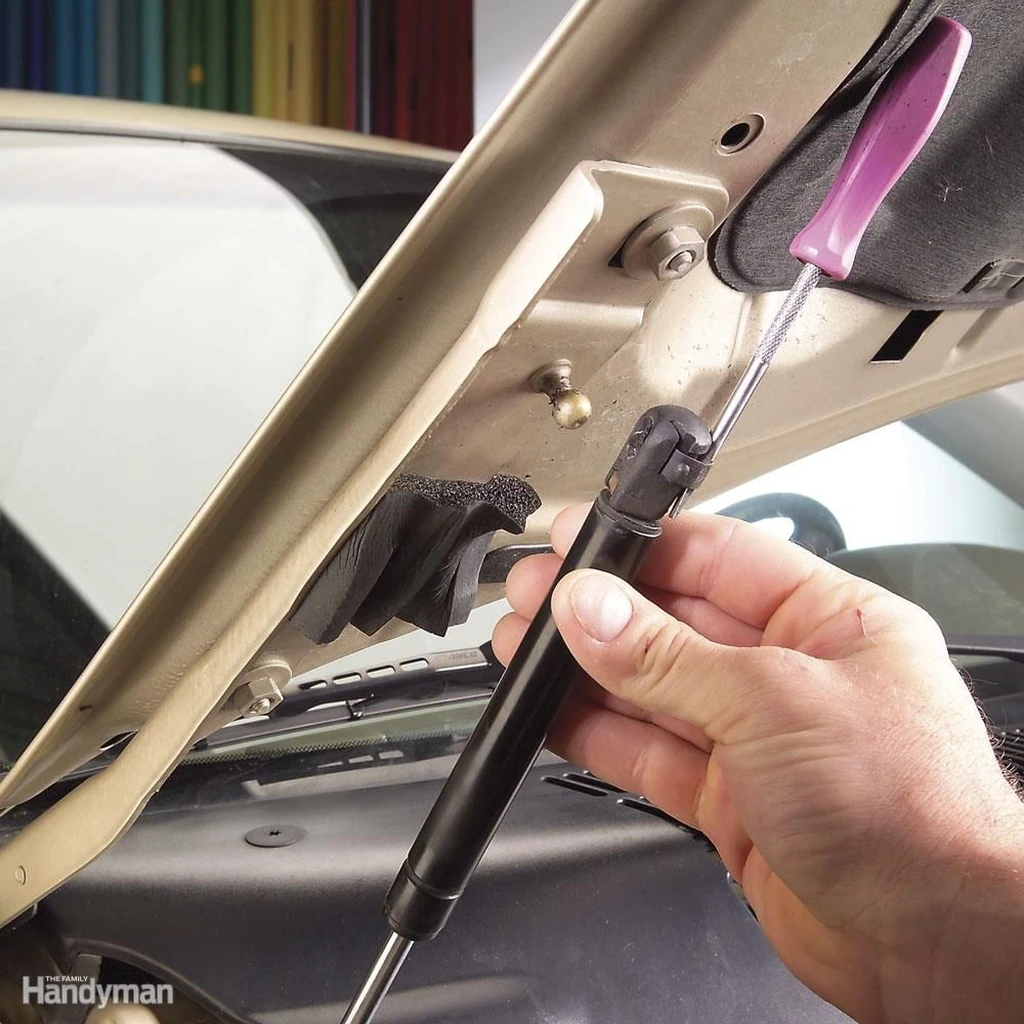
If the hood suddenly starts dropping on your head, worn-out gas struts are probably to blame. Replacement supports are inexpensive and widely available.
Depending on the design, some supports simply unscrew, while others use a ball-and-socket connection. In those cases, a flat-head screwdriver is usually all that’s needed to release the retaining clip.
4. Replacing Burned-Out Bulbs
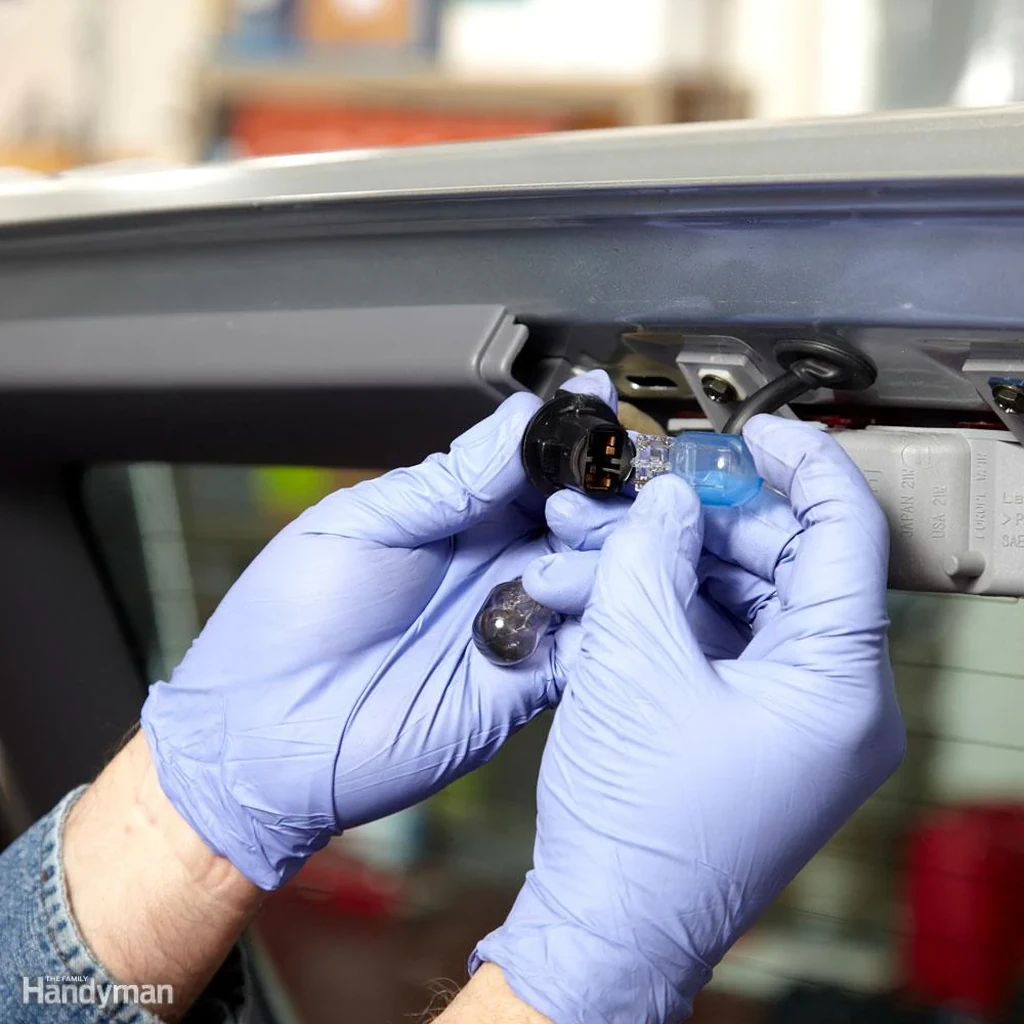
Changing license plate lights, turn signal bulbs, or fog lights is another repair most drivers can do themselves. Accessing the bulbs often requires removing a few screws and taking off the lens cover.
When installing new bulbs, it’s a good idea to wear gloves and place components on a clean paper towel. Keeping dirt and oils away from the bulbs can help extend their service life.
5. Touching Up Paint Chips and Surface Rust

Exposed metal begins to rust quickly if it isn’t protected. That’s why paint chips, scratches, and small rust spots should be addressed before they spread.
The fix is simple. Clean the damaged area with rubbing alcohol to remove grease and contaminants, then apply matching touch-up paint. A small brush works perfectly, but avoid applying too much paint, as it can run and leave an uneven finish.
6. Fixing a Leaking Sunroof
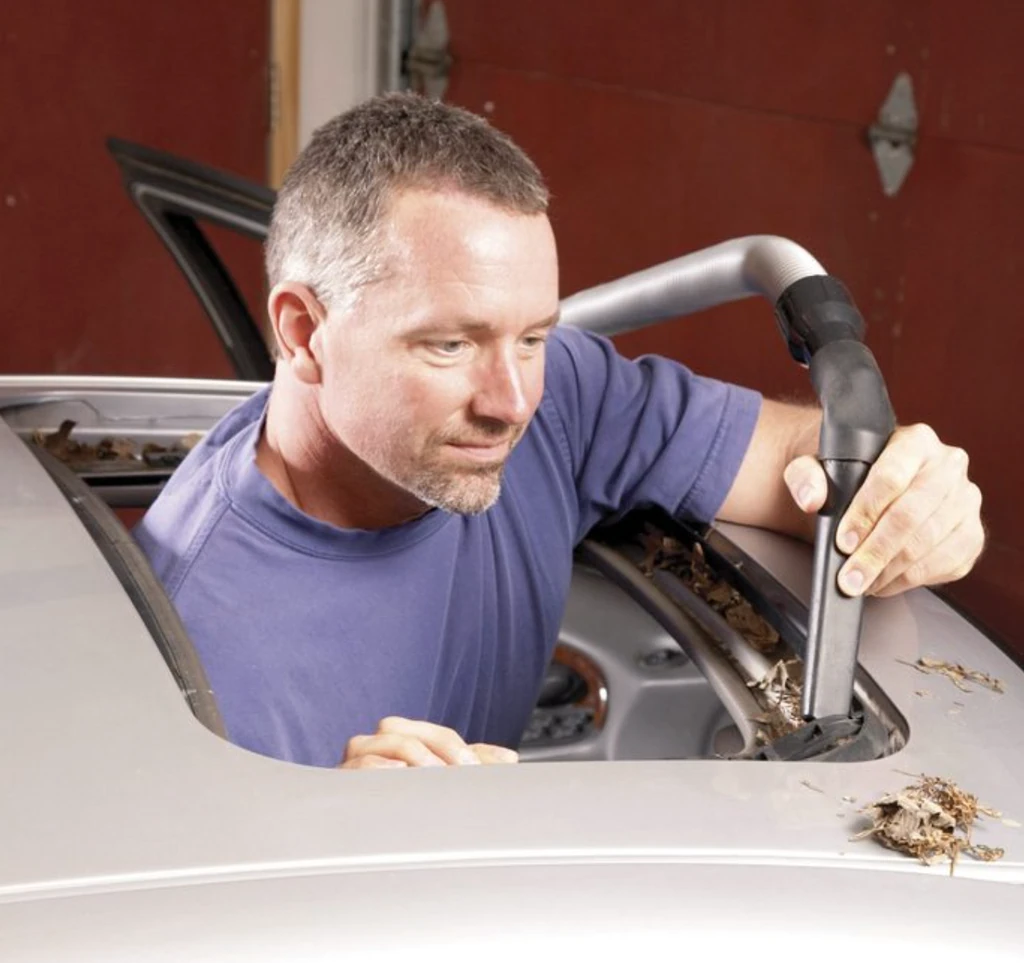
If water starts dripping into the cabin during rainstorms, clogged sunroof drains are often the culprit. Thankfully, the problem is usually easy to solve.
Open the sunroof and locate the drain holes at the front and rear corners. Then attach a narrow rubber hose to a household vacuum cleaner hose—duct tape works fine—to help clear debris from the drains.
Next, use a long, flexible cable or stiff wire to gently push through the channels and dislodge any remaining dirt. Once the passages are clear, the sunroof should drain properly again and stop leaking.
Not every repair requires a trip to the dealership or a costly visit to the shop. Learning a few basic maintenance tasks can save money, reduce downtime, and give drivers more confidence behind the wheel.
You may also be interested in the news:
A Dirty Car Could Be Quietly Damaging Your Engine — And the Repairs Can Cost Thousands
A dirty car can threaten the engine, causing overheating, corrosion, fires, and costly mechanical failures.

You've Seen These Black-and-Yellow Road Markers—But Do You Know What They Really Mean?
Those familiar black-and-yellow road markers quietly tell drivers which direction to take around roadside obstacles.
Start/Stop Systems Are Everywhere — But Are They Really Saving You Gas or Wearing Out Your Engine?
Does start-stop technology really save fuel, and does it put extra wear on the engine? Here’s what drivers need to know.

Your Zodiac Sign Has a 1,000-Mile Road Trip Waiting for You
Twelve signs, twelve roads. A camper, pickup, or SUV doesn't matter. What matters is the 1,000 miles of adventure ahead.
What Your Glove Box Says About You: See What Taurus, Virgo and Sagittarius Keep Inside
Every driver has their own glove-box habits. For Taurus, Virgo and Sagittarius, the items inside can reveal a surprising little story.