
90% of Drivers Get This TRIP Button Wrong – But Wait Till You See What Else It Hides
Many drivers assume it’s only for resetting the trip odometer, never realizing its real potential.
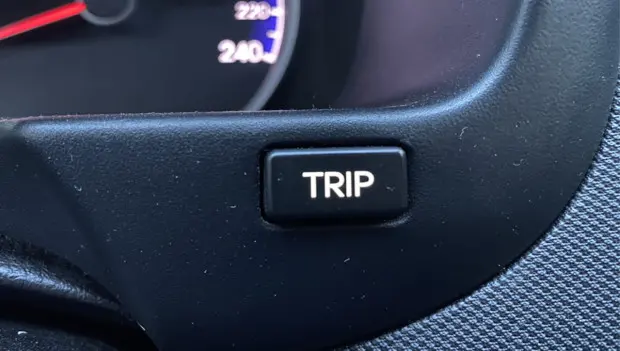
When you buy a used car, it’s not uncommon for the previous owner to have hidden away some of the vehicle’s most useful tricks. There are plenty of ways to uncover these secrets, and one of the handiest is right under your nose—on the instrument cluster.
That little button you use to zero out your daily mileage is actually a multi‑tool in disguise. Most folks think it only resets the trip counter, but it can do a whole lot more.
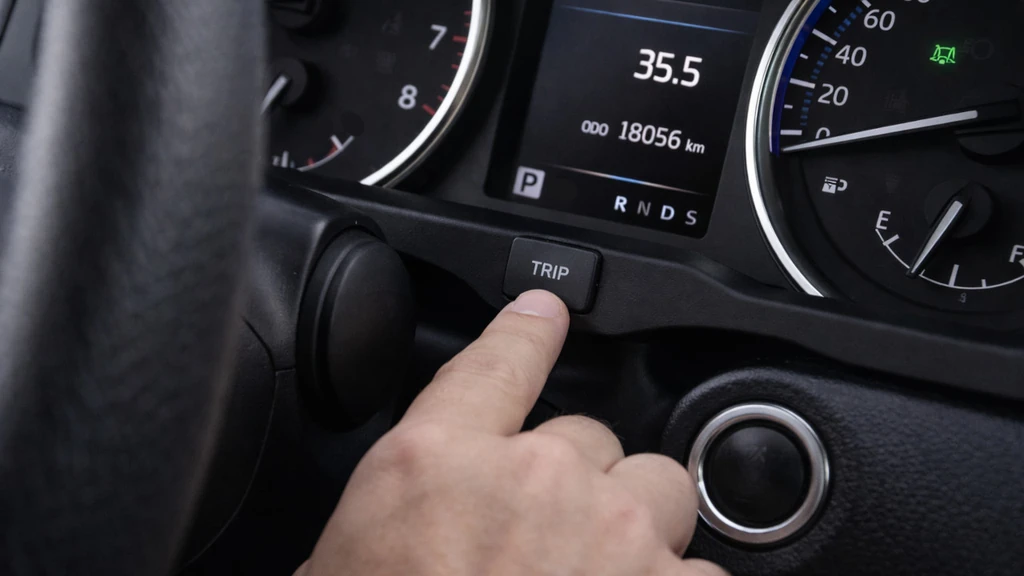
In modern cars, the onboard computer gives you a fuel‑economy readout, but it’s not always dead accurate, and many drivers don’t fully trust it. So they check their mileage the old‑fashioned way—by using that button to measure a known distance and calculating MPG manually. Here’s a pro tip: reset it right before a five‑mile test loop, then compare the actual gas you burn against what the computer predicts. If you see a discrepancy of more than 15%, that’s a red flag. It usually points to a lazy oxygen sensor or a clogged fuel injector, and that kind of negotiating leverage could easily knock $500 off the asking price when you're at the dealership.
But here’s the kicker: 90% of drivers have no idea that this same button can save them from getting burned when shopping for a pre‑owned vehicle. By knowing the right sequence, you can run a full self‑diagnostic test that lights up every warning lamp on the dash and sweeps all the needles from zero to full scale. This instantly reveals any burnt‑out bulbs—a common trick used by dishonest sellers to hide "Check Engine" or airbag warnings so they don't have to fix expensive issues.
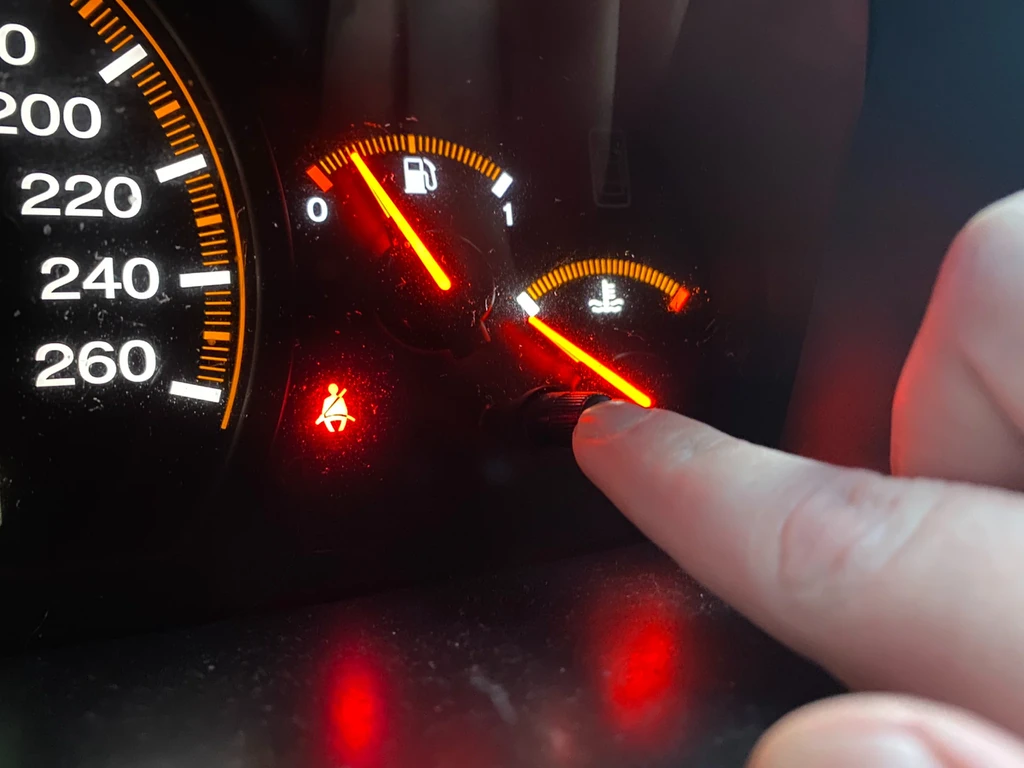
On some models, the button even lets you pull trouble codes straight from the engine control unit without any extra tools. For instance, on certain domestic and import vehicles, you turn the ignition to "ON" (without starting the engine), hold the reset button for a few seconds, then press it again—and the odometer display will flash a series of error codes. Jot those down, look them up online, and you’ll know exactly what issues the car might have. In many cases, a long press of the same button can also clear minor fault codes, potentially saving you a $120 "system scan" fee that dealership service bays love to charge for doing almost nothing.
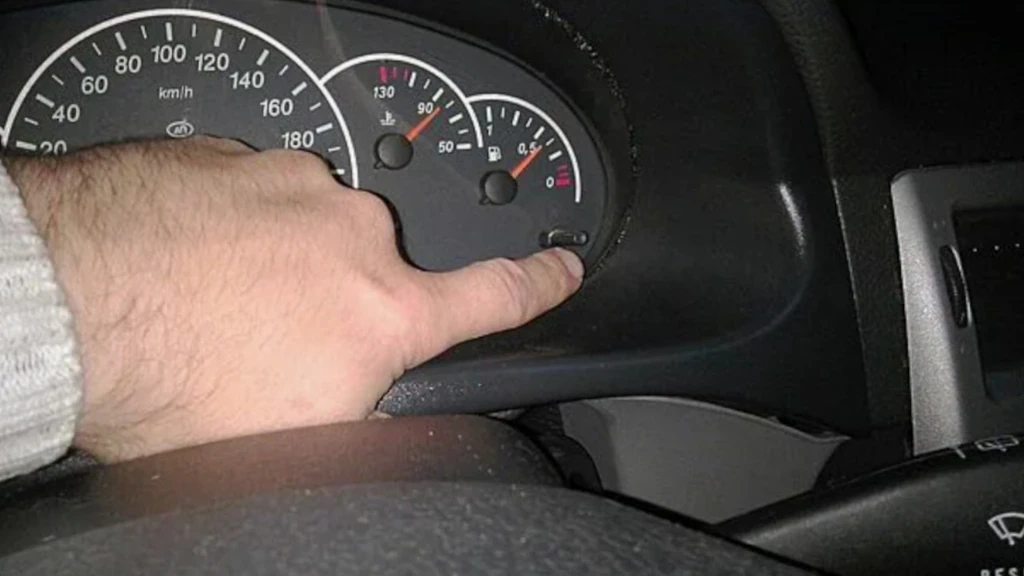
Beyond engine diagnostics, this unassuming button often doubles as a master reset for your infotainment system or Bluetooth pairing on many Ford and GM models. For example, on certain Chevy trucks, holding the trip reset for ten seconds while the ignition is in "accessory" mode will force‑reboot a frozen touchscreen—a fix that would otherwise cost you a $150 dealer visit. Some Subaru and Mazda models even let you customize welcome lighting or automatic door‑lock timing through the same button when combined with the turn‑signal stalk, which is a pretty cool party trick once you know about it.
The exact sequence varies by make and model—some require tapping the button a specific number of times, others need you to hold it for five or ten seconds. That’s why your owner’s manual is worth its weight in gold. Spend an afternoon flipping through it, and you might discover even more hidden tricks tailored specifically to your car. After all, a little knowledge about one tiny button can make the difference between driving home with a great deal or overpaying for a headache on wheels.
You may also be interested in the news:

12 Used Cars Retirees Should Know About—These Models Put Safety, Comfort and Reliability First
Great for Retirees: These Used Cars Stand Out for Safety, Reliability and Comfort
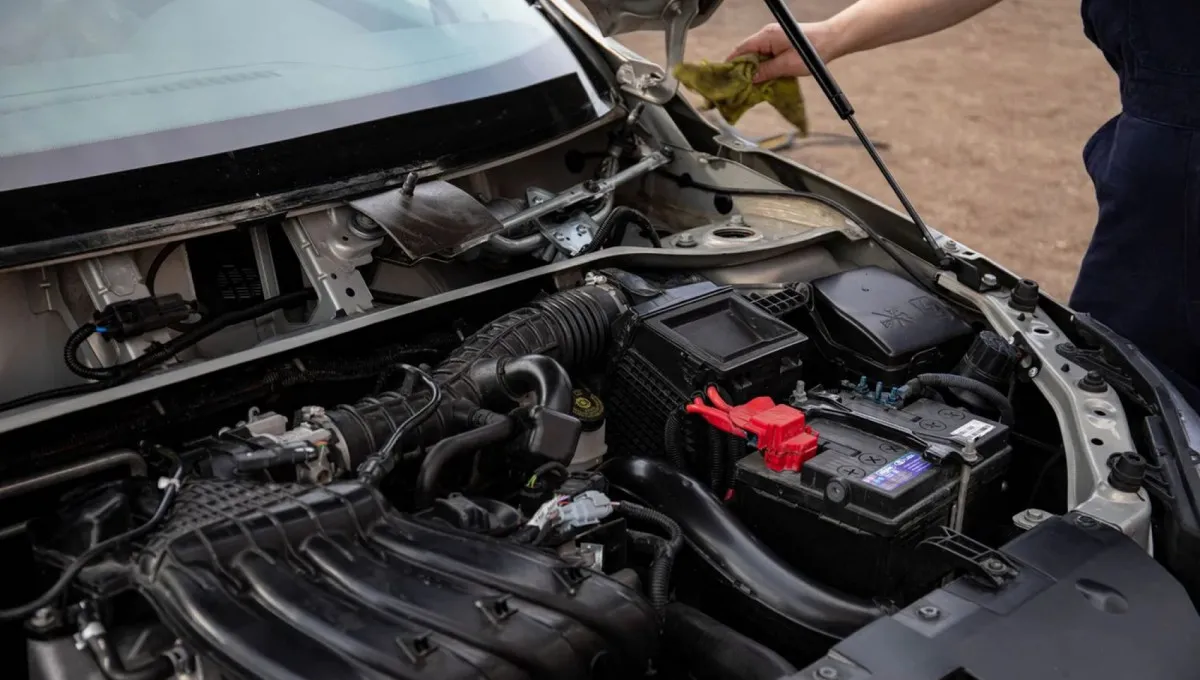
A Dirty Car Could Be Quietly Damaging Your Engine — And the Repairs Can Cost Thousands
A dirty car can threaten the engine, causing overheating, corrosion, fires, and costly mechanical failures.
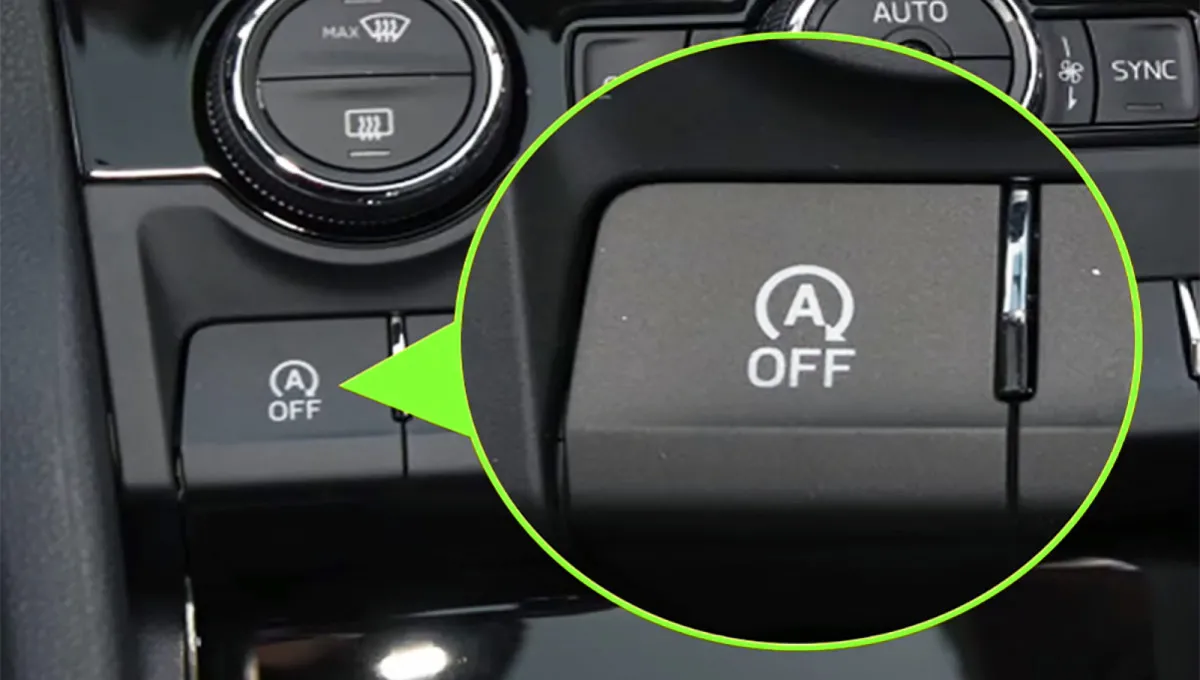
Start/Stop Systems Are Everywhere — But Are They Really Saving You Gas or Wearing Out Your Engine?
Does start-stop technology really save fuel, and does it put extra wear on the engine? Here’s what drivers need to know.
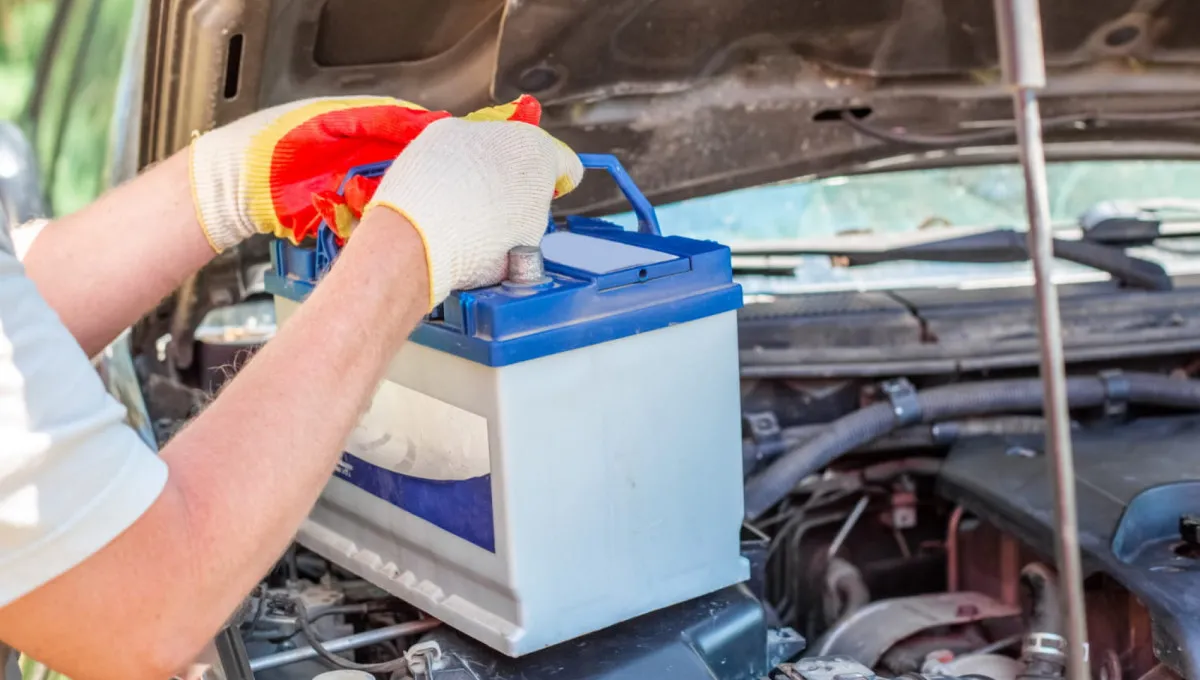
3 Signs Your Car Battery Is About to Die — And the Warning Signs Drivers Often Miss
A failing car battery rarely dies without warning, and these three signs can give drivers time to act before getting stranded.
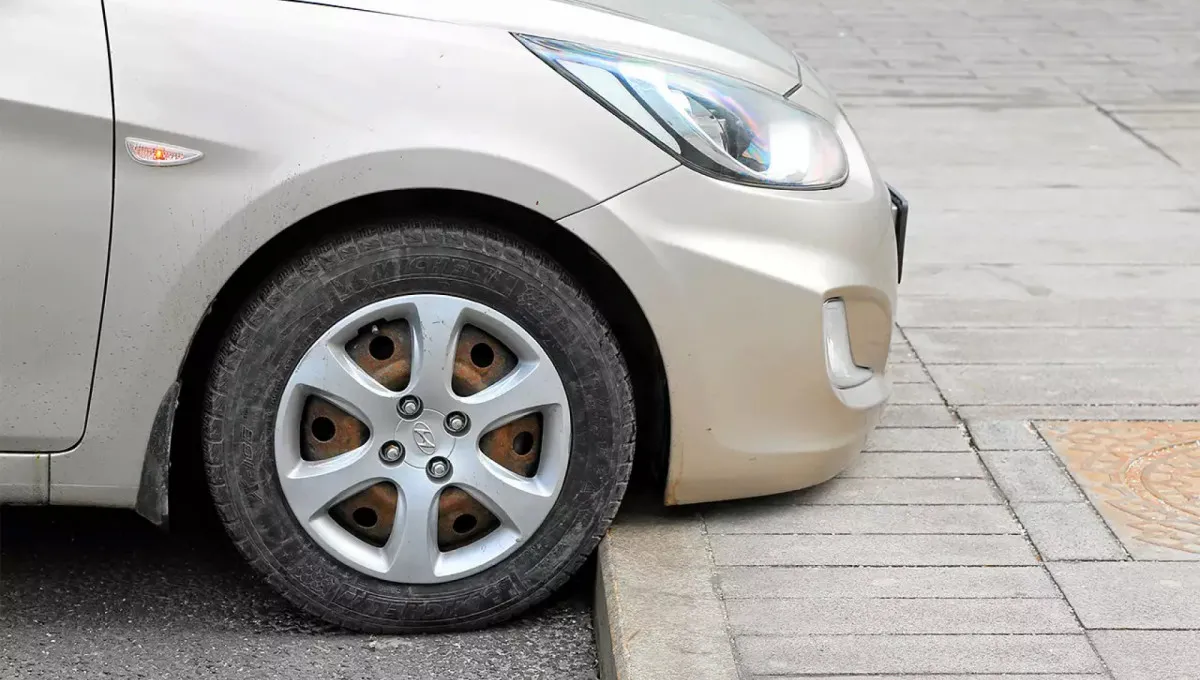
How to Park Close to a Curb Without Scratching Your Bumper: The Two-Mirror Method
How to Park Close to a Curb Without Scratching Your Bumper: The Simple Mirror Trick