
Most Drivers Don't Know This: When You Should Turn Off ESP, ABS, ASR and Traction Control
Electronic safety systems are invaluable, but there are a few situations where switching one of them off actually makes sense.
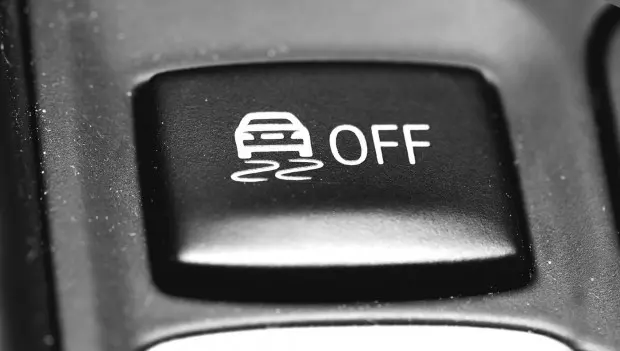
Modern vehicles are packed with electronic driver aids, and the dashboard is full of familiar acronyms like ABS, ESP, and TCS (sometimes called ASR or Traction Control). These systems work quietly in the background, helping keep drivers safe. But are they always beneficial, or are there times when pressing the "OFF" button is actually the right move?
Understanding how these systems work makes it much easier to know when to leave them alone—and when it might be worth disabling one of them.
ABS (Anti-lock Braking System): The Foundation of Modern Safety
ABS is the oldest and most familiar electronic safety system. Its job is simple: prevent the wheels from locking up during hard braking.
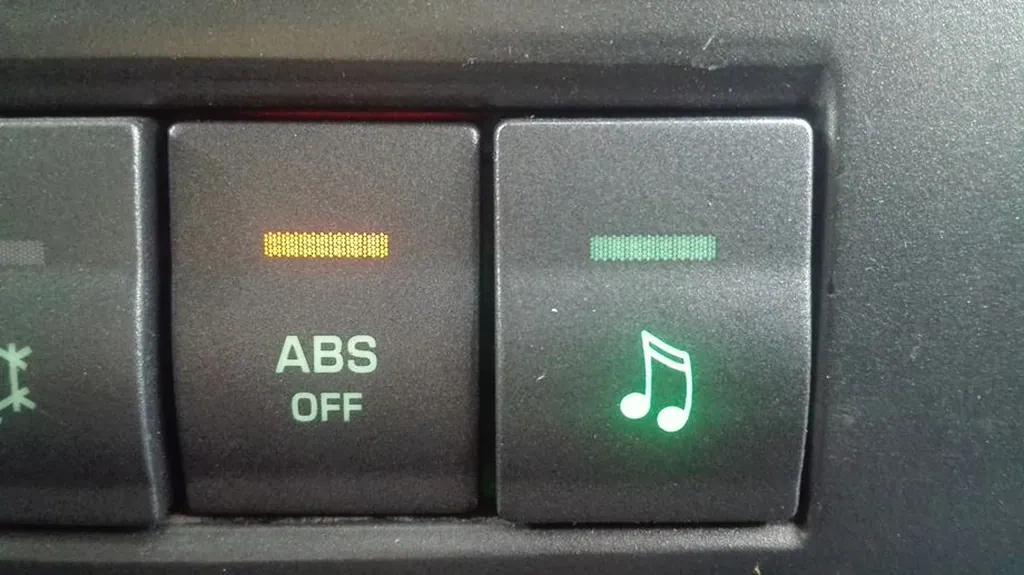
That's important because a rolling tire can still provide steering control, while a locked tire simply slides across the pavement. ABS allows a driver to brake as hard as possible while maintaining the ability to steer around an obstacle.
The system constantly monitors wheel speed through sensors at each wheel. If one tire is about to lock up, ABS briefly reduces brake pressure to that wheel before immediately reapplying it. This cycle happens many times per second, creating the familiar pulsing sensation in the brake pedal.
In almost every situation, ABS is a major safety advantage. Whether the road is dry, wet, snow-covered, or icy, it helps drivers maintain control during emergency braking and has undoubtedly prevented countless crashes.
There is one notable exception: loose surfaces such as deep snow, gravel, or sand. On those surfaces, a locked tire can build a wedge of material in front of itself, helping the vehicle stop more quickly. Because ABS prevents wheel lockup, stopping distances can occasionally be slightly longer.
That said, modern passenger vehicles generally don't offer an ABS disable switch—and for good reason. Maintaining steering control is almost always more valuable than shaving a few feet off the stopping distance on loose terrain.
TCS / ASR (Traction Control): Keeping Wheelspin in Check
Traction Control works almost like the opposite of ABS. Instead of preventing wheel lock during braking, it prevents the drive wheels from spinning excessively during acceleration.
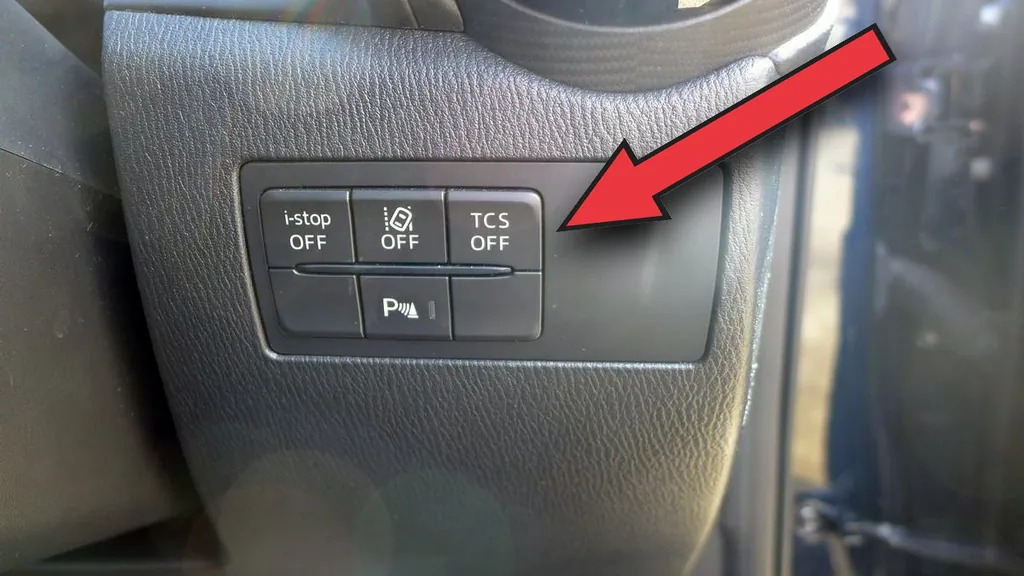
Using the same wheel-speed sensors, the system detects when one driven wheel begins rotating much faster than the others. When that happens, the vehicle recognizes a loss of traction.
To restore grip, the system can briefly apply the brake to the spinning wheel or reduce engine output by limiting fuel delivery, adjusting ignition timing, or electronically closing the throttle.
On wet pavement, ice, or other slippery surfaces, Traction Control helps drivers accelerate smoothly while reducing the chance of losing control.
However, there are situations where turning it off is actually beneficial.
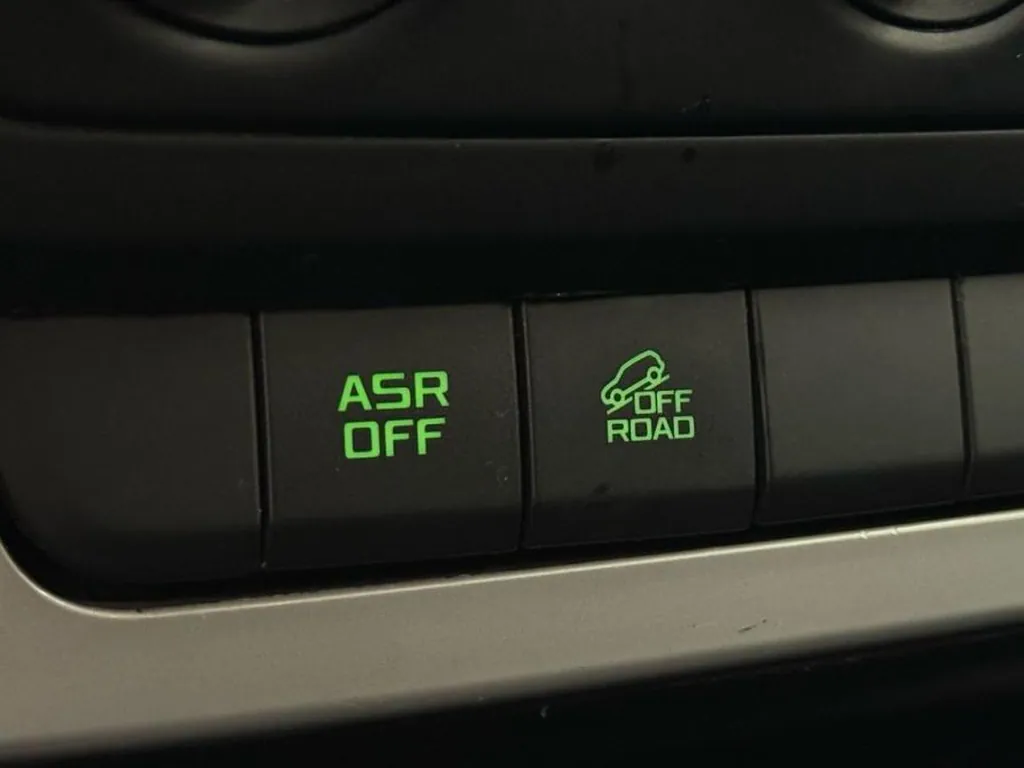
If your vehicle becomes stuck in deep snow, mud, or loose sand, a certain amount of wheelspin is often necessary to regain momentum or dig down to a firmer surface. Traction Control sees that wheelspin as a problem and immediately cuts engine power, making it even harder to free the vehicle.
That's exactly why manufacturers include a TCS OFF or ASR OFF button. If you're stuck, disabling Traction Control can make it much easier to get moving again. Once you're back on solid pavement, the system should be switched back on.
ESP (Electronic Stability Program): Your Last Line of Defense
ESP—also known by some manufacturers as Electronic Stability Control (ESC)—is the most advanced of the three systems. It uses both ABS and Traction Control as part of a broader strategy to keep the vehicle traveling where the driver intends.
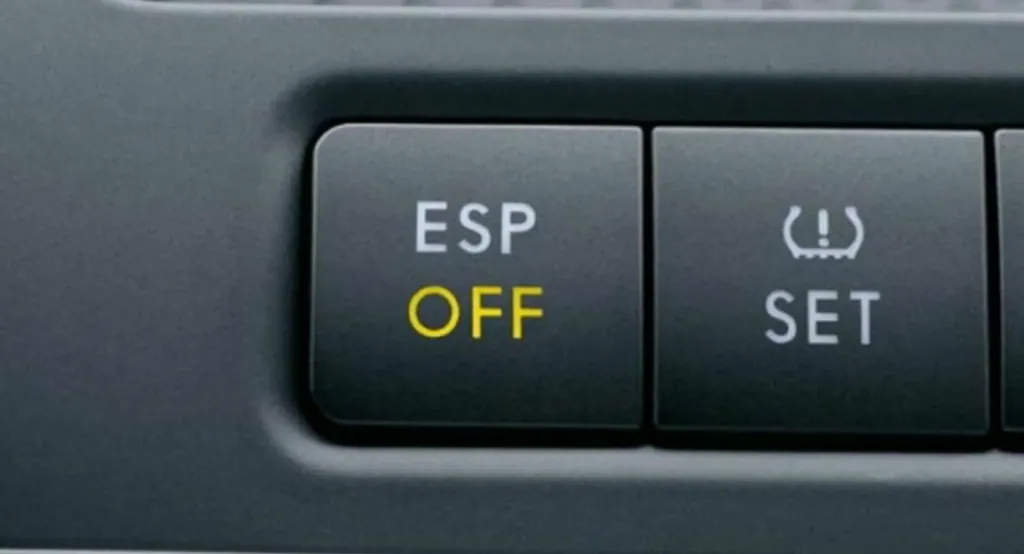
In addition to wheel-speed sensors, ESP monitors steering wheel angle and the vehicle's rotational movement. It constantly compares where the driver wants the car to go with where it's actually heading.
If the vehicle begins to understeer or oversteer, ESP reacts almost instantly. It can apply the brakes to any individual wheel while simultaneously reducing engine power to help bring the vehicle back under control.
For example, if the rear of the vehicle begins to slide, the system may brake one front wheel to generate a correcting force that stabilizes the car. All of this happens in milliseconds—often before the driver even realizes the vehicle is starting to lose traction.
In everyday driving, ESP is one of the most effective safety technologies ever developed. Whether you're driving on the highway, through city traffic, or on rain-soaked roads, it significantly reduces the risk of losing control.
There are only two situations where disabling it makes sense.
The first is when the vehicle is stuck in snow, mud, or sand, since many vehicles deactivate both Traction Control and Stability Control with a single button.
The second is on a closed race track or dedicated driving course where experienced drivers intentionally practice controlled oversteer.
For normal driving on public roads, however, turning off ESP removes one of your vehicle's most important safety features—and there's rarely a good reason to do it.
You may also be interested in the news:

No Password Required: Hackers Remotely Took Control of Chinese EV Functions While the Vehicle Was Moving
An Australian investigation uncovered serious cybersecurity flaws that could expose connected Chinese vehicles to remote access.
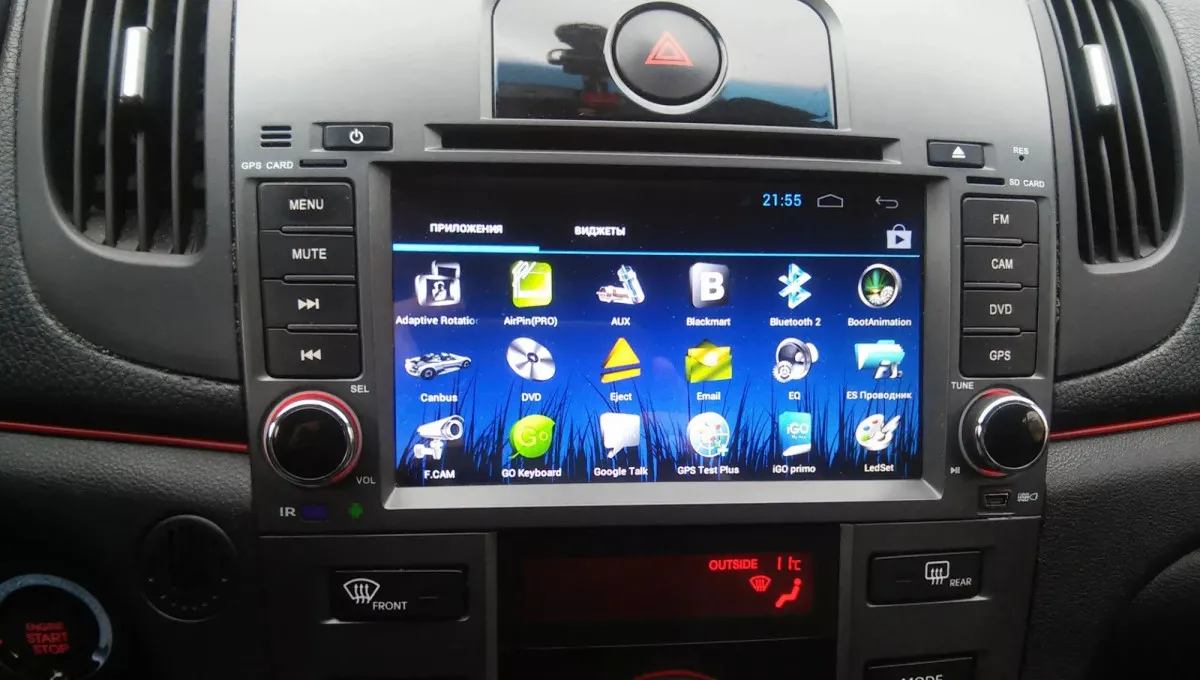
Your Old Car Can Feel New Again With These 7 Upgrades That Actually Make a Difference
Modernizing an Older Car: Better Audio, Navigation, Safety and Everyday Tech. An older car does not have to feel outdated when a few smart upgrades can transform everyday driving.
Expert Cautions: Spraying This on These 10 Car Parts Could Make the Problem Worse
WD-40 solves many automotive problems, but using it on the wrong parts can cause expensive damage.
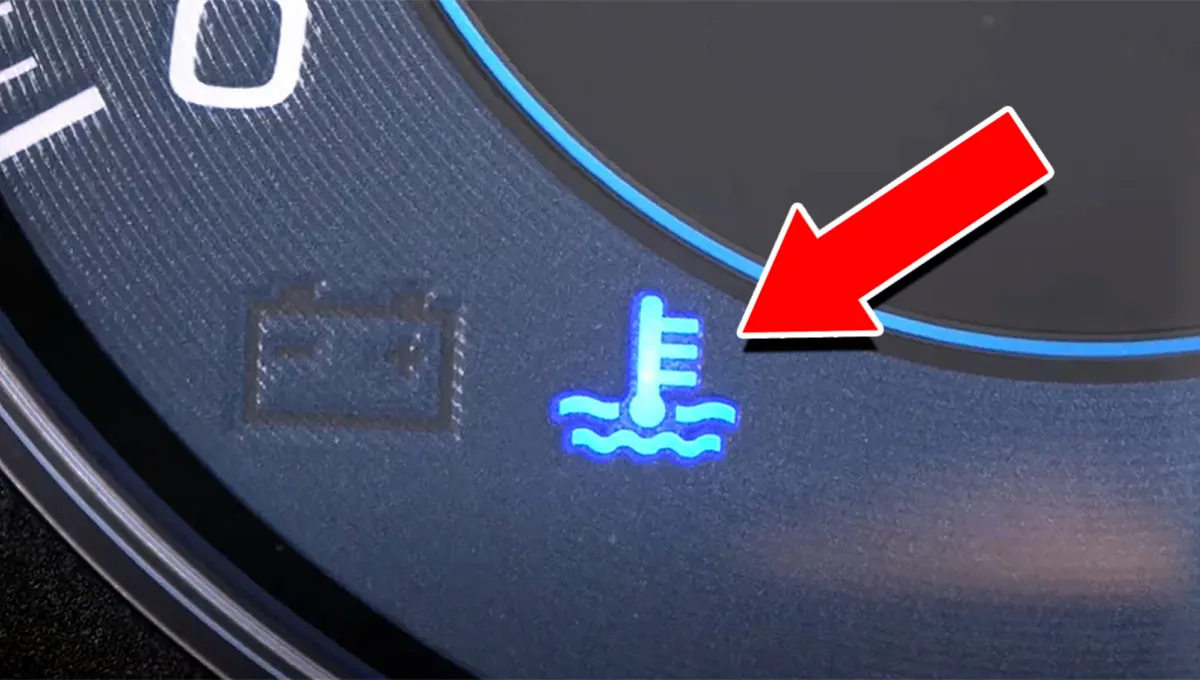
These 7 Dashboard Warning Lights Could Leave You Stranded—Here’s What They Really Mean
These dashboard warning lights can signal serious problems, from low oil pressure to overheating or brake trouble.
These 5 Mercedes-Benz Models Can Look Like Bargains — Until the Repair Bills Arrive
These five used Mercedes-Benz models have reported issues that could turn an attractive bargain into an expensive ownership headache.