
Ford Recalls Over 288,000 Explorer SUVs After Roof Rail Trim May Detach
Ford is recalling more than 288,000 Explorer SUVs after roof rail trim pieces were found to loosen and potentially separate.

Ford has announced a recall affecting 288,314 Explorer SUVs in the United States from the 2016 through 2019 model years. The campaign addresses roof rail trim pieces that can loosen over time and, in some cases, detach from the vehicle while driving.
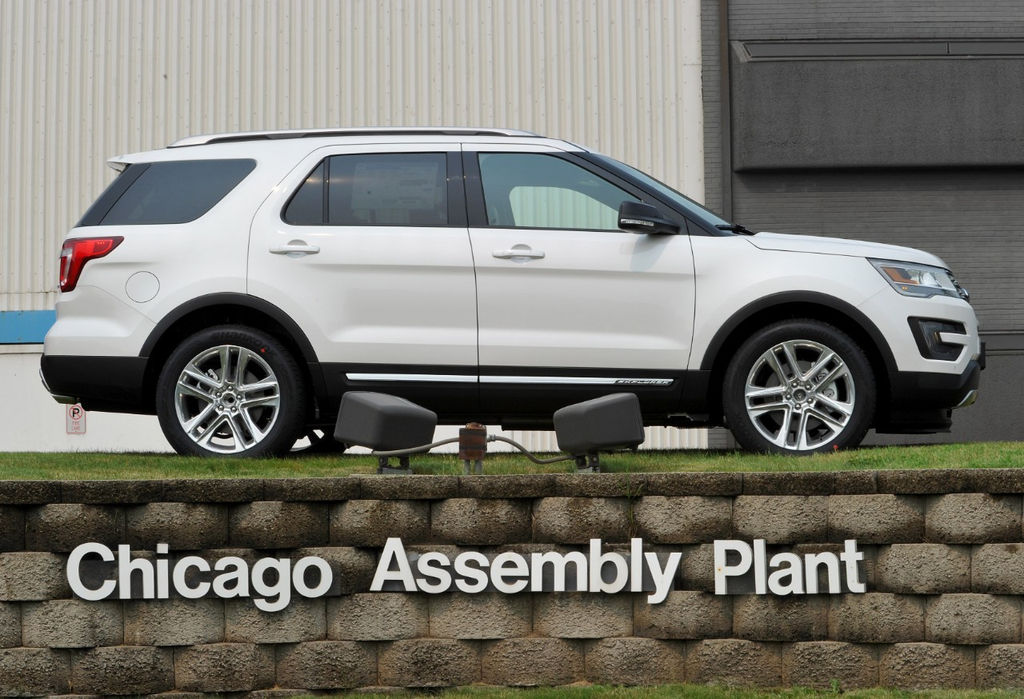
The recalled SUVs were built between September 19, 2014, and March 3, 2019, at Ford's Chicago Assembly Plant in Illinois. The facility, one of the automaker's longest-running manufacturing plants, has been producing Ford vehicles since the 1920s. Today, it builds the Explorer, the Police Interceptor Utility, and the Lincoln Aviator, all of which share Ford's rear-wheel-drive-based CD6 architecture.
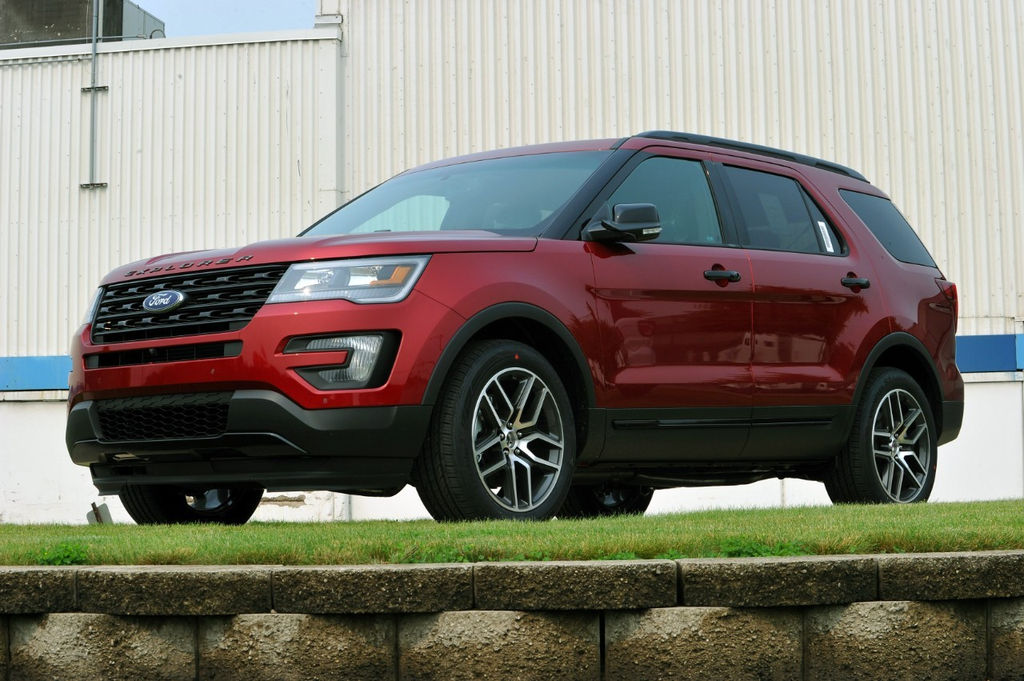
The issue traces back to Ford's Customer Satisfaction Program 20N11, launched in late 2020 after owners reported roof rail trim pieces coming loose. Vehicles covered by the program were equipped with either painted or satin/chrome-finished trim.
Under that program, dealers repaired affected vehicles by bonding the roof rail trim in place with a two-part epoxy adhesive. In April 2021, Ford expanded its response by issuing a safety recall for vehicles that had not yet received those repairs.
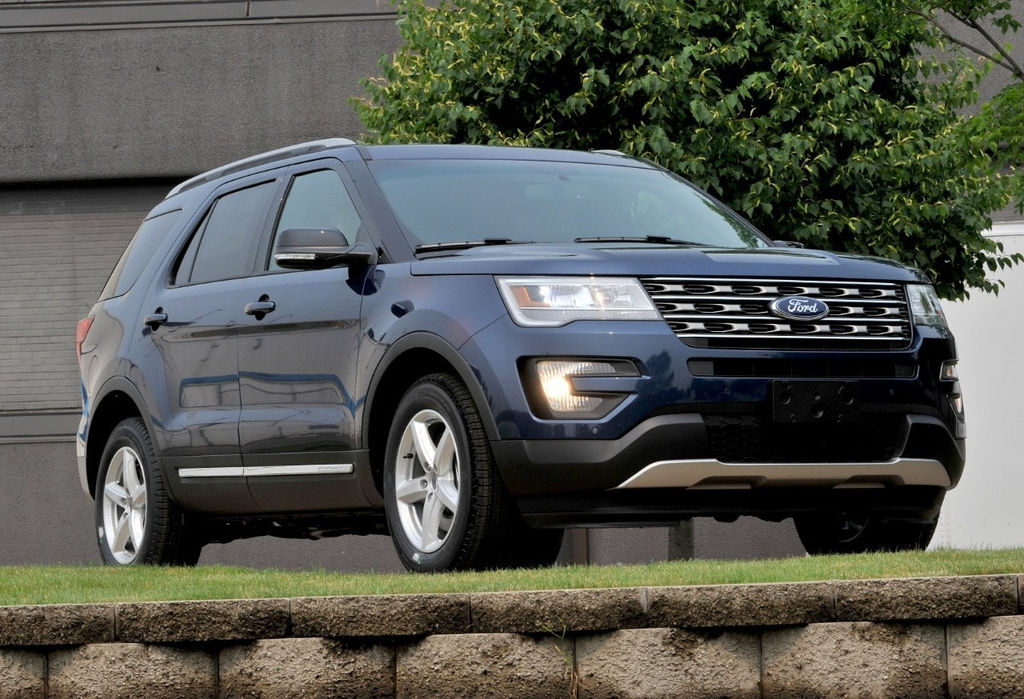
That recall followed an investigation by the National Highway Traffic Safety Administration and Ford's review of field data, which showed painted roof rail trim was more likely to rattle or separate. The repair introduced at the time replaced the trim and secured it with four plastic push-pin fasteners.
Because satin/chrome-finished trim showed significantly fewer failures, those vehicles were not included in the 2021 safety recall. However, in March 2026, the NHTSA's Office of Defects Investigation contacted Ford after receiving 46 owner complaints involving loose or detached roof rail trim on vehicles with both painted and satin/chrome finishes.
Ford's Critical Concern Review Group investigated the reports and found that vehicles repaired using only the epoxy method could still experience reduced retention over time. By contrast, vehicles equipped with the plastic push-pin fasteners continued to perform as intended.
As a result, dealers will inspect recalled Explorers to determine whether the additional push-pin fasteners are installed. Vehicles that do not have them will be repaired at no cost. If necessary, technicians will replace damaged roof rail clips or trim pieces before installing the push-pin fasteners to properly secure the roof rail trim.
Ford plans to begin sending interim owner notification letters by August 28, 2026. A second round of notices explaining the final repair is expected to be mailed between September 21 and September 25, 2026.
To correct the problem, dealers will inspect the roof rail trim and repair or replace the push pins, retaining clips, or complete trim assemblies as needed at no charge. Owners seeking additional information can contact Ford at 866-436-7332 and reference recall number 26S54. They can also contact the National Highway Traffic Safety Administration's Vehicle Safety Hotline at 888-327-4236 or check their vehicle identification number on the agency's website for the latest recall information.
You may also be interested in the news:
Hyundai Recalls Nearly 95,000 Genesis Sedans Over Fire Risk From Power Seats
Hyundai is recalling 94,622 Genesis sedans after a faulty power seat switch was linked to overheating and potential vehicle fires.
2027 Ram 1500 Rumble Bee: Pricing, Options and How to Build Yours
The 777-HP Ram Rumble Bee Is Coming — But You Can Buy the New Hemi Truck Now
Why Experienced Drivers Still Warn Against Buying a Used Car With a CVT
CVTs offer smooth acceleration and good fuel economy, but expensive repairs and durability concerns make used models risky.
2026 Ram 1500 Recall: 16K Trucks May Have Faulty Tire Pressure Sensors
Ram is recalling 16,385 model-year 2026 Ram 1500 trucks

Harley-Davidson Riders Could Face $2,500 Fines Under New Law Targeting ‘Weaving’ on Roads
Arizona’s new motorcycle law targets lane splitting, exposing repeat offenders to steep fines, possible jail time, and license suspensions.