
Engine Warm-Up in Summer: How Long Do Modern Cars Really Need?
Can you — and should you — warm up your engine in summer? A service expert gives a clear answer.
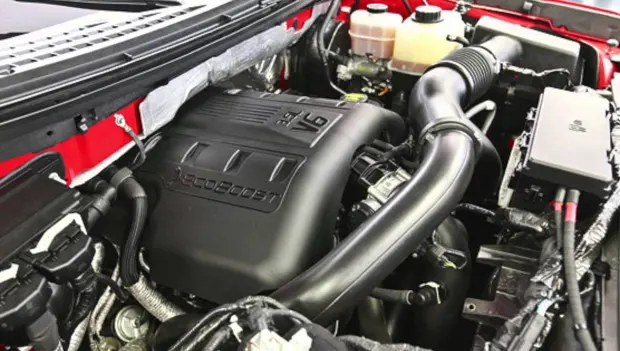
The question of whether an engine needs to warm up during warm weather continues to spark debate among drivers. Service technicians explain how modern technology has changed the way engines should be started in summer and which mistakes can lead to unnecessary expenses and mechanical problems.
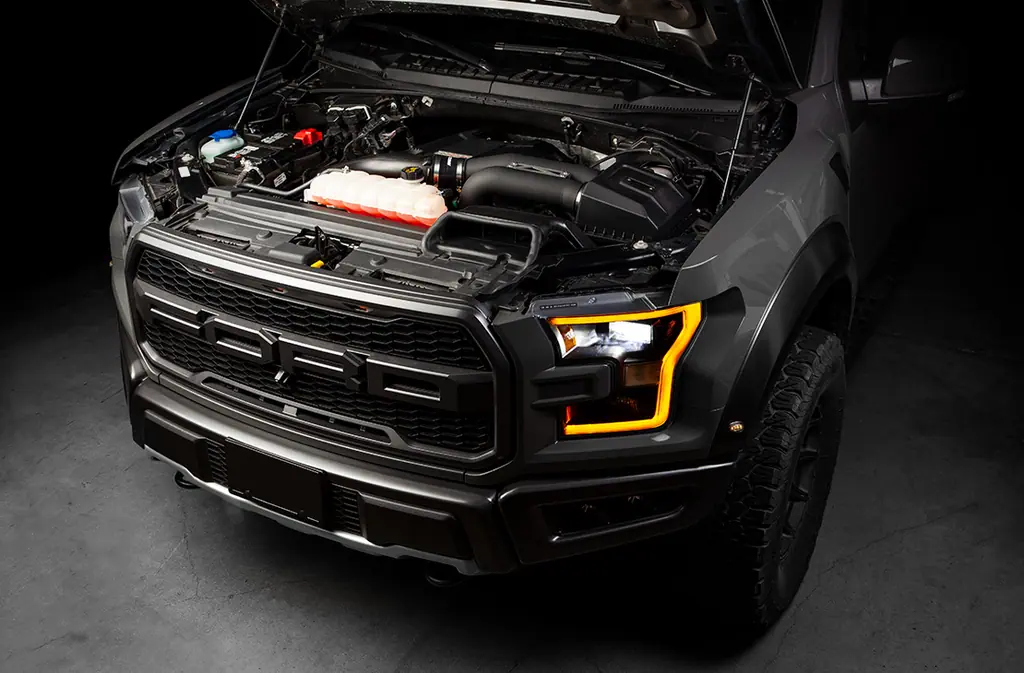
For many drivers, the question of whether to warm up an engine in summer remains relevant. Despite the common belief that starting a car in hot weather requires special precautions, service professionals say modern vehicles do not need to sit and idle for a long time before driving.
The main argument against an extended warm-up is the use of modern fuel-injection systems. These systems automatically adjust the air-fuel mixture based on temperature, allowing the engine to reach its operating range quickly. Engine oil circulates through the lubrication system within about 15 to 20 seconds, providing protection for moving components almost immediately after startup.
Experts say leaving a vehicle idling for more than a couple of minutes only wastes fuel and can contribute to carbon buildup on spark plugs and components of the emissions system. It is much better to put the engine under a moderate load, which helps it reach operating temperature more quickly.
For most vehicles in summer, one to two minutes of idling is enough. That gives the driver time to adjust the mirrors or check the instruments. The tachometer can also provide a useful indication: once the engine speed drops from the initial 1,400–1,500 rpm to around 800 rpm, it is generally fine to start driving. However, hard acceleration should be avoided immediately after startup. For the first few miles, drive smoothly so the engine oil, transmission fluid and other fluids can reach their proper operating temperatures.
Turbocharged engines deserve some additional attention. They also do not require a long warm-up before driving, but after spirited or sustained high-speed driving, experts recommend letting the engine idle for about one to two minutes before shutting it off. This gives the turbocharger time to cool down and can help prevent excessive heat buildup and extend the life of the component.
Based on engineers' recommendations, there is little reason to spend time on a lengthy summer warm-up. Modern engines are designed to reach operating temperature quickly, while unnecessary idling simply wastes fuel and may contribute to deposits. For American drivers, the practical takeaway is simple: start the engine, give it a brief moment to stabilize, and then drive gently until everything reaches normal operating temperature.
You may also be interested in the news:
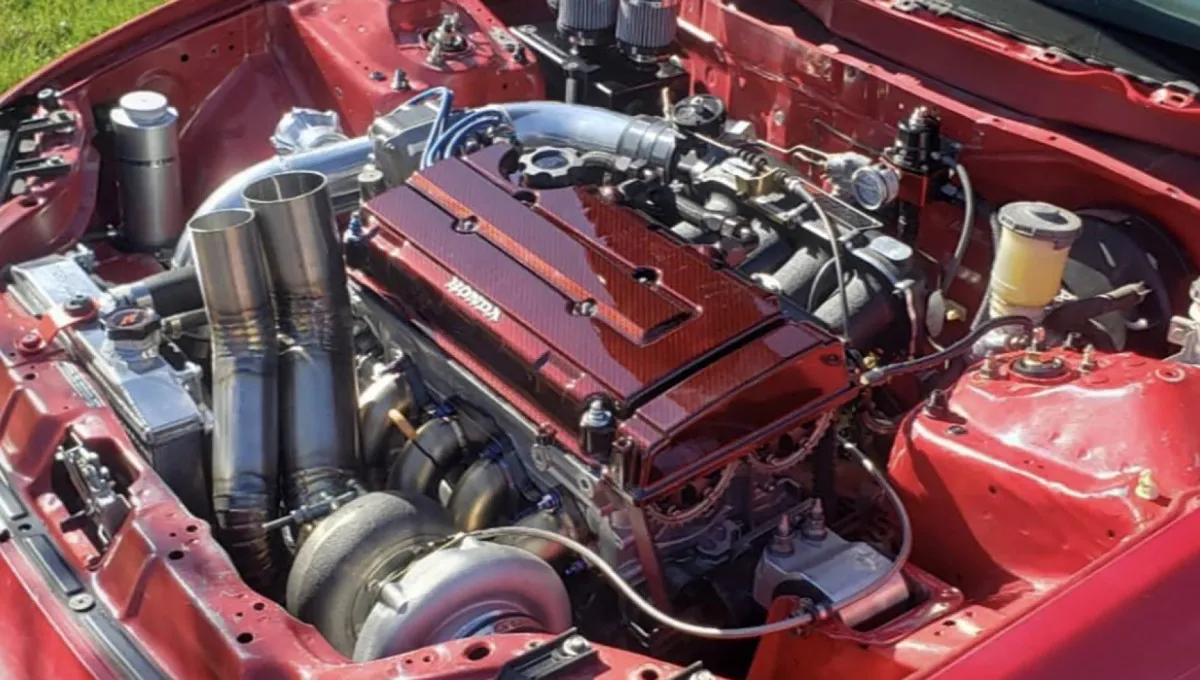
Honda K-Series Engines Can Go Past 300,000 Miles — Here's Why They're So Reliable
How long can a Honda K-series engine last, and what makes this family of Japanese engines so durable?
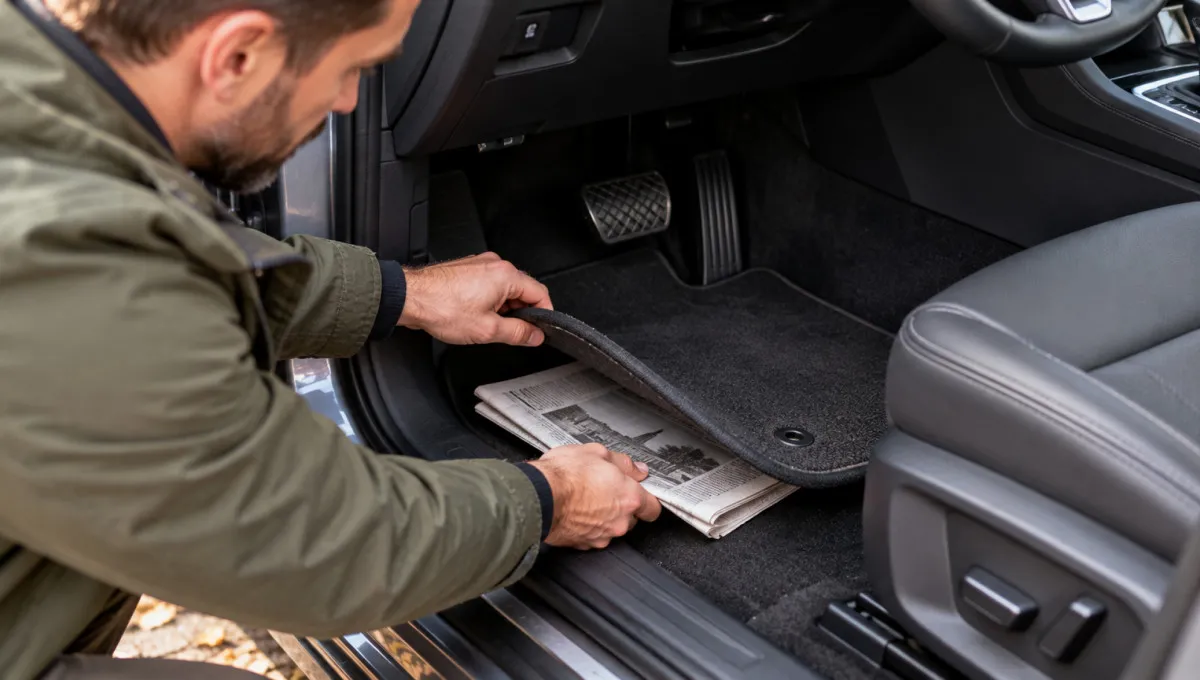
When the First Freeze Hits, Put Newspaper Under Your Floor Mat: An Old Winter Driving Trick
Newspaper under a floor mat can help protect a car's floor from winter moisture, but it requires regular attention.
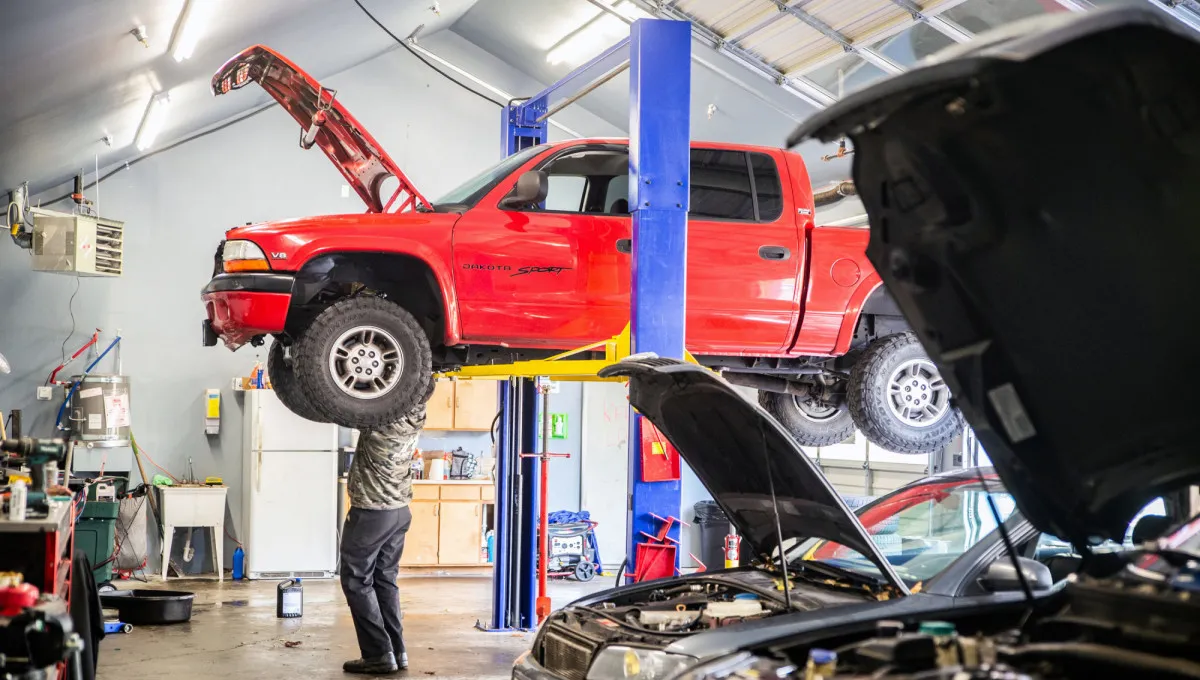
How a Repair Shop Can Overcharge You: What Every Driver Should Know
An experienced mechanic knows how to increase a repair bill, and drivers should know what to watch for before approving work.
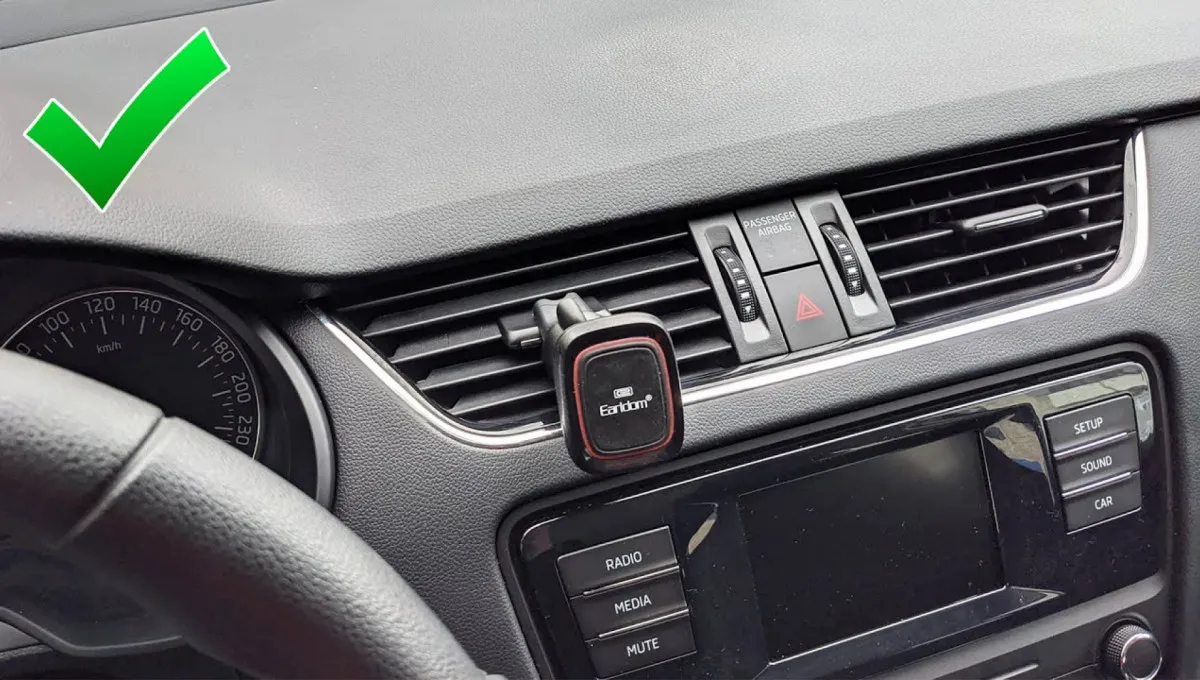
How to Find the Source of a Car Interior Rattle in 15 Minutes
A simple trick can help drivers pinpoint an annoying interior rattle without taking apart half the cabin or visiting a repair shop.
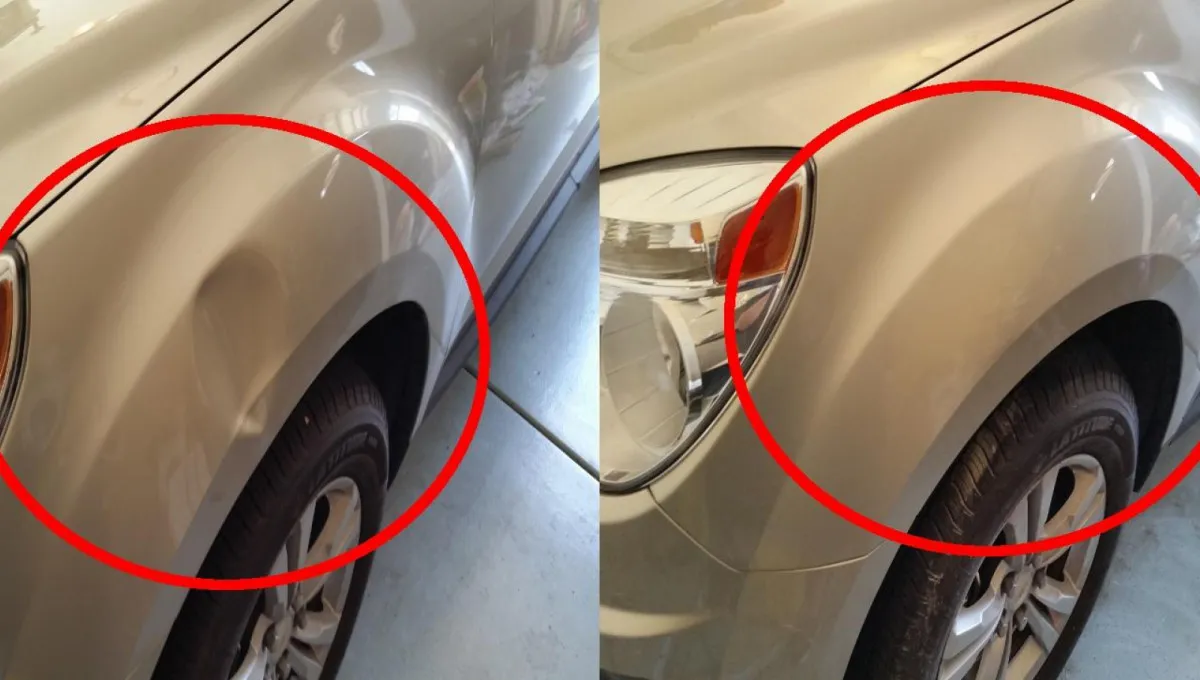
The Dent Can Disappear Without a Trace: How to Repair Car Body Damage Without Paint
Paintless dent repair can restore a damaged panel to its original shape, but only when certain conditions are met.