
Stellantis Launches China-Built Jeep and Peugeot EVs for Global Export
An American icon built in China: what Jeep’s move to Chinese production means for the global auto industry
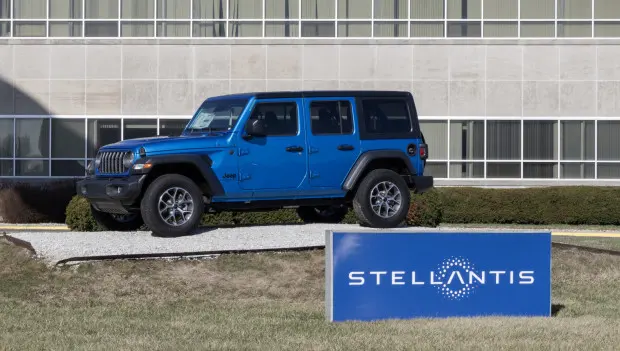
Stellantis and Dongfeng are teaming up to build Jeep and Peugeot electric vehicles in China for export to markets around the world. Few people realize that this marks a first for the Jeep brand.
For American drivers, the decision to build Jeep and Peugeot EVs in China and export them to global markets could signal a major shift in the automotive industry. For the first time, Jeep, a brand long associated with American manufacturing, will export vehicles assembled in China beyond the country’s borders. The move reflects not only changing industry trends but also China’s growing role as a technology and manufacturing hub for global automakers.
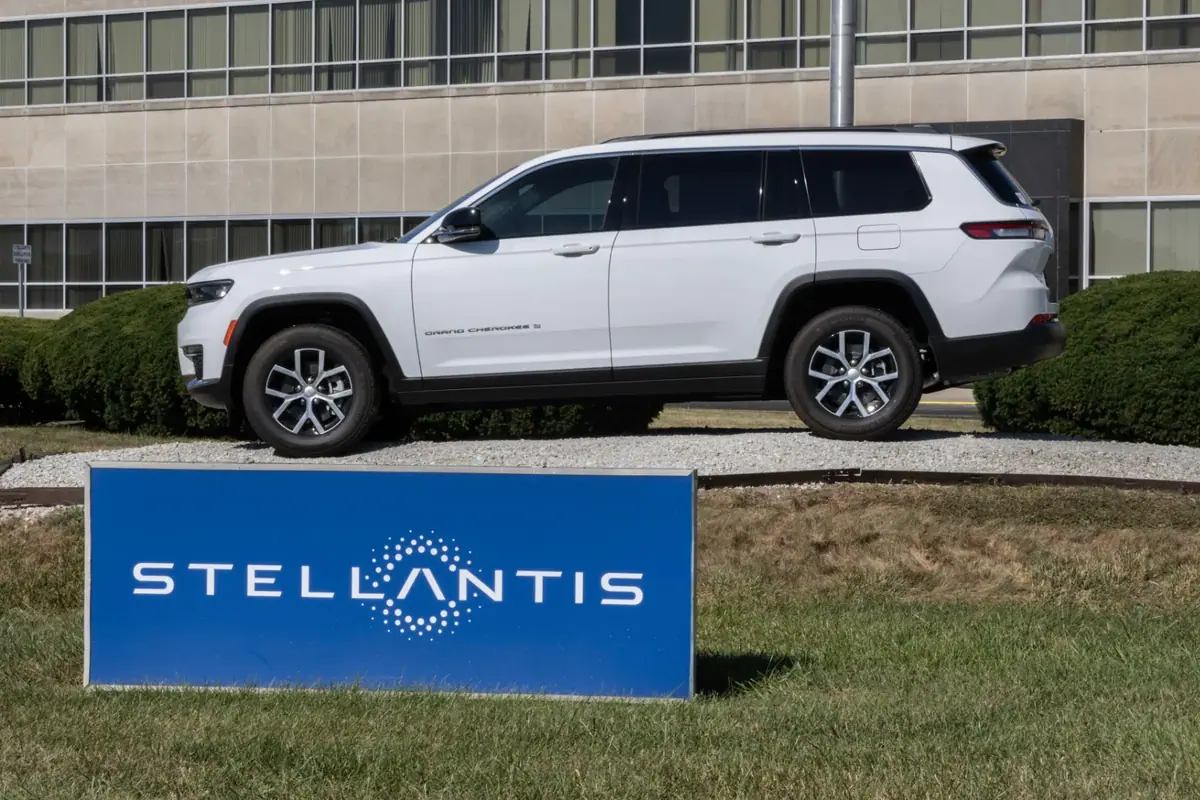
The initiative is part of a strategic partnership between Stellantis and Dongfeng Motor. Their joint venture, Dongfeng Stellantis Automotive Technology Co., based in Wuhan, will handle development and marketing of the new vehicles, while Dongfeng Peugeot Citroën Automobile (DPCA) will be responsible for assembly. The arrangement brings together engineering resources and expertise from both companies as they work to develop EVs capable of competing in international markets.
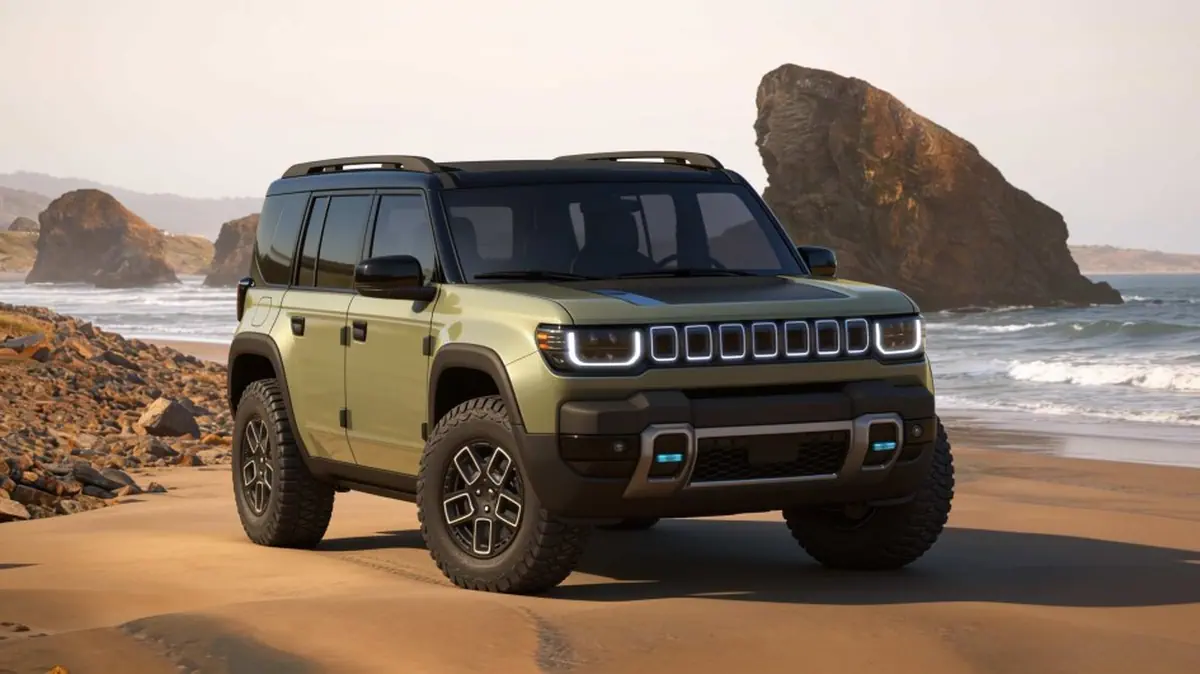
Four new models are planned, including two Peugeot vehicles and two electrified Jeep models, with the lineup expected to include fully electric crossovers and plug-in hybrids. Stellantis CEO Antonio Filosa says production is scheduled to begin in 2027, with vehicles destined for markets around the world.
Dongfeng will contribute its EV expertise as well as premium technologies already used in Voyah models and Mengshi SUVs. That could give Jeep access to modern all-wheel-drive platforms, an especially important advantage when developing versatile vehicles designed to perform in a wide range of conditions.
Stellantis has already learned that success in China is far from guaranteed. Its previous Jeep joint venture with GAC Group ended in 2025 after sales plunged from roughly 203,000 vehicles in 2017 to about 20,000 in 2022. Analysts have attributed the decline in part to Western automakers struggling to keep pace with the rapid rise of locally developed electric vehicles.
This time, however, Stellantis is taking a different approach by focusing on exports and leveraging Chinese technology. That strategy could ultimately reshape the competitive landscape in global EV markets.
Strategic alliances like this are becoming increasingly common across the auto industry. Global automakers are looking to Chinese companies not only for access to the world's largest EV market, but also for engineering expertise, battery technology and cost-efficient manufacturing.
For Stellantis, using Chinese production capacity is more than an attempt to regain lost ground. It is a strategic move aimed at remaining competitive as the industry shifts toward electrification. Dongfeng has been investing heavily in its own vehicle platforms and EV technologies, giving the partnership access to systems designed for increasingly demanding global markets.
The biggest question for American consumers is whether these China-built Jeep models will actually reach U.S. dealerships. While the planned export strategy reportedly includes international markets, bringing vehicles into the United States would also depend on regulatory requirements, tariffs and Stellantis' final market strategy.
If the program moves forward as planned, the first vehicles are expected to roll off the production line in 2027. The project could mark a significant change for Jeep—and another sign that the world's major automakers are increasingly willing to combine American brands, Chinese technology and global manufacturing.
You may also be interested in the news:
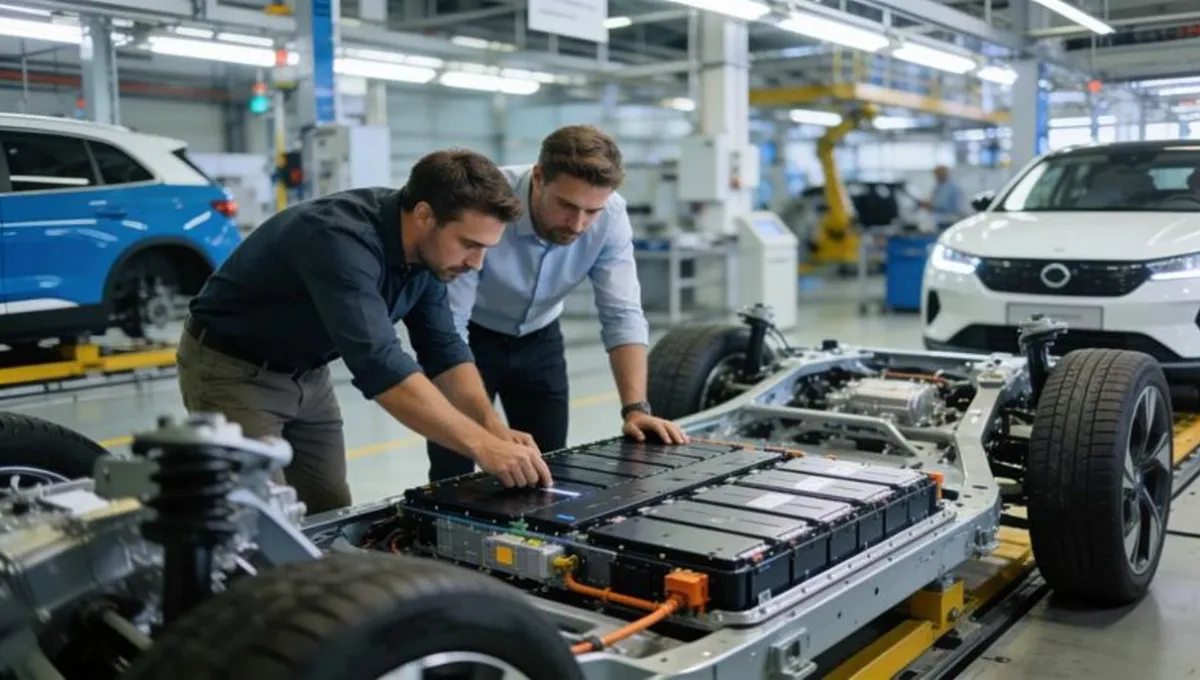
50 Chinese Brands vs. German Giants: Europe Risks Losing Its Own Auto Industry
Europe’s auto industry is entering its most turbulent period in 50 years. The market may look stable on the surface: French consulting firm Inovev forecasts annual EU sales of cars, crossovers, and SUVs will remain just below 17 million by 2035. But steady sales could mask a major shift in who controls the market.
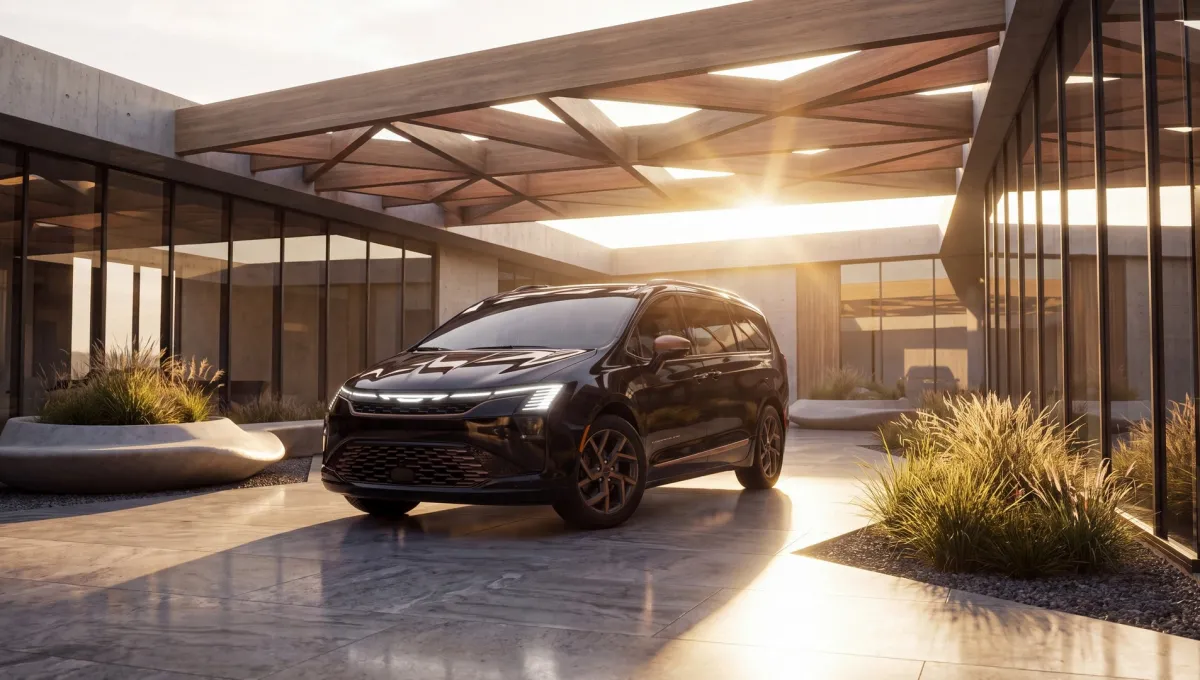
2027 Chrysler Pacifica Adds Copperline Package and Ski Grey Interior
Chrysler's 2027 Pacifica gains copper accents and a Ski Grey interior, reaching dealers early 2027.
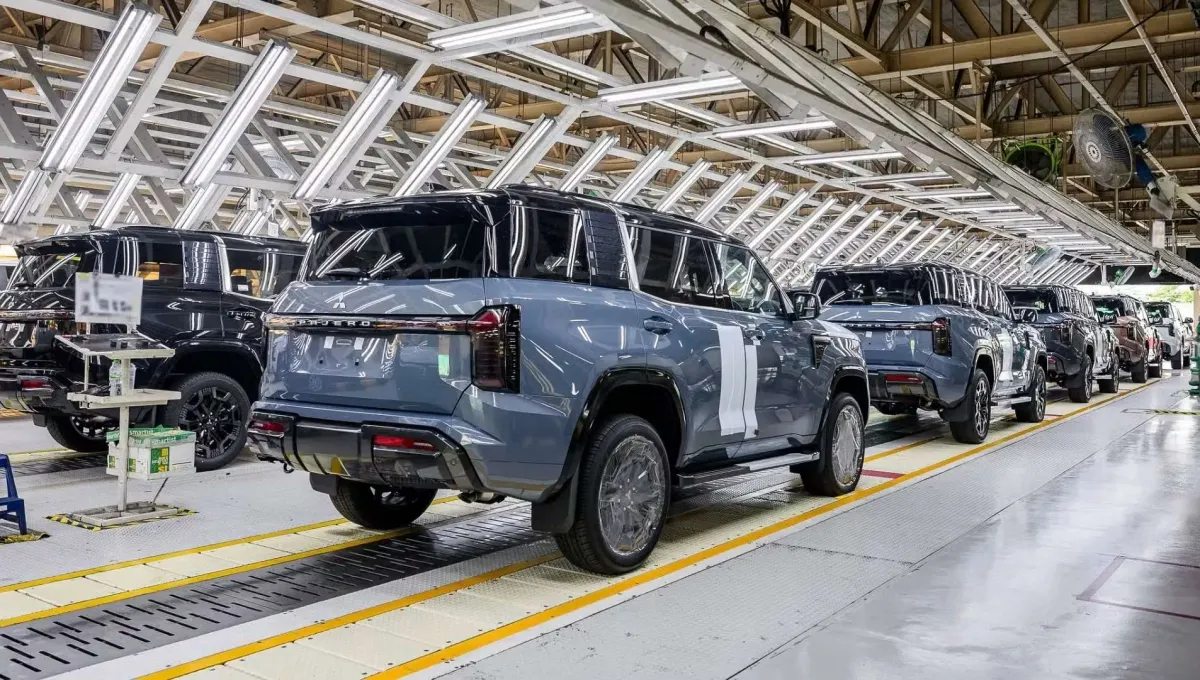
New Mitsubishi Pajero Begins Global Rollout With Thousands of Buyers Already Lined Up
The new Mitsubishi Pajero is preparing to enter international markets, with the first production SUVs already shipped from its manufacturing base in Thailand.
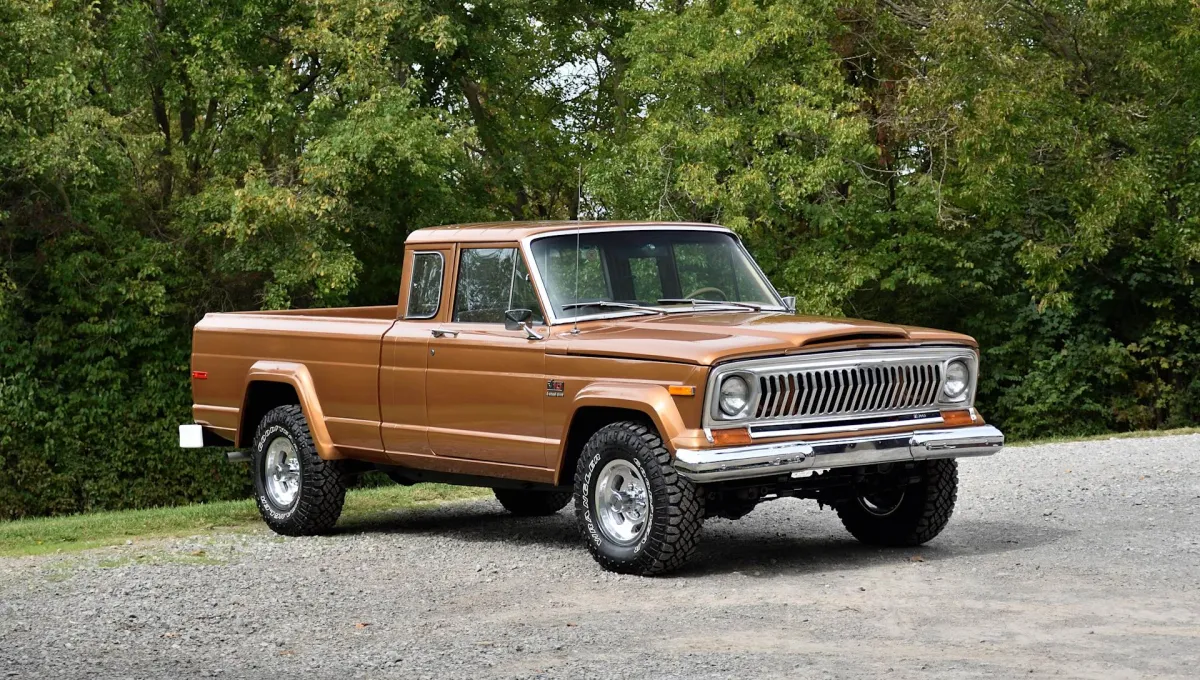
One-Off 1977 Jeep J10 Extended-Cab Prototype Heads to Its First Auction
Jeep's extended-cab J10 prototype escaped destruction and will reach auction after decades with one family.
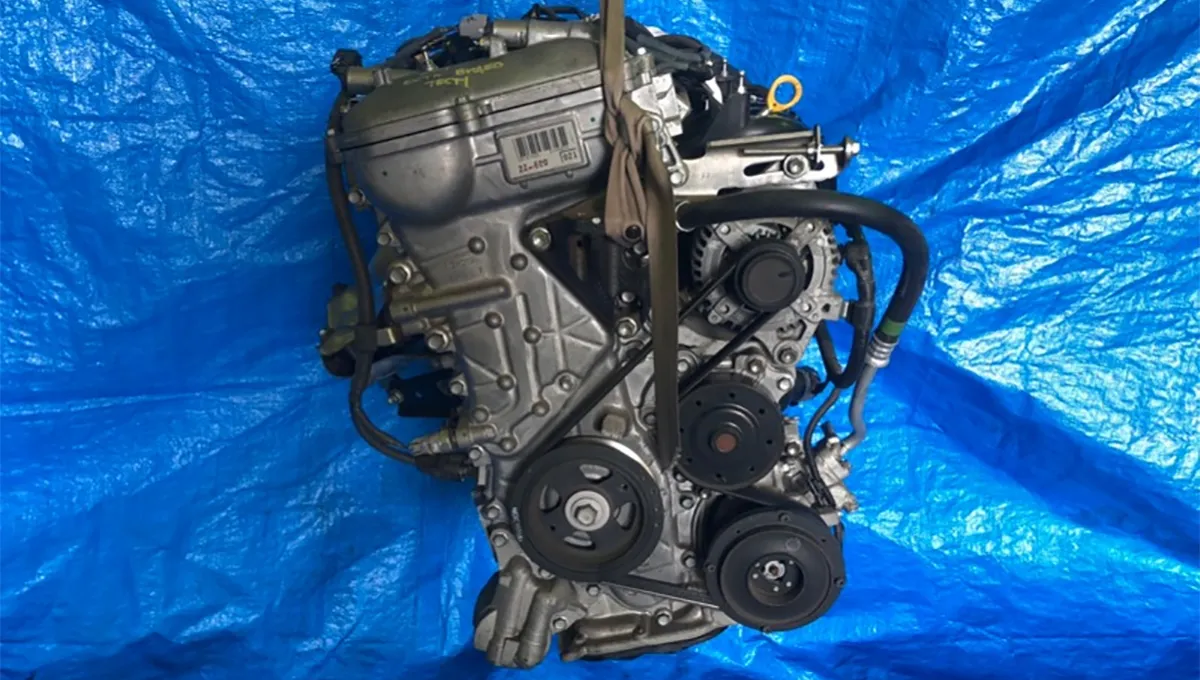
Inside a Toyota Corolla Engine That Went 46,600 Miles Without an Oil Change
Toyota engines can be remarkably durable, and mechanics sometimes see that resilience firsthand.