
Dreame Shuts Down Automotive Business and Winds Down Starry Sky Project
Dreame’s automotive venture is being wound down after just one year, following sweeping layoffs and a rapid retreat from the industry.
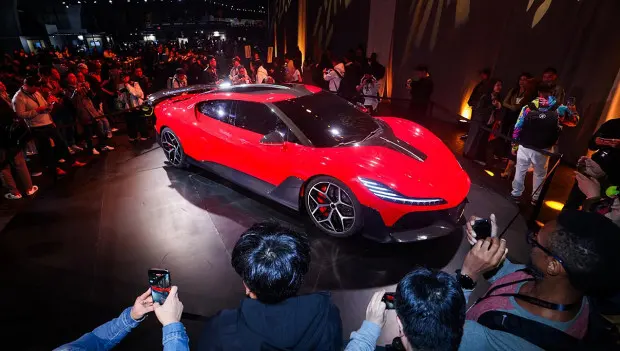
Dreame Technology, the company best known for its vacuum cleaners and robotic cleaning products, has decided to shut down its automotive business and wind down the “Starry Sky” project. The move marks an unexpected end to an ambitious venture that was accompanied by splashy presentations and rapid expansion.
The collapse comes just one year after Dreame officially entered the automotive market in August 2025. The company made headlines in early 2026, unveiling a supercar at the Consumer Electronics Show in January before presenting the “Nebula Next 01 Jet Edition” in San Francisco on April 27. The vehicle was promoted as a “rocket car.”
Dreame Automotive Division Hit by Sweeping Layoffs
At its peak, Dreame’s automotive division had nearly 1,000 employees. But after several months of gradual layoffs that began in May, the workforce reportedly shrank to just a few dozen people. The remaining employees, primarily from finance, legal and human resources, are now focused on winding down operations, settling outstanding debts with suppliers and legally dissolving affiliated companies.
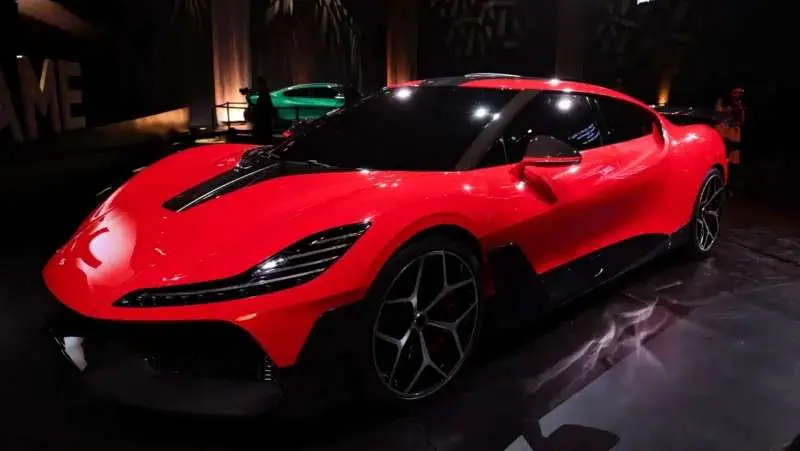
The vehicle, pitched as a breakthrough in aerospace-inspired civilian transportation, was claimed to accelerate from 0 to 62 mph in just 0.9 seconds. Reports said it used a sulfide-based solid-state battery with an energy density exceeding 450 Wh/kg and a claimed range of more than 342 miles under the CLTC test cycle. The powertrain was also reportedly capable of producing 100 kilonewtons of maximum thrust.
Despite the ambitious technical claims, people familiar with the project reportedly believe Dreame’s automotive effort was focused more on marketing and attracting investment than on developing a production vehicle.
Former employees told China Economy that the “supercar” displayed at CES did not have a functional chassis and was moved using a remote control. The “rocket car” was allegedly purchased from a Shanghai-based model-making company for several million yuan and then fitted with a modified chassis and motors primarily to create an impressive visual effect for cameras.
Insiders also claimed the company’s operating model was effectively reversed. Rather than funding research and development first and then bringing a product to market, employees were expected to secure financing before development budgets were allocated.
One former employee said Dreame used high salaries and inflated job titles to recruit talent from established automakers, with the company placing greater emphasis on securing funding than on building an actual vehicle.
The rapid shutdown of Dreame’s automotive project also reportedly attracted regulatory scrutiny. Local government authorities are said to have intervened to investigate the use of investment funds, restricting the company’s ability to freely deploy government grants.
Dreame CEO Yu Hao, known for the company’s relatively flat management structure and entrepreneurial approach, has now redirected the business toward its established strengths.
Dreame has eliminated most of its incubators and plans to focus on four core areas: vacuum cleaners and cleaning products, robotic lawn mowers, electric two-wheelers and its “Magic Atom” robots.
Although Dreame is exiting the automotive sector, the company is still pursuing a public listing on the capital markets.
You may also be interested in the news:
50 Chinese Brands vs. German Giants: Europe Risks Losing Its Own Auto Industry
Europe’s auto industry is entering its most turbulent period in 50 years. The market may look stable on the surface: French consulting firm Inovev forecasts annual EU sales of cars, crossovers, and SUVs will remain just below 17 million by 2035. But steady sales could mask a major shift in who controls the market.
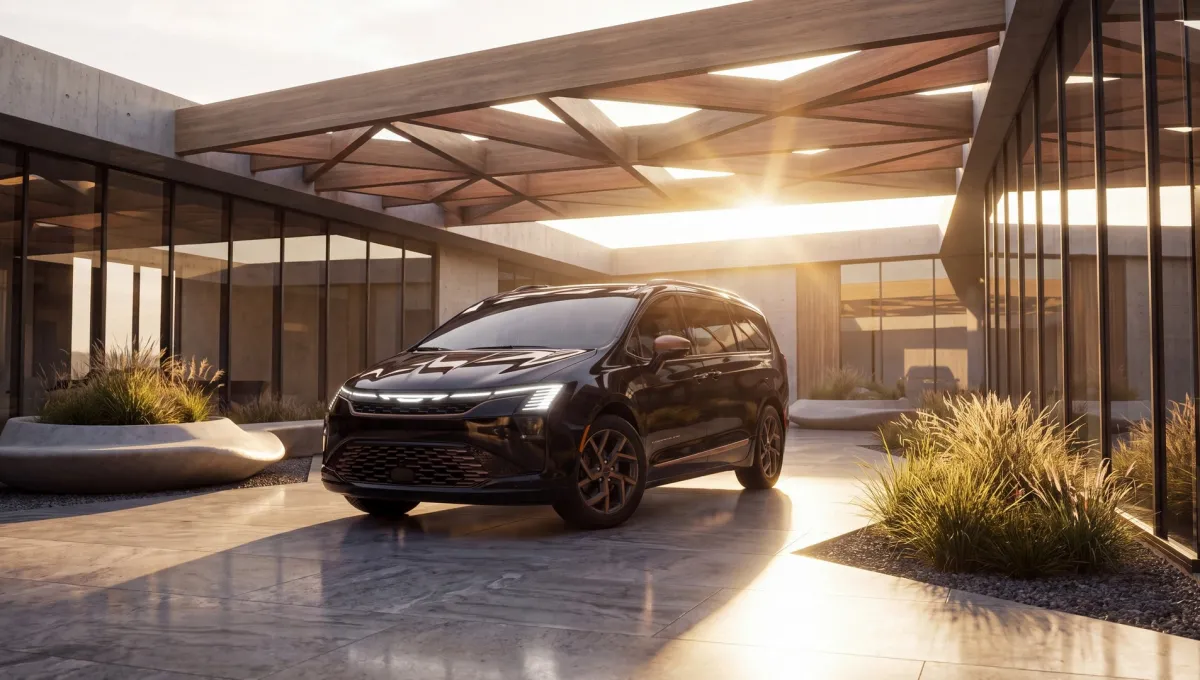
2027 Chrysler Pacifica Adds Copperline Package and Ski Grey Interior
Chrysler's 2027 Pacifica gains copper accents and a Ski Grey interior, reaching dealers early 2027.
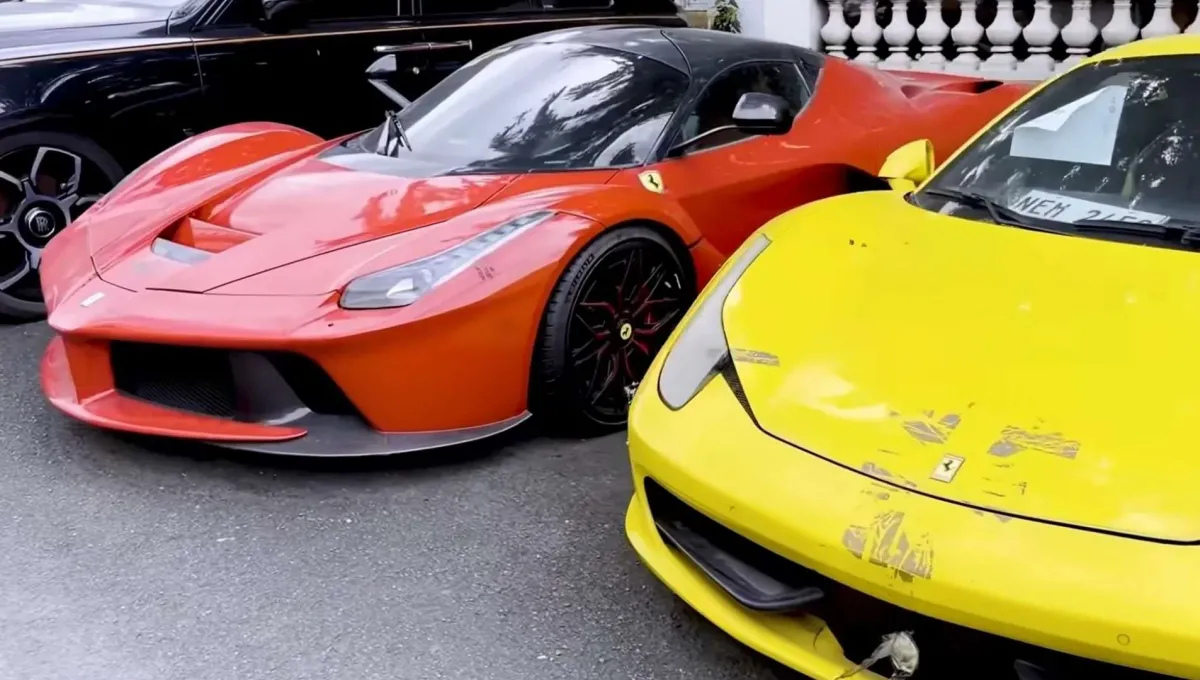
Ferrari LaFerrari and McLaren Senna Stuck at Manila Customs for More Than a Year
Two exclusive hypercars—a Ferrari LaFerrari and a McLaren Senna—have been left effectively abandoned at a customs warehouse in Manila, Philippines.
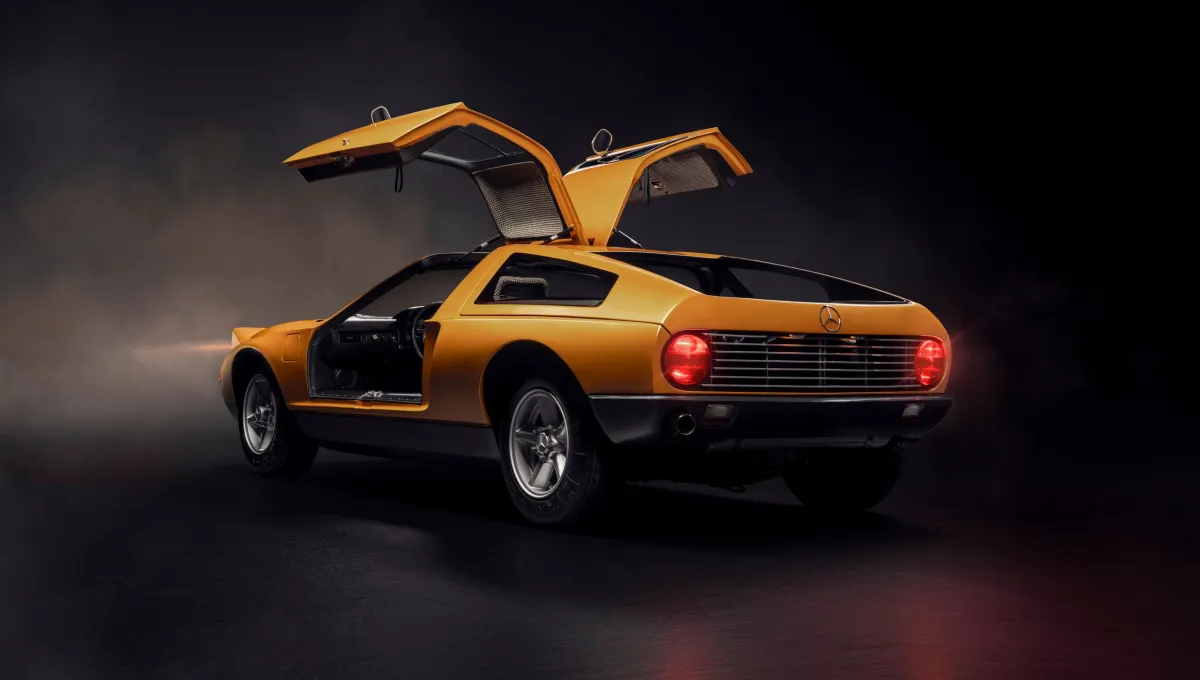
Mercedes-Benz Offers a C 111 Prototype for Sale for the First Time
Mercedes-Benz is auctioning a restored C 111 prototype, with proceeds supporting its museum's global reach.
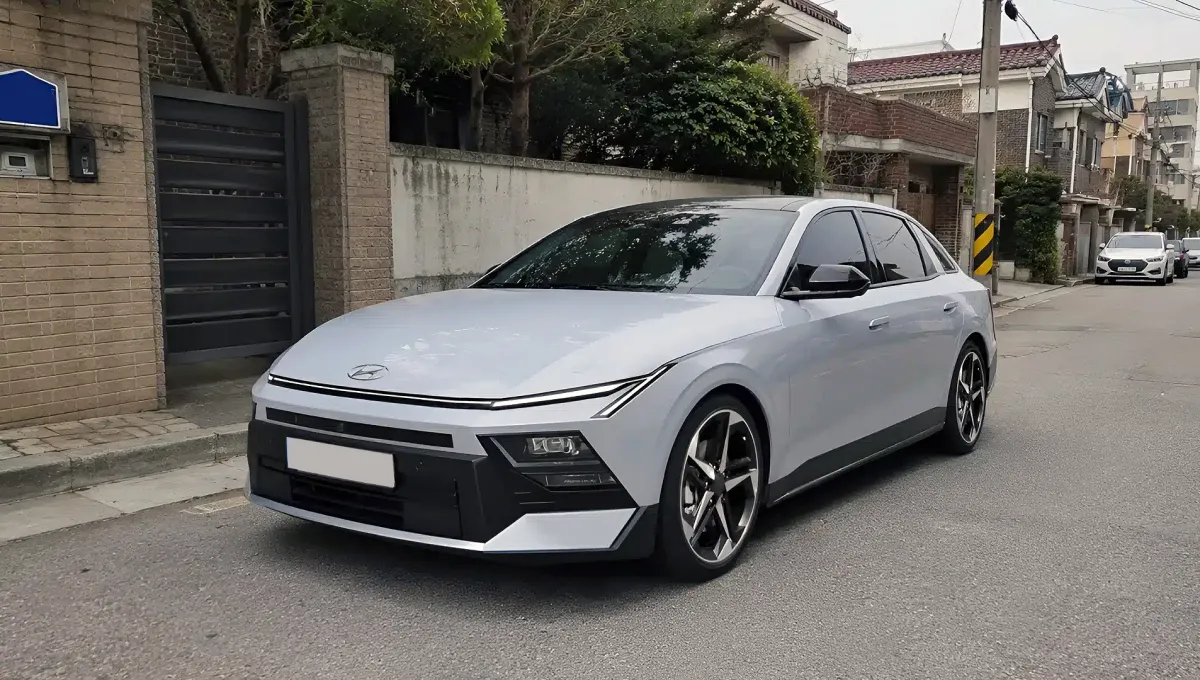
Hyundai Confirms New U.S. Elantra as Limited-Run Ioniq 6 N Nears Launch
Hyundai plans a redesigned Elantra for 2027 and a hybrid for the 2028 model year.