
Trump’s Brutal 50% Border Tax Puts America’s Next Car Purchase in the Crossfire
A looming 50% tariff threatens America’s auto supply chain, raising costs and reshaping which vehicles automakers build.
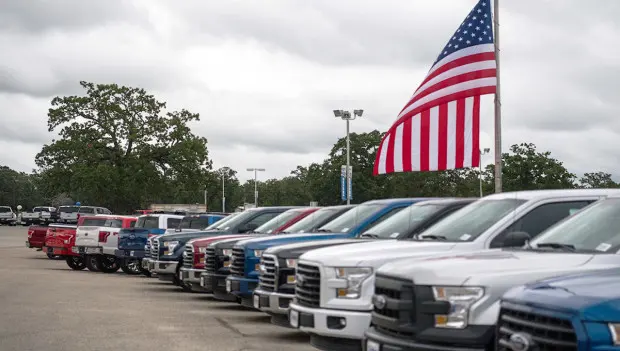
The deeply interconnected North American auto industry is heading toward a major disruption after trade negotiations between the United States and Canada collapsed. Talks that were expected to produce lower import levies instead ended in a widening economic confrontation, forcing automakers to reconsider how they protect their most profitable vehicles from potentially devastating new taxes.
After the negotiations fell apart over the weekend, U.S. President Donald Trump signed proclamations imposing a sweeping 50 percent tariff on Canadian cars, trucks, and auto parts. The new tariffs are scheduled to take effect on January 1, 2027.

The breakdown came after negotiations deteriorated during last-minute discussions late last week. Tensions reportedly intensified when U.S. Commerce Secretary Howard Lutnick intervened in the final phase of the talks and said the United States would not reduce tariffs on heavy trucks.
Canada responded by rejecting the proposed agreement. Prime Minister Mark Carney accused Washington of demanding too much while offering too little and pledged a “dollar-for-dollar” retaliation against the tariffs.
The dispute has also pushed the political rhetoric to new heights. Ontario Premier Doug Ford said the region was prepared for an “economic war” and threatened to restrict critical minerals and electricity flowing to the United States if the conflict deepens. Trump further intensified the confrontation by signing an executive order seeking to rename Lake Ontario “Lake America”.
Detroit and Japan Face the Tariff Threat
The coming border tax is aimed squarely at some of the highest-volume vehicles sold in the United States. Although the tariffs are intended to pressure Canadian trade policies, their impact could spread directly across Detroit’s “Big Three” automakers.
Barclays research shows that General Motors produces about 17 percent of its flagship Chevrolet Silverado pickup trucks in Canada. Stellantis faces a similar vulnerability because Canada is the only production location for its highly popular Chrysler Pacifica minivan. Ford is also exposed as it prepares to import its heavy-duty Super Duty trucks from its Oakville plant.
Japanese automakers could face an even tougher challenge. Data from the Global Automakers of Canada shows that Toyota and Honda accounted for more than 75 percent of the 1.2 million vehicles manufactured in Canada during 2025.
The uncertainty is already putting planned investments at risk. A senior Honda executive recently warned that the automaker could abandon plans for an eighth North American assembly plant altogether unless the United States-Mexico-Canada Agreement (USMCA) is successfully extended.
American Buyers Could Feel the Impact
Industry analysts say American consumers will ultimately absorb the cost of the 50 percent border tax. A recent Oxford Economics report warned that the enormous added expense could push automakers toward producing more luxury vehicles and high-margin SUVs instead of affordable everyday models.
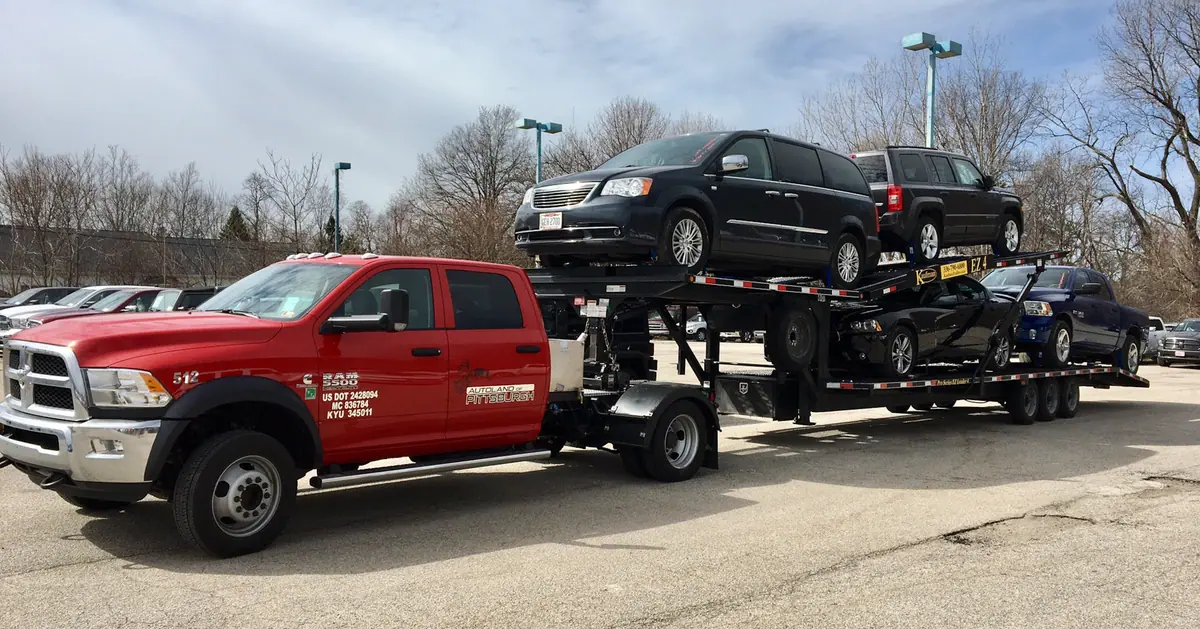
That shift in manufacturing priorities could leave many middle-class buyers unable to afford new vehicles. If more consumers turn to the used-car market, the resulting jump in demand could drive prices higher across the entire pre-owned vehicle market.
With January 1 approaching, the auto industry is counting on the political confrontation to ease before the continent’s multi-billion-dollar supply chain suffers further disruption.
You may also be interested in the news:
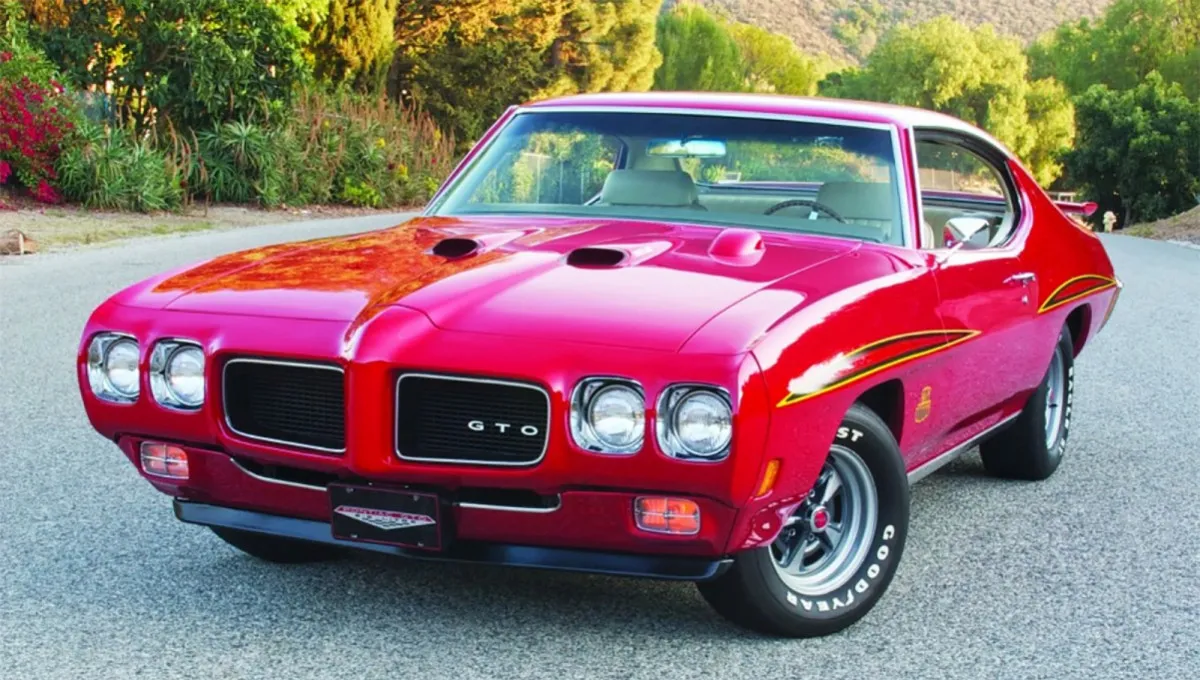
Pontiac's 1970 GTO Had a Wild Exhaust Option—Only 233 Cars Got It
Pontiac offered an unusual exhaust system for the 1970 GTO, but the factory option didn't last long.
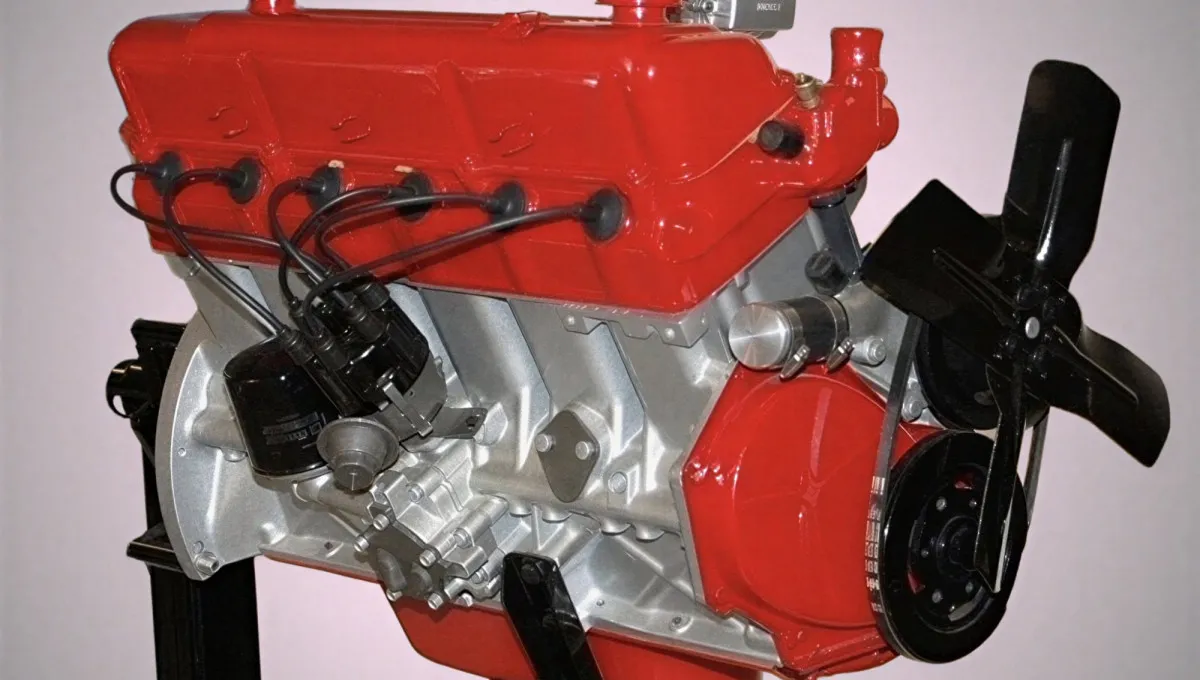
Chrysler's Aluminum Slant 6 Engine: The Lightweight Experiment of 1961–1963
Chrysler built more than 50,000 cars with an aluminum-block Slant 6 before production challenges brought the project to an end.
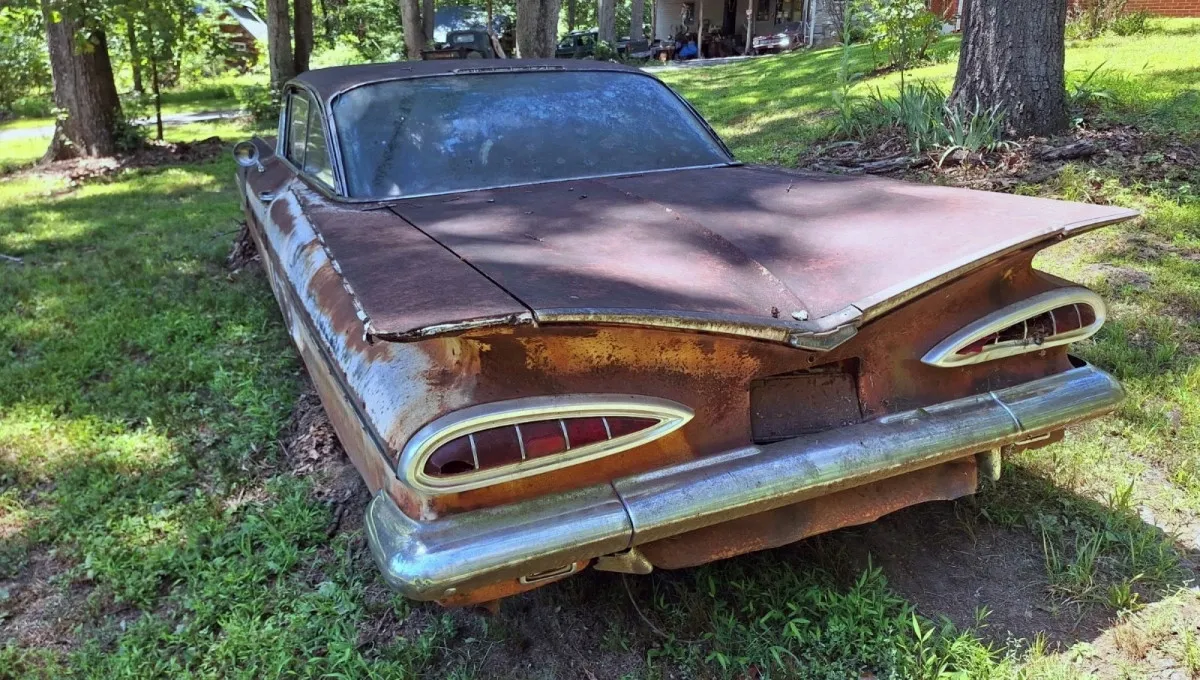
1959 Chevy Impala Parked in a Farm Begs for Restoration As Owner Decides To Let It Go
This 1959 Chevrolet Impala has landed online with one big mission: it must convince a skilled restoration guy to give it a second chance
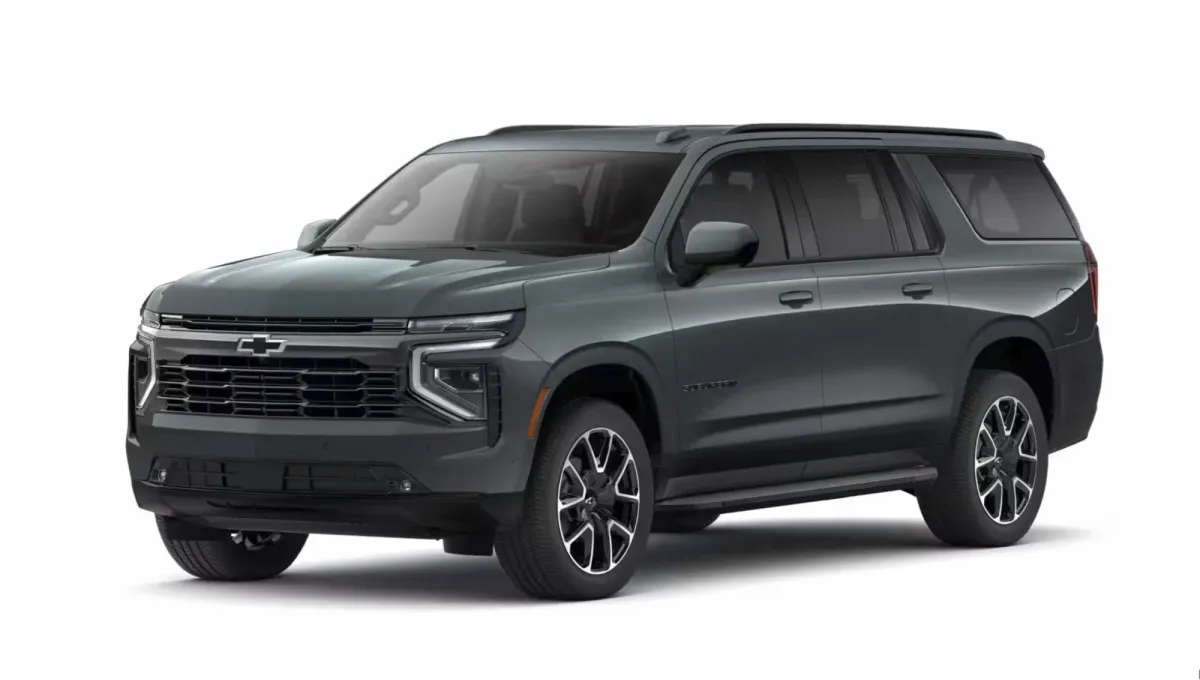
Chevy Suburban Gets New Paint Option for 2027
Chevrolet will offer the White Sands with the Suburban as well, after the automaker made it available in lineups such as the Silverado, Colorado, and Trax
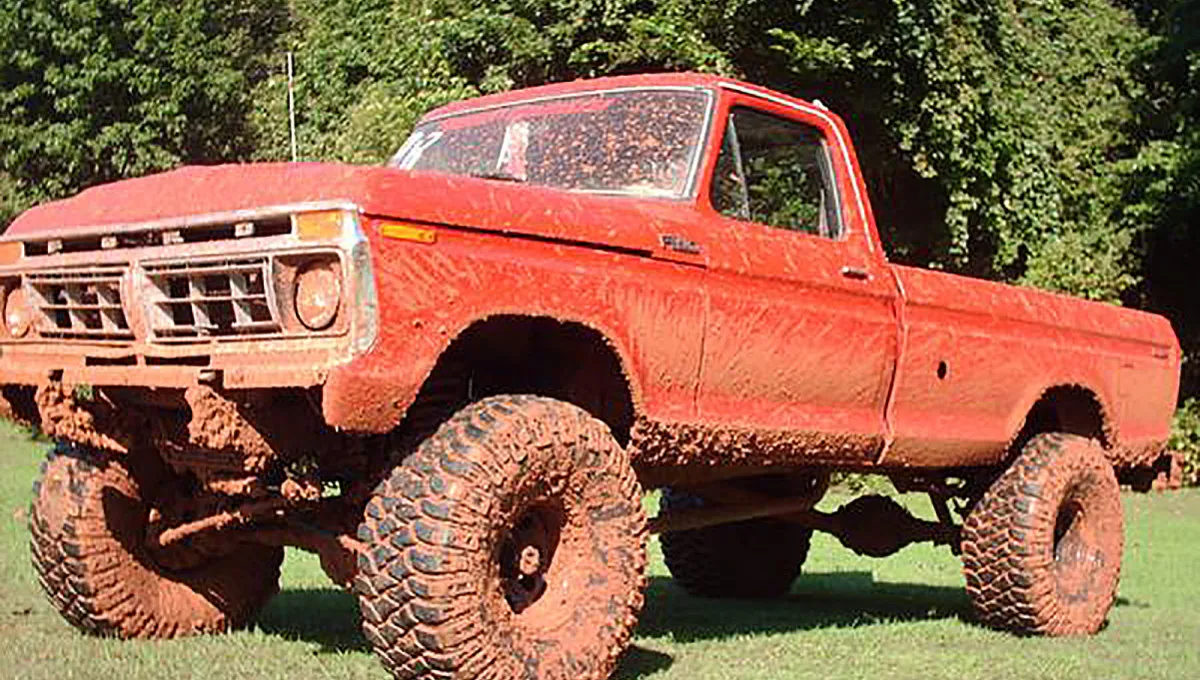
This Ford F-150 Isn’t Just a Pickup — It’s an Orange Apocalypse on Four Wheels
This outrageous Ford F-150 listing turns an ordinary pickup into a mud-loving, obstacle-crushing legend with attitude.