
Car Diagnostics: What It Is, Why You Need It, and How It Works
Every driver has heard the advice: “Take it in for diagnostics.” But what does that actually mean? Is it just reading trouble codes with a scanner, or is there more to it? And most importantly, why pay for diagnostics if the car runs and doesn't seem to be breaking down? Here's what the term really covers, when diagnostics are necessary, and how the procedure is performed at a modern repair shop.
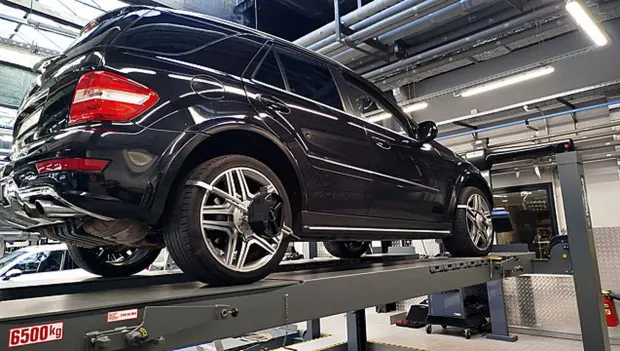
Diagnostics is an examination of a vehicle without taking it apart. Using specialized equipment, measurements, and a visual inspection, a technician gathers information about the condition of the vehicle's components and systems. Based on that information, the technician determines what is working properly and what may soon require attention.
In medical terms, it's a physical exam for the entire vehicle. And just like in medicine, there are different levels of examination, from a quick “checkup” to an in-depth “comprehensive examination.”
Why Does a Car Need Diagnostics?
/upload/content/ea2ebaa76f73507cae5b0178211/032d3cc5d6c3a403c22401e4059.jpg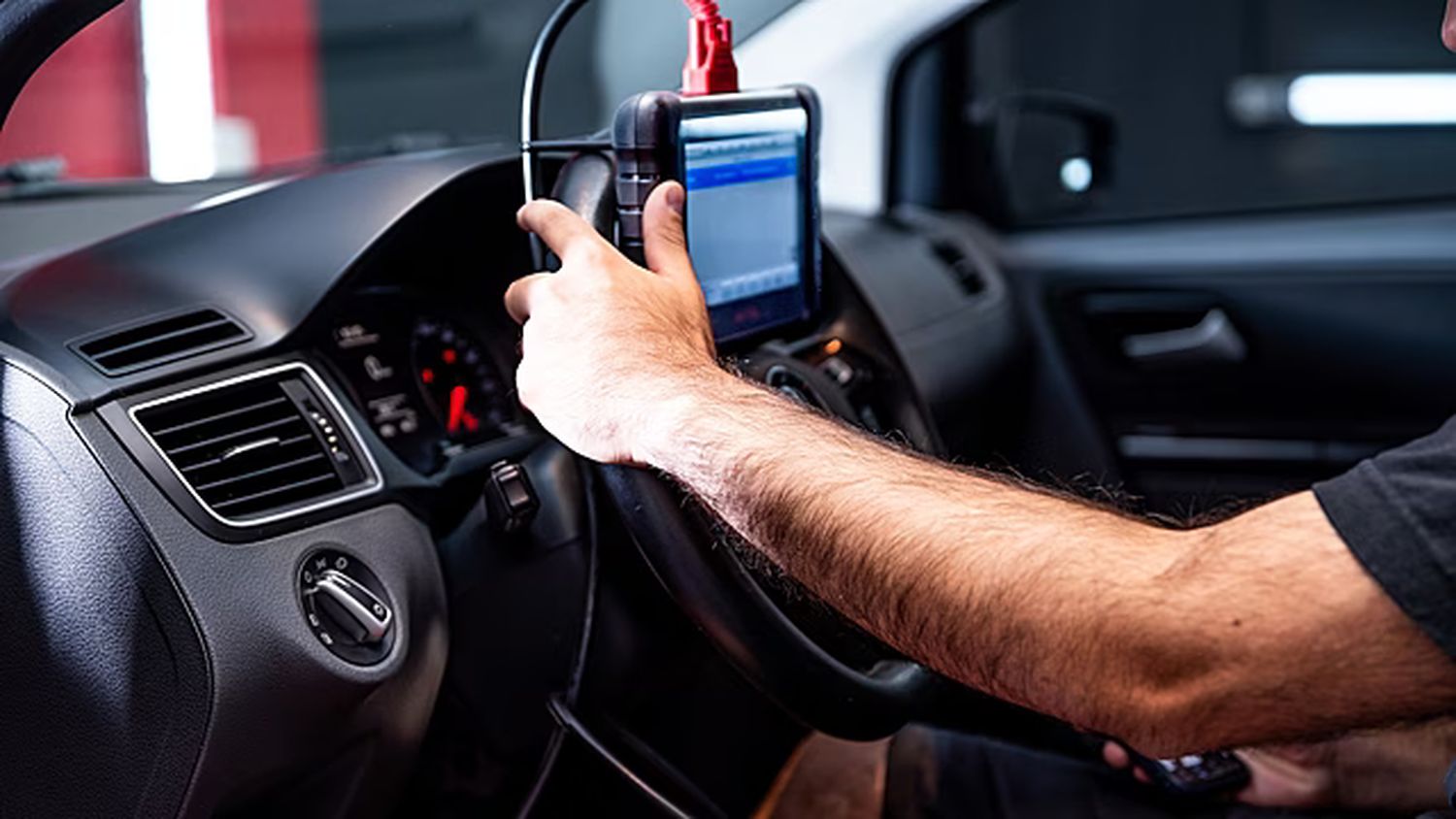
There can be several reasons to take a car in for diagnostics.
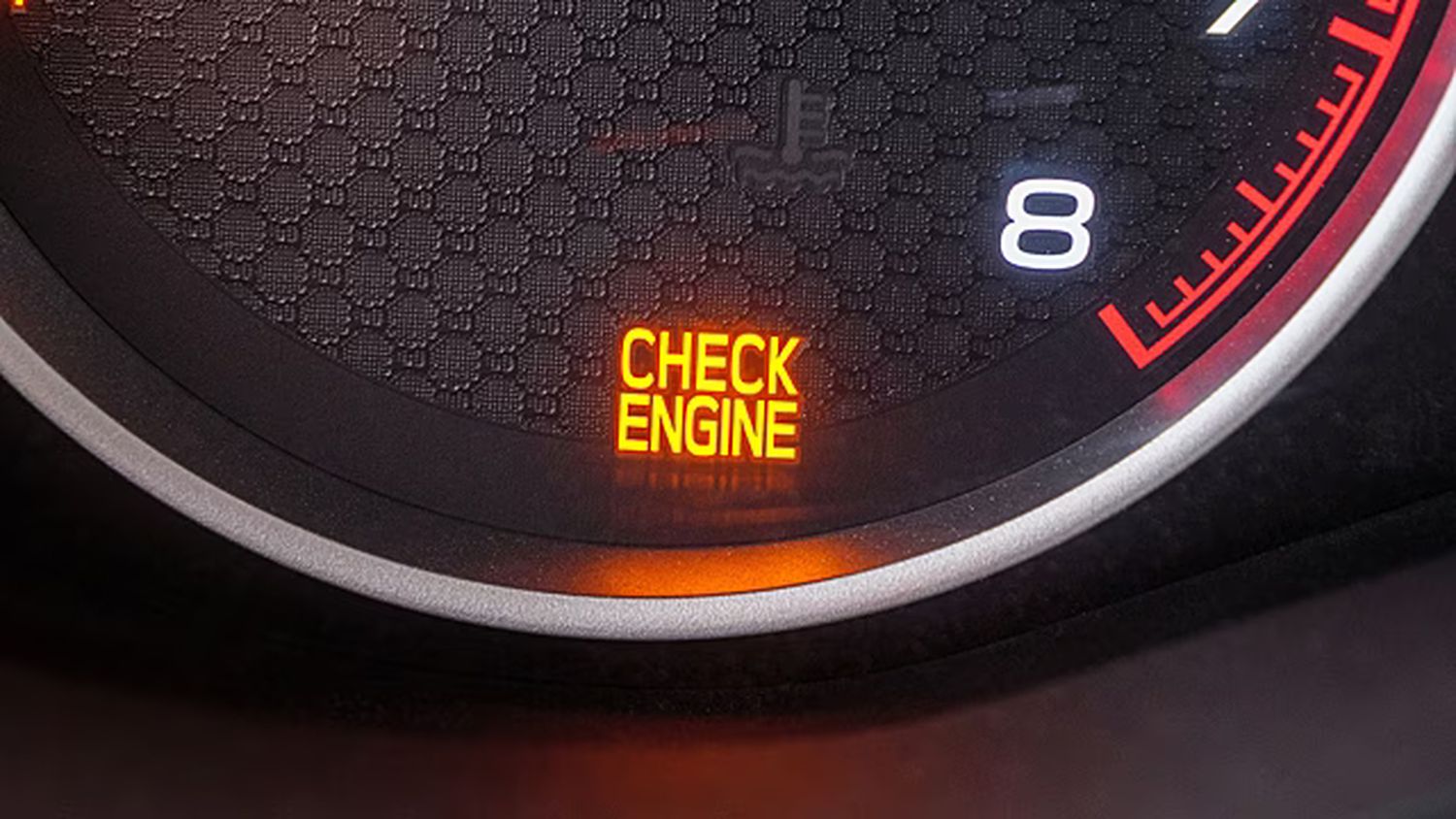
The first and most obvious is that something has gone wrong. The Check Engine light comes on, the engine speed fluctuates, the climate control stops responding, or a suspicious noise develops in the suspension. Diagnostics can help identify where to look for the problem.
The second is preventive maintenance. The car runs normally, but you feel that its handling has gotten worse, or it's simply time for scheduled maintenance. It's better to find out in advance what will soon need to be replaced than to end up stranded on the highway because of a sudden breakdown.
The third is buying a used car. This kind of inspection can help prevent you from buying a car with hidden problems. Finding out the actual mileage and uncovering hidden issues with the electronics or suspension can provide invaluable information when choosing a vehicle.
What Types of Car Diagnostics Are There?
Quick Diagnostics
A fast, basic check. It includes reading trouble codes and inspecting the main components. It works well for scheduled maintenance.
In-Depth Diagnostics
This is used when a quick check reveals a problem or the technician suspects a complex failure. Serious equipment, oscilloscopes, and real-time parameter analysis come into play. A road test with a connected recording device may even be necessary to “catch” an intermittent fault.
Diagnostics Is Not a Single Test but a Set of Procedures
1. Computer Diagnostics
A specialized scanner is connected to the vehicle's diagnostic port. It reads trouble codes from all electronic control units, including those for the engine, transmission, ABS, airbags, and other systems. The technician can then see where the system has detected a fault.
But that's just the tip of the iceberg. Reading a trouble code isn't enough. It's important to determine why it occurred. For example, a scanner may show “no signal from the temperature sensor.” The problem could be the sensor itself, a broken wire, a corroded connector, or even the control module. To find the cause, the technician checks the actual operating parameters of the sensors and systems in real time using an oscilloscope and other instruments.
2. Engine Diagnostics
This involves more than just reading trouble codes. A “classic” diagnostic procedure is measuring cylinder compression and analyzing exhaust-gas composition. This data can provide information about the condition of the piston assembly and fuel system.
3. Suspension and Brake Diagnostics
Specialized equipment is used here to simulate how the suspension operates while the vehicle is moving:
A suspension test stand shakes the wheels to assess the condition of the shock absorbers and springs.
A play detector identifies play in the steering and suspension.
A brake test stand measures braking performance at each wheel, immediately showing whether the brakes are working evenly.

The technician also checks the vehicle by hand—shaking the wheels, listening to the suspension, and checking the control-arm bushings with a pry bar. There's no getting around that.
You may also be interested in the news:
Tow Truck Driver Reveals a Hidden Car Feature That Could Save Your Life in an Emergency
A professional tow truck driver revealed a little-known feature that can help drivers move a disabled vehicle to safety.
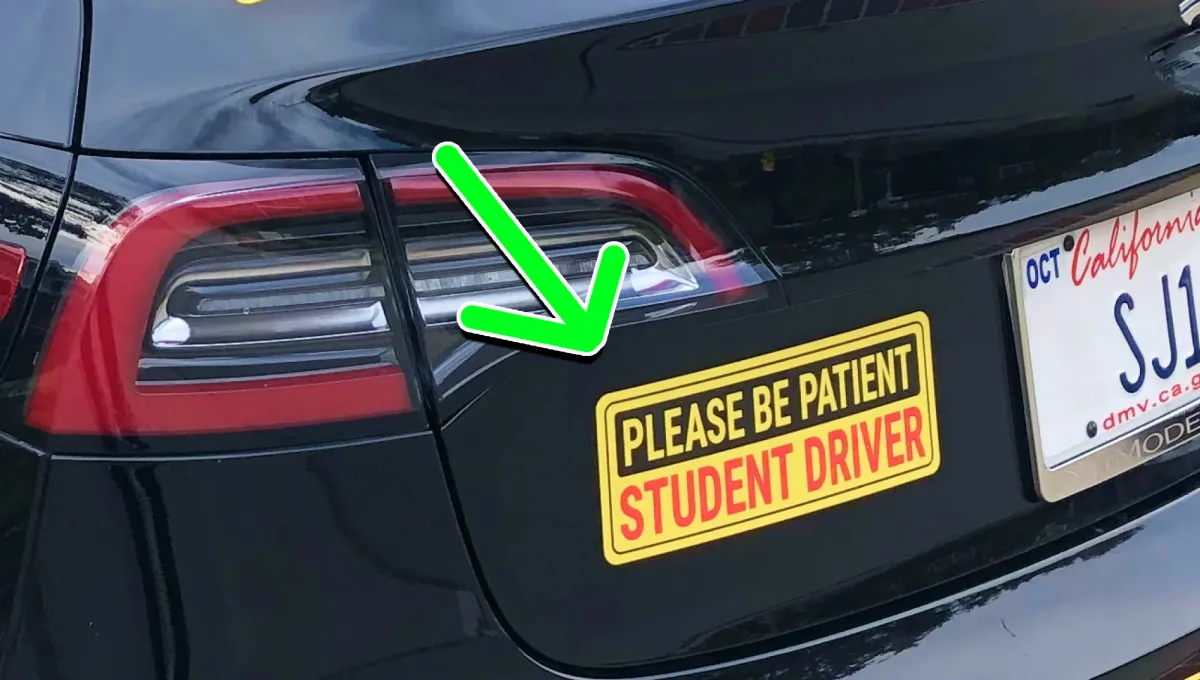
The Household Staple That Helps Remove Bumper Stickers Without Damaging Your Car
Removing an old bumper sticker is easier with rubbing alcohol, which helps dissolve stubborn adhesive residue from your car.
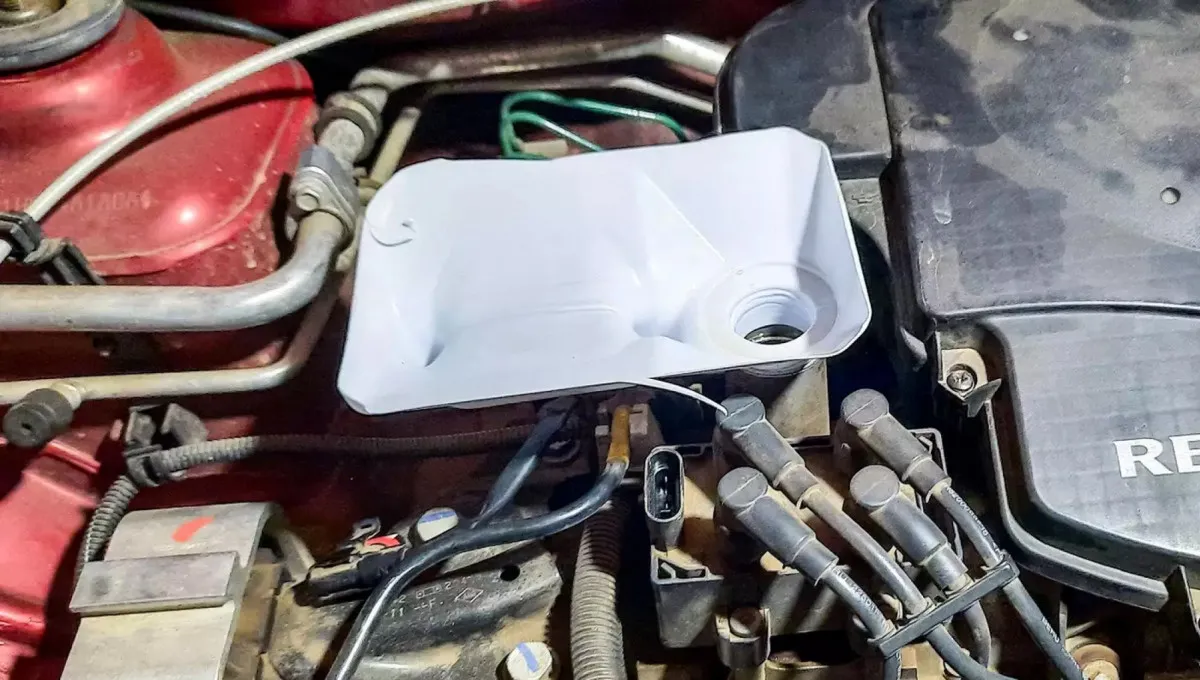
Useful for Many Drivers and Mechanics: This DIY Tool Makes Adding Engine Oil Much Easier
A simple homemade funnel helps drivers add engine oil cleanly, avoid spills, and reach hard-to-access filler openings.

Foggy Windows in Dry Weather: What Problem Could This Indicate?
Foggy car windows can signal anything from excess cabin moisture to a clogged air filter or a hidden coolant leak.
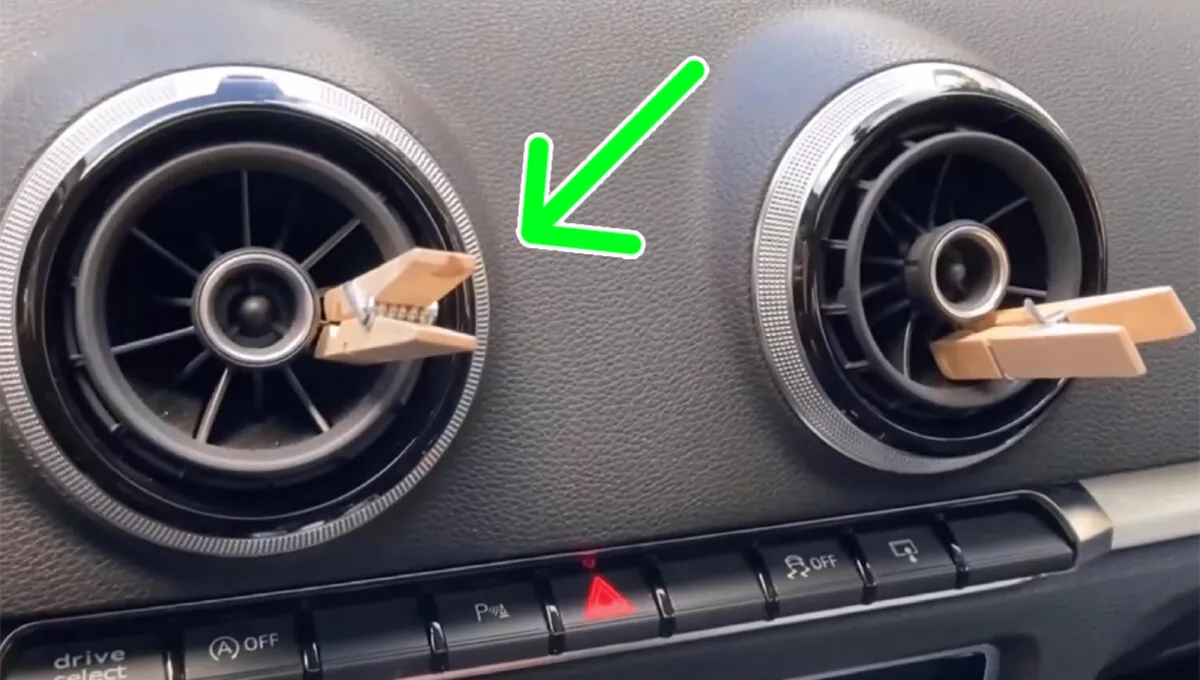
Why Experienced Drivers Keep a Simple Wooden Clothespin in Their Cars
A wooden clothespin clipped inside a car might look out of place, but some drivers use it for several surprisingly practical purposes.