
The Car With a Turning Headlight and a Helicopter Engine: The Story of the Tucker 48
All 51 cars built before the factory closed ended up in private collections and museums—and today, each can command auction prices higher than most modern supercars.
All 51 cars built before the factory shut down ended up in private collections and museums—and today, each one can command more at auction than most modern supercars. The company behind them, however, disappeared less than two years after it was founded. What happened to the man who wanted to change the American auto industry—and why did his creation remain such a mystery on wheels?
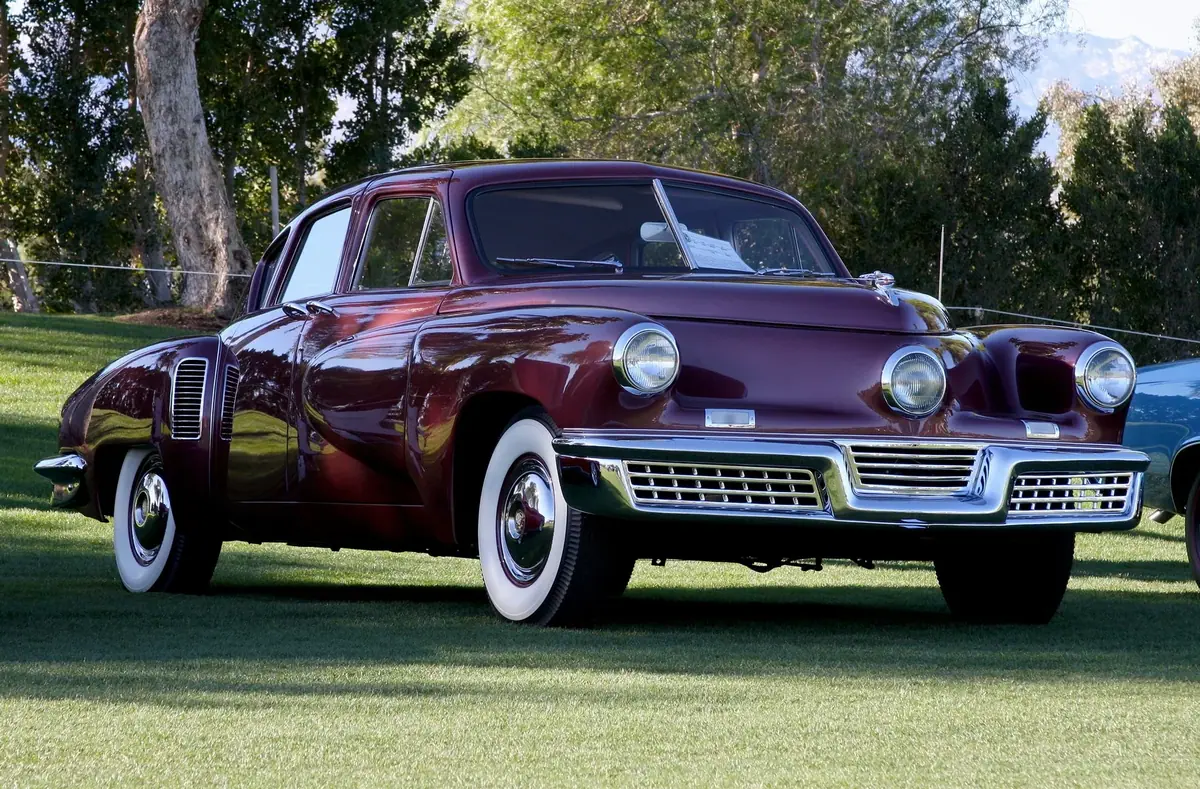
This is the story of the Tucker 48, a car that still sparks debate today: Was it a brilliant design ahead of its time, or an ambitious dream that simply couldn't survive the realities of postwar America?
The Engineer Who Wasn't Afraid of the Big Three
Preston Tucker had spent virtually his entire adult life around automobiles. He worked as a car salesman, became involved in developing race cars, and worked with defense manufacturers during World War II. By the late 1940s, he had become convinced that the American auto industry was standing still. The major automakers—Ford, General Motors, and Chrysler—were reluctant to introduce truly new technologies because doing so was expensive and risky.
Tucker decided to attempt what the major companies weren't willing to do: build a car from the ground up around safety and bold engineering rather than conventional factory formulas.
A Car With a "Third Eye"
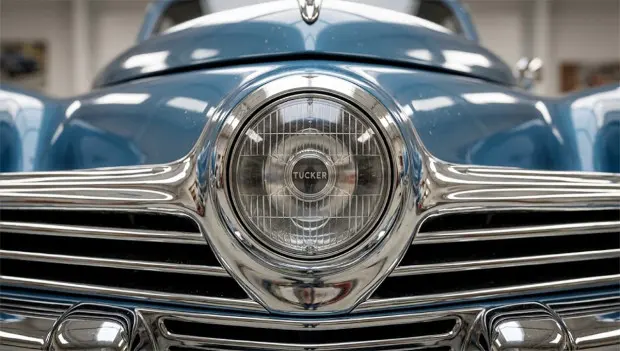
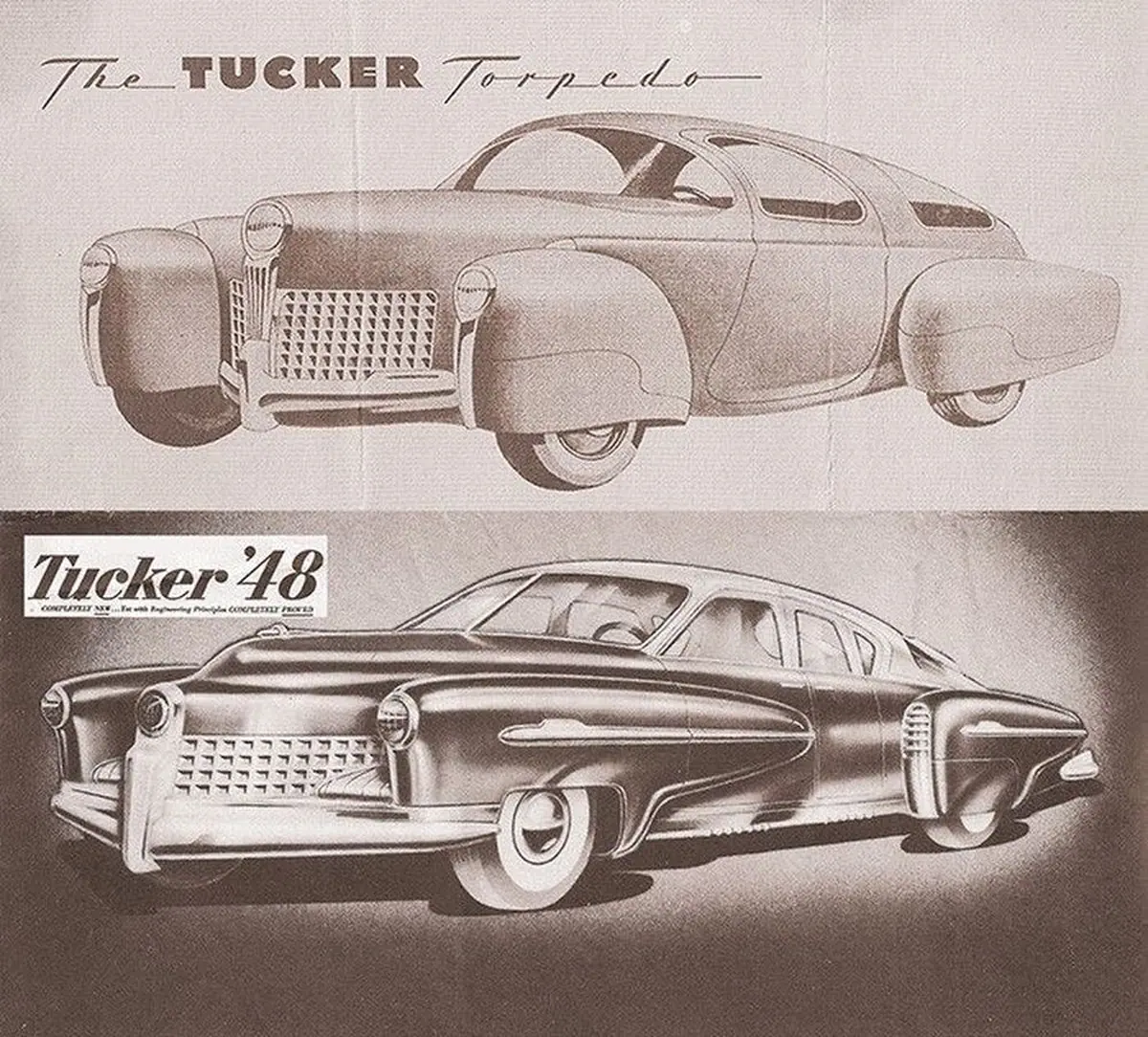
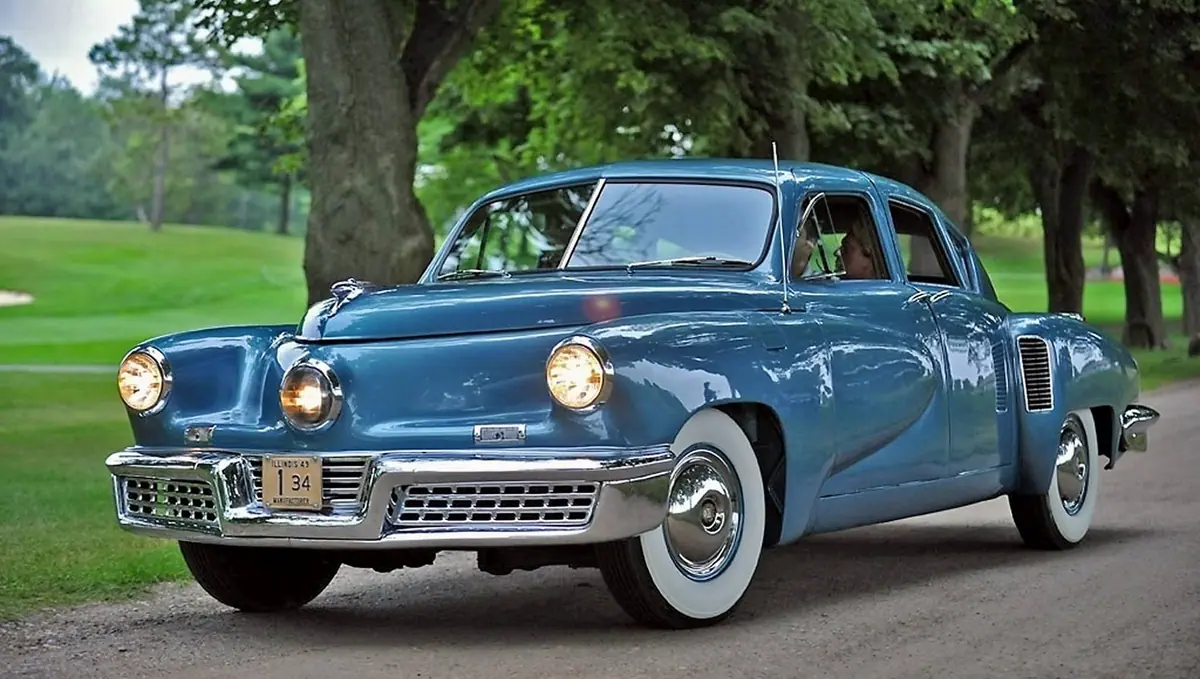
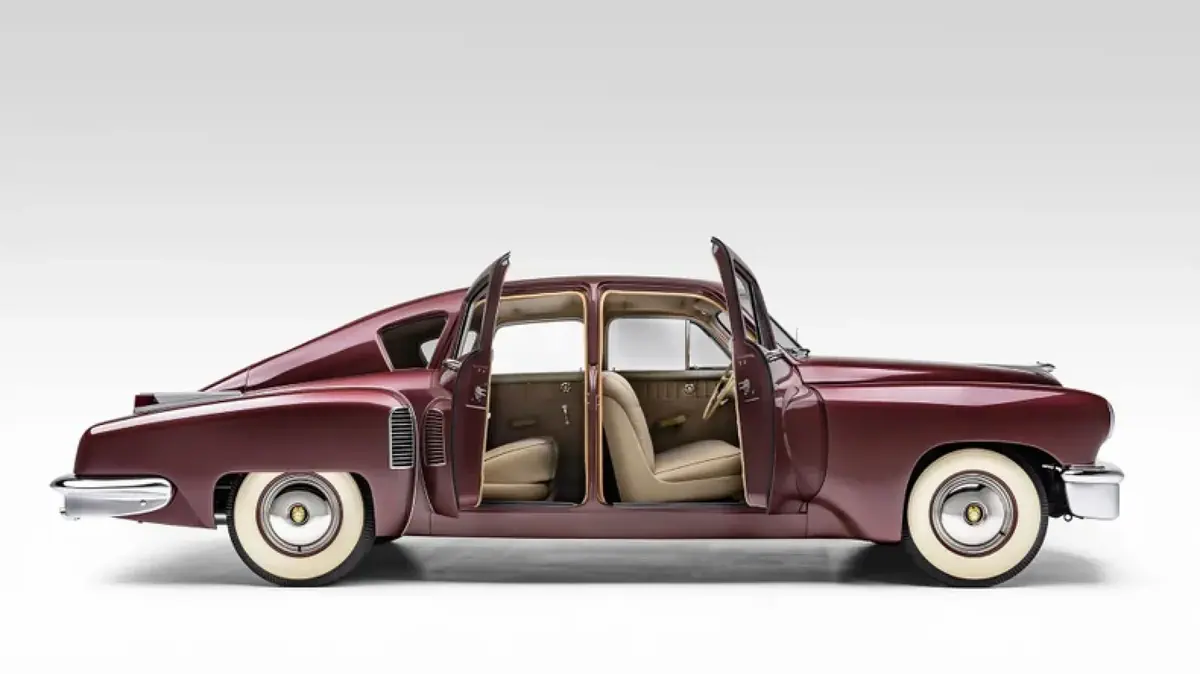
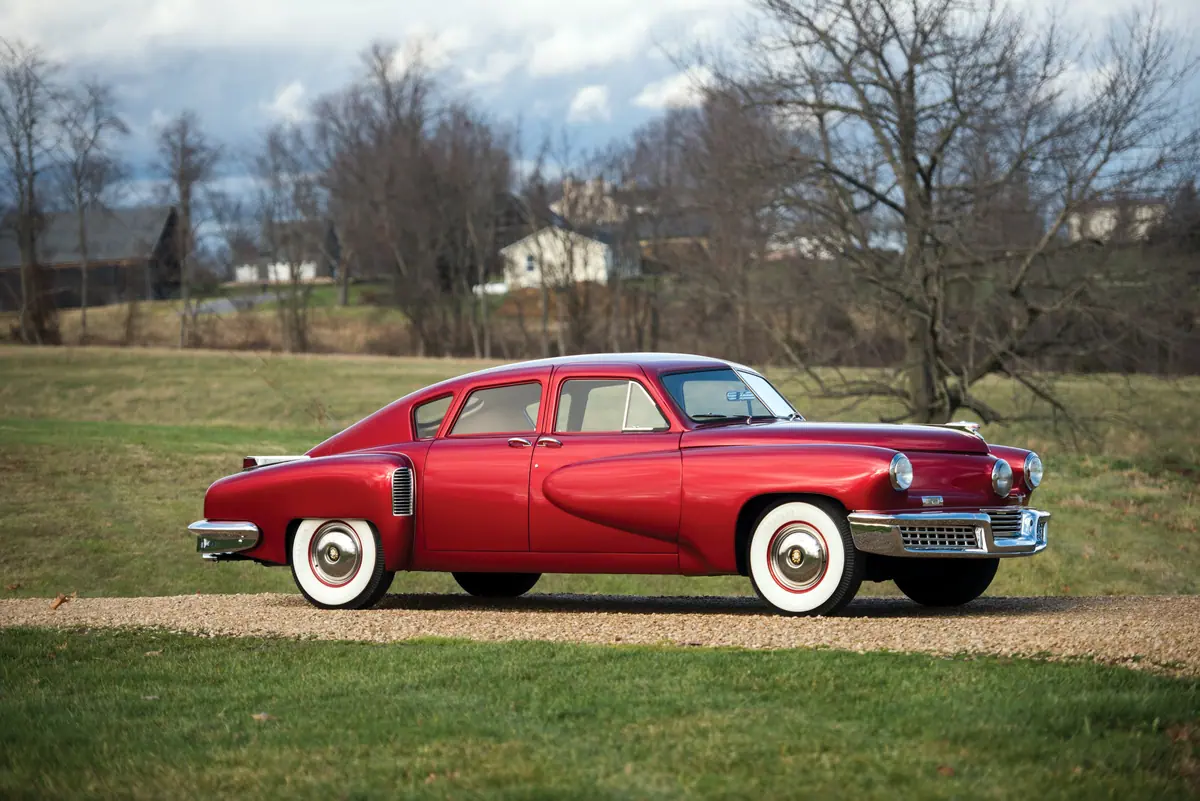
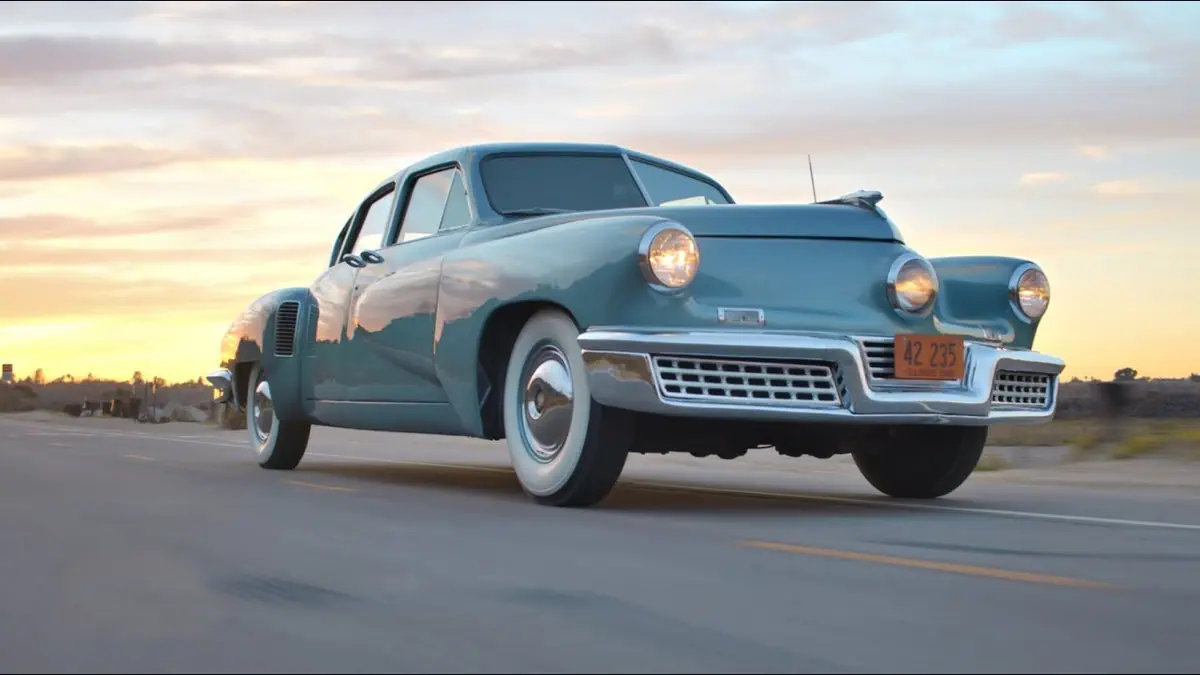
The Tucker 48 immediately stood apart from American cars of the late 1940s. Its streamlined, low-slung body looked nothing like the heavy sedans coming from its competitors. But the feature that almost everyone noticed was the headlight mounted in the center of the front end. It turned with the steering wheel, illuminating the road through a corner before the car itself reached it.
The "cyclops" nickname quickly stuck, and the headlight became the model's signature feature. At the time, the idea looked almost futuristic. Most cars simply projected their headlights straight ahead regardless of where the driver was steering.
Safety Was the Starting Point, Not an Option
While safety was still a secondary consideration for many automakers of the era, it was the foundation of Tucker's entire project.
The Tucker 48 featured a padded dashboard without sharp metal protrusions—an idea that would not become widespread across the auto industry until decades later. The windshield was mounted so that in a severe crash, it could pop out of the frame as a complete piece rather than shatter into fragments toward the occupants.
Another notable feature was the area in front of the passenger. Tucker designed a recessed section in the floor where a passenger could place their legs and duck down during sudden braking or a collision, long before airbags became a familiar part of modern vehicle safety.
The Tucker 48's engine was mounted at the rear. Tucker's reasoning was straightforward: in a frontal collision, the greater distance between the occupants and the point of impact would leave more room for the body structure to deform rather than placing a heavy engine directly in front of them.
An Engine Born in Aviation
The Tucker 48's powertrain was just as unconventional for its era. At its core was a horizontally opposed six-cylinder engine with an aluminum block, originally developed for use in aviation and helicopters. Tucker's engineers adapted it for automotive use and installed it at the rear of the car.
That layout was unusual for a large American sedan of the period, when most automakers continued to use the conventional front-engine configuration. Tucker had a reason for the choice: the lightweight aluminum engine, combined with its rear placement, gave the car a more balanced weight distribution and, as a result, handling that was unusual for its class.
Why Everything Went Wrong
The problem facing Tucker Corporation wasn't necessarily the quality of its engineering. Building an entire automaker from scratch required enormous amounts of capital.
Tucker needed vast sums to establish production, but raising that money through traditional banks and investors proved difficult. The project appeared too risky to a financial establishment closely connected to the existing automotive giants.
To raise money, the company sold stock and collected advance orders for accessories and options for future cars. That strategy attracted the attention of the U.S. Securities and Exchange Commission. Tucker and the company's executives were accused of fraud in connection with raising investment money.
The legal battle dragged on, received extensive coverage in the press, and severely damaged the company's reputation. Eventually, Tucker was fully acquitted—the allegations were not proven. By then, however, the factory had already stopped production and the company had effectively ceased to exist.
The courtroom victory came too late to save the business.
The Debate Has Lasted for Decades
Historians and automotive journalists still debate what brought down Tucker Corporation.
Some argue that the company simply lacked the experience and capital needed to survive in an exceptionally difficult market for a new automaker. Others believe the intensely competitive environment also played a role, with established manufacturers having far more influence with regulators and the press than a small newcomer.
Historians still have no definitive answer about which factor was ultimately responsible for the company's collapse. The truth may have been the result of all of them coming together.
A Legacy That Outlived the Company
Whatever the cause of the company's failure, Tucker's engineering ideas did not disappear with it.
The padded dashboard, the passenger foot-safety area, the turning headlight, and the carefully designed crumple zone all represented ideas that would eventually appear in one form or another at major automakers, often under their own names and patents.
The surviving Tucker 48s are now museum pieces and prized targets for serious collectors. Every remaining example has its own documented history, while the company's story eventually became the basis for a Hollywood film about Tucker that introduced a new generation of viewers to the story, including many with little connection to the automotive world.
Why the Tucker 48 Still Matters
The story of the Tucker 48 is more than the story of a failed automaker. It shows how engineering ambition can get ahead of a market's ability to accept new ideas.
Tucker believed safety and innovation mattered more than established manufacturing formulas. In many ways, he was right—he was simply making that bet decades before the industry was ready to follow.
That may be why the Tucker 48 continues to attract so much attention. It is a rare case of a car being remembered not for production numbers or sales, but for an idea that proved far more durable than the company that created it.
If Tucker had been given more time and capital, could his company really have challenged America's Big Three automakers?
You may also be interested in the news:

These 8 Cars Went Over 1 Million Miles — They Just Don’t Build Them Like They Used To
Some cars outlast generations of owners, proving that careful maintenance and durable engineering can deliver extraordinary mileage.
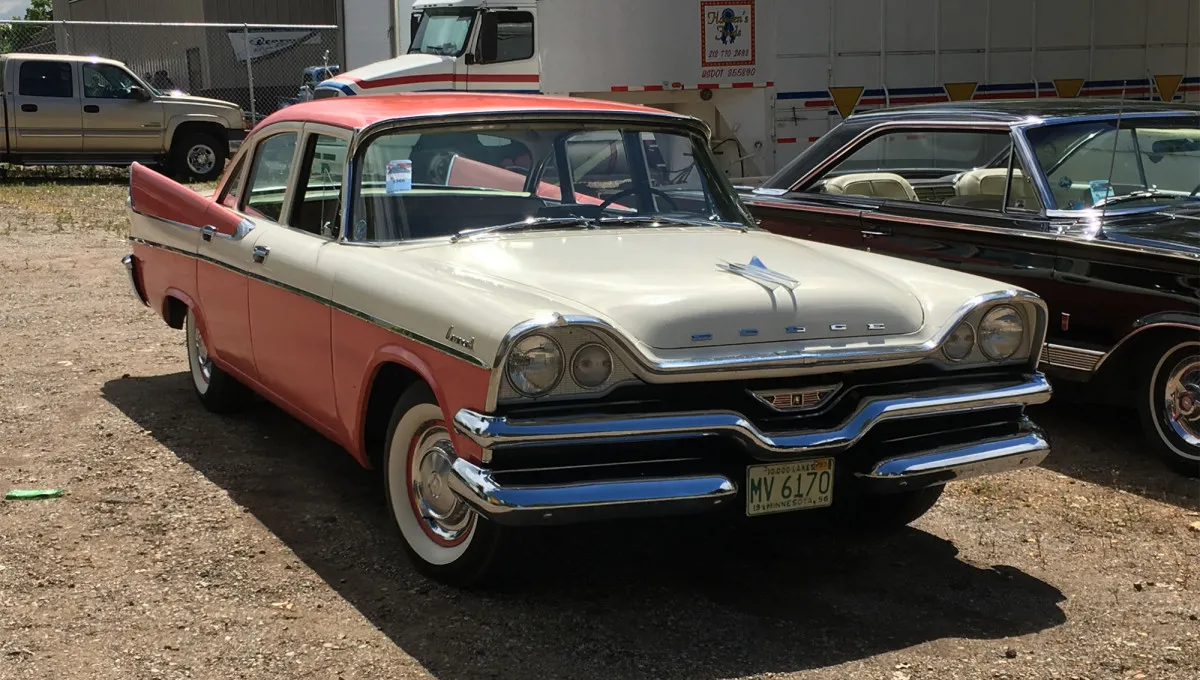
The 1957 Dodge: How “Autodynamics” Shaped One of Detroit’s Boldest Designs
The 1957 Dodge Looked Like a Dream Car, but Its Biggest Flaw Was Hiding Beneath the Surface.
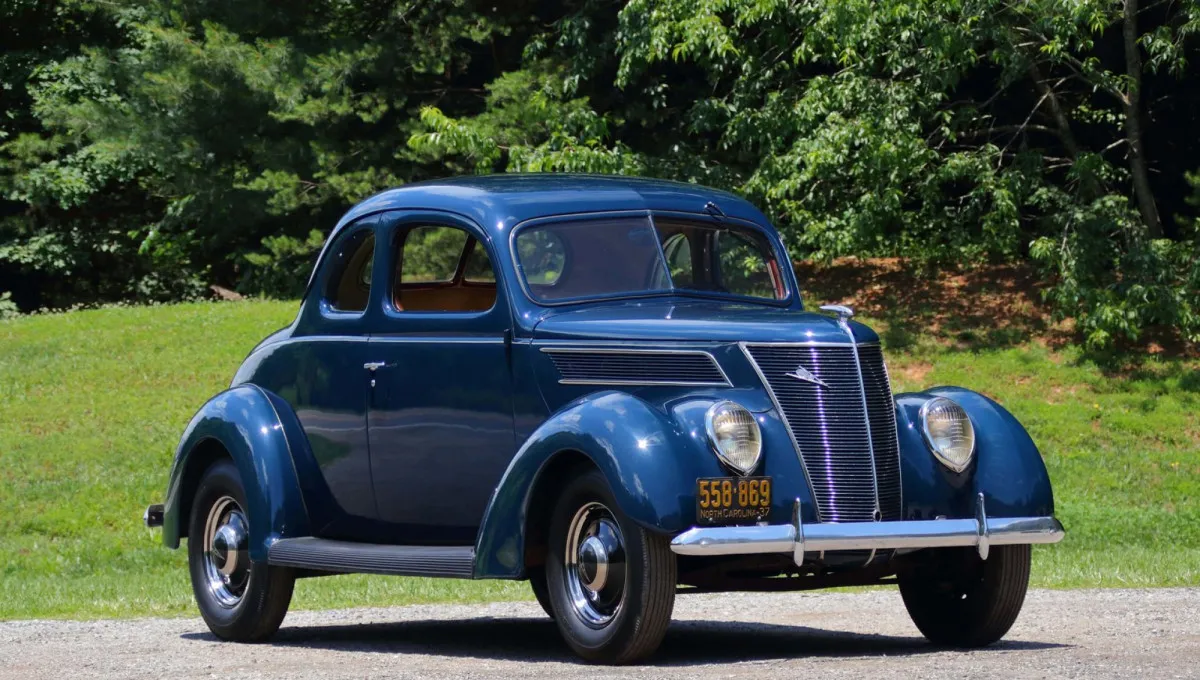
The 1937 Ford Was a Quality Car at an Affordable Price — Here’s What Made It Stand Out
The 1937 Ford featured several major changes and improvements. Let’s take a closer look.
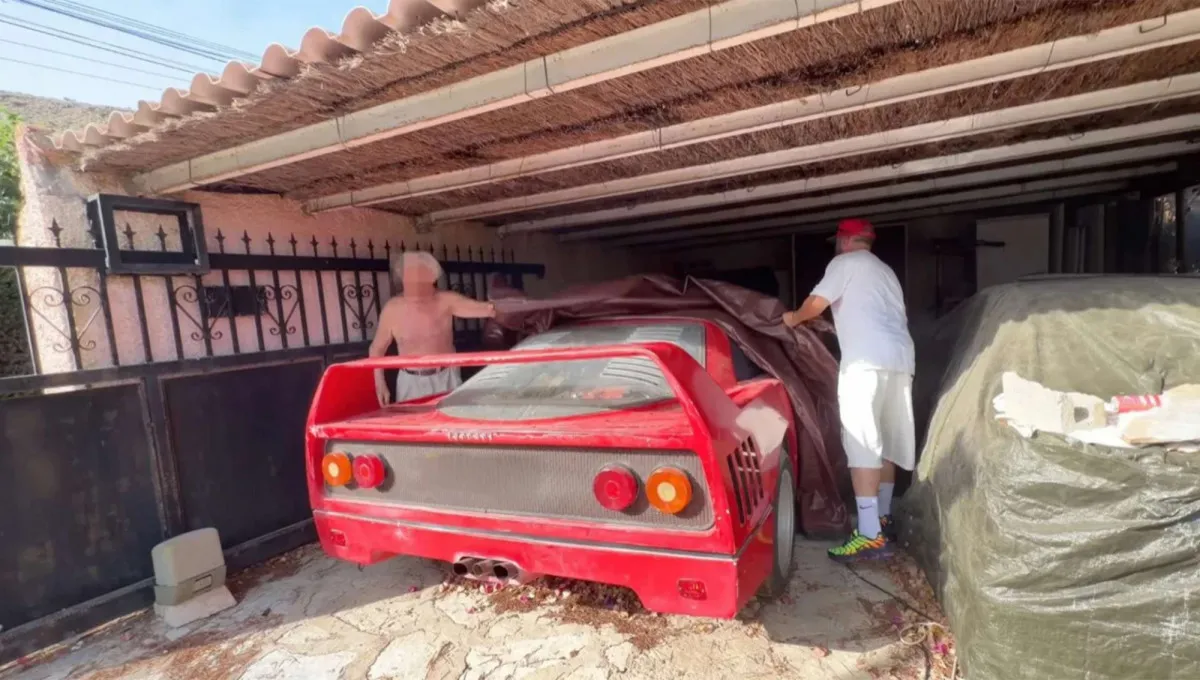
Two Ferrari F40s Spotted on Google Maps Turn Out to Be Pontiac Fiero Replicas
Two Ferrari F40 lookalikes spotted on Google Maps in Spain turned out to be replicas built on an American sports car.
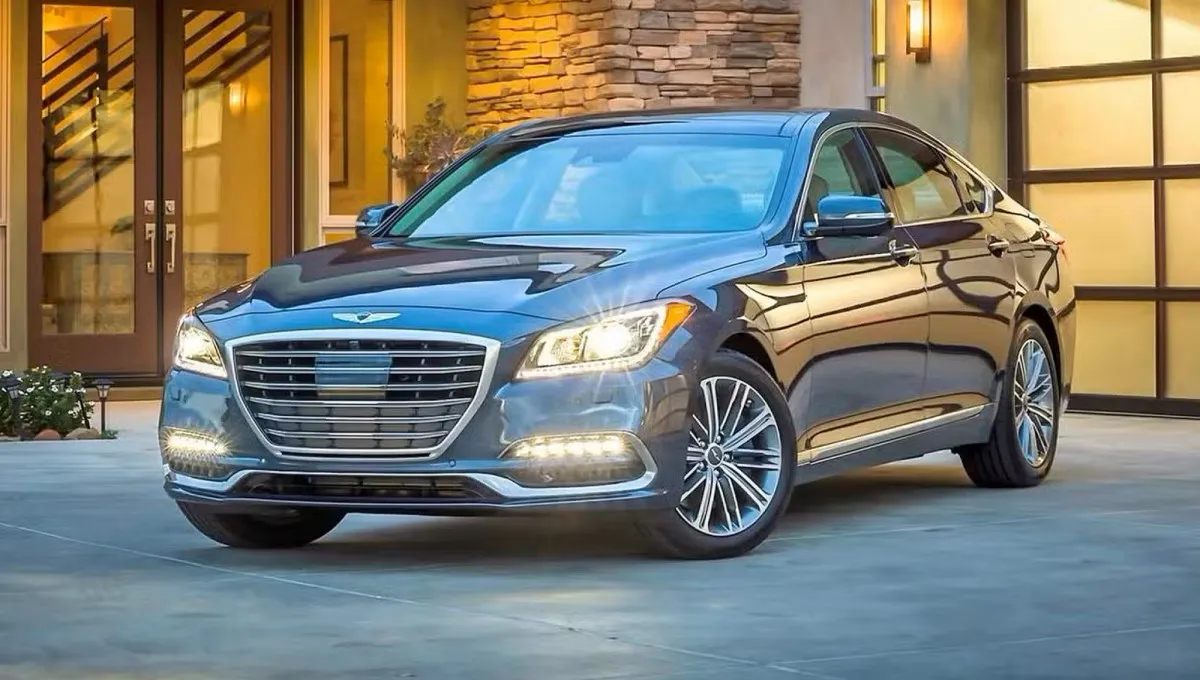
Hyundai Recalls Nearly 95,000 Genesis Sedans Over Fire Risk From Power Seats
Hyundai is recalling 94,622 Genesis sedans after a faulty power seat switch was linked to overheating and potential vehicle fires.