
1974 Chevy Camaro LT Came From an Estate With 38,911 Miles and Remarkably Original Condition
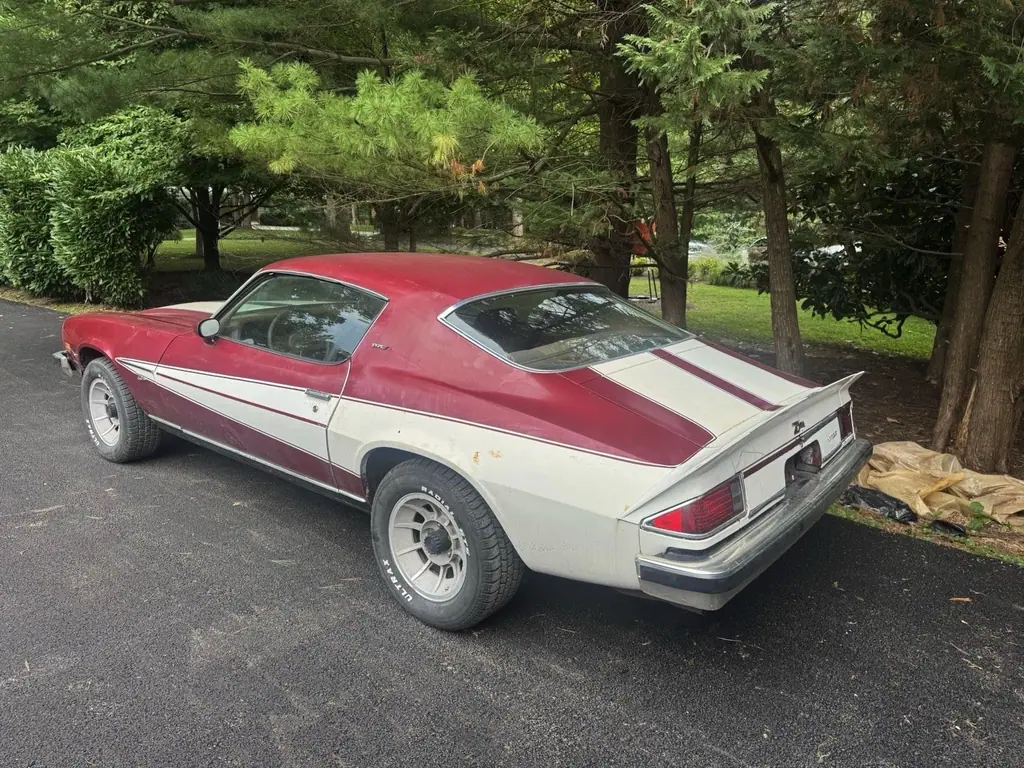
This 1974 Chevrolet Camaro spent most of its life with one family and is now being offered for sale.
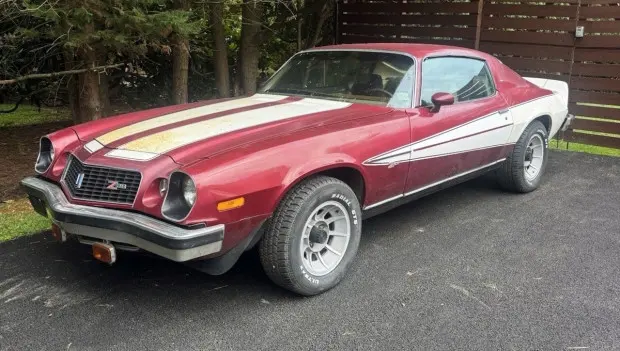
Low mileage. Original components. Survivor condition. A rare find. Those are the phrases being used to pitch this 1974 Chevrolet Camaro LT, a car that has apparently escaped the fate of so many others from the same era and now needs a new owner willing to finish bringing it back.
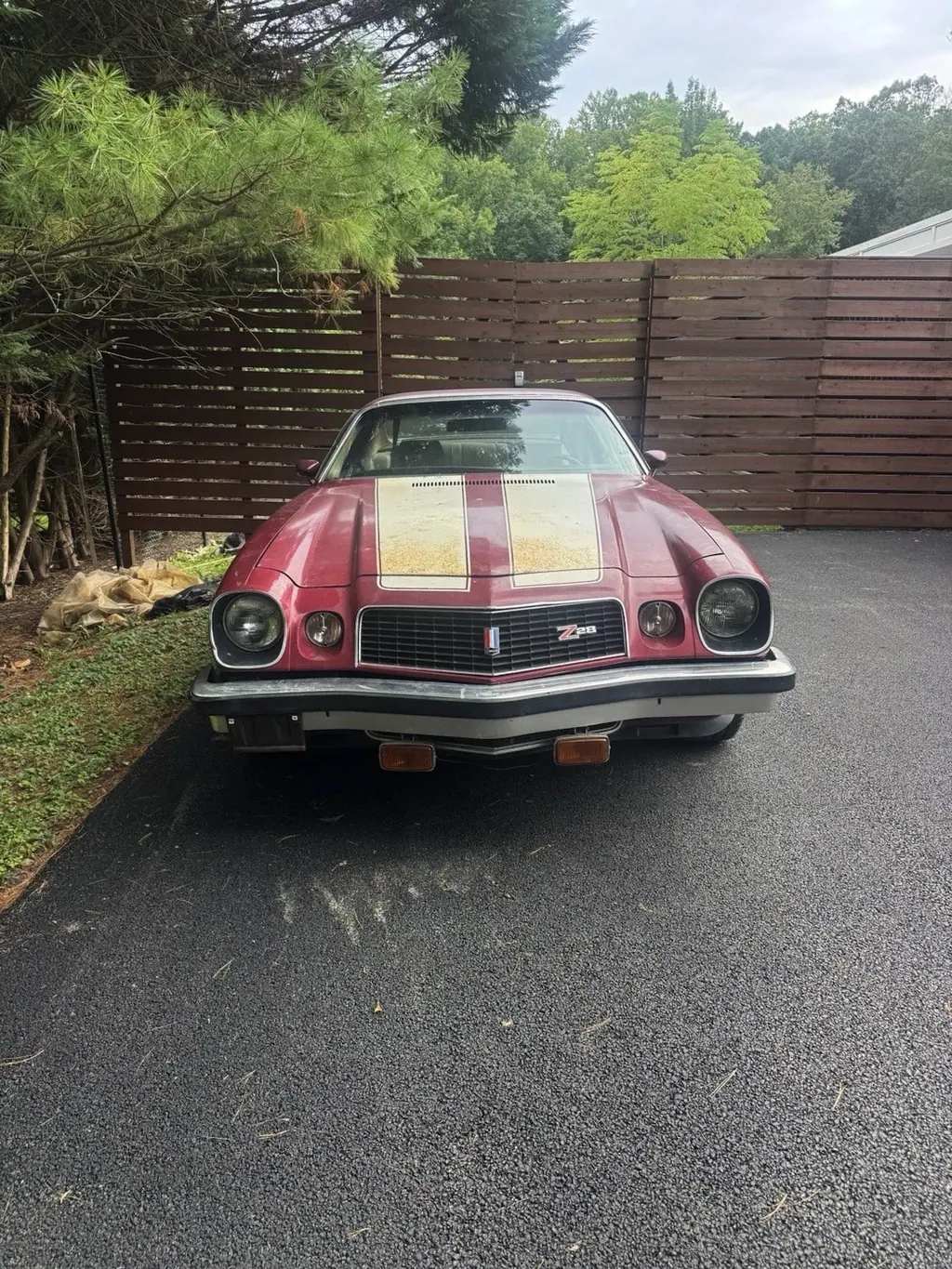
The Camaro was acquired from a local estate, although its history remains largely unknown. The seller has uploaded photographs of some of the documents to the eBay listing, which means there may still be enough information available to piece together at least part of the car’s story.
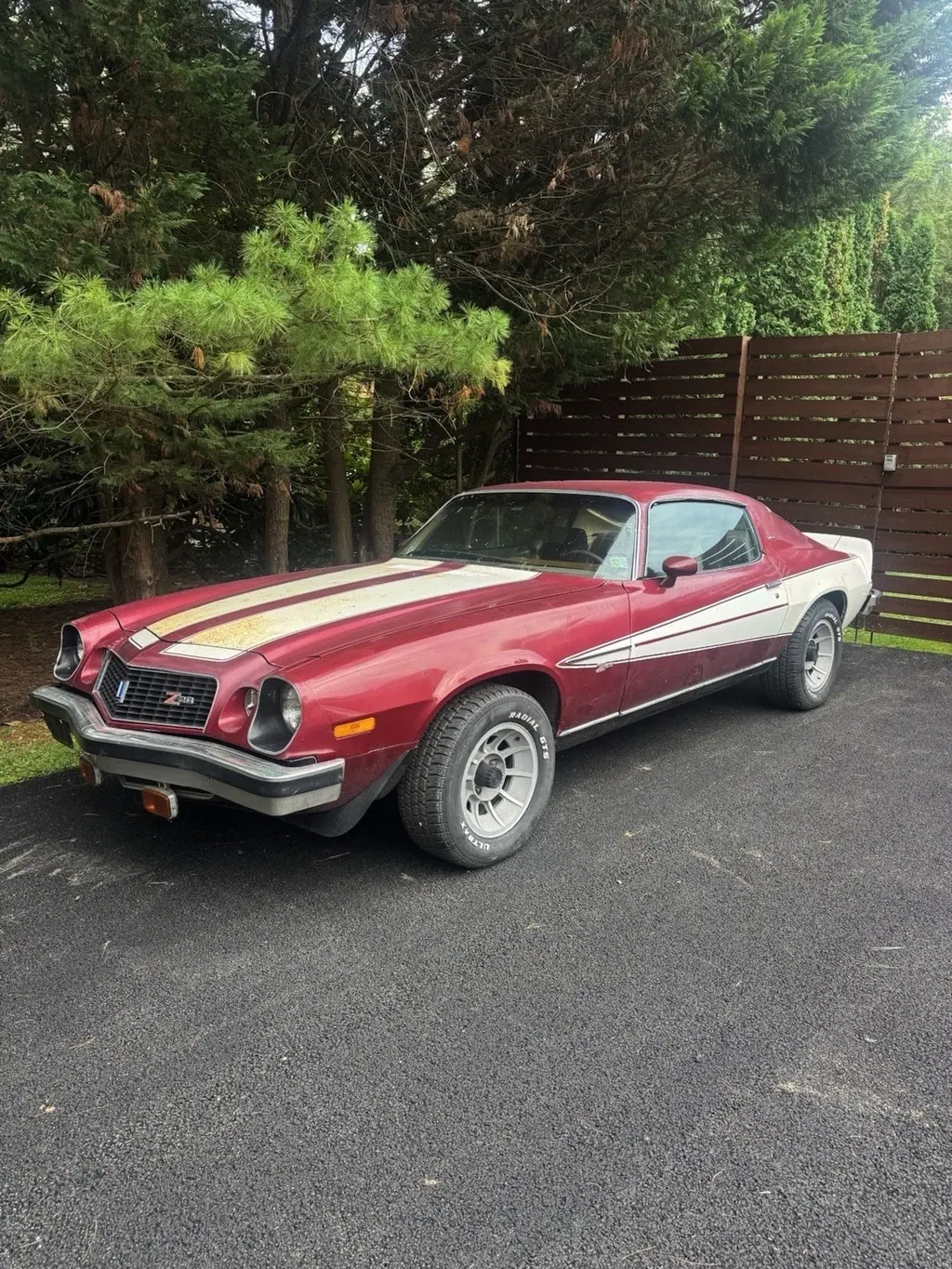
Among the paperwork are oil-change receipts dating back to 1982. That alone raises the possibility that additional records could exist somewhere. The seller describes the Camaro as having “excellent collector potential,” and documentation would only make that claim more convincing by giving a future owner a clearer look at its past.
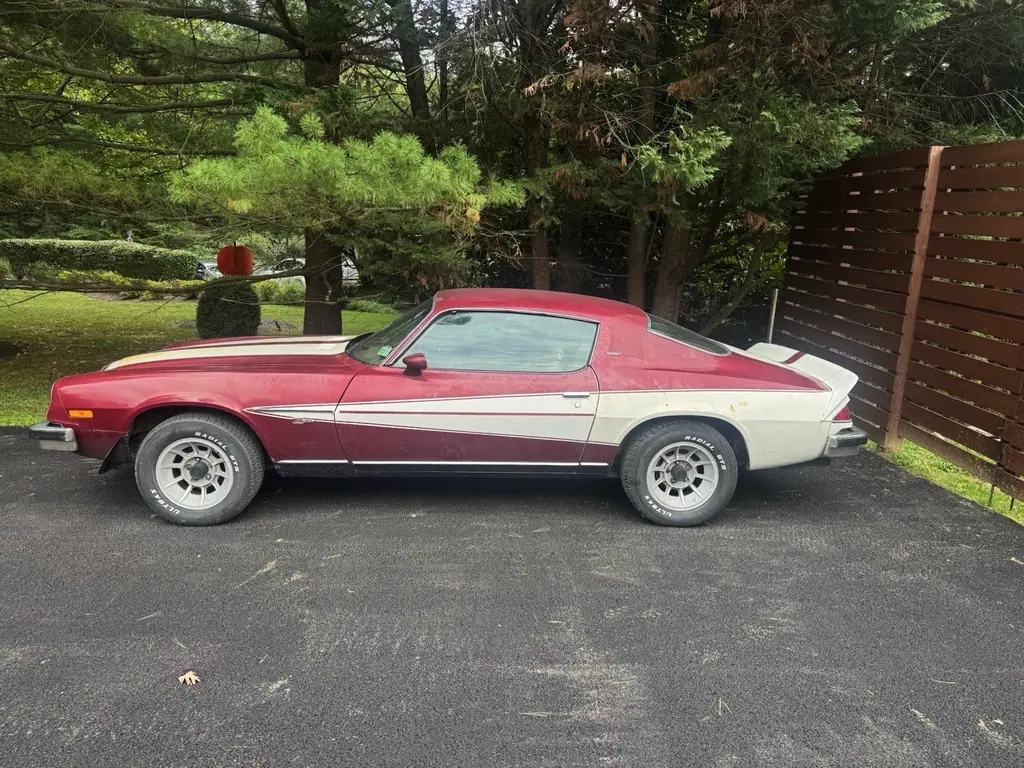
Chevrolet put considerable effort into promoting the Type LT when the car was new. The company's marketing material described it with the line, “More L, more T than ever.”
“We call this Camaro the Type LT because it takes the twin concepts of Luxury and Touring up another flight of steps beyond the Sport Coupe,” the company continued.
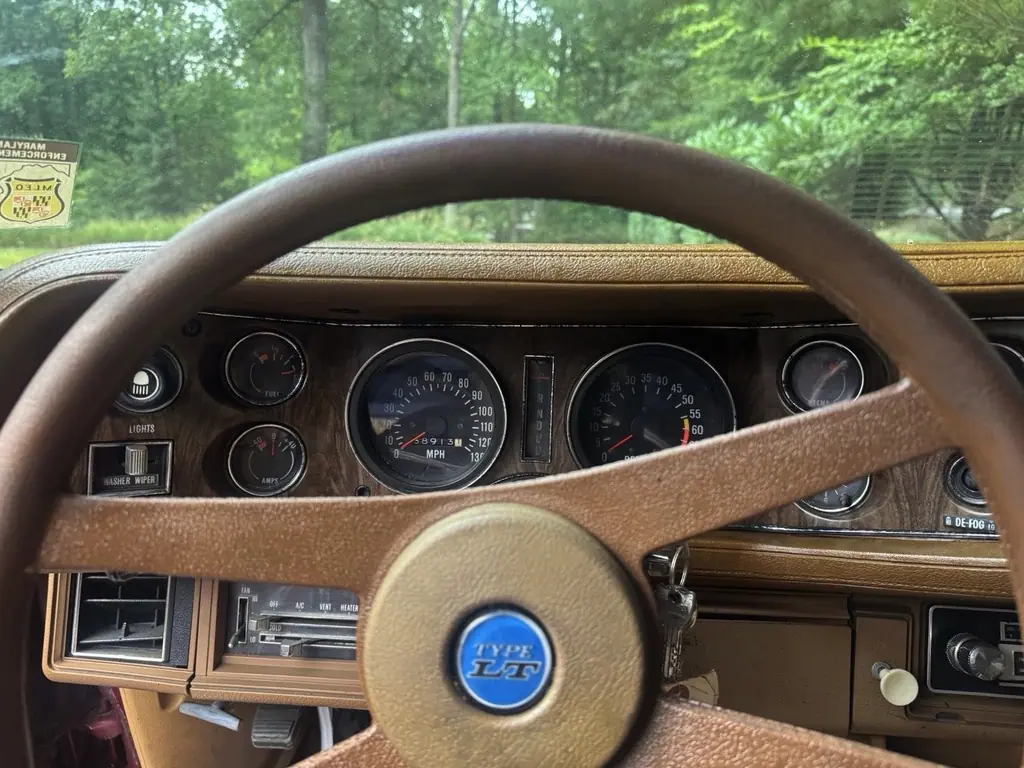
The LT brought a substantial list of equipment for the money. Standard features included special instrumentation, with every LT receiving a tachometer, temperature gauge, and ammeter. Chevrolet also fitted an electric clock, hidden windshield wipers, wear sensors built into the front disc brakes, new carpeting, simulated wood trim, and a sport steering wheel.
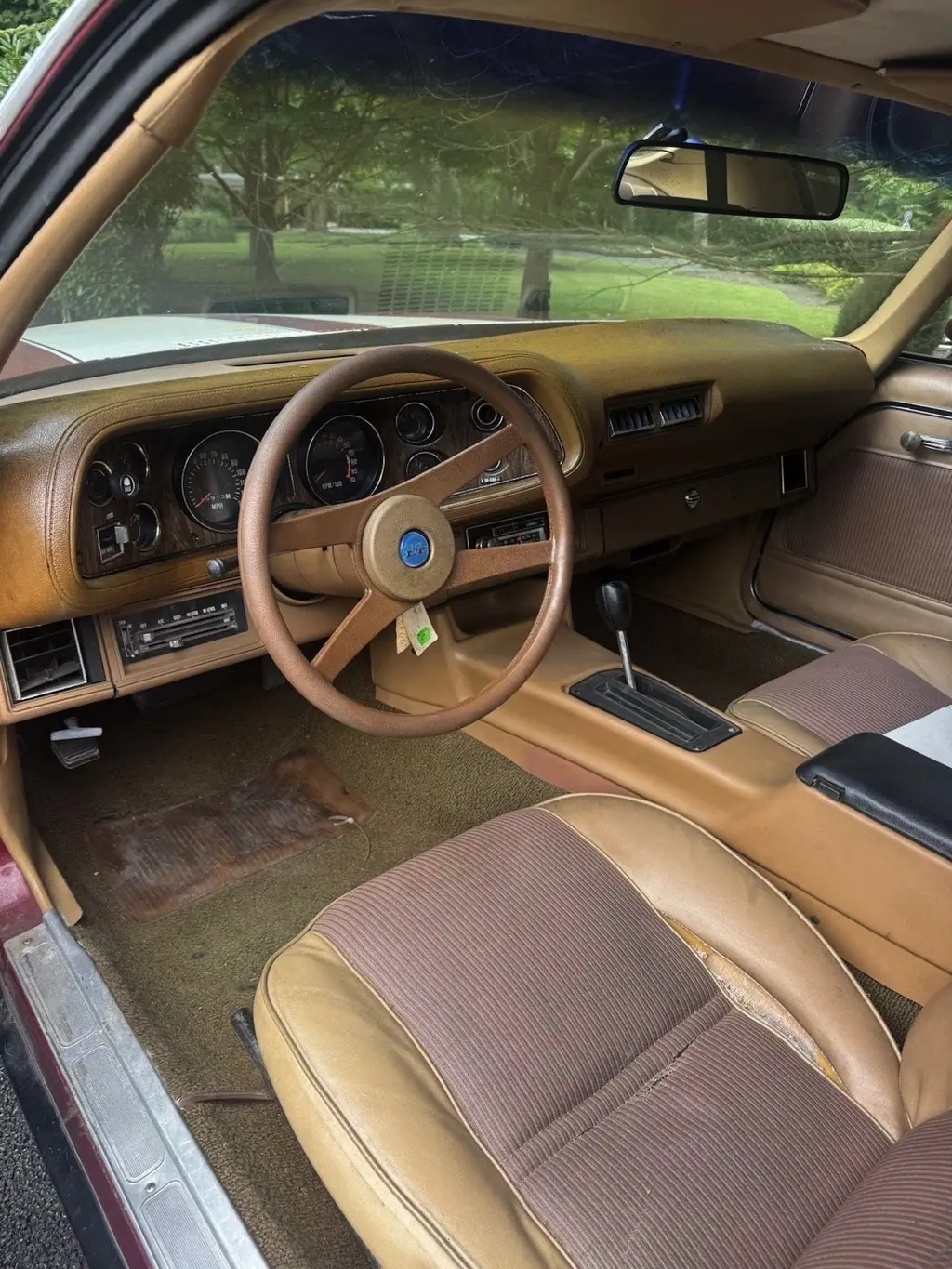
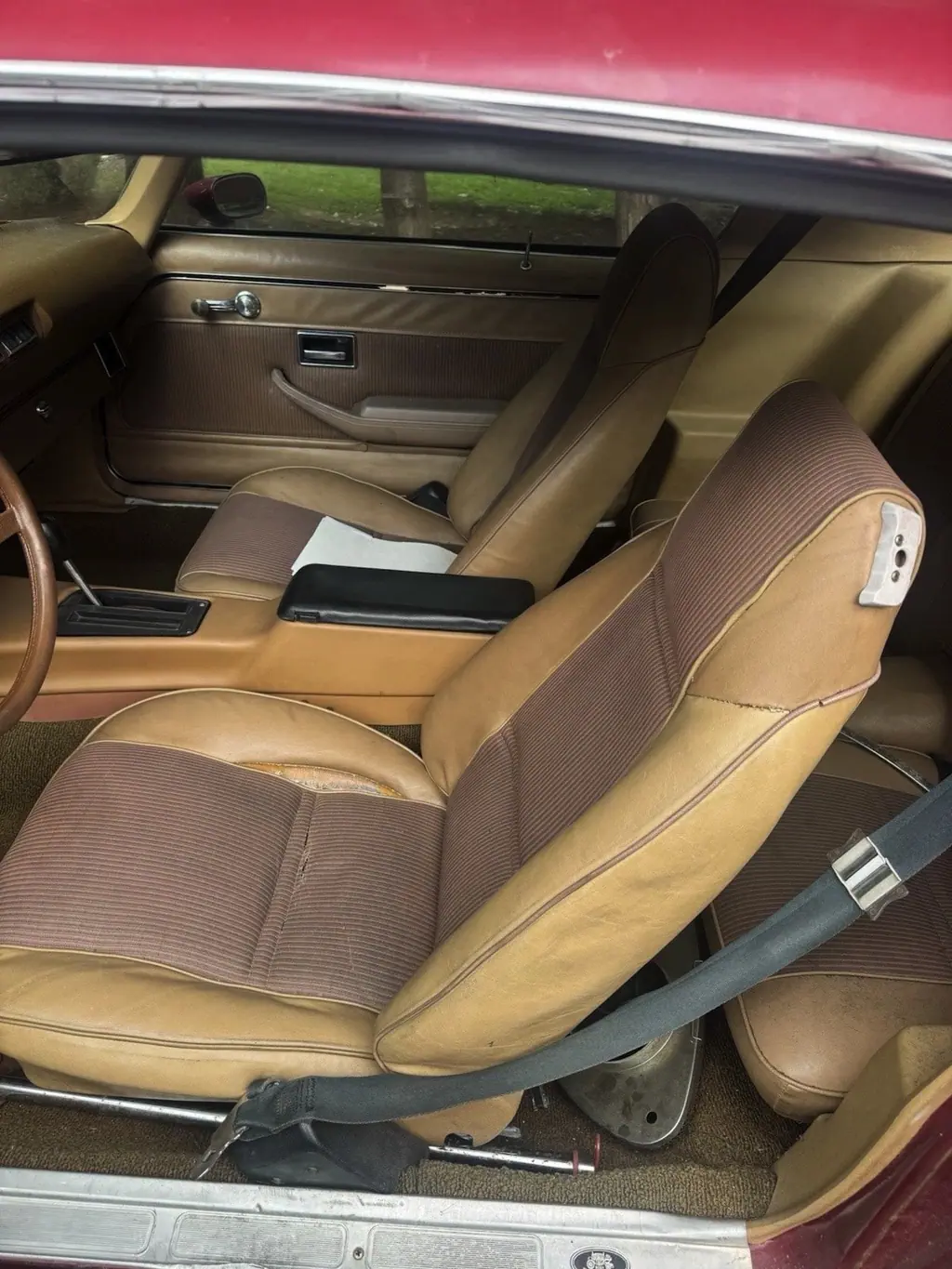
The luxury-focused equipment continued with additional insulation and a new audio system, along with smaller details such as a map pocket in the door and illumination inside the glove compartment.
For 1974, the Camaro lineup started with the Turbo-Thrift 250 six-cylinder engine, which came standard in the Sport Coupe. Buyers choosing a V8 started with the Turbo-Fire 350 two-barrel, rated at 145 horsepower. That same engine powered the LT from the factory.
Higher-output choices included four-barrel versions of the 350 producing 160 and 185 horsepower. At the top of the range sat the Special 350-4 used in the Z28, where it produced 245 horsepower.
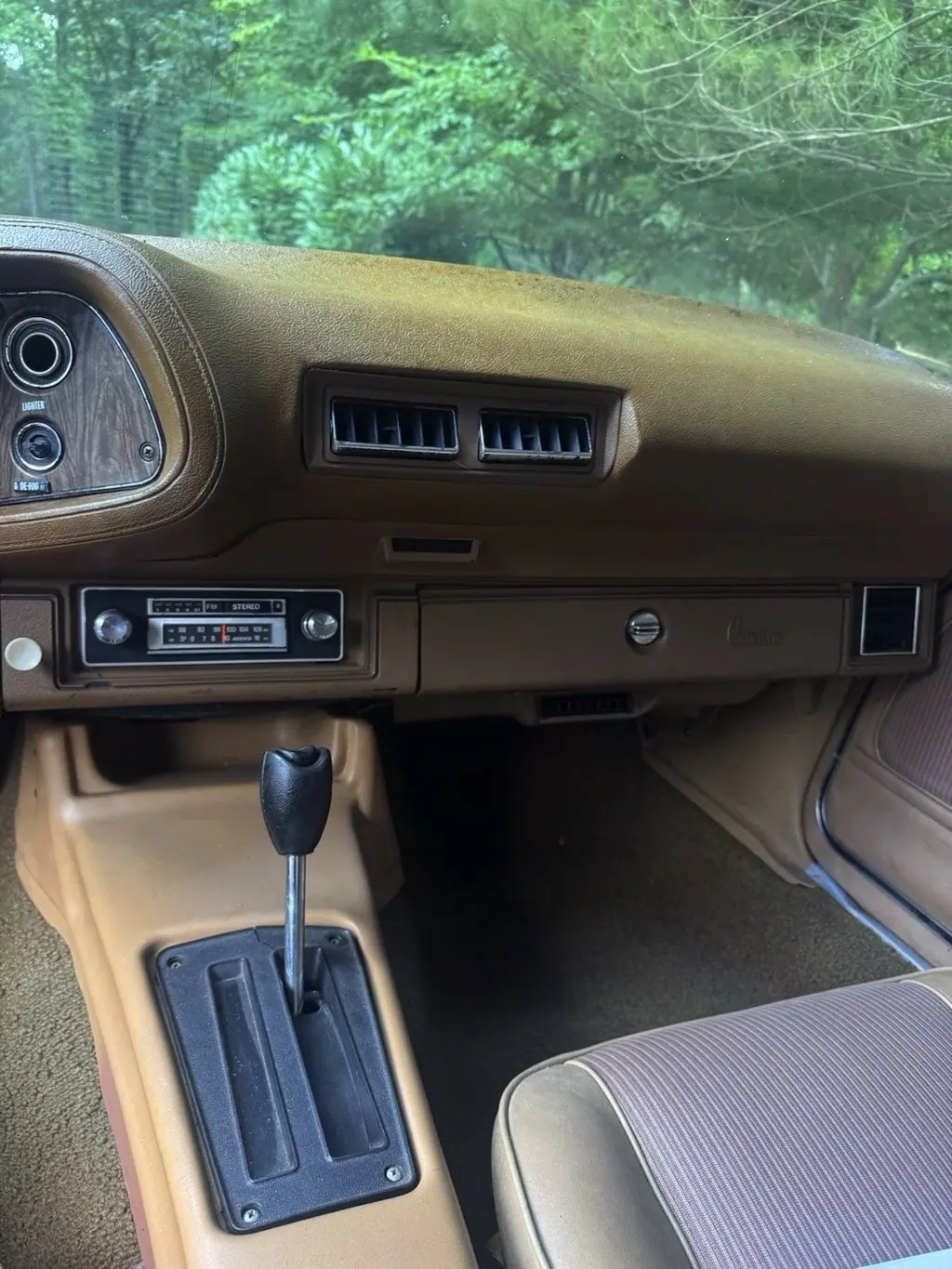
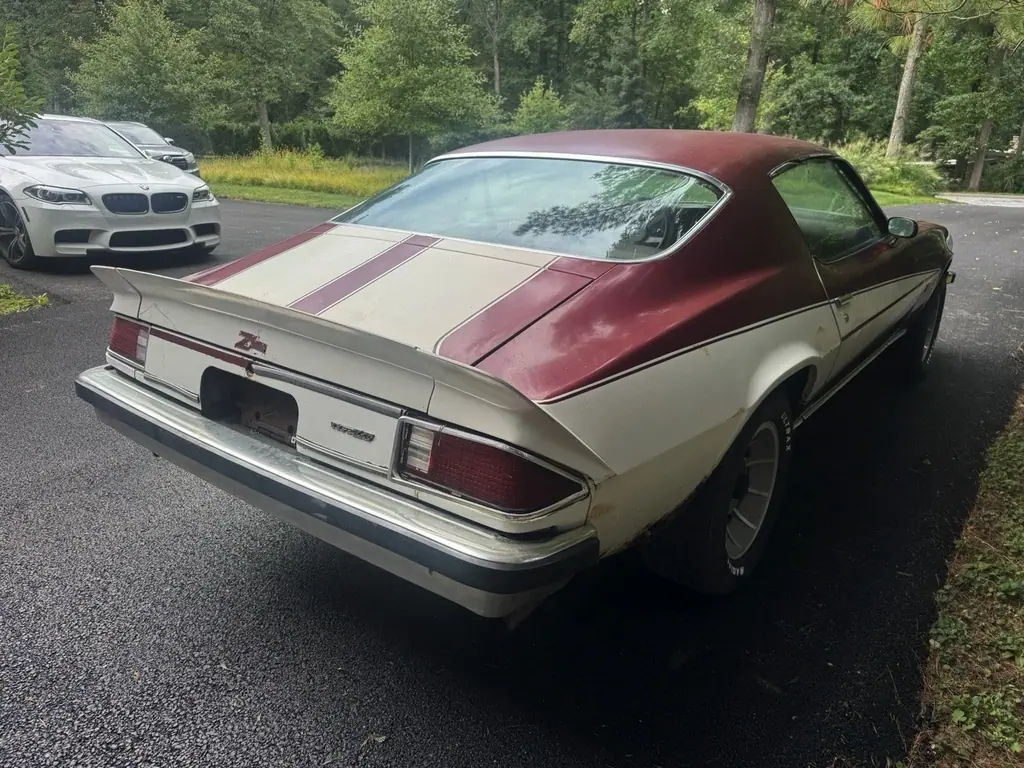
This particular car is an LT equipped with the Z28 package, and the photos suggest that the equipment and components are still in place. That is a remarkable sight for a Camaro that left the assembly line in 1974.
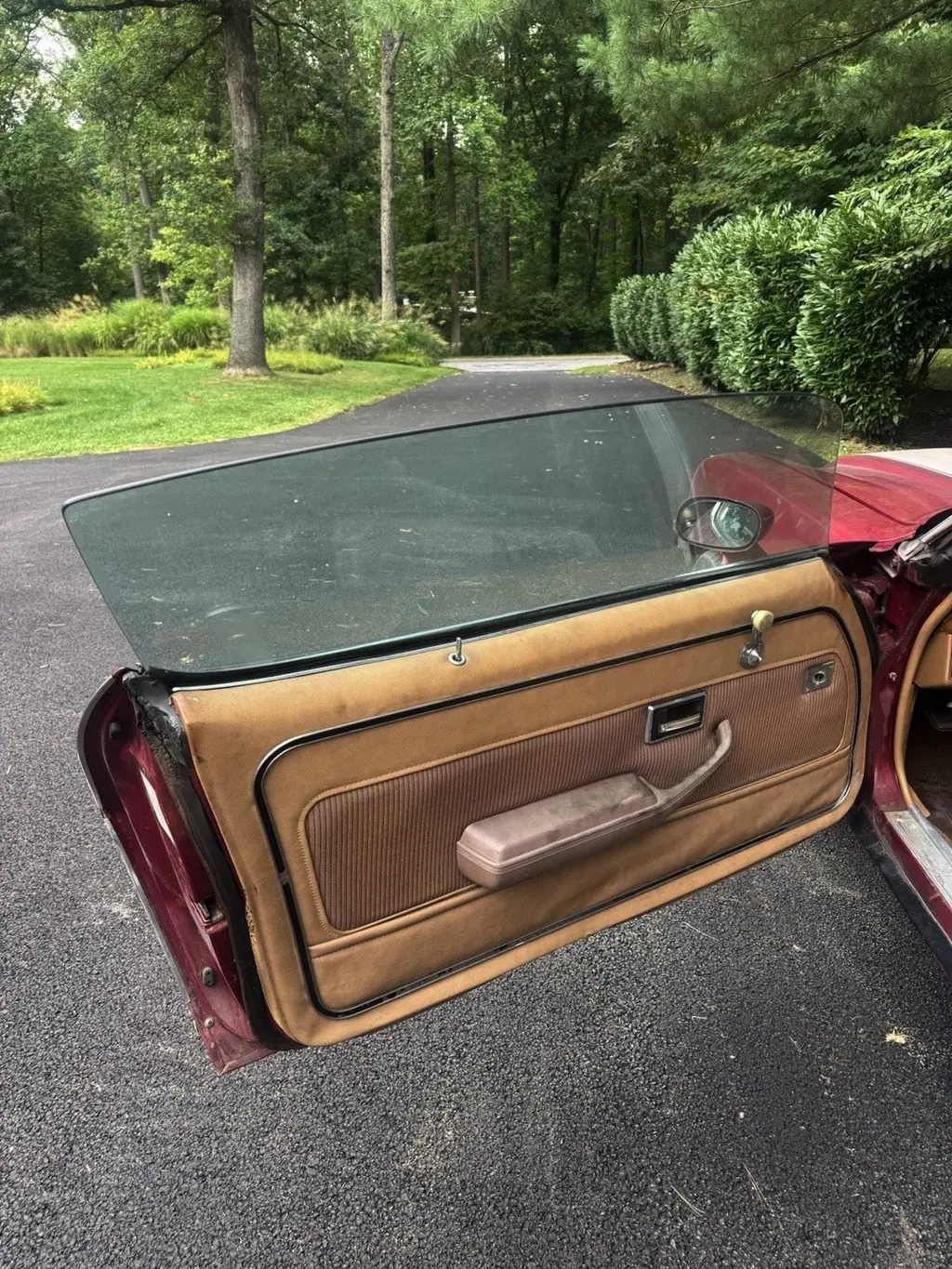
There is also little visible evidence that the car has undergone a major modification or restoration. Based on the available photos, the seller appears to have a reasonable case for calling it a “survivor.”
That doesn’t mean the Camaro is ready to hit the road without further work.
The seller says the car “went through a complete refresh at a local shop,” adding, “They were shocked by how clean the car was.”
The photographs certainly support that description. The interior is particularly interesting, with the cabin appearing remarkably close to what it might have looked like when the car was new. The Camaro reportedly spent very little time on the road, and according to the seller, the odometer reads just 38,911 miles.
For a car approaching its sixth decade, that is a remarkably low figure. It also suggests that the Camaro spent much of its life stored indoors, which would help explain why it has survived in its current condition.
Anyone seriously considering the car should arrange an in-person inspection. Seeing the Camaro firsthand is the best way to verify its condition, particularly for a buyer whose priority is preserving as much of the original car as possible.
Beyond what can be seen in the listing, there isn't much information about the vehicle's mechanical or structural condition. The photographs do not appear to show major problems such as severe rust or missing components.
The seller emphasizes “original parts and components,” which will appeal to anyone searching for an untouched Camaro. According to the seller, all numbers match.
Then there is the price.
The seller has listed the Camaro for $24,000 but has also enabled eBay's Make Offer option. That gives potential buyers an opportunity to negotiate rather than simply accepting the asking price.
Interest appears to be there. The listing had been viewed by nearly 100 people that day alone, suggesting that the car has already attracted attention. Whether the asking price is enough to move it quickly remains to be seen.
For now, the Camaro is located in Owings Mills, Maryland, where it is presumably being kept indoors. The sale also includes a title and additional paperwork, giving prospective buyers another reason to inspect the car and its documentation in person.
A test drive during such a visit should be possible, although the Camaro's exceptionally low mileage makes putting unnecessary miles on the odometer less appealing. The listing is scheduled to remain active for another 29 days, leaving potential buyers plenty of time to arrange an inspection before making an offer.
You may also be interested in the news:
The 1957 Dodge: How “Autodynamics” Shaped One of Detroit’s Boldest Designs
The 1957 Dodge Looked Like a Dream Car, but Its Biggest Flaw Was Hiding Beneath the Surface.
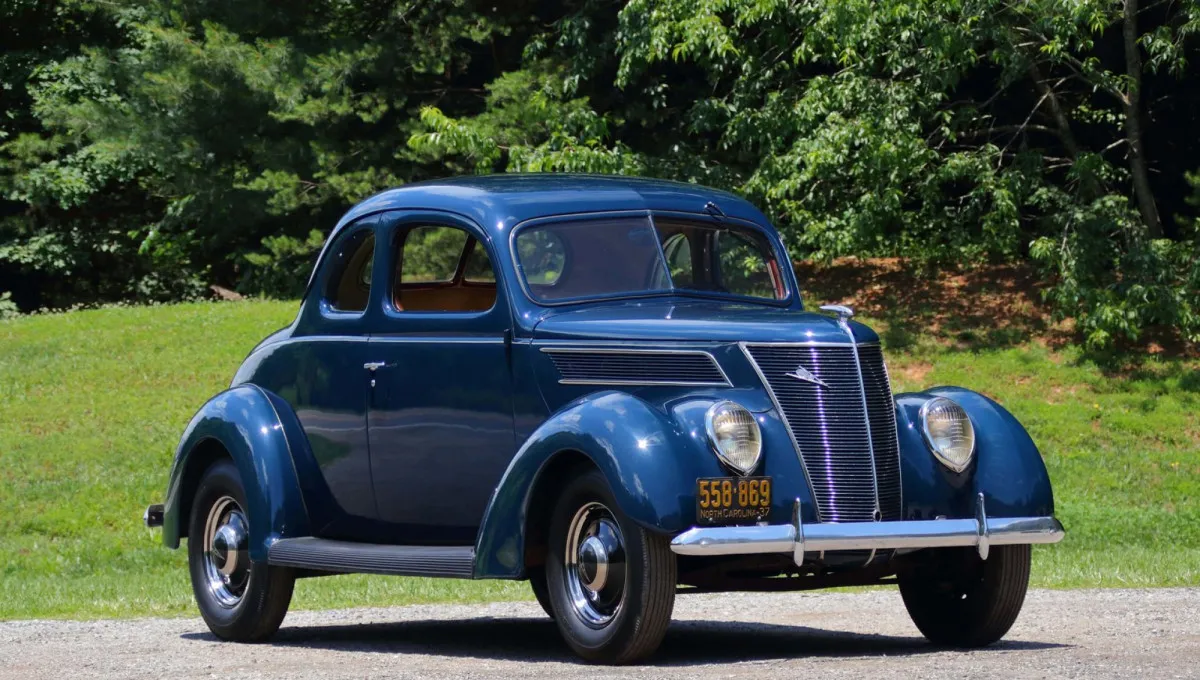
The 1937 Ford Was a Quality Car at an Affordable Price — Here’s What Made It Stand Out
The 1937 Ford featured several major changes and improvements. Let’s take a closer look.
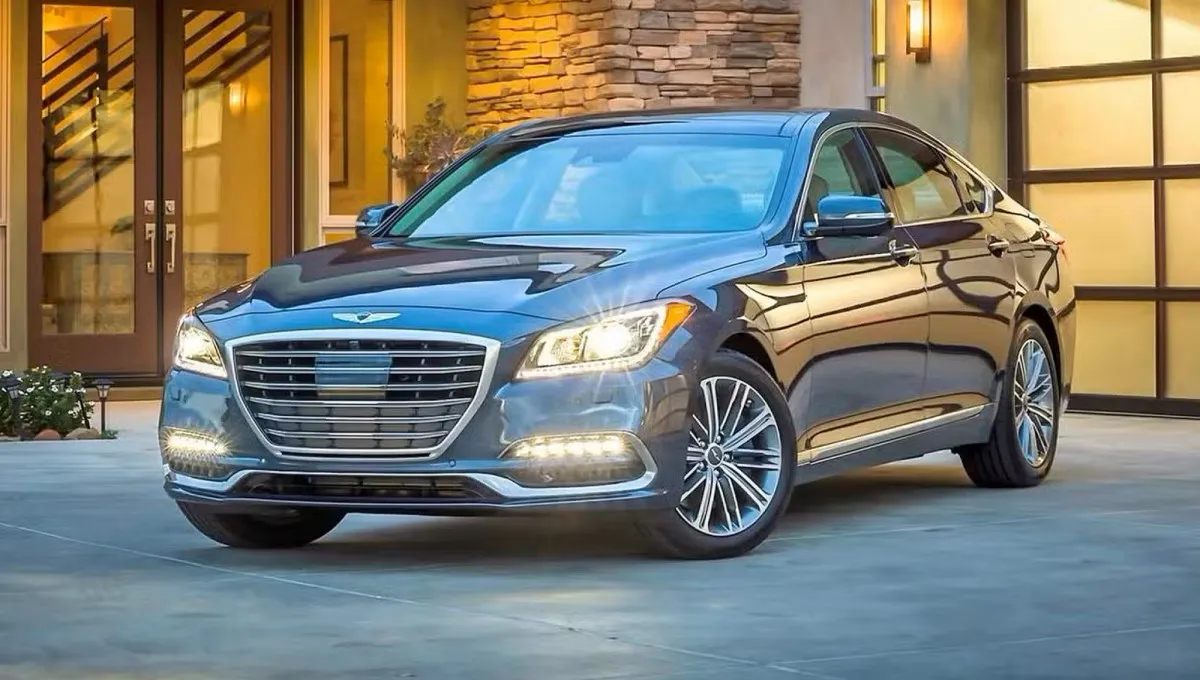
Hyundai Recalls Nearly 95,000 Genesis Sedans Over Fire Risk From Power Seats
Hyundai is recalling 94,622 Genesis sedans after a faulty power seat switch was linked to overheating and potential vehicle fires.
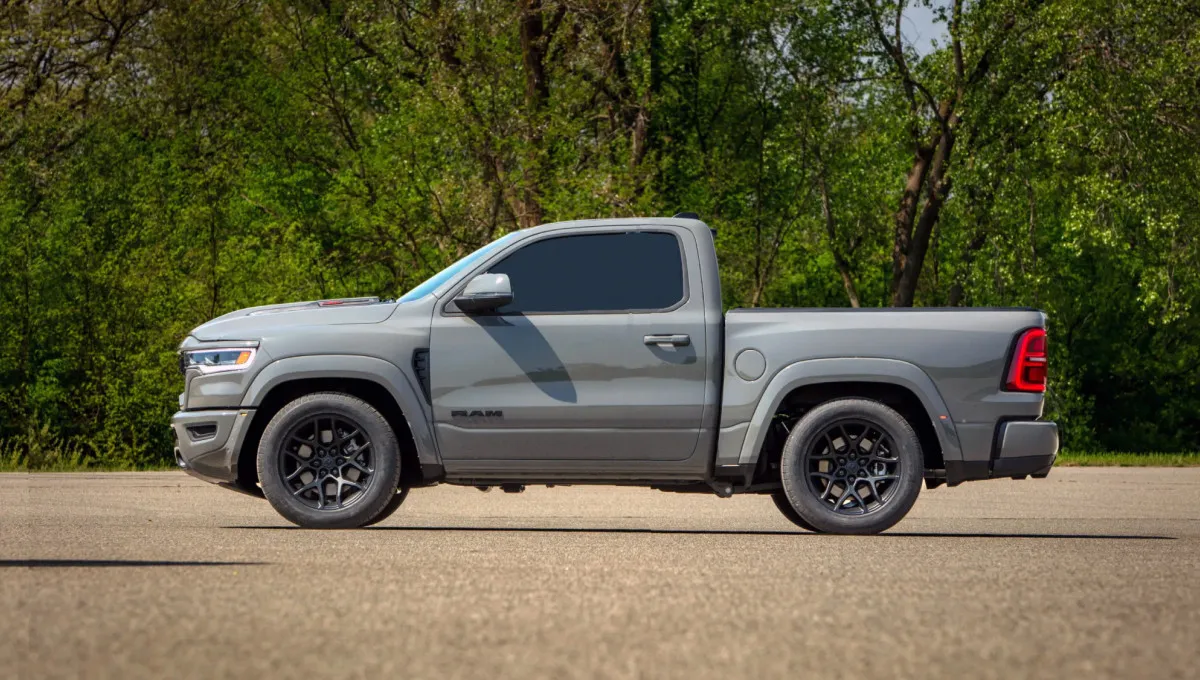
2027 Ram 1500 Rumble Bee: Pricing, Options and How to Build Yours
The 777-HP Ram Rumble Bee Is Coming — But You Can Buy the New Hemi Truck Now
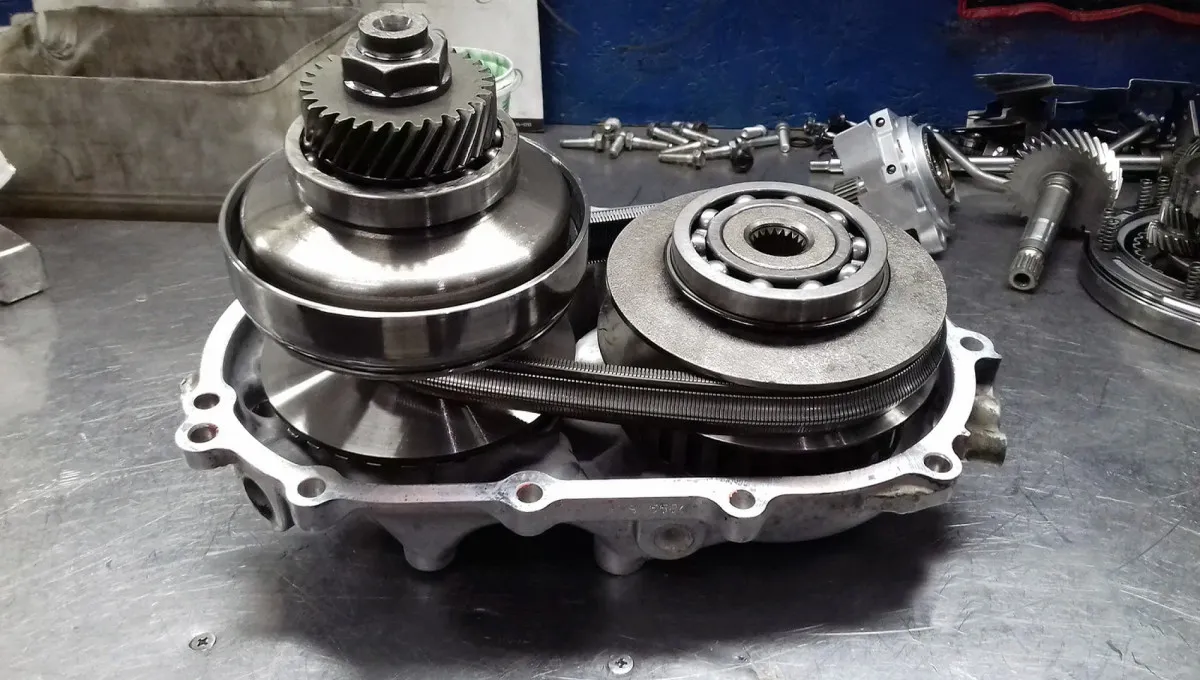
Why Experienced Drivers Still Warn Against Buying a Used Car With a CVT
CVTs offer smooth acceleration and good fuel economy, but expensive repairs and durability concerns make used models risky.