
Update Your Rivian R1 and Get the New Operating System, Now Available to First-Generation Owners
Rivian’s 2026.31 update brings RivianOS 2 to every R1T and R1S, extending the same software platform powering the newer R2.
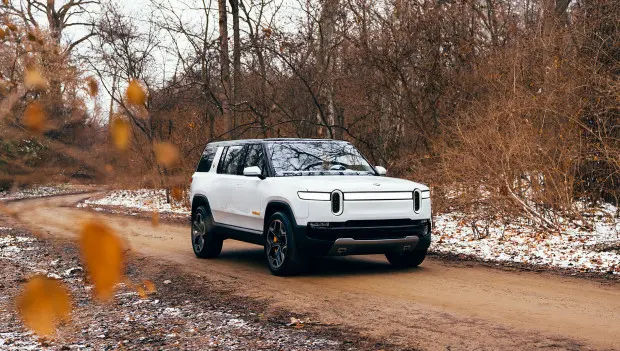
Rivian has released software update 2026.31 for every version of the R1T and R1S, bringing RivianOS 2 to the lineup. The new operating system uses the same software platform found in the R2. Along with a redesigned interface, the update adds Google Maps integration for displaying speed cameras and police locations, plus an expanded voice assistant backed by cloud computing.
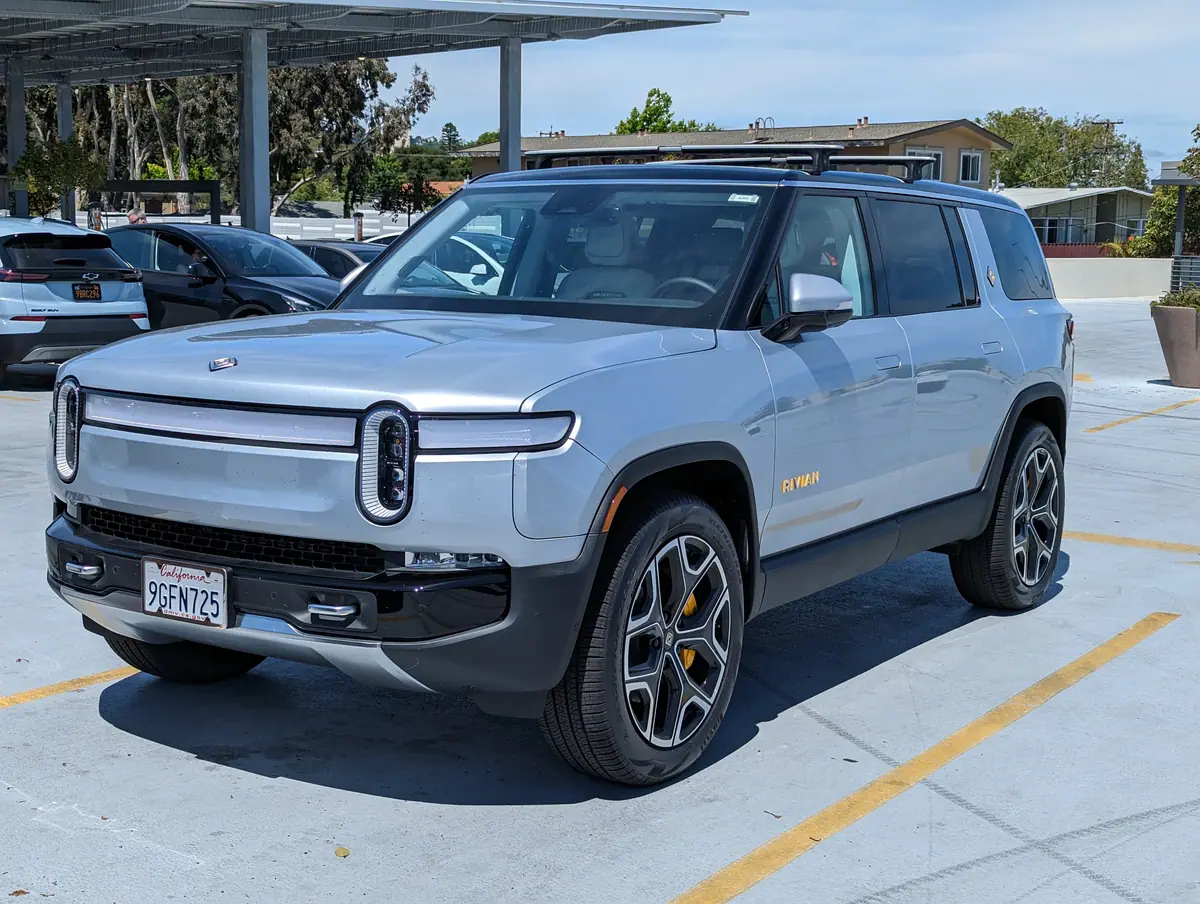
Rivian is calling it the most significant software transformation the R1 lineup has received in the company’s history. Even better for owners, the update isn’t limited to newer vehicles. First-generation R1T and R1S models already on the road are getting the upgrade, too.
The 2026.31 package moves every R1T and R1S onto RivianOS 2. Rivian emphasizes that early adopters haven’t been left behind. Both generations of the R1 now move to the same software platform used by the newer R2. It’s a relatively rare example of the promise that a vehicle can continue getting better after purchase actually delivering something tangible rather than remaining a marketing slogan.
What Changed in the Interface
The biggest changes are found in the user interface. Rivian has completely reworked the screen layout, adding customizable quick controls and a media player that can now be positioned on either side of the center display. A new vertical status bar has been added, while the settings menu now features universal search and context-sensitive controls that adjust based on the situation.
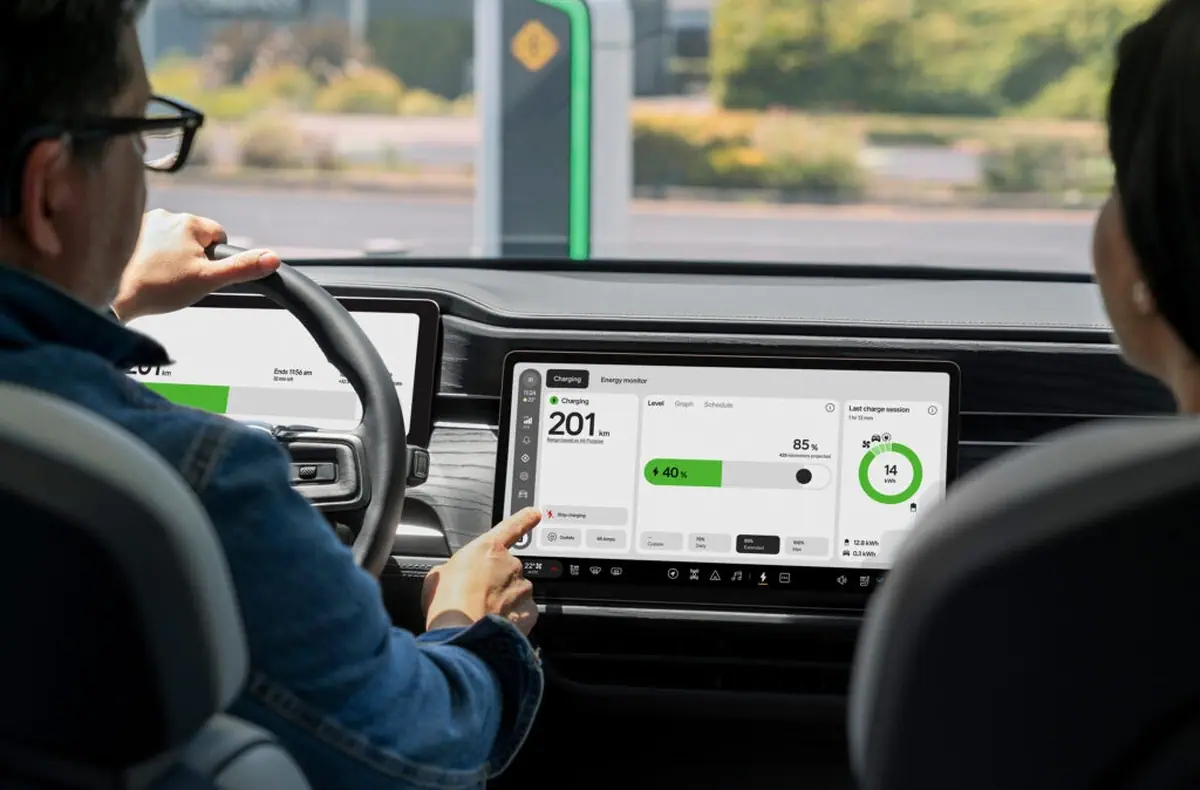
The graphics have also been updated, although this is where the two generations diverge. Second-generation R1 vehicles and the R2 use Unreal Engine 5 to render the vehicle and its surroundings in three dimensions and in real time. First-generation R1 models, meanwhile, remain on Unreal Engine 4. Rivian says that choice was deliberate, allowing the older vehicles to remain responsive on their existing display hardware.
It’s a sensible compromise. Older R1s don’t gain the computing power found in the newest models, but they retain smooth operation while receiving many of the other software improvements.
Navigation Gets Google Maps Integration
One of the most useful additions is an overhaul of navigation alerts. The system can now incorporate Google Maps data showing police locations and speed cameras. The information comes from local authorities, third-party sources, and real-time reports from users through Google Maps and Waze.
Connect+ subscribers get several additional features:
- A dedicated weather app with current conditions
- Air-quality information
- A 10-day forecast
- The ability to create, view, and modify active routes through the Rivian mobile app
All of these features are built around a platform Rivian calls “Unified Intelligence.” Second-generation R1 models and the R2 have enough onboard computing power to process some of the data locally.
Owners of both R1 generations also get expanded voice-assistant functionality with cloud support, along with updated layouts for the driver display.
You may also be interested in the news:
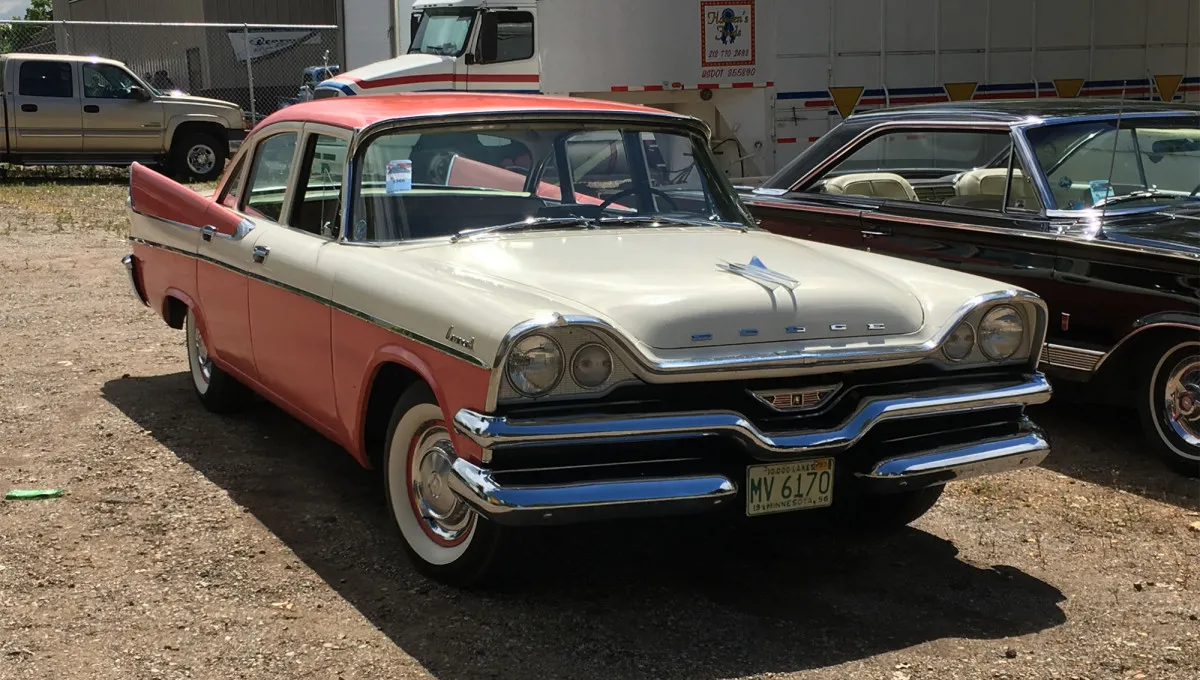
The 1957 Dodge: How “Autodynamics” Shaped One of Detroit’s Boldest Designs
The 1957 Dodge Looked Like a Dream Car, but Its Biggest Flaw Was Hiding Beneath the Surface.
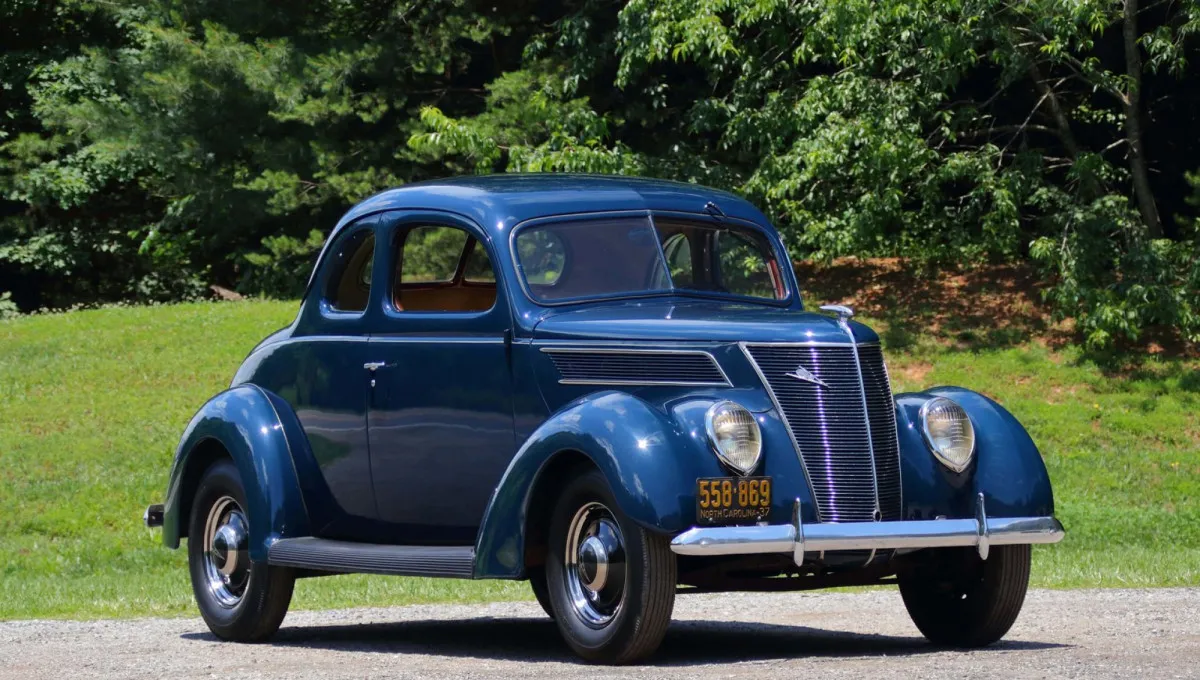
The 1937 Ford Was a Quality Car at an Affordable Price — Here’s What Made It Stand Out
The 1937 Ford featured several major changes and improvements. Let’s take a closer look.
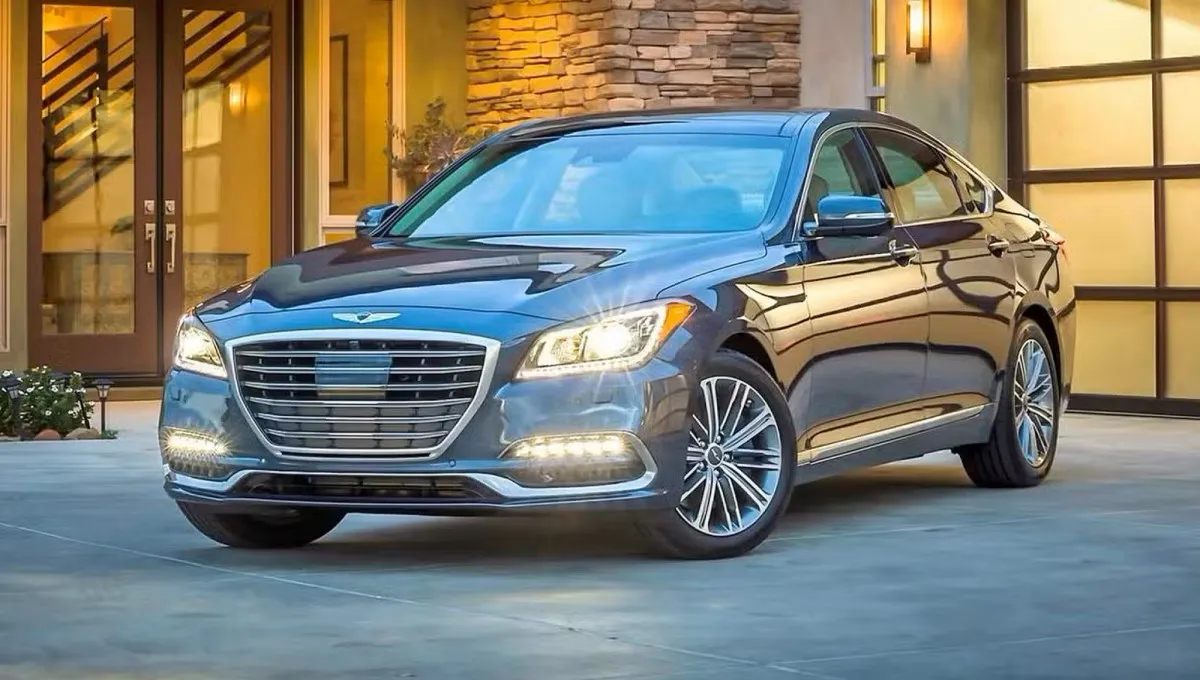
Hyundai Recalls Nearly 95,000 Genesis Sedans Over Fire Risk From Power Seats
Hyundai is recalling 94,622 Genesis sedans after a faulty power seat switch was linked to overheating and potential vehicle fires.
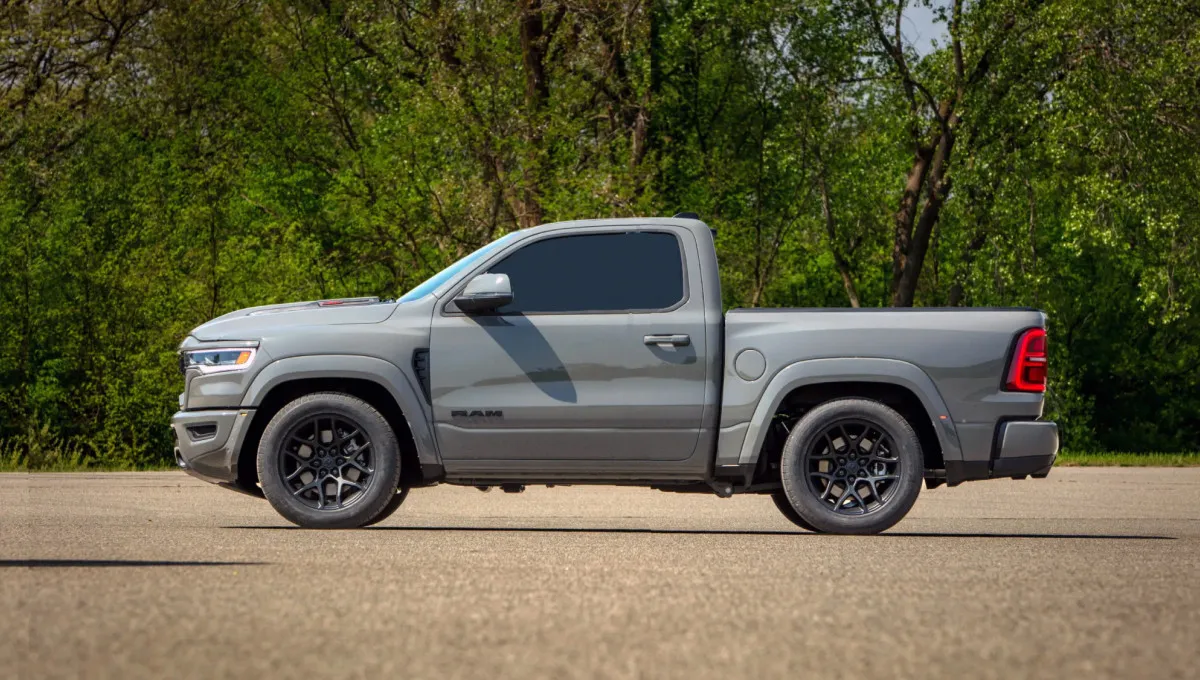
2027 Ram 1500 Rumble Bee: Pricing, Options and How to Build Yours
The 777-HP Ram Rumble Bee Is Coming — But You Can Buy the New Hemi Truck Now
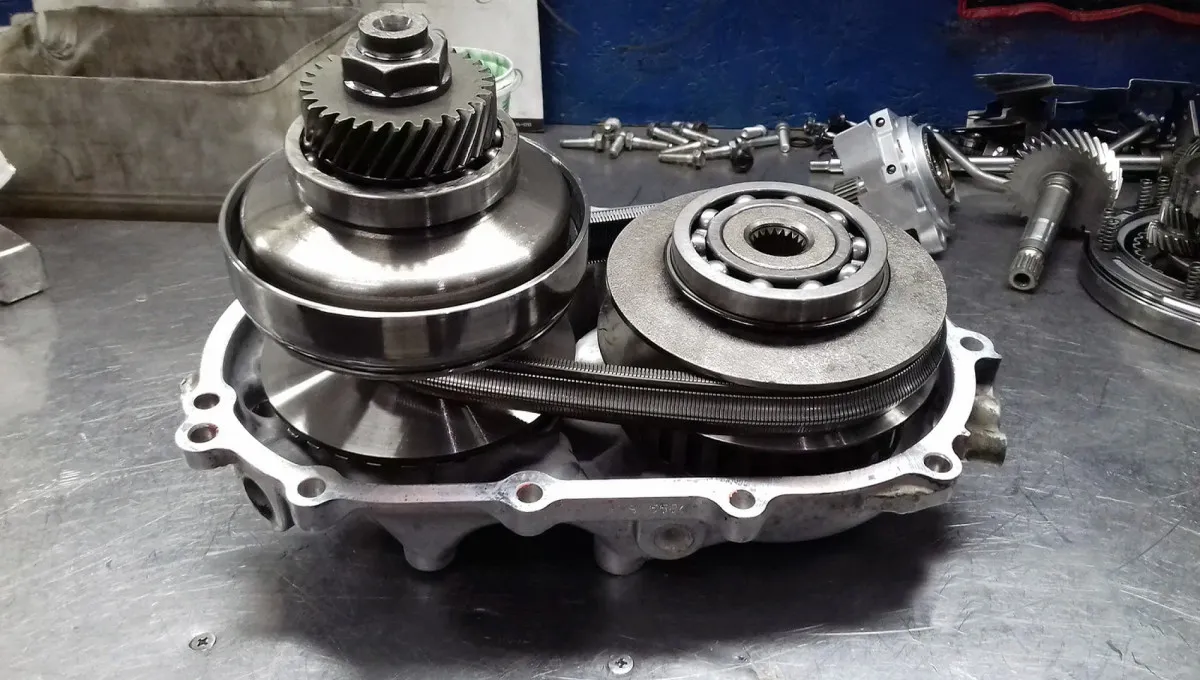
Why Experienced Drivers Still Warn Against Buying a Used Car With a CVT
CVTs offer smooth acceleration and good fuel economy, but expensive repairs and durability concerns make used models risky.