
Not Just for Cooking: Why Some Drivers Keep Cooking Oil in the Glove Box
Cooking oil in the glove box can come in handy for more than just cooking.
At first glance, ordinary cooking oil might seem to have little to do with cars. But some drivers keep a small bottle in the glove box for situations when a specialized product isn't readily available. From freshening up interior surfaces to removing stubborn adhesive residue, cooking oil can be useful for a handful of simple car-care tricks.
Experienced drivers sometimes use vegetable oil for more than interior care. It can also help loosen sticker residue, provide temporary protection against moisture and serve a few other practical purposes. These tricks aren't a substitute for automotive chemicals and are best viewed as temporary or budget-friendly solutions.
Freshens Up Plastic and Leather Surfaces
A small amount of vegetable oil can temporarily restore some shine to plastic and leather surfaces inside the vehicle. Apply a little to a soft cloth and gently wipe the surface.
Some drivers also add a few drops of lemon juice or lemon essential oil to give the cabin a fresher scent. Just don't overdo it. Too much oil can leave behind a greasy film that attracts dust and makes surfaces slippery.
Helps Prevent Frozen Doors
During severe winter weather, moisture around doors and exposed metal components can freeze and make it difficult to open the vehicle. A very thin layer of oil can temporarily repel water and reduce the chance of ice forming.
However, oil isn't the best choice for rubber door seals. Automotive experts generally recommend a silicone-based lubricant designed for rubber, as it provides better protection without accelerating the material's deterioration.
Removes Sticker and Adhesive Residue
Removing factory decals, dealership stickers or other labels can leave behind stubborn adhesive residue on glass or painted surfaces. Vegetable oil can help soften the adhesive, making it easier to wipe away with a soft cloth.
Afterward, wash the area with car wash soap or another suitable cleaner to remove any oily residue and prevent a greasy film from remaining on the surface.
Temporarily Protects Leather Shoes From Moisture
One more unusual trick has less to do with the vehicle itself and more to do with the driver. Applying a very thin layer of oil to leather winter shoes can create a temporary water-resistant barrier.
That can help reduce the amount of melted snow, water and grime brought into the cabin on the soles of your shoes.
The trick should not be used on suede, nubuck or footwear made with waterproof-breathable membranes. For longer-lasting protection, a dedicated water-repellent treatment designed for the specific type of footwear is a better choice.
You may also be interested in the news:
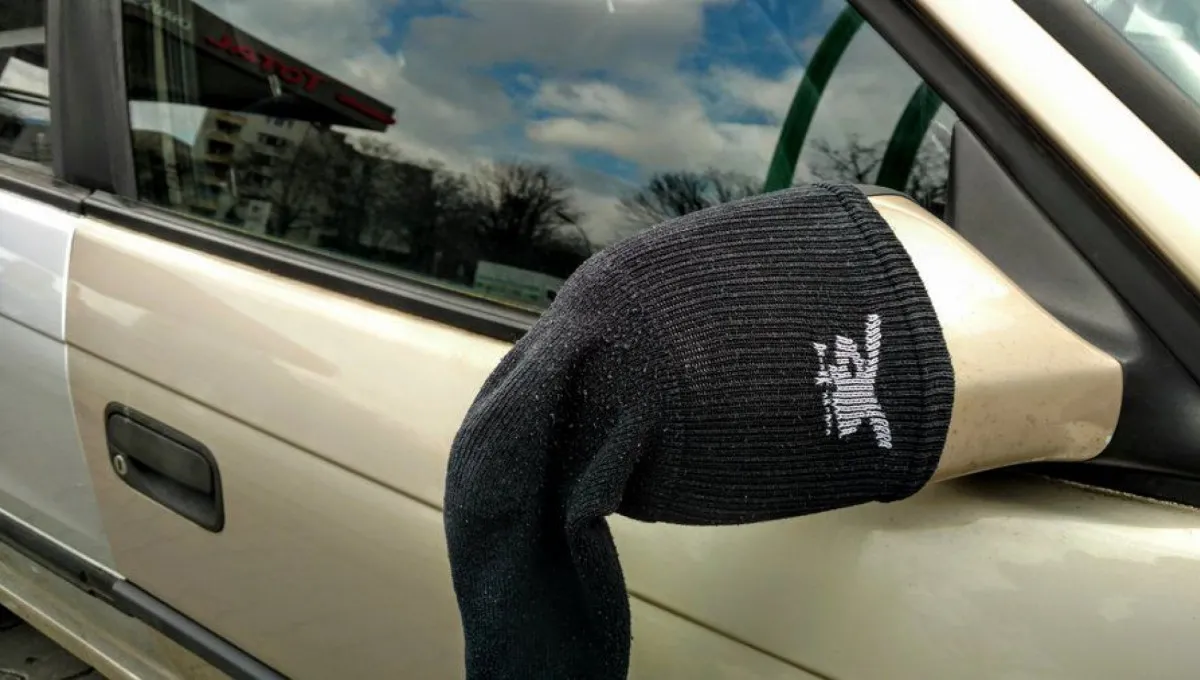
Why Experienced Drivers Put Socks on Their Car Mirrors in Fall: The Clever Trick Explained
An old pair of socks can help reduce frost buildup on your side mirrors overnight, saving time on cold mornings when every minute counts.
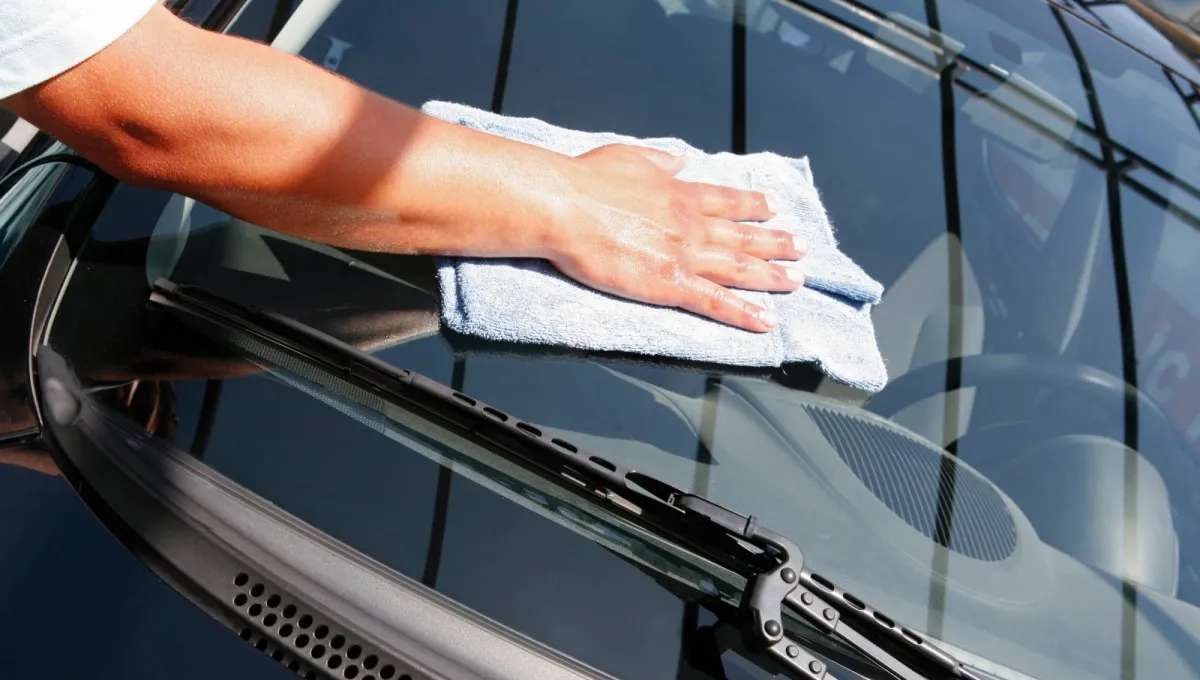
How to Clean Your Windshield Without Streaks: Experts Recommend This Simple DIY Mix
The secret to a streak-free windshield comes down to the right cleaning solution, two microfiber cloths, and the proper drying technique.
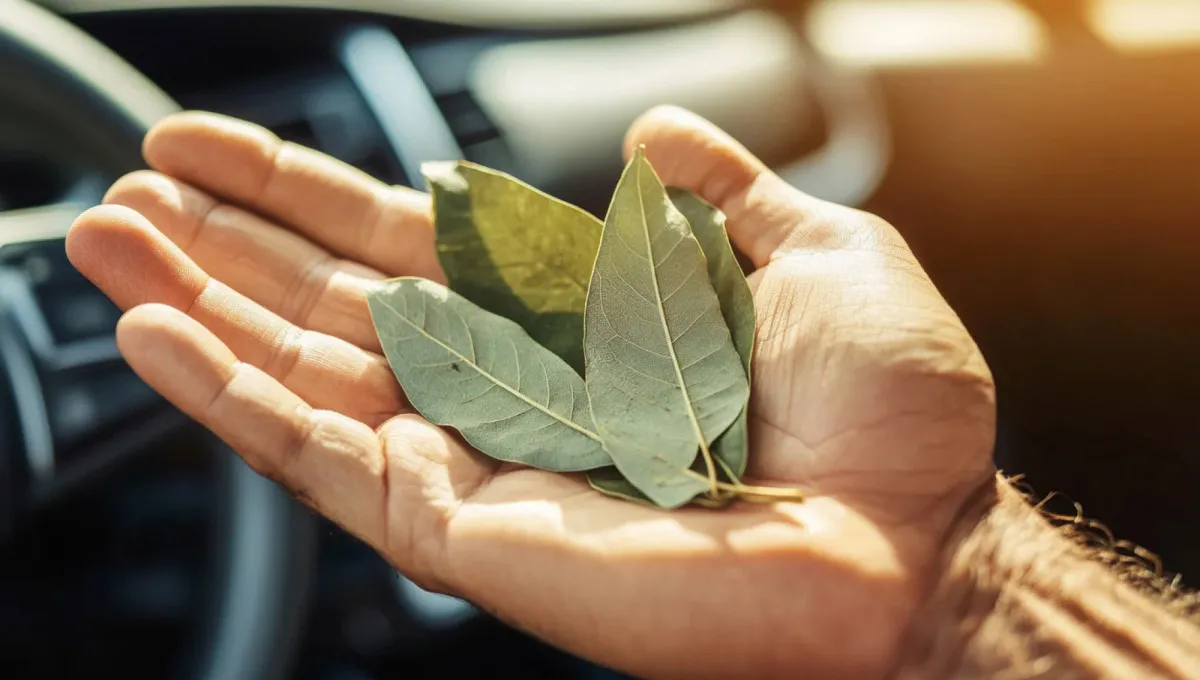
Why Some Drivers Keep Bay Leaves in Their Cars — It’s Not Just About Superstition
Can a common kitchen spice help repel bugs, freshen your car’s interior, or even help you relax behind the wheel?
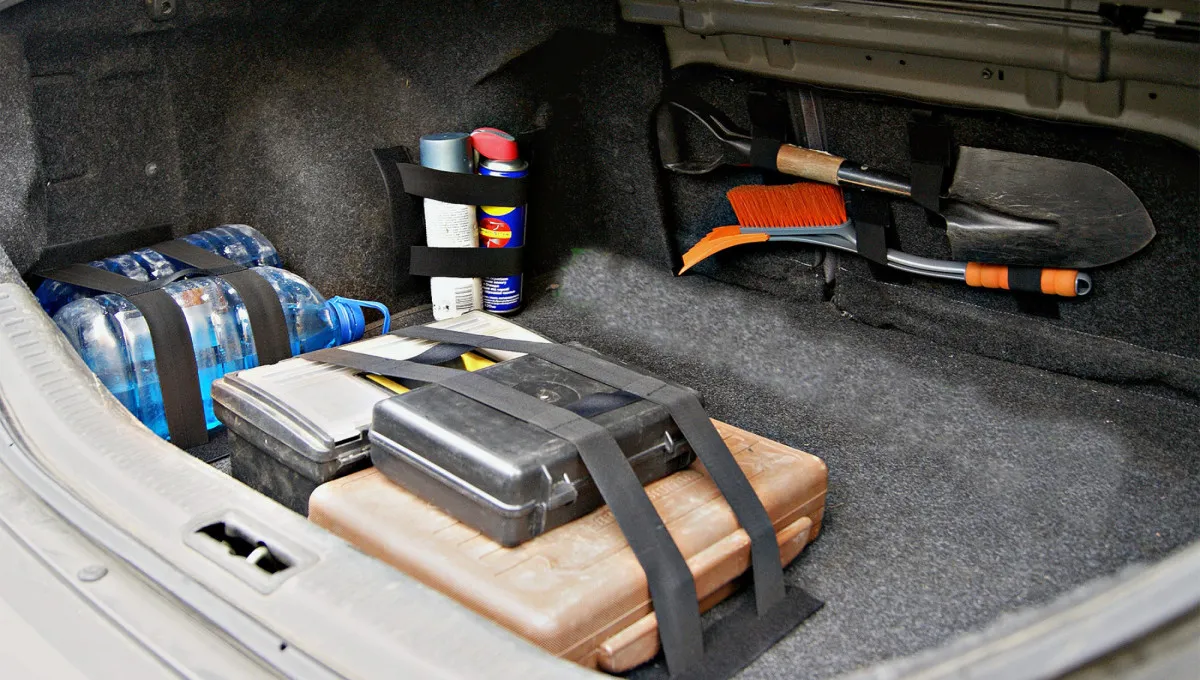
Cold Weather Can Leave You Stranded — 5 Things Every Driver Should Have in Their Car
The first hard freeze can catch drivers off guard. Here's what to keep in your vehicle and how to prepare your battery, tires, and fluids for colder weather.
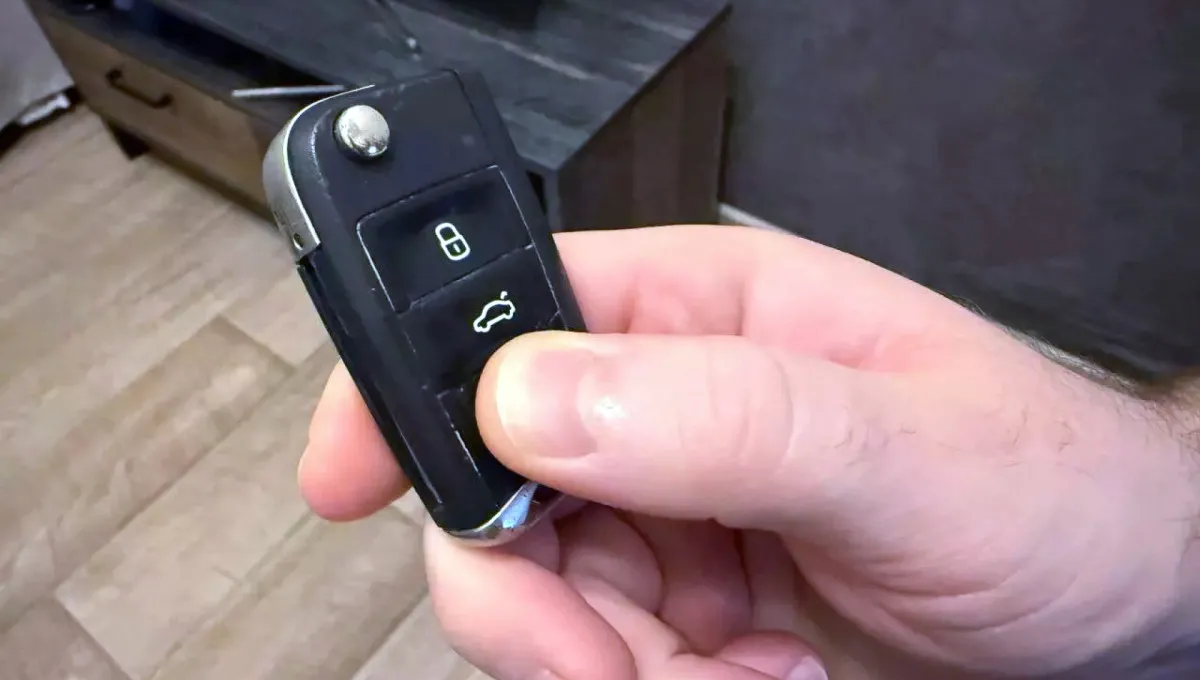
Hidden Key Fob Trick: Open All Your Car Windows With One Button
An auto mechanic explains how drivers can remotely open and close car windows using a key fob, provided the vehicle has the right hardware.