
2026 Toyota Tundra Replacement Engine Failed, Raising New Questions About the Recall Fix
A 2026 replacement V35A engine has failed, raising fresh questions about Toyota’s Tundra recall fix.
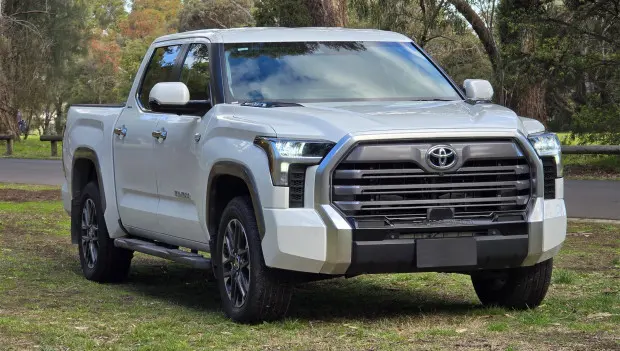
Toyota’s V35A engine has developed a troubling reputation for catastrophic bearing failures. Toyota has attributed those failures to engine swarf, the debris left behind during manufacturing of the engine block. But a new teardown suggests that replacing the engine may not necessarily eliminate the problem, raising the possibility that Toyota’s Tundra recall has another issue behind it.
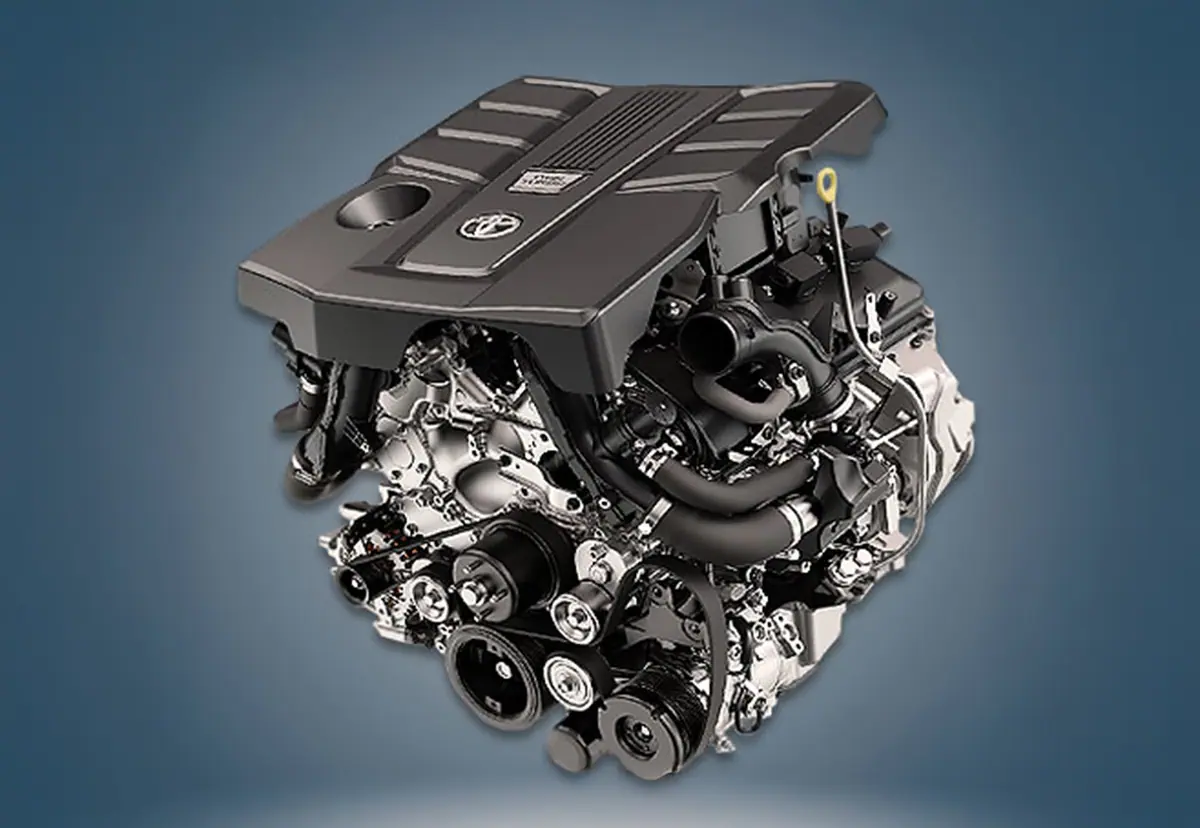
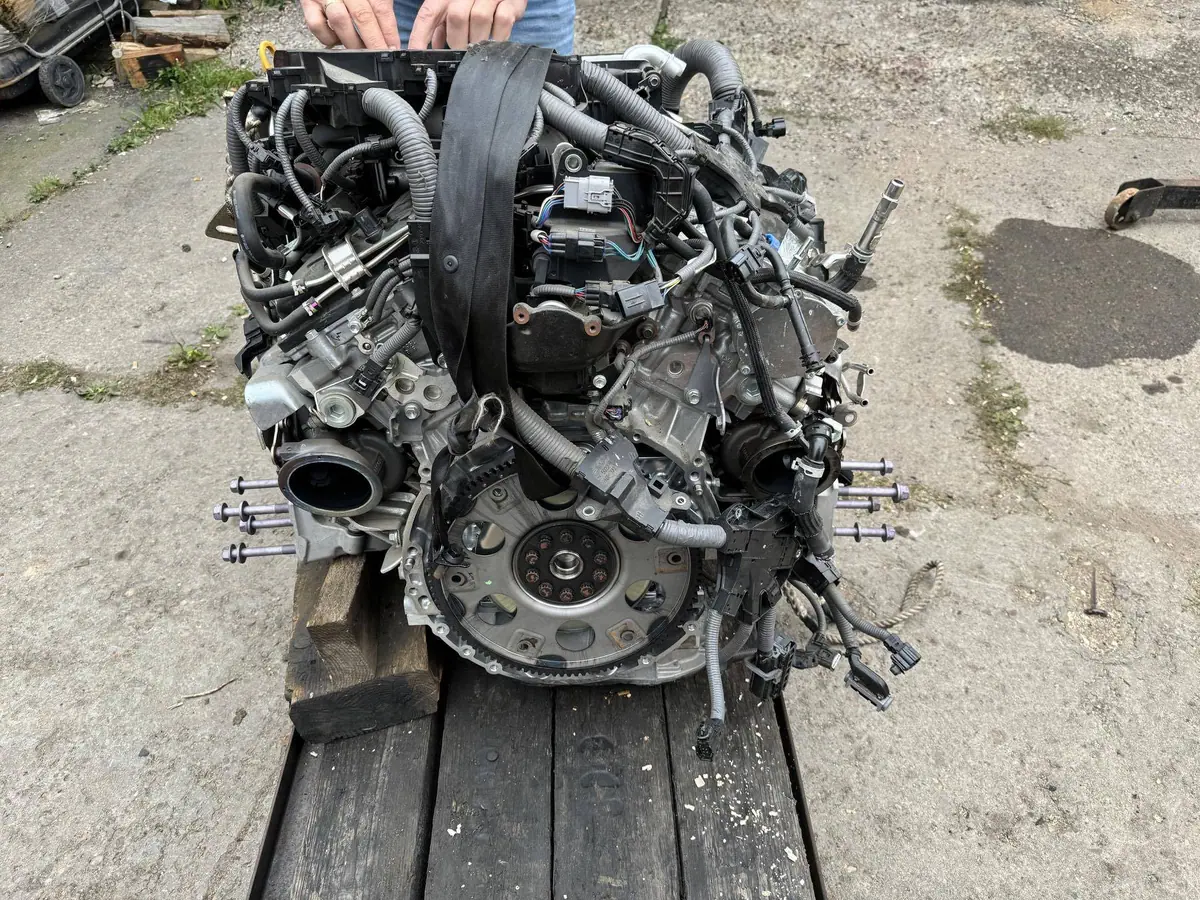
In a new I Do Cars teardown, a replacement engine from a 2022 Tundra with about 64,000 miles is taken apart piece by piece. One of the first surprises is the engine’s age. Although it came out of a 2022 truck, the replacement appears to have been built in January 2026. Date codes on multiple components, including the timing guides, oil pump, intake components and oil pan, point to 2025 and 2026 production.
Everything about the engine initially suggests a nearly new unit. It was clearly installed as a replacement and appears to have accumulated very few miles.
The Replacement Engine Looks Nearly Perfect
At first glance, there is little to suggest anything went wrong.
The oil pump, turbochargers, cylinder heads, pistons, cylinder walls, camshafts and timing components are remarkably clean. There are no obvious signs of poor maintenance, overheating or abuse. The engine also appears to have spent relatively little time running.
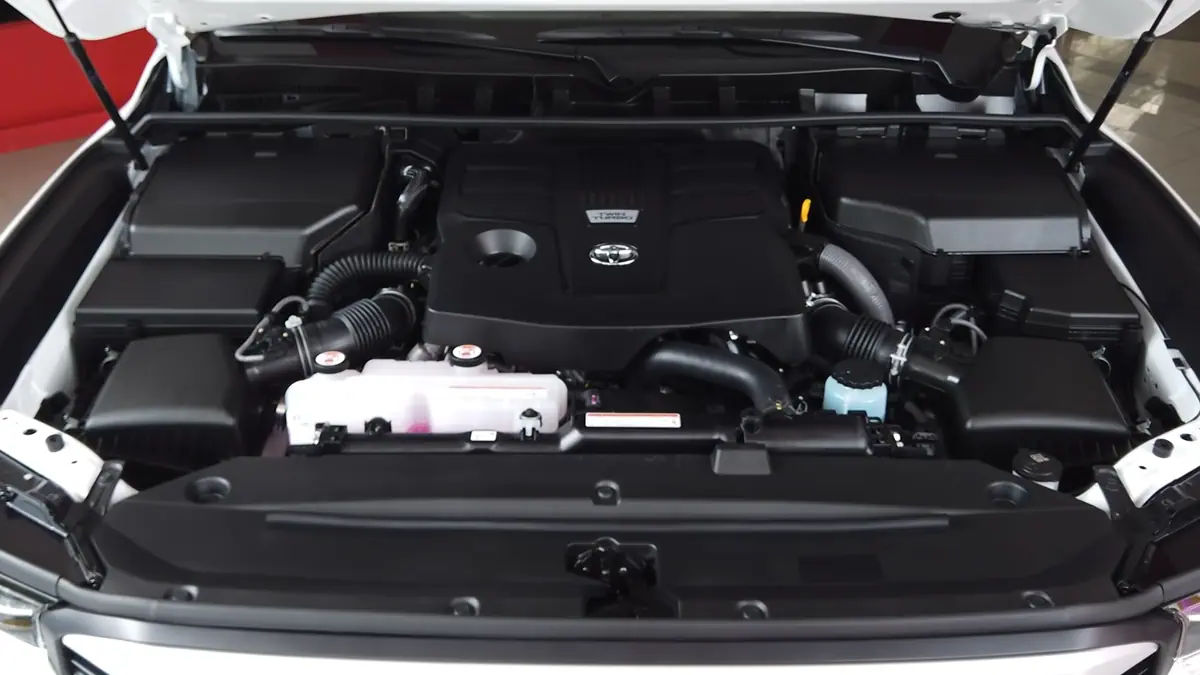
The upper end provides another important clue. There is no visible debris, including what Eric at I Do Cars calls “the forbidden glitter.” The oil coating the components remains clean and clear, while the machined surfaces show no obvious damage or signs of overheating. Even the gaskets look fresh.
The timing system tells much the same story. The chains are new, the covers still have factory seals, the water pump is unmarred, and the date stamps consistently point toward a recent build.
The Bottom End Tells a Different Story
The picture changes once the upper portion is removed and the engine is flipped over for the short block.
Metallic debris is sitting inside the lower oil pan. Then the crankshaft and main bearings reveal what happened.
The No. 3 main bearing has spun. Both the bearing and its journal are heavily damaged, while most of the surrounding engine remains remarkably clean.
That distinction could be important. Toyota has blamed V35A failures on machining debris left inside the engines, with an updated front bearing introduced to improve the situation. The teardown, however, raises a more difficult question: did the debris cause the bearing failure, or was much of that debris created after the bearing had already spun?
The fact that this engine appears to be a 2026 replacement makes the question harder to dismiss. If an updated replacement engine can still suffer a fundamental failure, the replacement may not be addressing the underlying weakness.
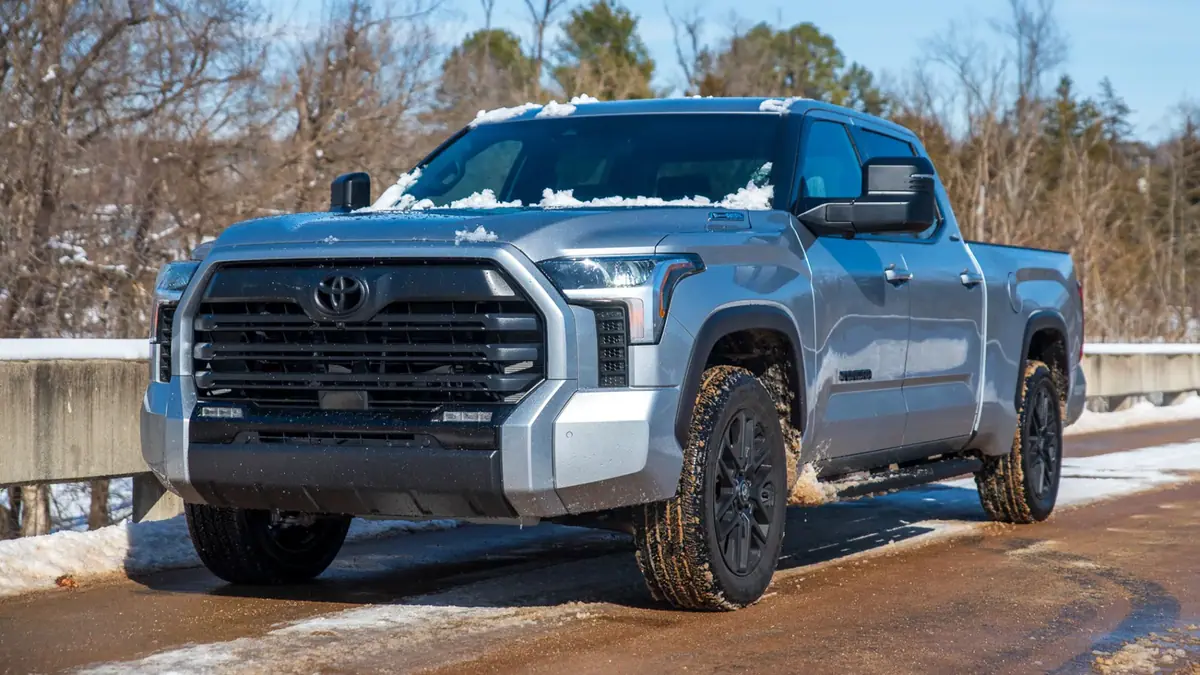
Another Replacement Engine Raises More Questions
This may not be an isolated failure.
Eric at I Do Cars also shows a future teardown engine that is, again, a V35A replacement engine installed after the recall. That engine was manufactured in September 2025 and is reportedly completely locked up.
A second failed replacement gives more reason to question whether the updated engines have actually eliminated the original problem.
That does not establish that every V35A engine will fail. The teardown represents a small sample, and the investigator acknowledges that other factors could contribute to an individual engine failure. Still, it challenges the assumption that installing a replacement engine automatically puts the issue to rest.
Did Toyota Actually Fix the Problem?
Toyota’s reputation for durability makes the situation especially frustrating.
By the end of the teardown, the central question has shifted. It is no longer just about why the early V35A engines failed. The bigger question is whether Toyota’s subsequent revisions actually corrected the underlying problem or simply changed one part of a larger equation.
For owners, that answer may come only with time and many more miles.
You may also be interested in the news:
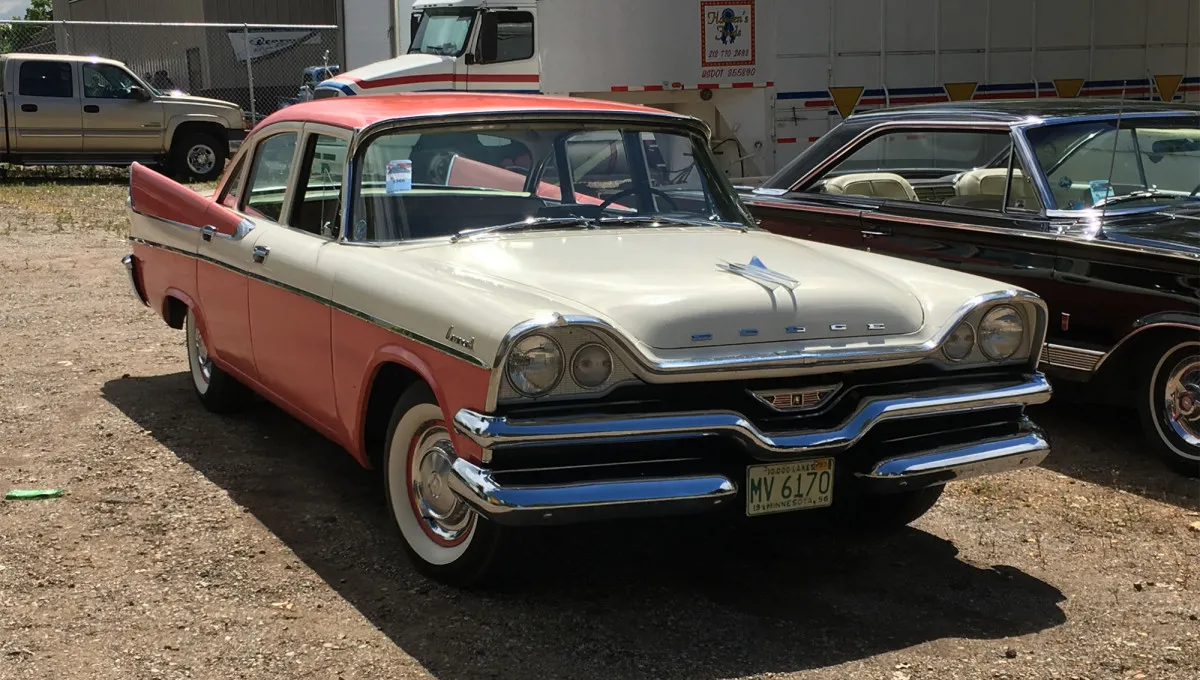
The 1957 Dodge: How “Autodynamics” Shaped One of Detroit’s Boldest Designs
The 1957 Dodge Looked Like a Dream Car, but Its Biggest Flaw Was Hiding Beneath the Surface.
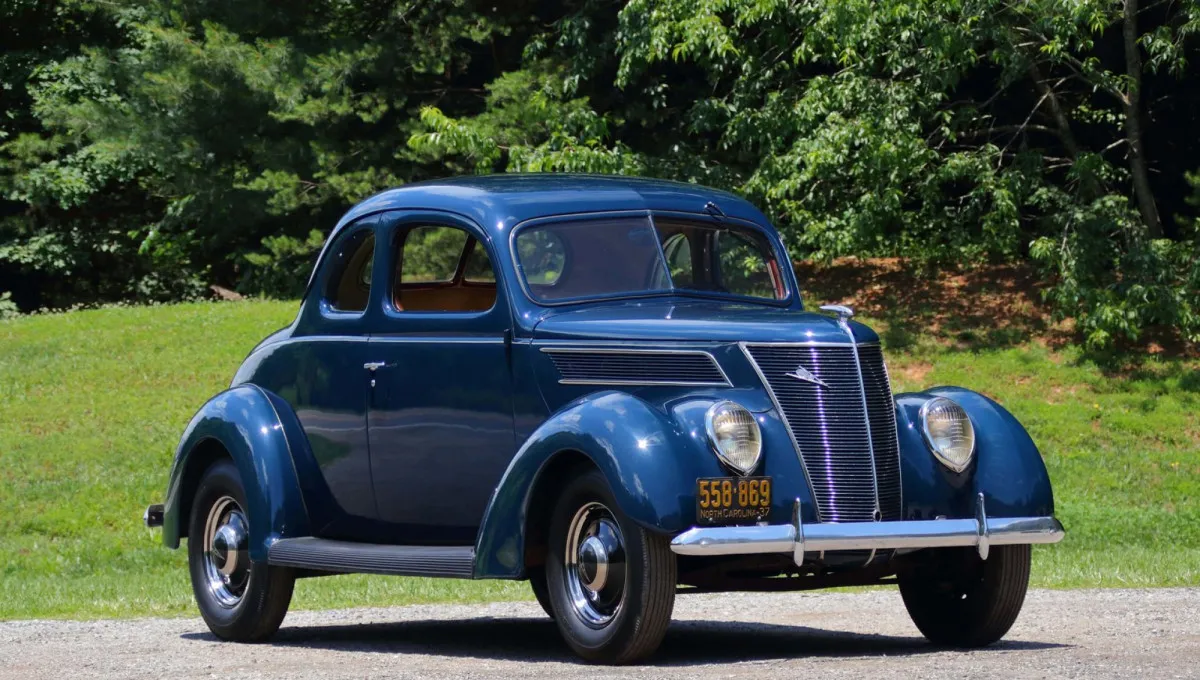
The 1937 Ford Was a Quality Car at an Affordable Price — Here’s What Made It Stand Out
The 1937 Ford featured several major changes and improvements. Let’s take a closer look.
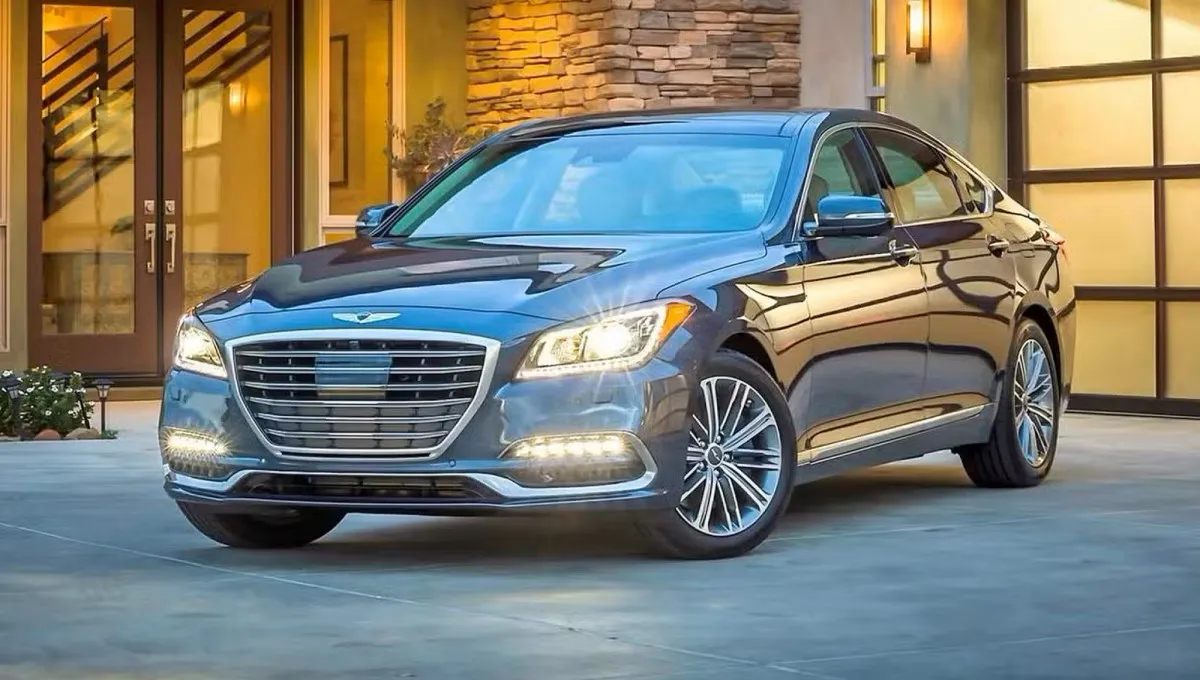
Hyundai Recalls Nearly 95,000 Genesis Sedans Over Fire Risk From Power Seats
Hyundai is recalling 94,622 Genesis sedans after a faulty power seat switch was linked to overheating and potential vehicle fires.
2027 Ram 1500 Rumble Bee: Pricing, Options and How to Build Yours
The 777-HP Ram Rumble Bee Is Coming — But You Can Buy the New Hemi Truck Now
“Are You Sure It’s Chinese?” Who Really Builds China’s Car Engines
Who Really Develops China’s Car Engines?