
U.S. Officials Demand Ford Cut Its Technology Ties With China
U.S. Transportation Secretary Sean Duffy urged Ford to end partnerships with Chinese companies over technology and national security concerns.
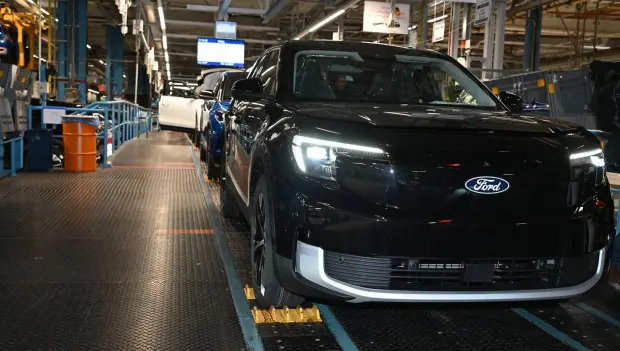
U.S. Transportation Secretary Sean Duffy sent a letter to Ford CEO Jim Farley demanding that the automaker abandon strategic partnerships with Chinese companies and scale back joint projects, arguing that reliance on Chinese technology threatens national security and costs Americans jobs.
“Ford must demonstrate a level of corporate responsibility in which the long-term sustainability and technological sovereignty of the U.S. automotive ecosystem take priority over short-term arrangements or questionable foreign alliances,” Duffy wrote, according to a letter cited by Reuters.
Duffy raised concerns about Ford’s reliance on Chinese technology and business partners. The transportation secretary criticized the automaker over its use of CATL technology in Michigan, its partnership with Geely in Spain, talks with BYD and delays in moving Lincoln production from China to the United States, urging Ford to put U.S. technological sovereignty first.
According to the letter, Duffy also took issue with the delay in bringing production of premium Lincoln models, including the Nautilus, back to the United States from China until 2030. He called the decision “unacceptable,” arguing that it would extend reliance on Chinese manufacturing for years while denying jobs to skilled American workers.
In the closing section of the letter, Duffy called on Farley to shift Ford’s focus toward U.S. technological sovereignty, turn to suppliers from allied nations and prioritize long-term sustainability over questionable foreign alliances.
Earlier in September, the Alliance for Automotive Innovation called on Congress to impose a complete ban on Chinese vehicles and everything associated with them.
In May, meanwhile, U.S. lawmakers introduced a bipartisan bill that would prohibit the import of internet-connected vehicles from China, Iran and North Korea beginning in 2027. The bill was introduced by lawmakers from Michigan, the nation’s traditional automotive hub.
Chinese officials in Beijing have repeatedly called on the United States to stop making what they describe as irresponsible accusations and applying pressure, while emphasizing that China follows international trade rules. Chinese authorities have argued that Washington’s attempts to blame domestic economic problems on outside factors will not solve them, and that unilateral U.S. sanctions violate the principles of a market economy. Beijing maintains that dialogue between the two countries should be based solely on equality, mutual respect and mutual benefit.
You may also be interested in the news:

The 1957 Dodge: How “Autodynamics” Shaped One of Detroit’s Boldest Designs
The 1957 Dodge Looked Like a Dream Car, but Its Biggest Flaw Was Hiding Beneath the Surface.

The 1937 Ford Was a Quality Car at an Affordable Price — Here’s What Made It Stand Out
The 1937 Ford featured several major changes and improvements. Let’s take a closer look.
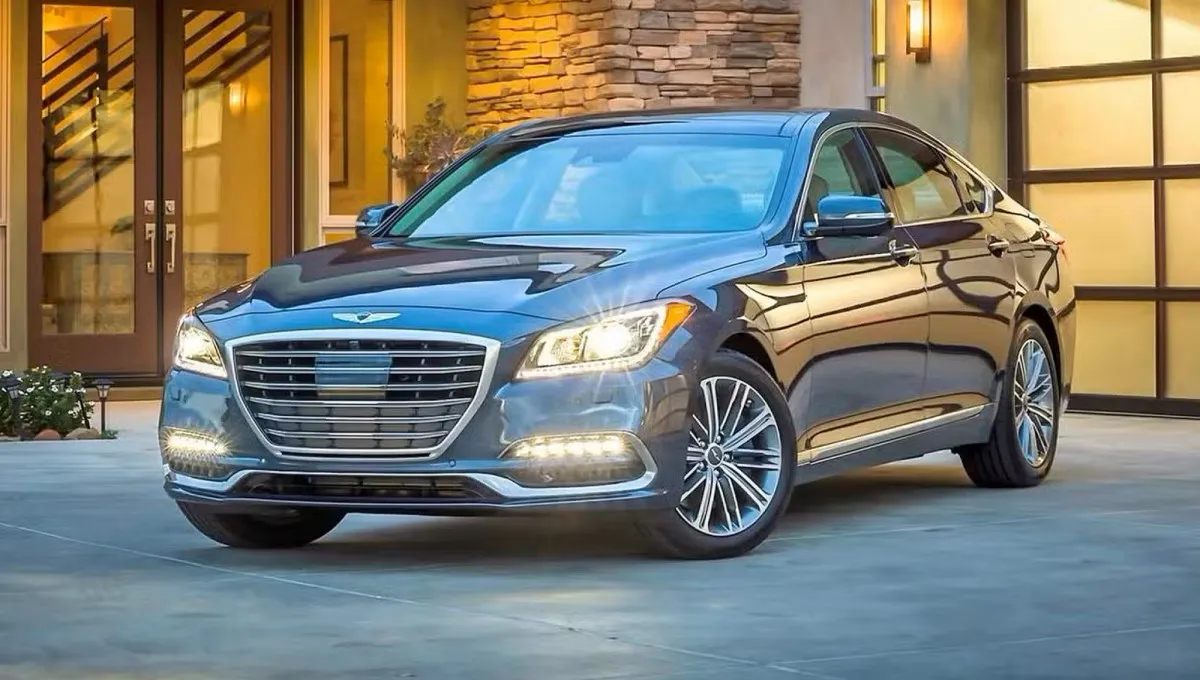
Hyundai Recalls Nearly 95,000 Genesis Sedans Over Fire Risk From Power Seats
Hyundai is recalling 94,622 Genesis sedans after a faulty power seat switch was linked to overheating and potential vehicle fires.
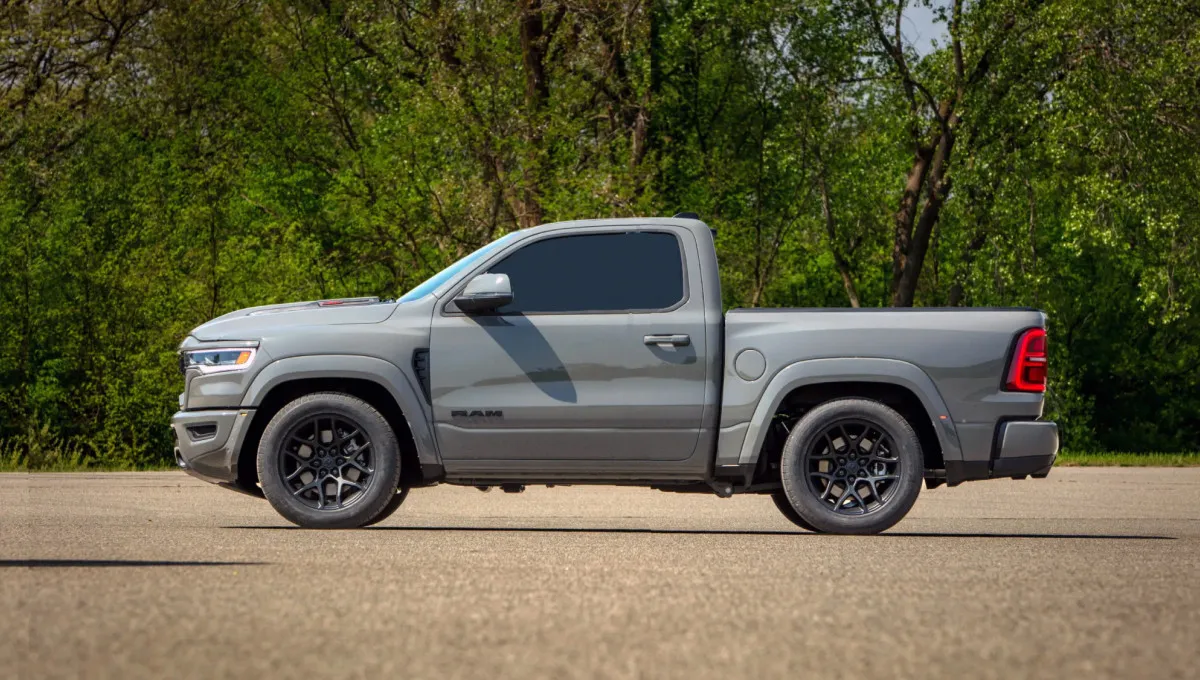
2027 Ram 1500 Rumble Bee: Pricing, Options and How to Build Yours
The 777-HP Ram Rumble Bee Is Coming — But You Can Buy the New Hemi Truck Now
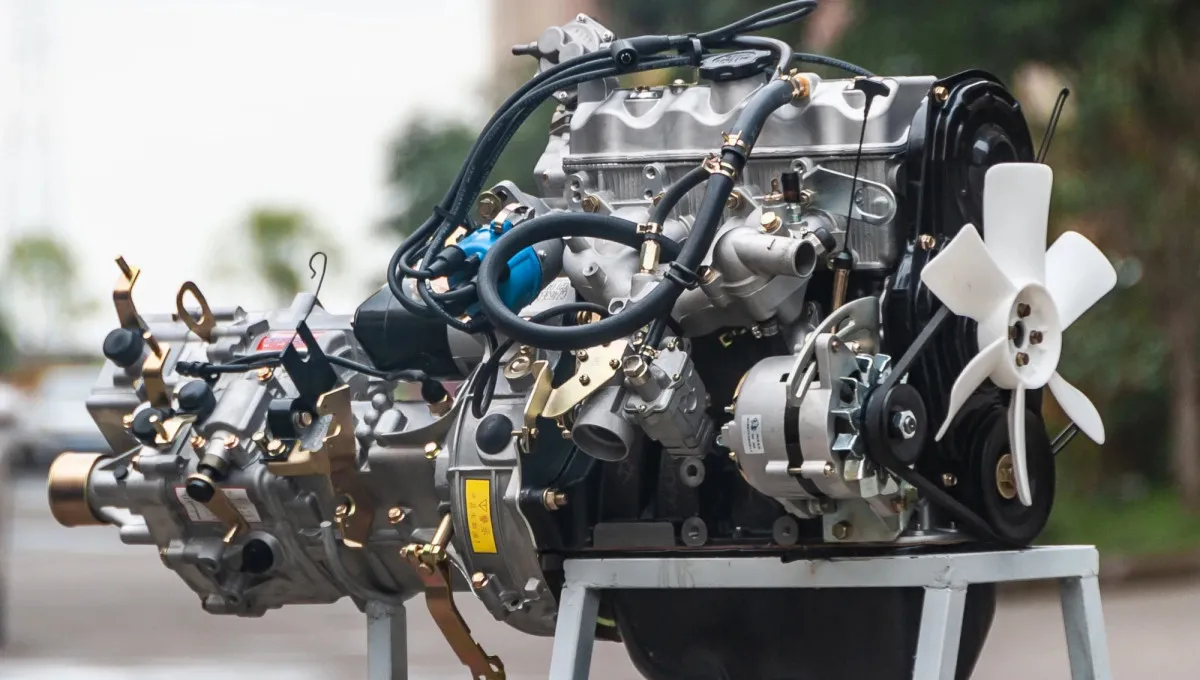
“Are You Sure It’s Chinese?” Who Really Builds China’s Car Engines
Who Really Develops China’s Car Engines?