
What the “D” on a Manual Transmission Means: Why This Rare Symbol Has Nothing to Do With Automatic Drive
The letter D is usually associated with automatic transmissions, where selecting Drive tells the car to move forward.
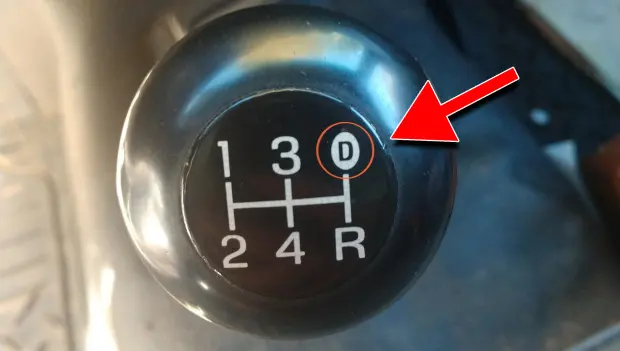
The letter D is almost always associated with an automatic transmission. Put the shifter in Drive, release the brake, and the car is ready to go. That's why seeing the same letter on a car with a clutch pedal and a manual shifter can be confusing.
There is no automatic driving mode here, though. The driver still operates the clutch and selects each gear manually.
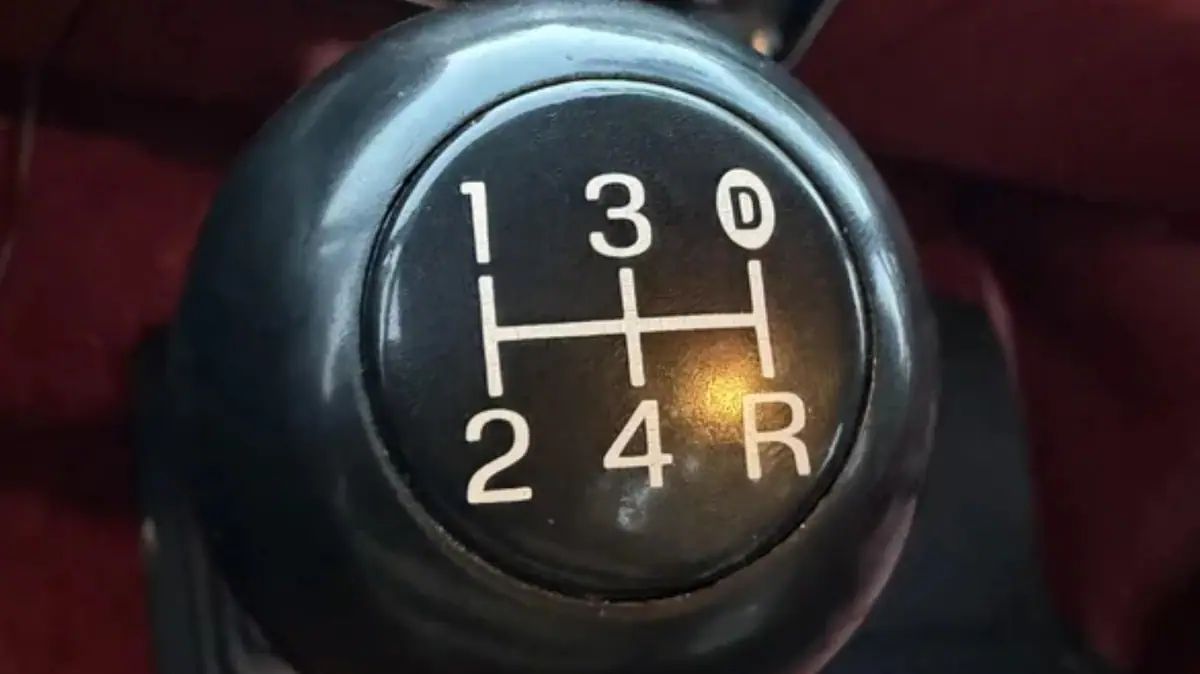
On manual transmissions, the D marking is uncommon and is mostly found on older or specialized vehicles. In those applications, it can stand for Direct Drive. But that doesn't mean D is simply another name for fourth or fifth gear. Its meaning depends on the design of the transmission.
The Letter Doesn't Indicate a Direction
In a traditional three-shaft manual transmission, the input and output shafts are arranged along the same axis. When direct drive is selected, the shafts are mechanically locked together, producing a 1:1 gear ratio. One revolution of the input shaft results in one revolution of the output shaft.
That's the mechanical characteristic the D marking can identify.
In other words, direct drive allows the engine flywheel and the transmission's output shaft to turn at the same speed, with the output shaft ultimately sending torque toward the wheels.
The word "direct" does not mean the engine is physically connected straight to the wheels. The drivetrain still includes the final drive, differential and axle shafts. The term refers only to the relationship between the shafts inside the transmission.
Some Transmissions Don't Have a Direct-Drive Gear
The idea that direct drive is always fourth gear in a five-speed manual transmission only applies to certain older designs. Some classic rear-wheel-drive vehicles, for example, used a 1.00:1 fourth gear, while fifth gear was an overdrive ratio.
Most modern front-wheel-drive cars use a transverse engine layout and a two-shaft transmission design. Because the shafts are not arranged on the same axis, they cannot simply be locked together for direct drive. Torque passes through a gear pair in every forward gear, even when the resulting ratio is close to 1:1.
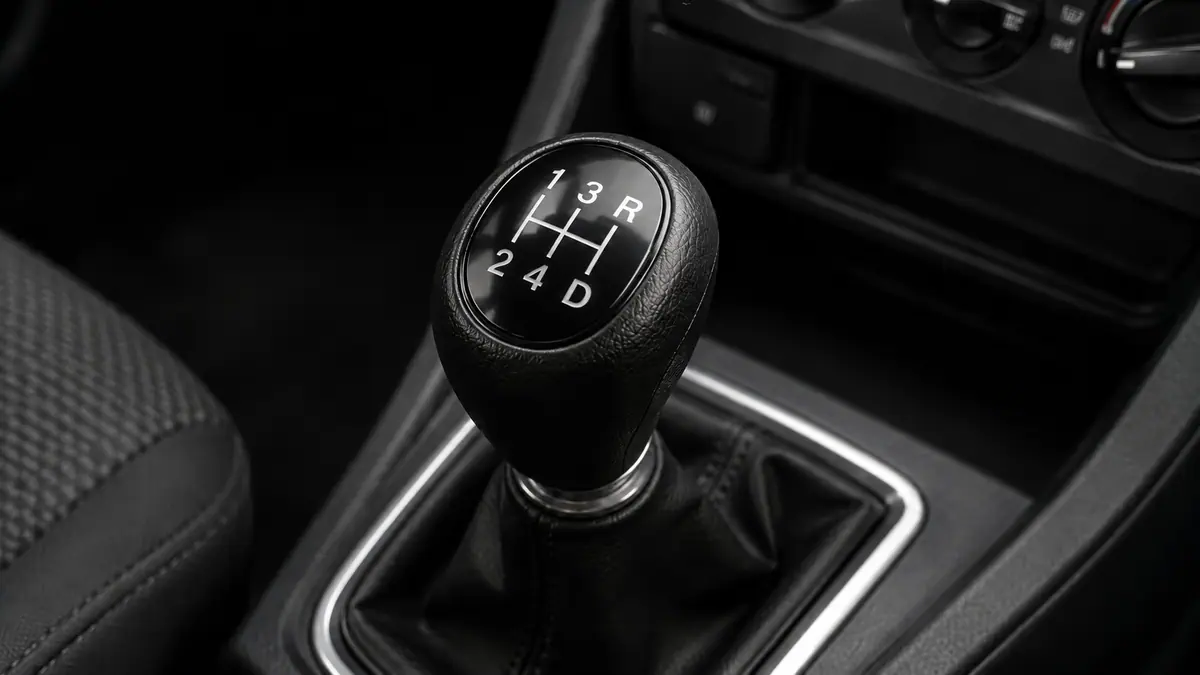
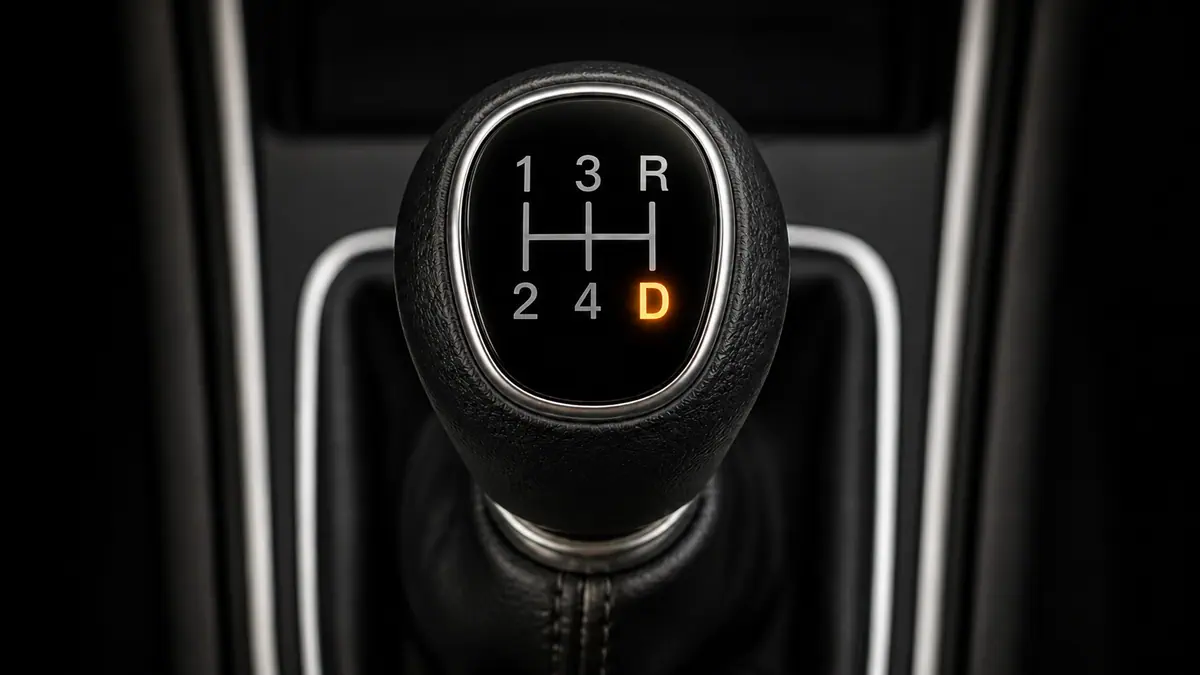
That's why D is not a standard or universally recognized marking on modern passenger-car manual transmissions. On a typical manual shifter, drivers are much more likely to see numbered gears and an R for reverse.
If a manufacturer uses other letters or symbols, the owner's manual for that specific vehicle is the best place to determine what they mean.
Direct Drive Isn't Always the Most Efficient
A 1:1 ratio can reduce some mechanical losses in a traditional three-shaft transmission because torque is transmitted without relying on an additional working gear pair. But that doesn't mean direct drive will always deliver the best fuel economy.
An overdrive gear has a ratio below 1:1, allowing the engine to run at lower RPM. At steady highway speeds, the highest gear is often quieter and more fuel-efficient than a direct-drive gear.
That's not always the case when the car is climbing a hill, accelerating to pass or running at an RPM that's too low for the load. In those situations, shifting into a lower gear can provide the additional torque multiplication the vehicle needs.
The right gear depends on road speed, engine RPM, load and the manufacturer's recommendations—not on a single letter stamped on the shifter.
On a manual transmission, D simply describes the mechanical characteristics of a particular gear. It doesn't activate a driving mode, eliminate the need for the clutch or mean that gear is suitable for every driving situation.
You may also be interested in the news:
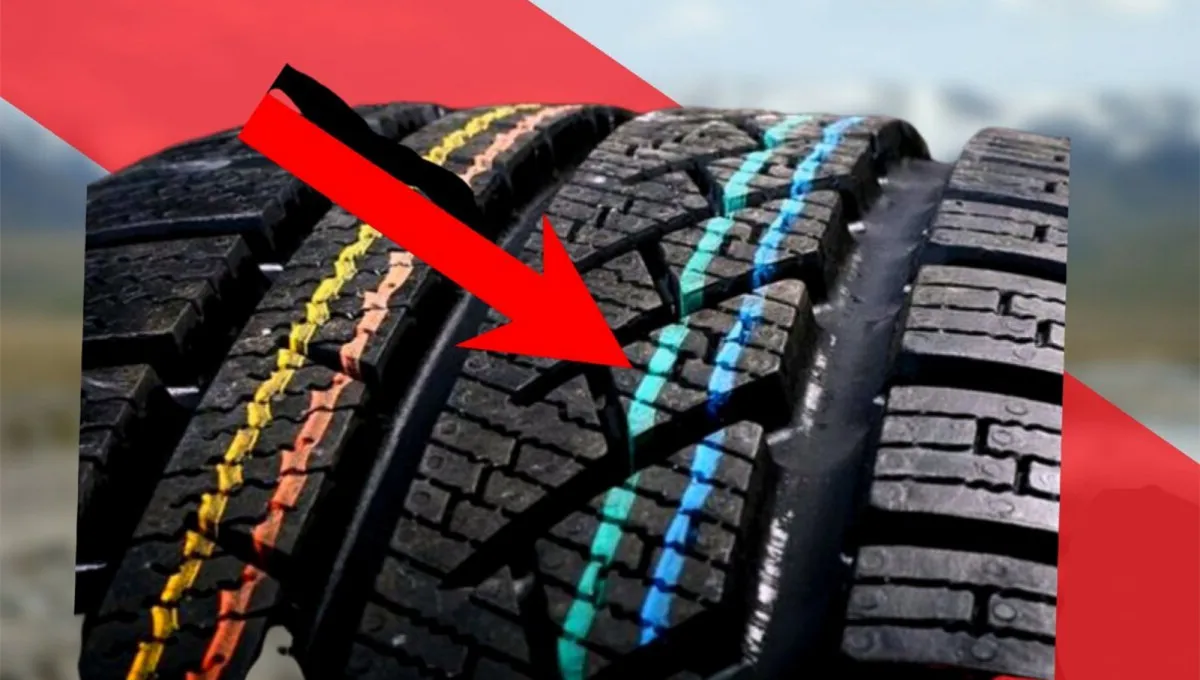
Why Colored Stripes on New Tires Confuse Drivers: What They Really Mean
A blue stripe on one tire brand can mean something entirely different on another, leaving drivers wondering what the markings mean.
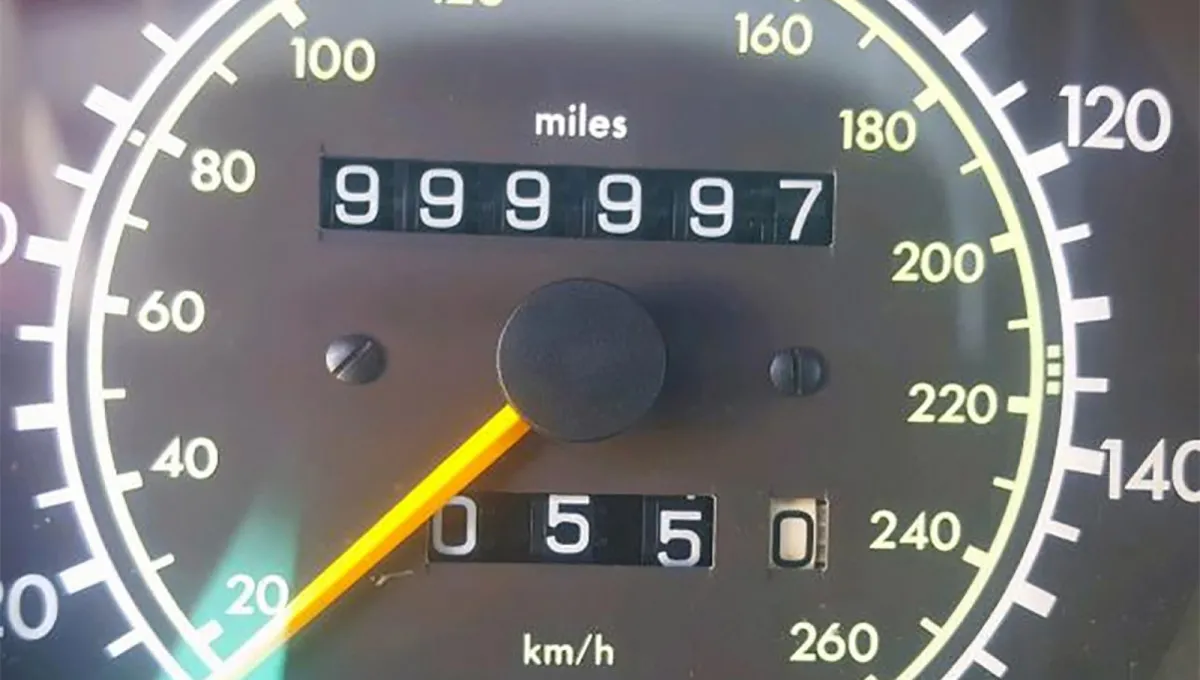
These 8 Cars Went Over 1 Million Miles — They Just Don’t Build Them Like They Used To
Some cars outlast generations of owners, proving that careful maintenance and durable engineering can deliver extraordinary mileage.
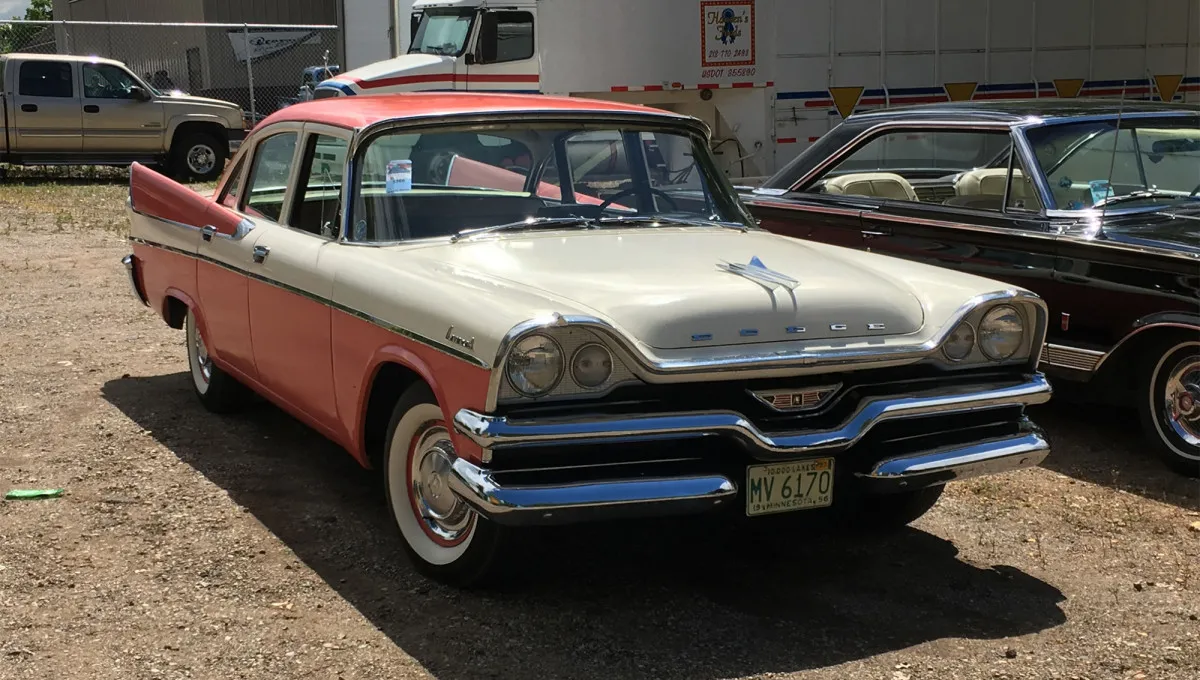
The 1957 Dodge: How “Autodynamics” Shaped One of Detroit’s Boldest Designs
The 1957 Dodge Looked Like a Dream Car, but Its Biggest Flaw Was Hiding Beneath the Surface.

Two Ferrari F40s Spotted on Google Maps Turn Out to Be Pontiac Fiero Replicas
Two Ferrari F40 lookalikes spotted on Google Maps in Spain turned out to be replicas built on an American sports car.
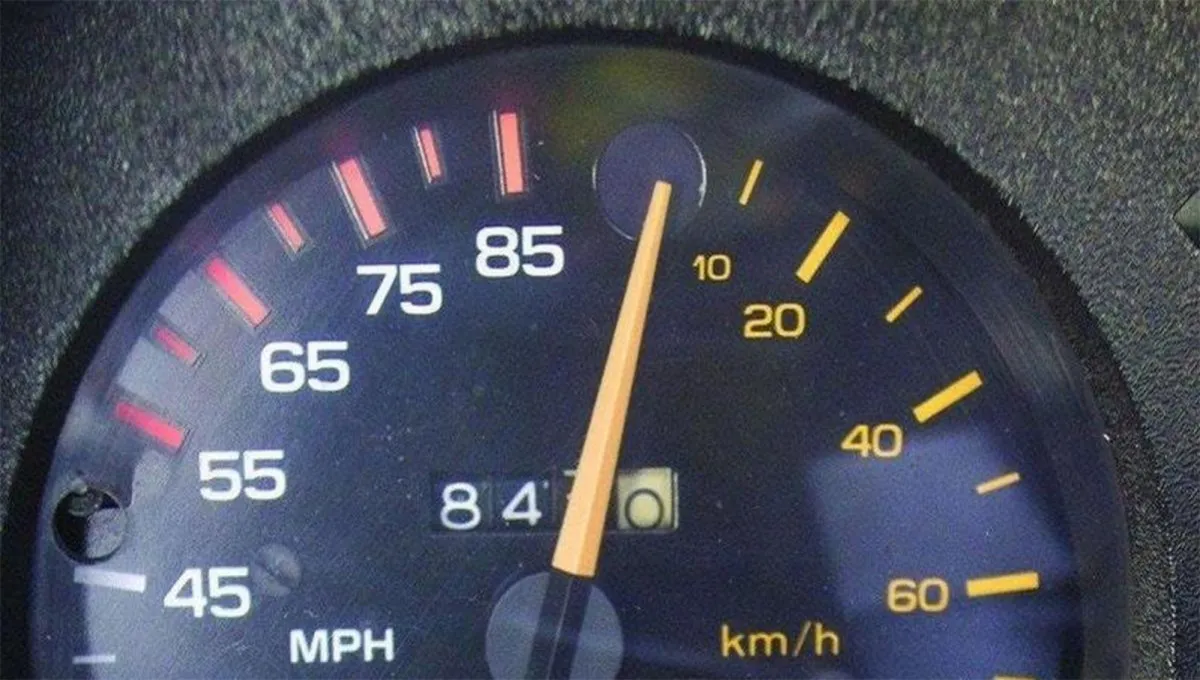
Your Speedometer Says 65 MPH, but Your GPS Says 62 — Here’s Why Your Car Does That
Your speedometer reads 65 mph, but your GPS says 62 mph. Here’s why the numbers rarely match.