
What Does the Red-and-Yellow Target Symbol on the Back of Some Cars Mean?
That red-and-yellow target on some cars has a military history dating back more than two centuries.
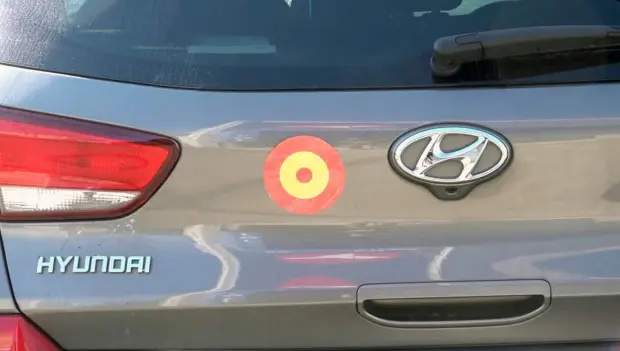
If you've been driving for a while, you've probably noticed that some motorists display symbols on the back of their cars. There are plenty of different badges and decals out there, but one particular design stands out: a red-and-yellow target that can easily catch your eye.
If you don't know what the symbol represents, its history goes back to Spain's military past. What looks like a simple target is actually the Spanish territorial cockade, a symbol closely associated with the military.
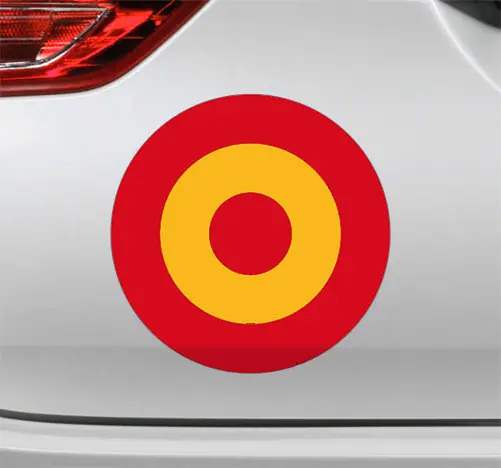
The symbol dates back to the Spanish War of Independence against France, which took place from 1808 to 1814. Spanish soldiers heading into battle wore the distinctive emblem as they went to the front.
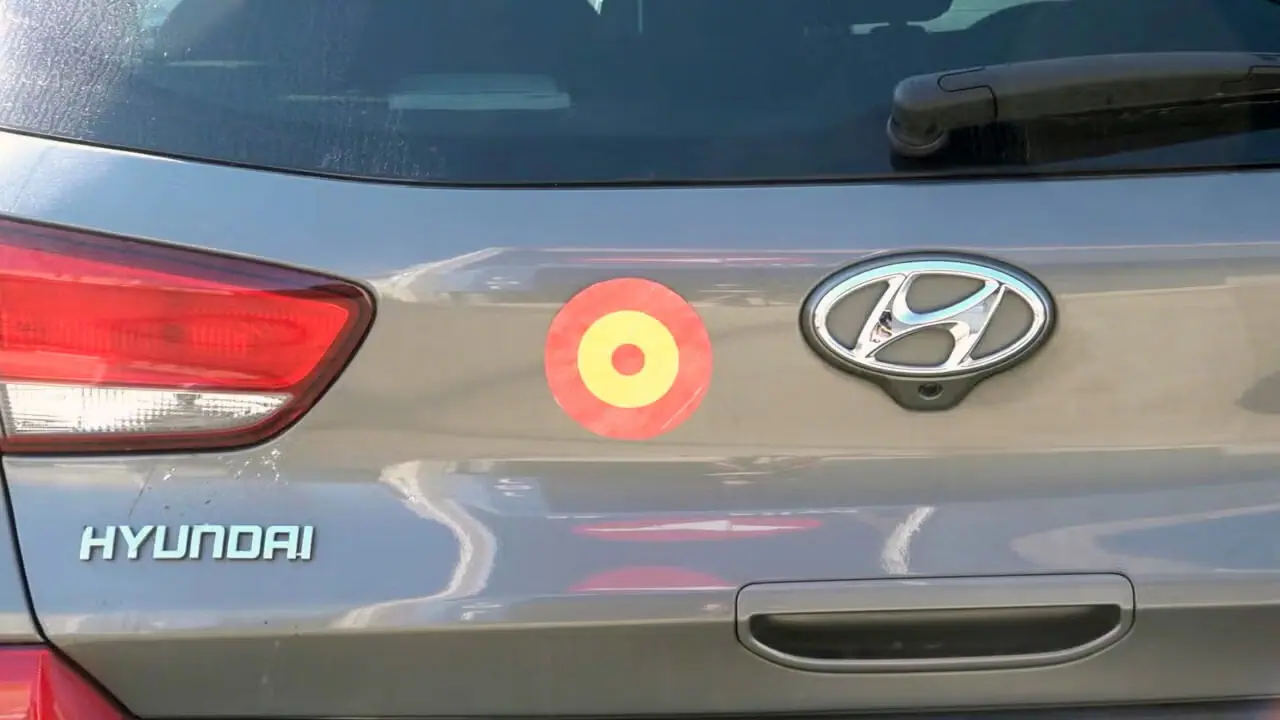
Today, when the same target appears on a car, it serves as a way for the driver to express national unity and patriotism. The symbol has also retained an important role in aviation, where it is used to identify the nationality of aircraft operating in airspace, particularly military aircraft.
You may also be interested in the news:
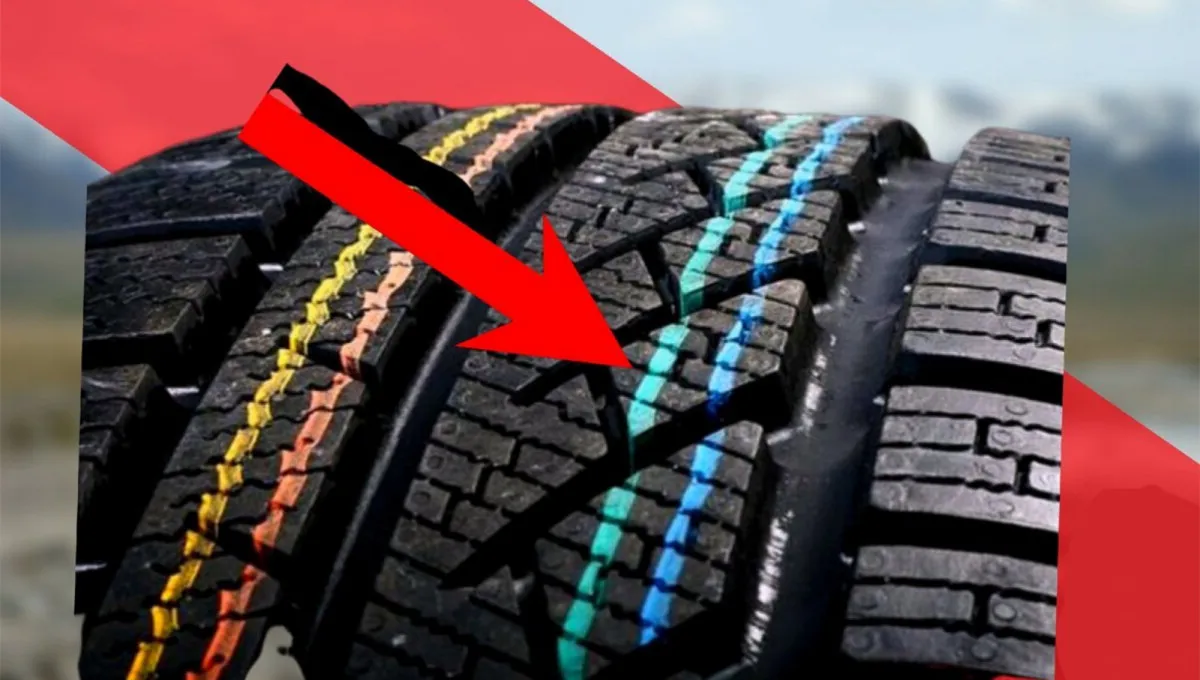
Why Colored Stripes on New Tires Confuse Drivers: What They Really Mean
A blue stripe on one tire brand can mean something entirely different on another, leaving drivers wondering what the markings mean.
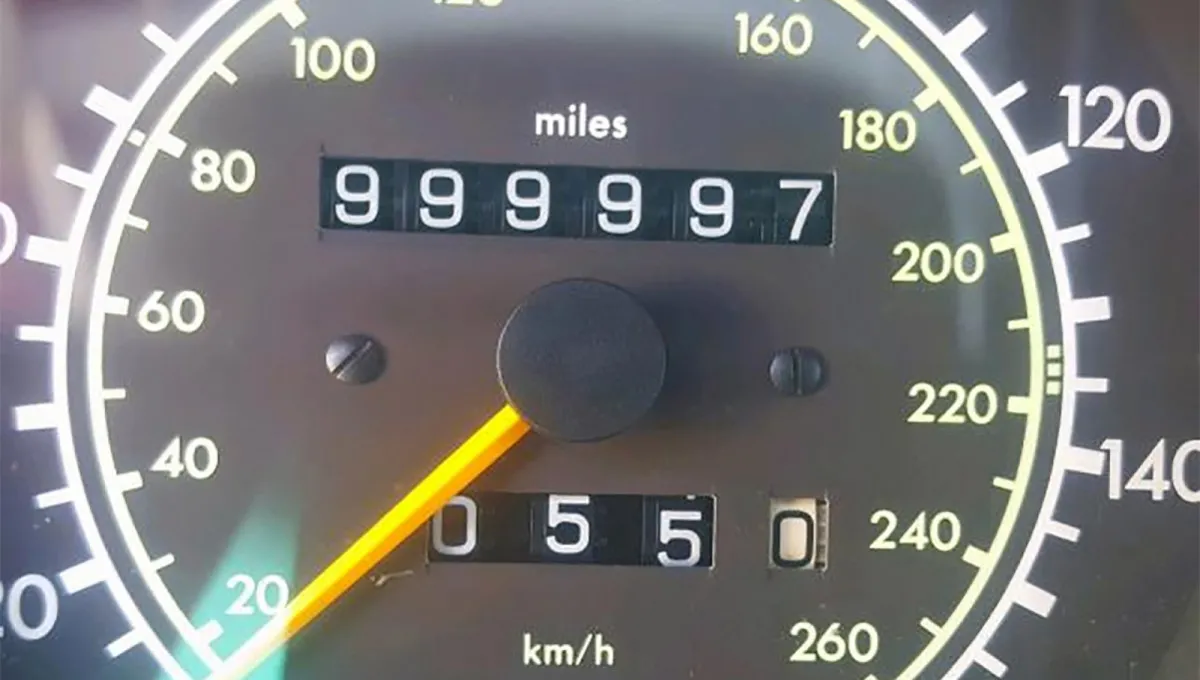
These 8 Cars Went Over 1 Million Miles — They Just Don’t Build Them Like They Used To
Some cars outlast generations of owners, proving that careful maintenance and durable engineering can deliver extraordinary mileage.
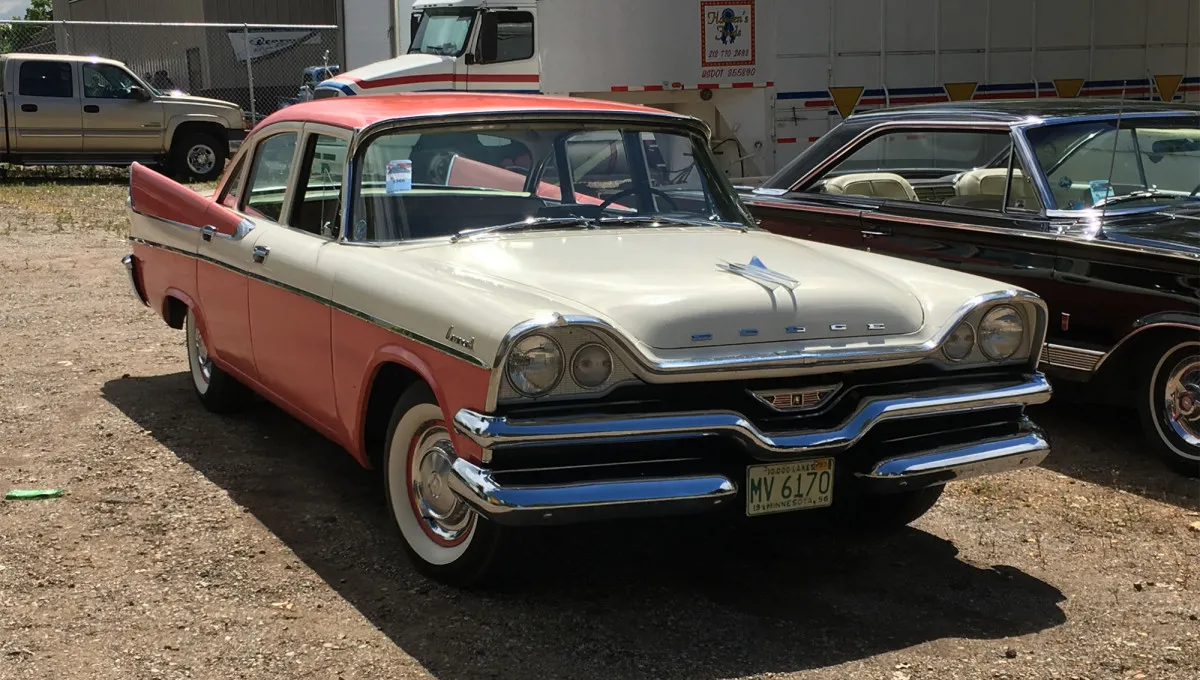
The 1957 Dodge: How “Autodynamics” Shaped One of Detroit’s Boldest Designs
The 1957 Dodge Looked Like a Dream Car, but Its Biggest Flaw Was Hiding Beneath the Surface.

Two Ferrari F40s Spotted on Google Maps Turn Out to Be Pontiac Fiero Replicas
Two Ferrari F40 lookalikes spotted on Google Maps in Spain turned out to be replicas built on an American sports car.
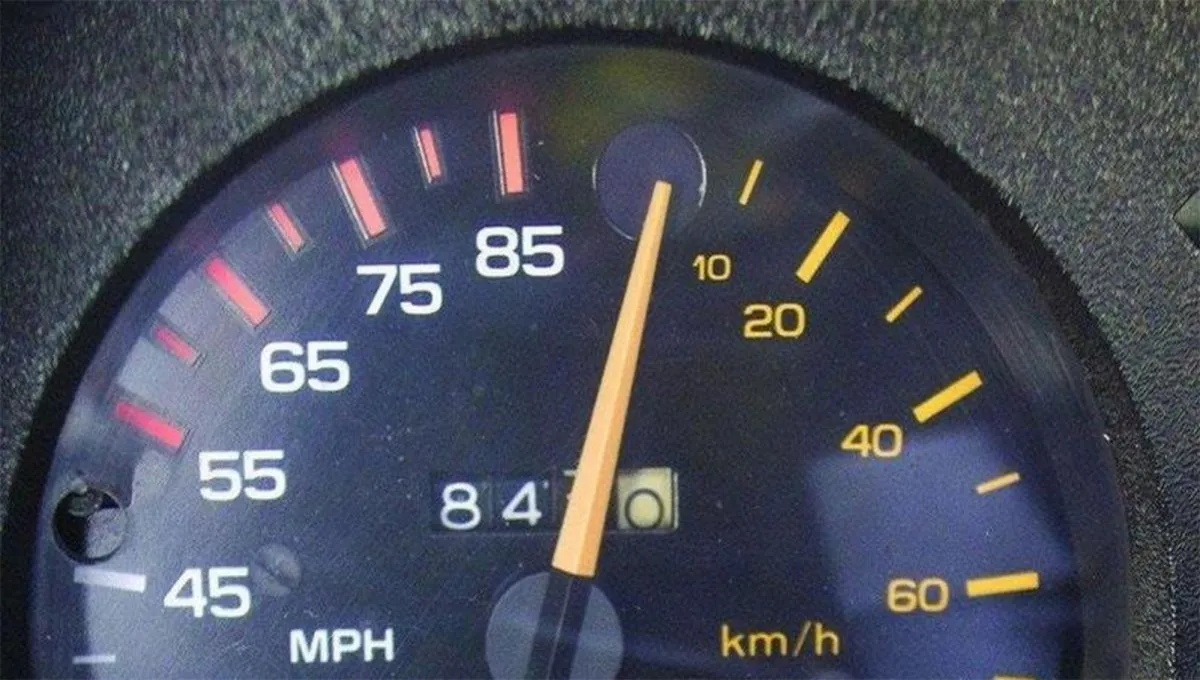
Your Speedometer Says 65 MPH, but Your GPS Says 62 — Here’s Why Your Car Does That
Your speedometer reads 65 mph, but your GPS says 62 mph. Here’s why the numbers rarely match.