
Dangerous Rhythms Behind the Wheel: How Music Can Affect Driving
The songs drivers love most can influence speed, attention and risk-taking, potentially turning a routine trip into a dangerous one.

Most drivers probably don't think twice about the music playing through their car speakers. But research suggests that the right—or wrong—playlist can have a noticeable effect on how someone behaves behind the wheel.

Some songs can increase excitement and encourage drivers to push the pace, while others may contribute to drowsiness and reduced attention. That means a familiar playlist isn't always as harmless as it seems, particularly on a long road trip.
One of the more surprising findings involves songs that regularly appear on driving playlists. Ed Sheeran's "Shape of You," for example, has been identified in research and driving-playlist analyses as one of the tracks associated with potentially risky behavior. Its reported tempo of 192 beats per minute is far faster than the natural resting heart rate and may encourage some drivers to speed up or become more aggressive behind the wheel.
Oasis' "Wonderwall" and "Stay" by The Kid LAROI and Justin Bieber have also been cited among tracks with relatively energetic rhythms.
Tempo appears to be one of the key factors. Fast, highly rhythmic music can increase arousal and make a driver feel more energized. That isn't necessarily a bad thing, but excessive stimulation can also make it harder to maintain a calm, consistent driving style.
A driver who becomes overly engaged with a song may pay less attention to what's happening around the vehicle. That could mean missing a pedestrian, overlooking a traffic signal or reacting later to a sudden change in traffic.
But slow music can present a different problem. For a tired driver, mellow songs may make an already difficult situation worse by encouraging relaxation and sleepiness. This can be particularly concerning after a long workday or during an extended road trip, when fatigue is already reducing reaction times.

Experts generally recommend music with a moderate tempo for driving. Songs with a steady rhythm and relatively predictable structure can provide background entertainment without producing dramatic changes in mood or energy.
Instrumental music isn't automatically safer, either. Depending on its tempo and volume, it can either help a driver remain relaxed or have the opposite effect and increase stimulation.
Perhaps more important than genre or tempo, however, is the emotional connection a driver has with a particular song.
A track associated with a major life event, a relationship or memories from youth can be surprisingly distracting. Singing along, thinking about the past or becoming emotionally absorbed in a song can pull a driver's attention away from the road even when their eyes remain pointed forward.
That's why there is no universal list of songs that should be banned from the driver's seat. Different people respond to music in different ways. A song that one driver barely notices may cause another to speed up, become distracted or take unnecessary risks.
The broader takeaway is fairly simple: highly energetic or aggressive music may encourage a more aggressive driving style, while extremely mellow music can contribute to reduced alertness when fatigue is already present.
Music choice may seem like a matter of personal taste, but it can also influence how we behave behind the wheel. Drivers don't necessarily need to turn off their favorite songs, but keeping the volume at a reasonable level and choosing music that doesn't demand too much attention can help keep the focus where it belongs—on the road.
You may also be interested in the news:
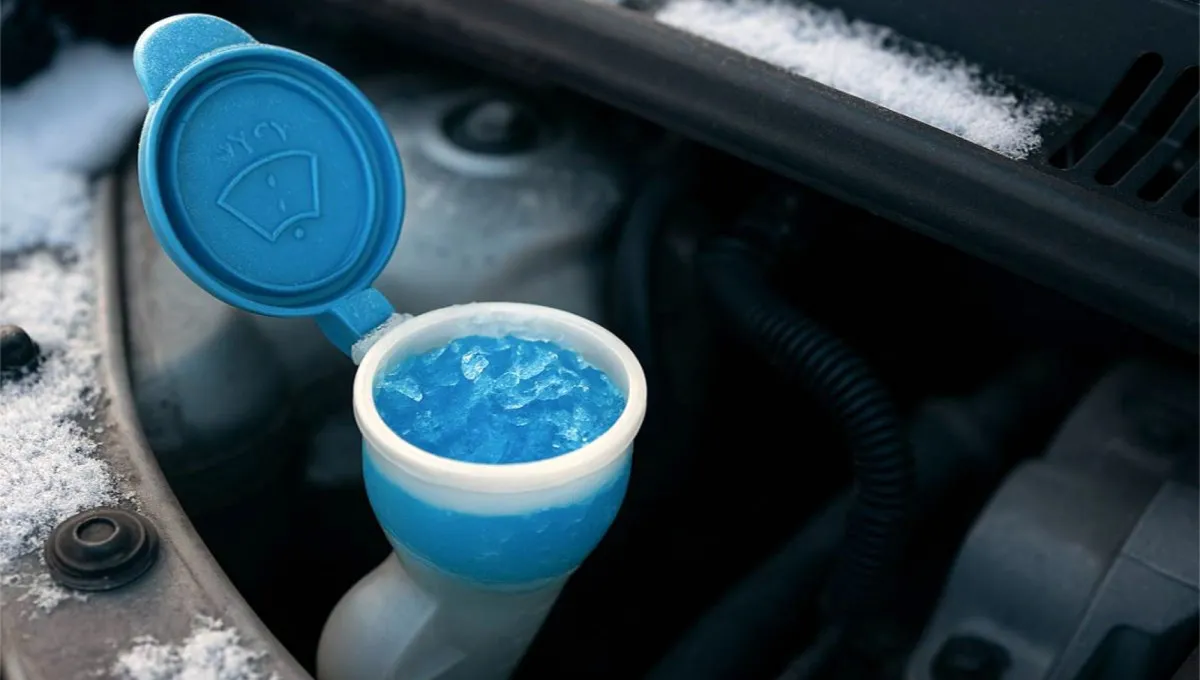
Windshield Washer Fluid Frozen in the Reservoir? Here’s How to Thaw It
A frozen washer system can catch drivers off guard, especially when a cold morning reveals that yesterday’s windshield washer suddenly stopped working.
Three Zodiac Signs That Avoid Driving in the Rain to Keep Their Cars Clean
For these three signs, a car is more than transportation—it's almost a museum piece. Virgo, Taurus, and Capricorn may cancel plans at the first sign of rain.

Why Colored Stripes on New Tires Confuse Drivers: What They Really Mean
A blue stripe on one tire brand can mean something entirely different on another, leaving drivers wondering what the markings mean.
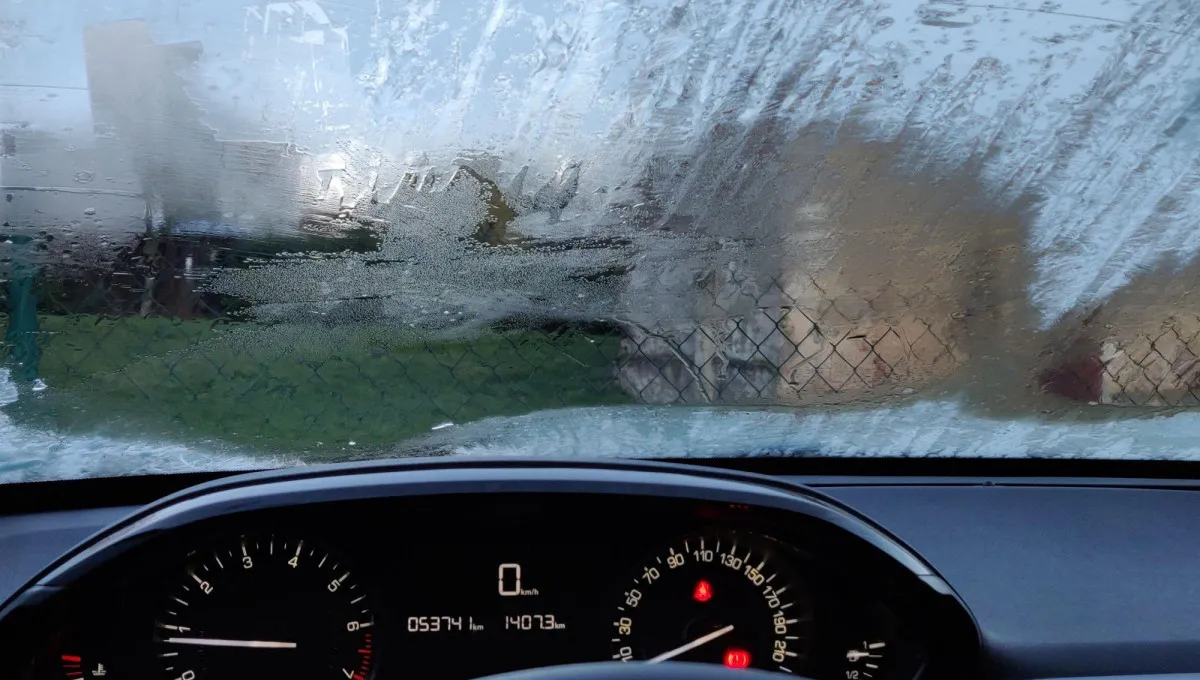
One Car Button Can Make Your Windows Fog Up Faster: What Not to Do in the Rain
Moisture brought into the cabin by drivers and passengers can linger in the air and settle on cold windows, reducing visibility.
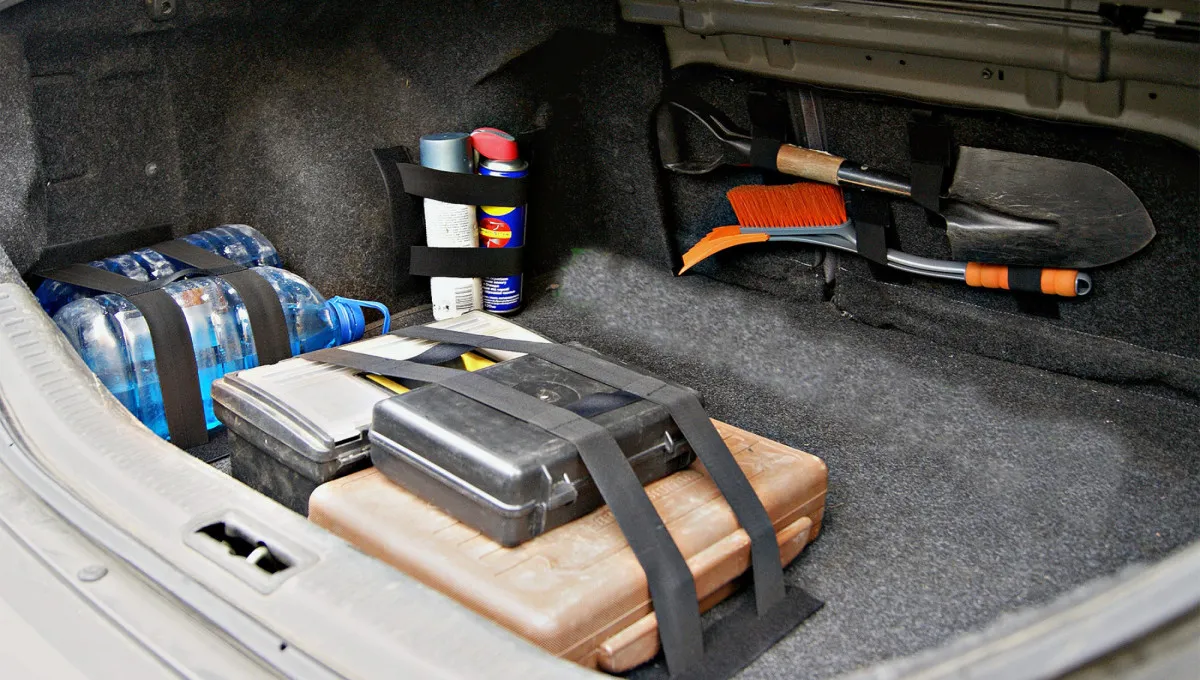
Cold Weather Can Leave You Stranded — 5 Things Every Driver Should Have in Their Car
The first hard freeze can catch drivers off guard. Here's what to keep in your vehicle and how to prepare your battery, tires, and fluids for colder weather.