
Hyundai Delays Nvidia-Based Automated Driving System
Hyundai Motor Group has pushed back the rollout of its own driver-assistance system to the end of 2029.
Hyundai Motor Group has delayed the rollout of its own advanced driver-assistance system until the end of 2029, two years later than originally planned. In the meantime, the automaker plans to rely on technology from Nvidia.
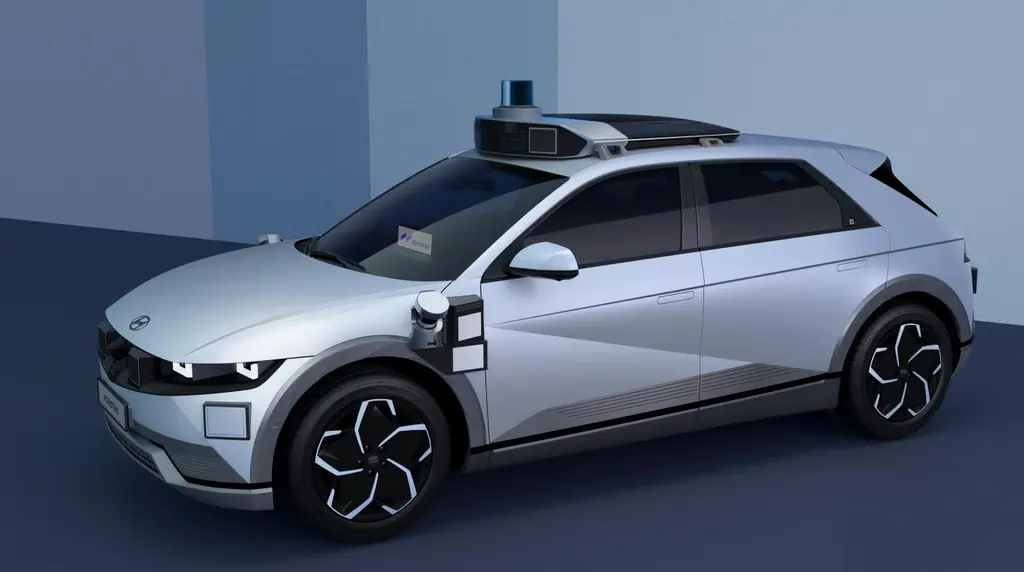
Hyundai plans to begin equipping vehicles with advanced driver-assistance systems based on Nvidia’s Hyperion 10 platform in 2028. During the initial phase, the system will rely on cameras, radar and ultrasonic sensors, without lidar.
At the same time, the automaker will continue developing its own Atria software platform. Hyundai plans to use data collected from vehicles equipped with Nvidia technology to train and improve the system.
For Level 3 automated-driving systems, Hyundai is considering lidar alongside other sensors. The company has not yet announced when vehicles with this technology will reach the market.
Hyundai and Kia also plan to use data from their global vehicle fleets to train their autonomous-driving systems. The automakers expect to surpass their competitors in the amount of accumulated driving data by 2033.
You may also be interested in the news:
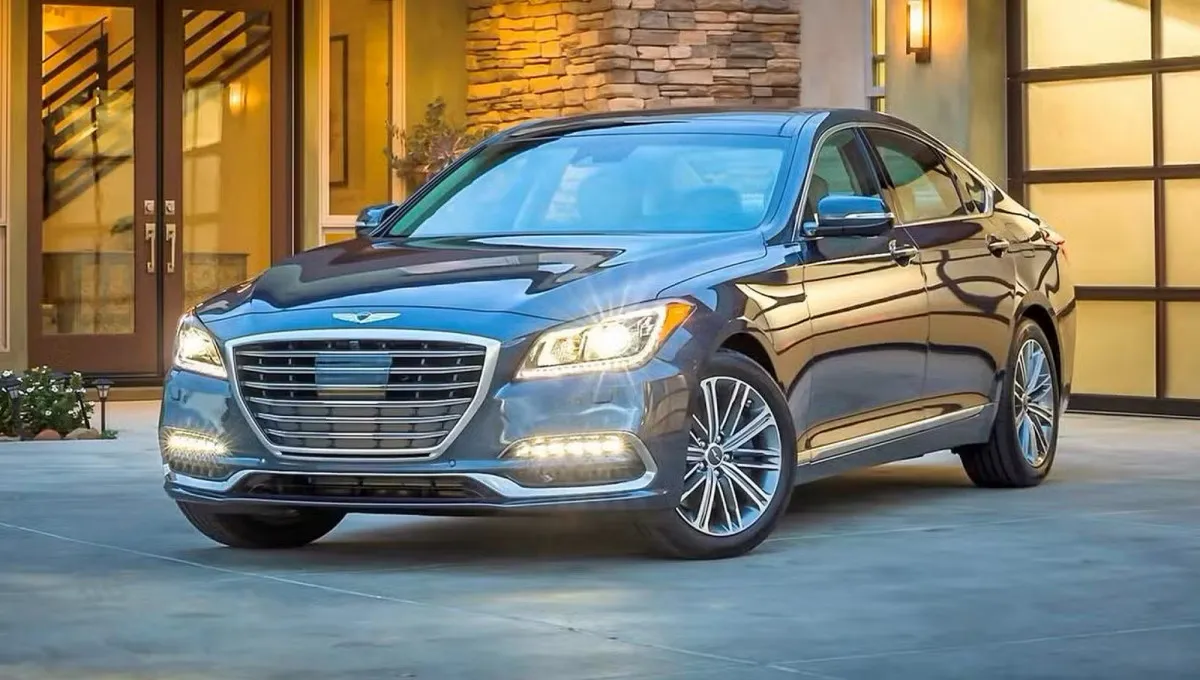
Hyundai Recalls Nearly 95,000 Genesis Sedans Over Fire Risk From Power Seats
Hyundai is recalling 94,622 Genesis sedans after a faulty power seat switch was linked to overheating and potential vehicle fires.
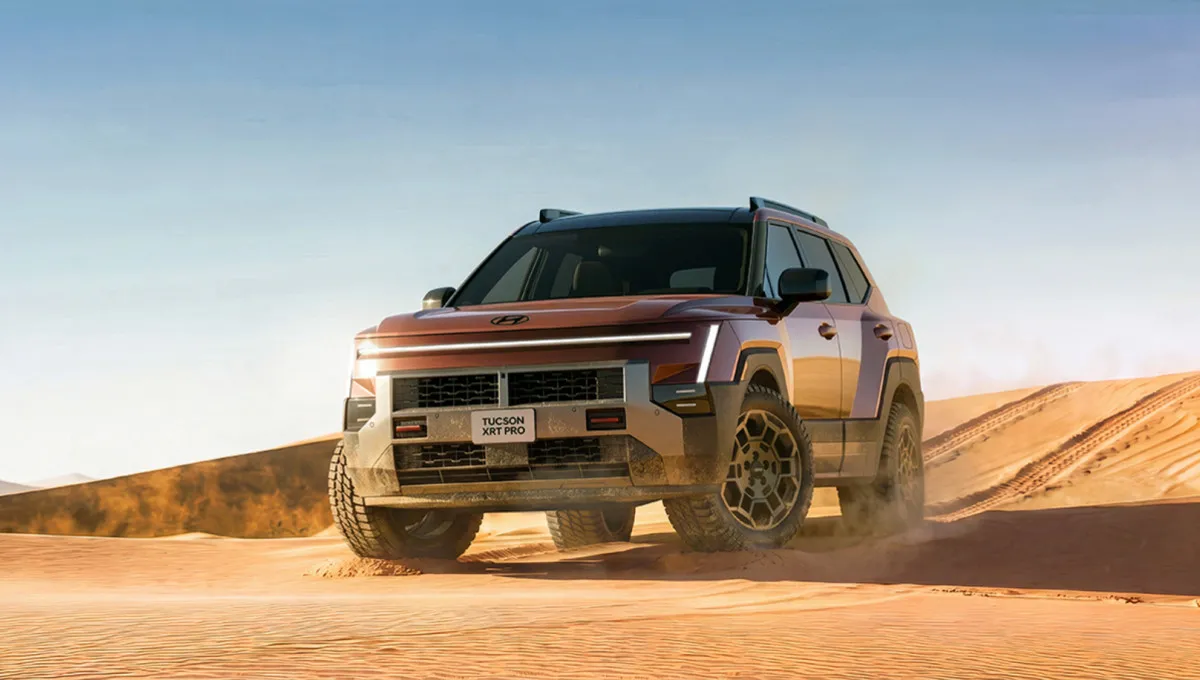
The New Hyundai Tucson Is Official: Hybrid Targets Up to 42 MPG
Hyundai has unveiled the next-generation Tucson with Art of Steel styling, updated hybrid powertrains and new technology.
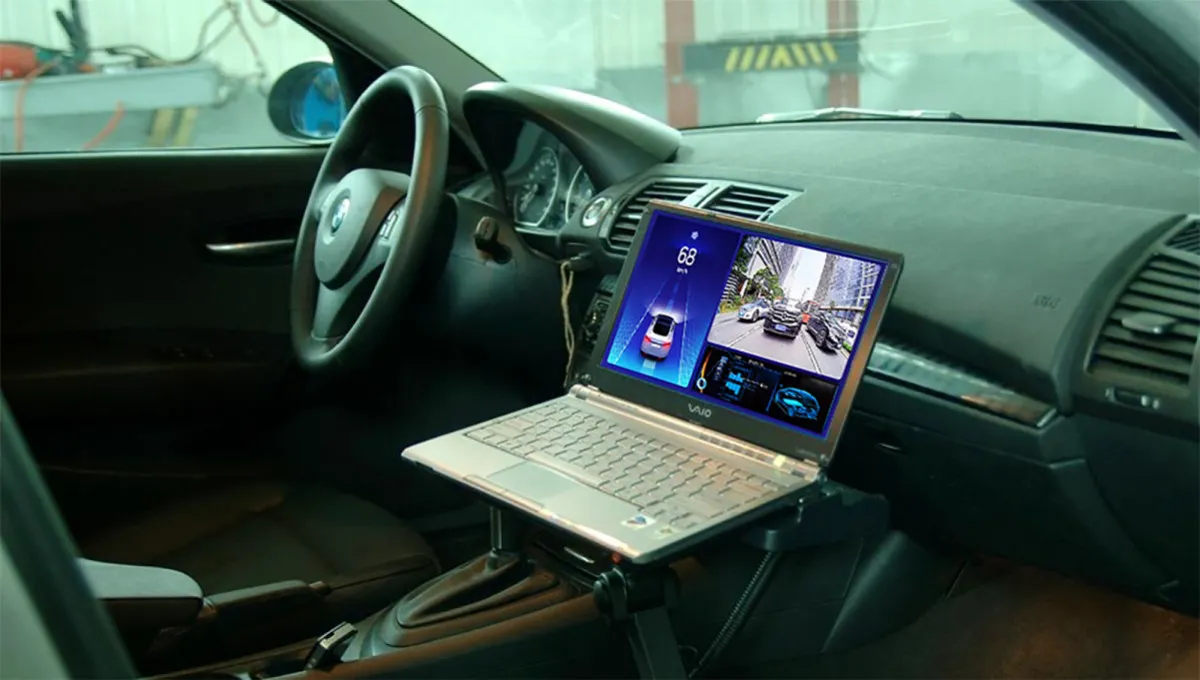
AI Took Over a Real Car. What Happened Next Was a Wake-Up Call
An American engineer handed several AI models control of a real car, and their driving performance fell short of expectations.
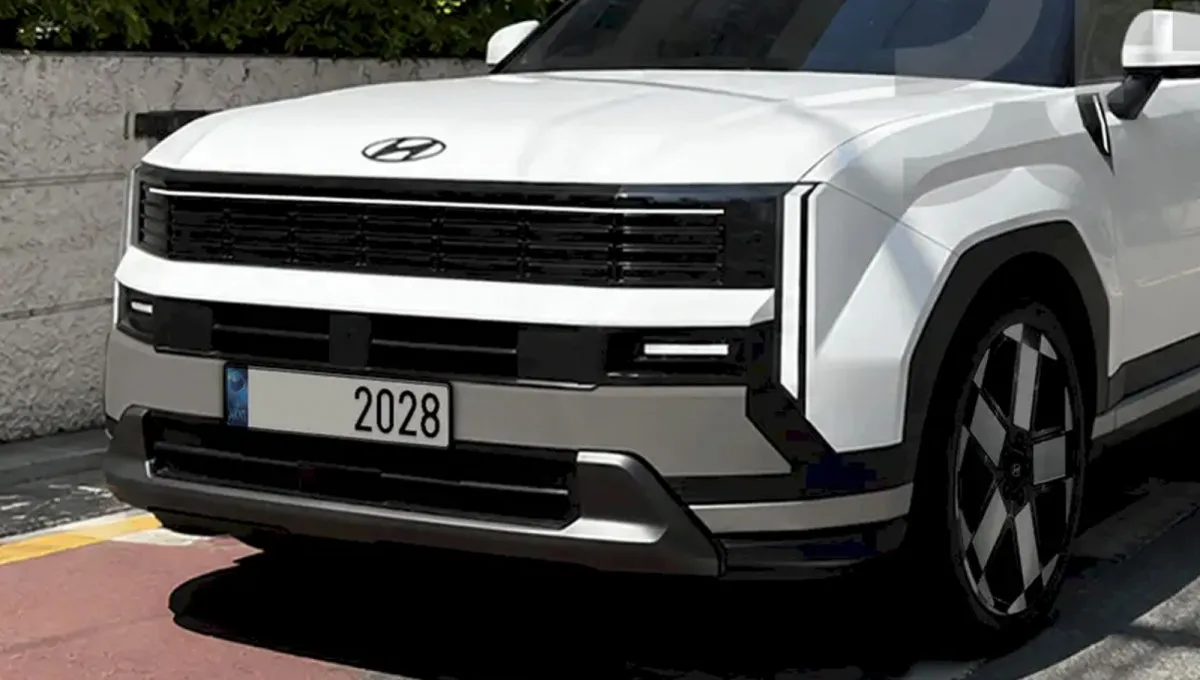
Hyundai Santa Fe Facelift Revealed in Unofficial Renderings
Hyundai is preparing a major update for the fifth-generation Santa Fe, with styling and powertrain changes reportedly on the way.
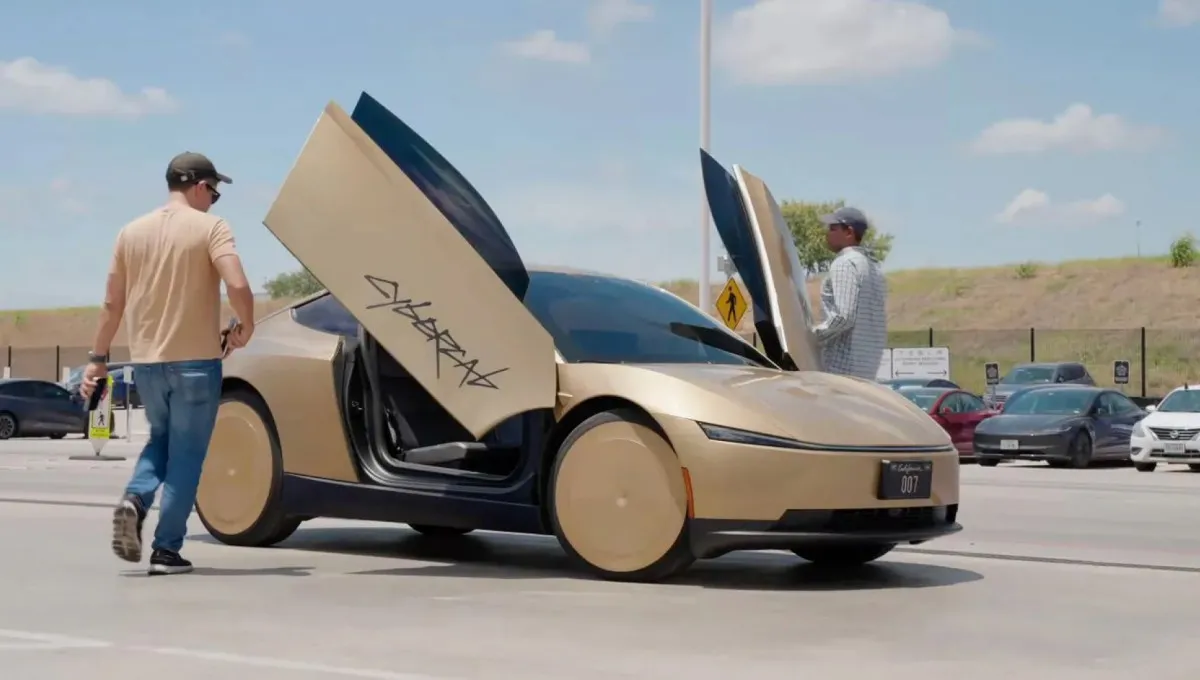
Tesla Has Expanded Its Robotaxi Fleet Sevenfold in Three Weeks — Cybercab Is Already on the Way
The number of officially registered Tesla Cybercabs in Texas has risen from 7 to 45 in just a few days, while the existing Robotaxi service using Model Y vehicles is already operating in Austin, Dallas, and Houston without a safety operator. According to Tesla's head of autonomous driving, Ashok Elluswamy, the fleet has covered more than 380,000 miles without any serious incidents.