
Tesla Has Expanded Its Robotaxi Fleet Sevenfold in Three Weeks — Cybercab Is Already on the Way
The number of officially registered Tesla Cybercabs in Texas has risen from 7 to 45 in just a few days, while the existing Robotaxi service using Model Y vehicles is already operating in Austin, Dallas, and Houston without a safety operator. According to Tesla's head of autonomous driving, Ashok Elluswamy, the fleet has covered more than 380,000 miles without any serious incidents.
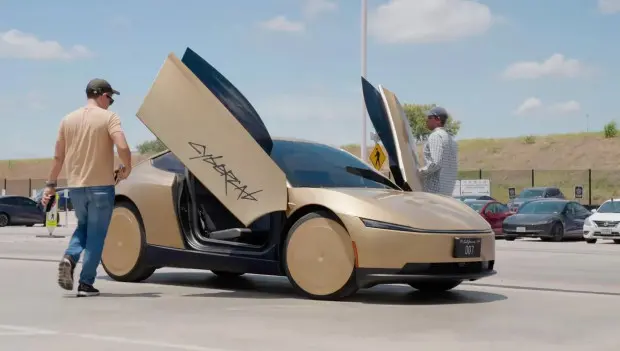
Foreign publication Teslarati, citing data from the crowdsourced Robotaxi Tracker platform, reported a significant expansion of Tesla's Robotaxi fleet ahead of the Cybercab presentation. The number of Tesla vehicles operating without a safety operator in Austin, Dallas, and Houston is approaching 200. Over three weeks, that figure has increased roughly sevenfold.
Over the past year, Tesla has acted cautiously, gradually expanding the service area, increasing operating hours, and adding more vehicles. Tesla's head of autonomous driving, Ashok Elluswamy, previously said during the company's second-quarter earnings call that the Robotaxi project had collectively covered more than 380,000 miles without a safety operator, with no significant incidents. Tesla has repeatedly cited these figures as evidence that it is developing autonomous driving carefully and without rushing.
Skepticism From Observers and Its Reasons
However, outside analysts have had other reasons to question the company's actual progress. For a long time, the size of the fleet remained at just over 20 vehicles, leading many critics to believe that Tesla's actual ability to deploy the Robotaxi service was significantly behind its stated ambitions.
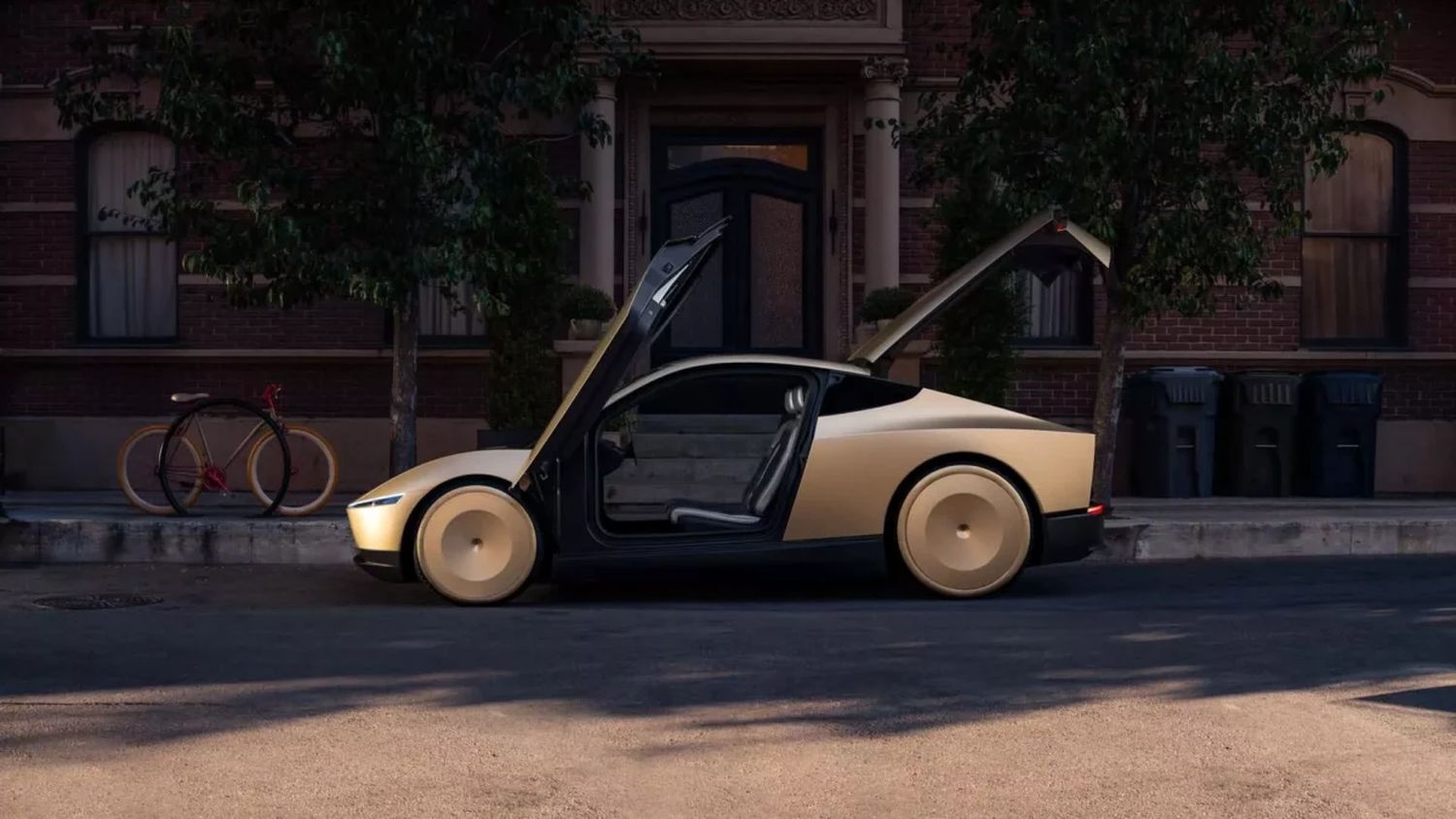
If reports of a fleet approaching 200 vehicles are confirmed ahead of the Cybercab presentation, many of those criticisms will lose their force, and the company won't even need to defend itself separately during the presentation. By then, Tesla will be able to visibly demonstrate a sufficiently large Model Y fleet operating without safety operators while also emphasizing that the Cybercab uses the same basic FSD software platform as the Robotaxi vehicles already in service. This would allow the new model to be presented not as a separate experiment but as a logical continuation of the ongoing commercialization of autonomous driving.
Parallel Race: Model Y and Cybercab

At the same time as it expands the fleet, Tesla is accelerating the registration process for the two-seat Cybercab with Texas regulators. In just a few days, the number of registered vehicles increased from 7 to 45.
The company is therefore developing two directions at once:
- expanding the existing Model Y-based Robotaxi fleet operating without a safety operator;
- increasing the number of official registrations for the dedicated Cybercab model.
Notably, the two processes are moving almost in parallel rather than sequentially. Tesla has not waited to expand the existing fleet as much as possible before moving on to the Cybercab. It appears the company expects this week's upcoming event to be more than a presentation of a new model. It will also demonstrate that the Robotaxi business has already reached a certain scale and that Tesla is ready to move from the production Model Y to a dedicated autonomous vehicle.
By the way, if you often find yourself under close scrutiny from traffic police, it's useful to know in advance how an apparently harmless question from an officer about your route can result in a ticket. And for those who are still shopping for a car, there's also a roundup in which an auto mechanic named five reliable cars for around $7,000.
You may also be interested in the news:
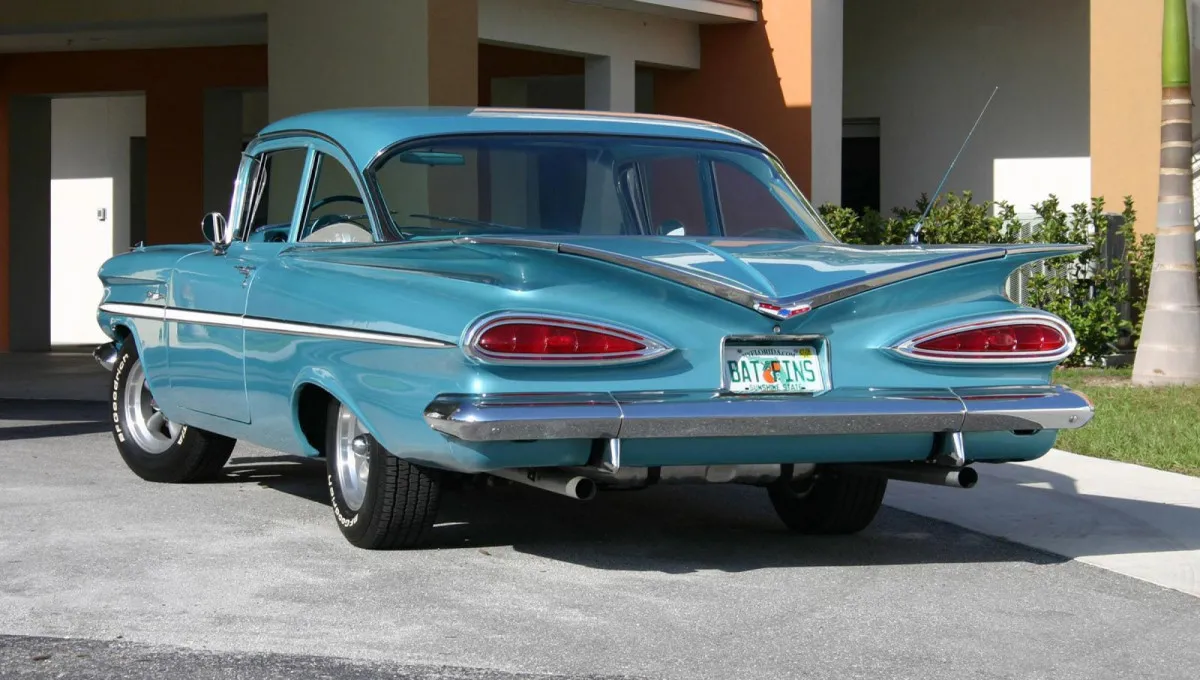
Elegance for Everyone: How Chevrolet Made Its 1960 Cars Stand Out
Chevrolet toned down its extravagant 1959 styling for 1960, bringing a more refined look to its affordable full-size cars.
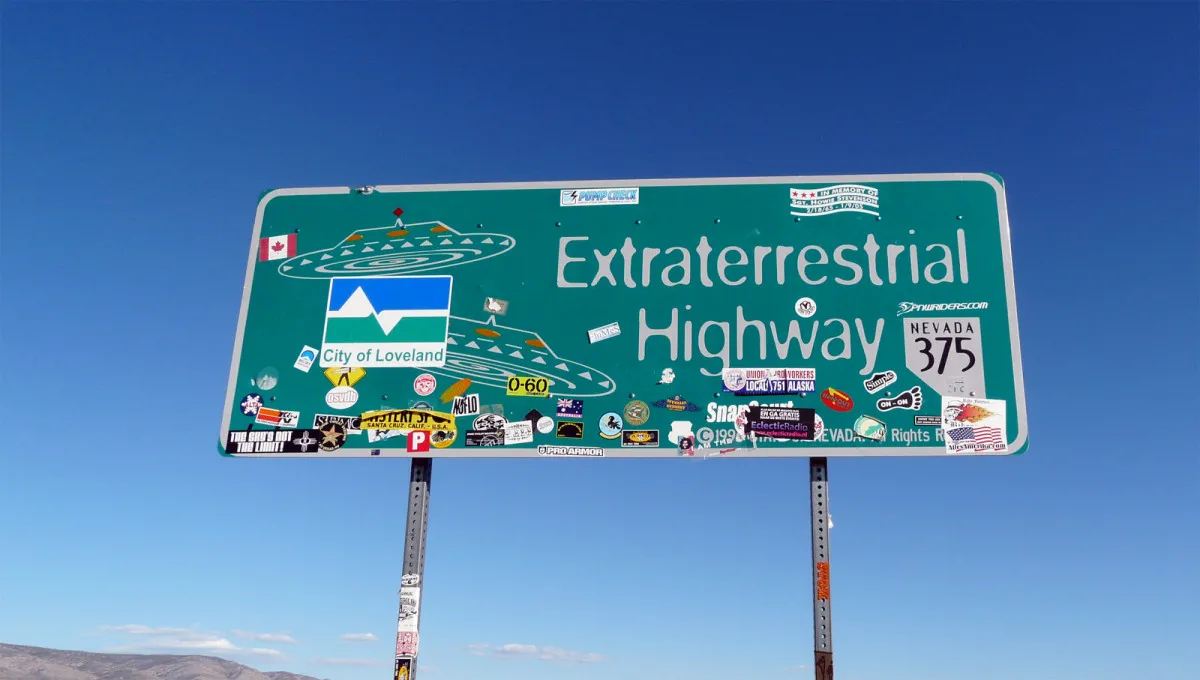
Invisible Cows and a 17.3 MPH Speed Limit? 4 of America's Strangest Road Signs
From invisible cows to alien highways, these unusual American road signs turn ordinary drives into unforgettable roadside surprises.
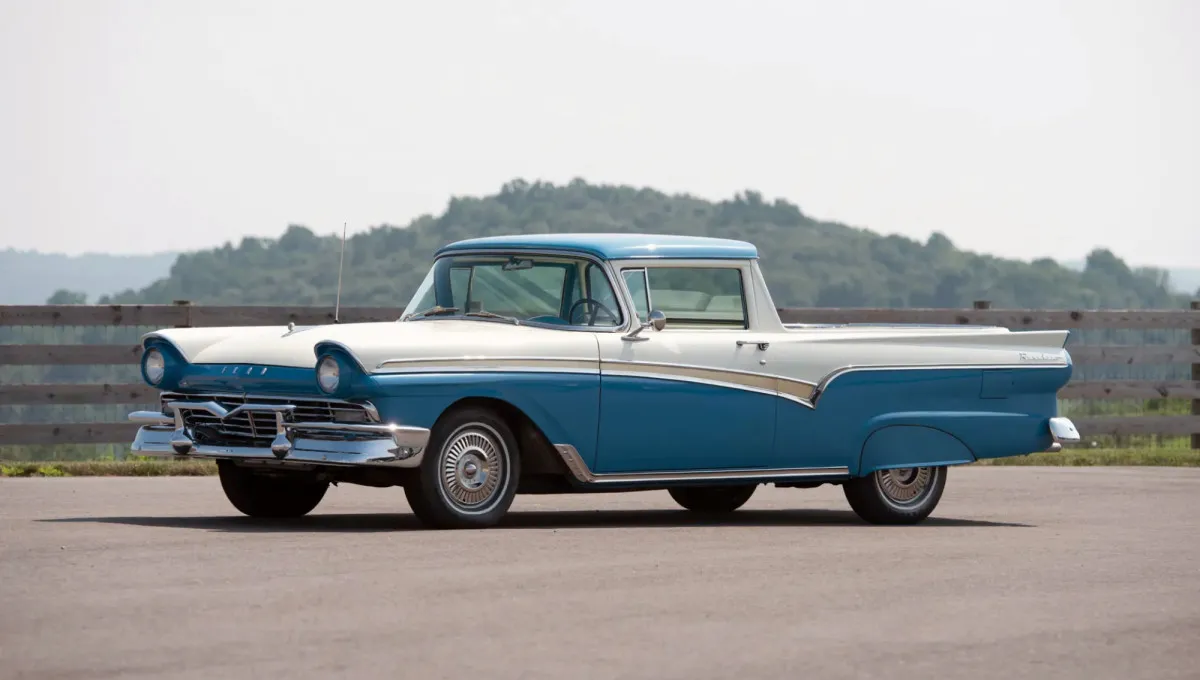
More Than a Car! More Than a Truck! The 1957 Ford Ranchero
The 1957 Ford Ranchero launched a new kind of American vehicle, blending passenger-car styling with pickup-truck utility years before the segment took off.
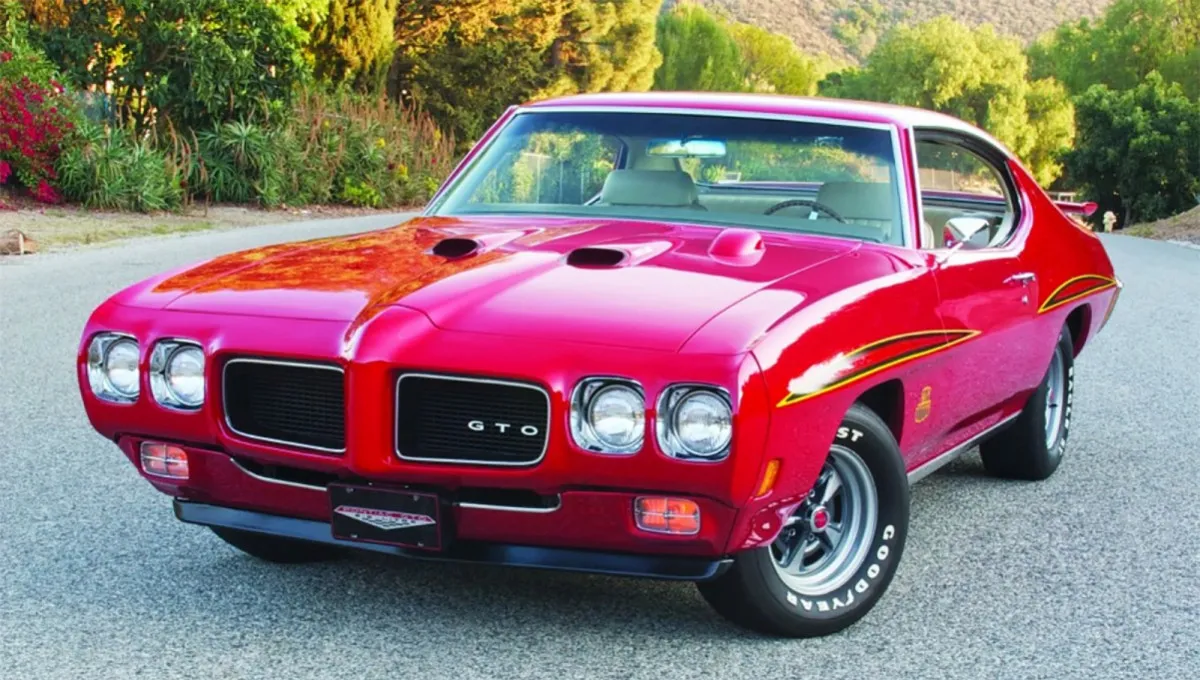
Pontiac's 1970 GTO Had a Wild Exhaust Option—Only 233 Cars Got It
Pontiac offered an unusual exhaust system for the 1970 GTO, but the factory option didn't last long.
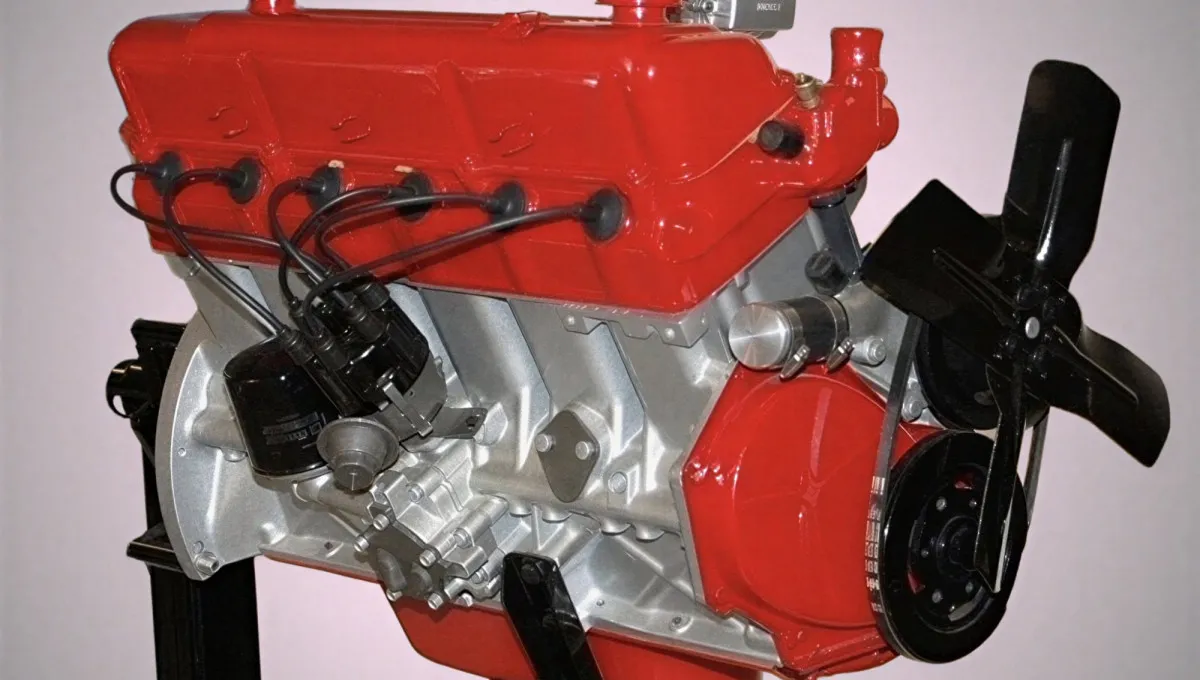
Chrysler's Aluminum Slant 6 Engine: The Lightweight Experiment of 1961–1963
Chrysler built more than 50,000 cars with an aluminum-block Slant 6 before production challenges brought the project to an end.