
The “Gas-Saving” Tricks That Could Destroy Your Car — And What Drivers Should Do Instead
Some fuel-saving tricks can backfire, costing drivers far more in repairs than they ever save at the gas pump.
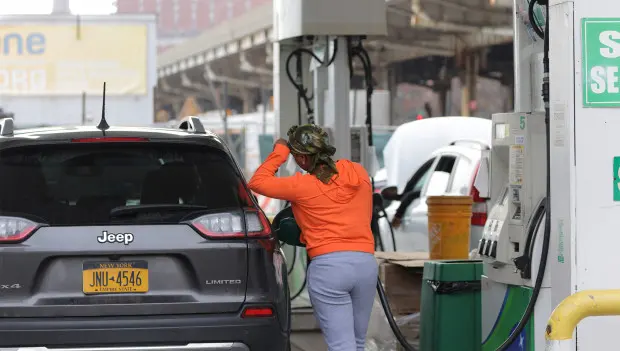
Drivers looking to spend less at the gas pump sometimes turn to questionable fuel-saving tricks without considering what they could do to the vehicle. Some of these habits may save a small amount of gasoline, but they can also create unnecessary safety risks or lead to expensive repairs.
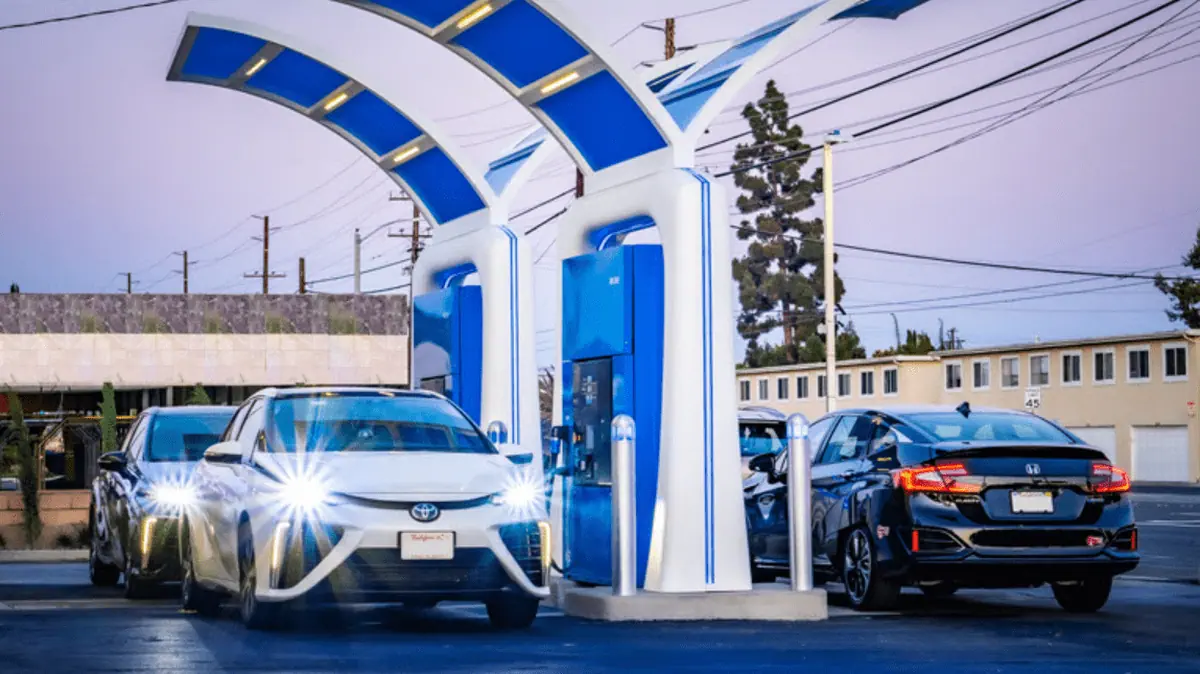
Here are some common fuel-saving tactics drivers should think twice about if they want to protect both their vehicle and their wallet.
Coasting in Neutral
One common belief is that shifting into neutral and letting the vehicle coast will save fuel. On modern vehicles, however, that isn't necessarily the case. In many situations, keeping the vehicle in gear while decelerating allows the engine management system to reduce or temporarily cut fuel delivery.
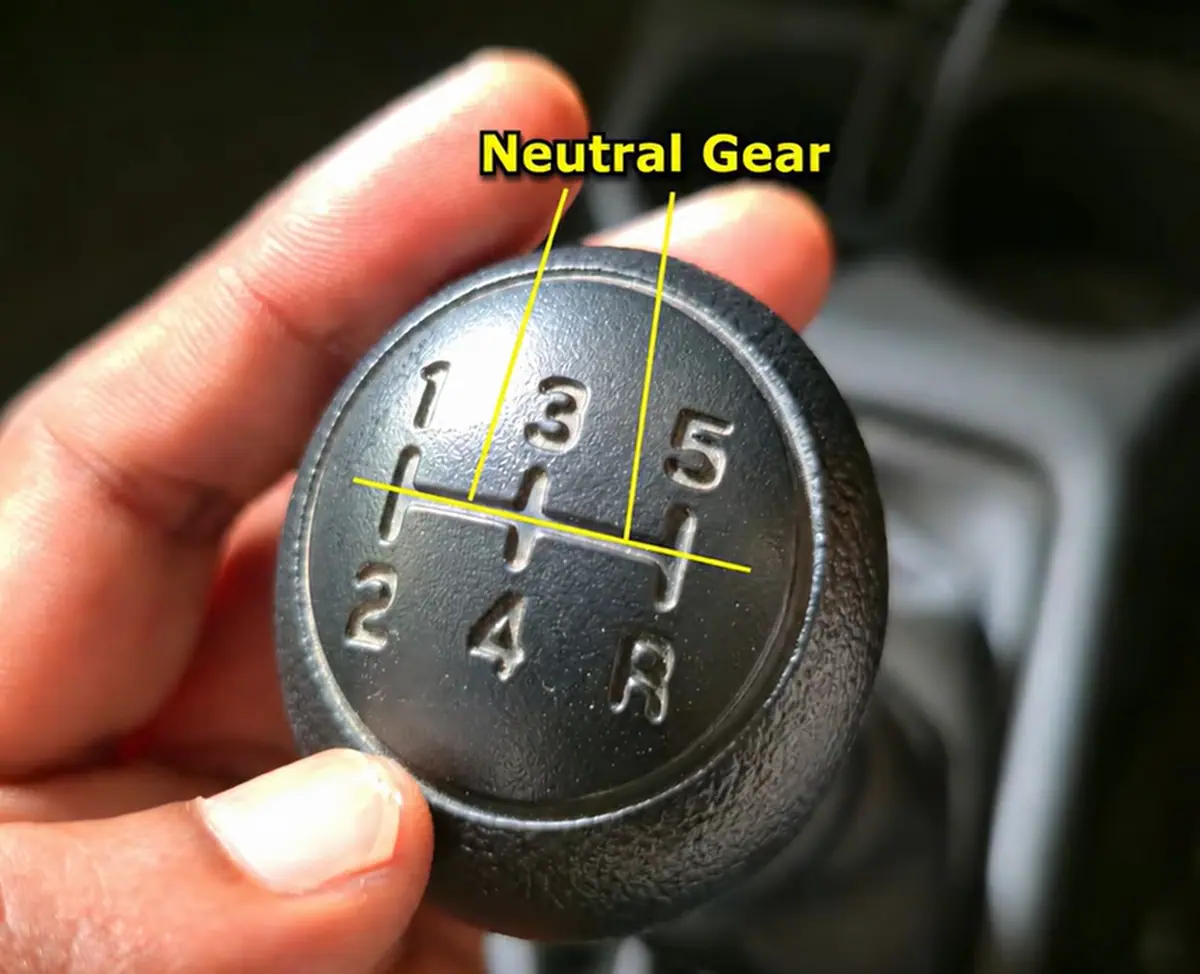
Shifting into neutral can also reduce the driver's control over the vehicle and make it harder to respond quickly to changing traffic conditions. Instead of delivering a meaningful fuel-economy benefit, the habit can create an unnecessary safety issue.
Never Using the Air Conditioner
Some drivers avoid using the air conditioner entirely in an attempt to save fuel. While running the A/C does require energy, permanently leaving the system unused isn't a smart maintenance strategy.
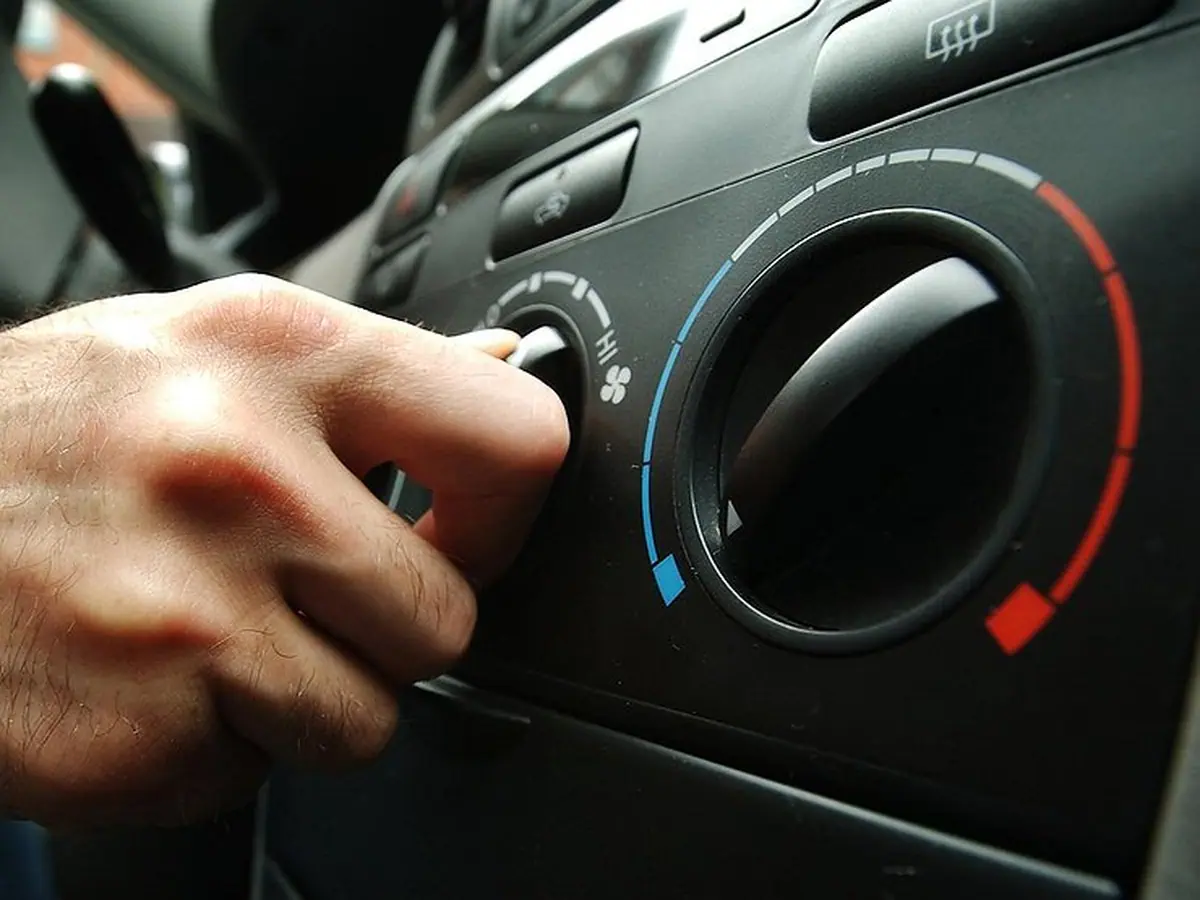
Automotive A/C systems rely on lubricants circulating through the system, and prolonged periods without operation can contribute to problems with seals and other components. A small amount of fuel savings isn't worth risking an expensive A/C repair.
What Actually Helps Save Gas
The most effective approach is much less complicated: accelerate smoothly, anticipate traffic, avoid unnecessary hard braking and maintain a reasonable speed. The U.S. Department of Energy says aggressive driving, including speeding, rapid acceleration and hard braking, can reduce fuel economy by roughly 15% to 30% at highway speeds and 10% to 40% in stop-and-go traffic.
Keeping your speed under control can also make a noticeable difference. Fuel economy generally drops rapidly at speeds above about 50 mph, according to the Department of Energy. Slowing down on the highway reduces aerodynamic drag and can improve fuel economy, although the exact savings depend on the vehicle, road and driving conditions.
Drivers should also remove unnecessary items from the trunk and cargo area. Extra weight requires more energy to move the vehicle, while roof racks and cargo carriers can significantly increase aerodynamic drag at highway speeds. The Department of Energy notes that roof-mounted cargo can reduce fuel economy by as much as 25% at Interstate speeds.
In other words, the easiest way to save money on gasoline isn't usually a strange trick. Smooth driving, reasonable speeds, less unnecessary weight and good vehicle maintenance can improve fuel economy without putting the car at unnecessary risk.
You may also be interested in the news:
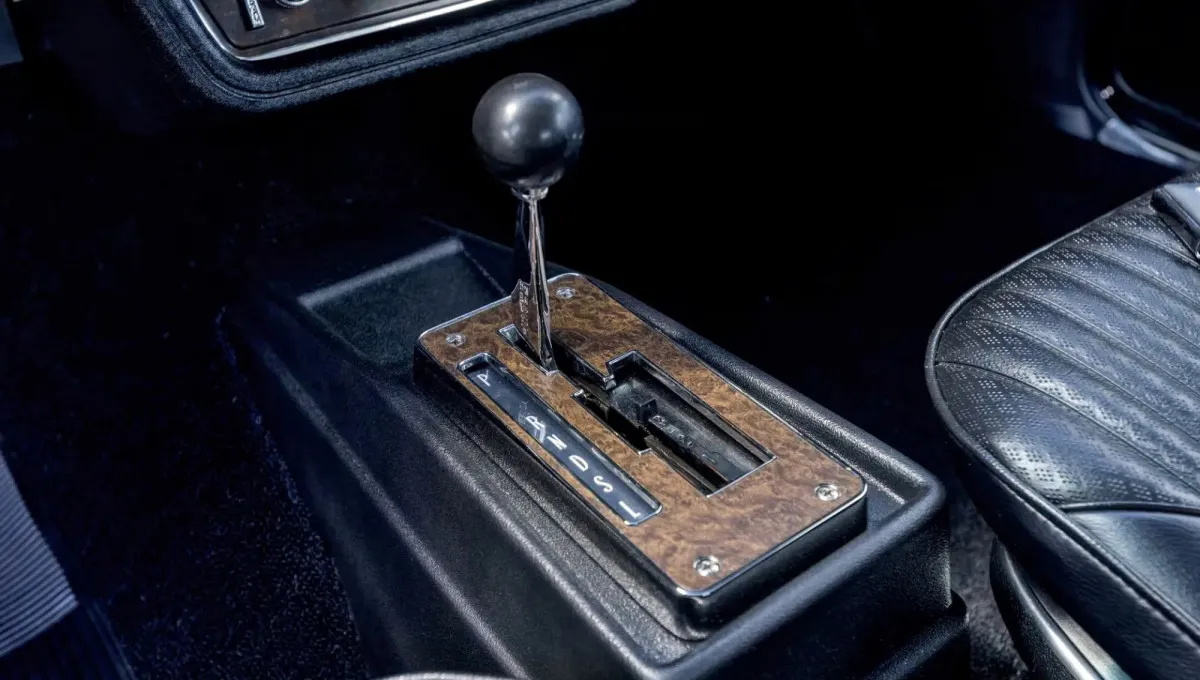
How Oldsmobile Invented a Manual Gearbox for an Automatic
Long before paddle shifters and electronic driving modes, Oldsmobile found a clever mechanical way to let drivers shift an automatic transmission themselves.
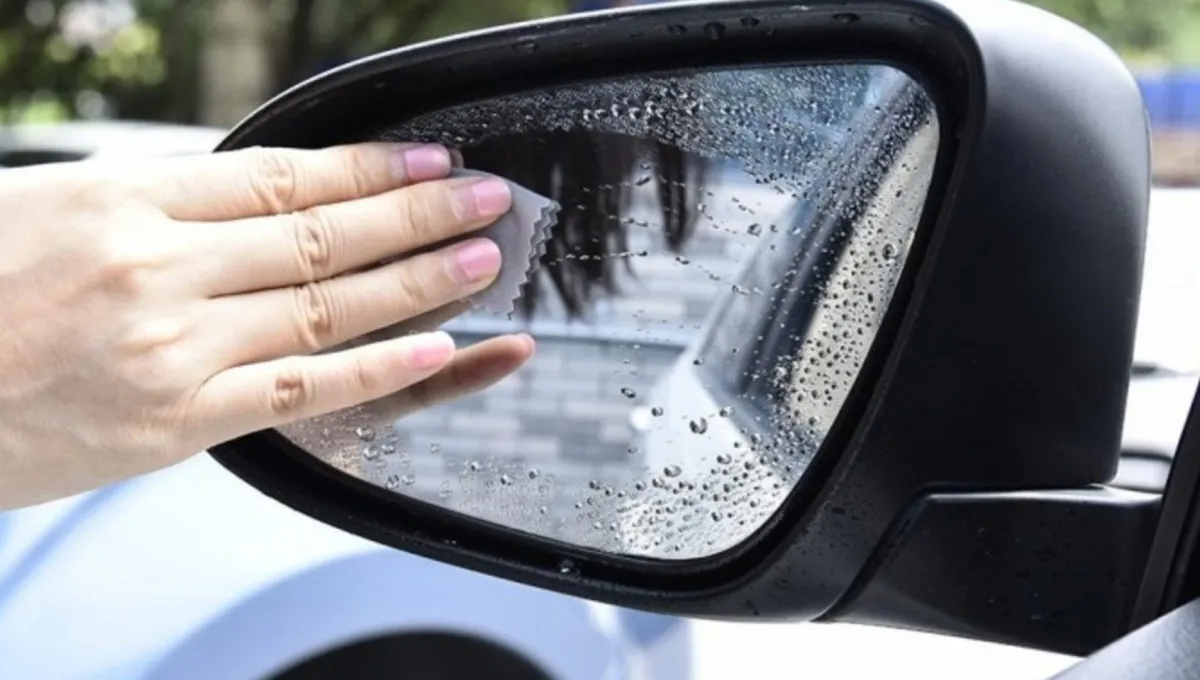
How to Protect Your Car Mirrors From Rain: A Simple Home Hack
A simple household product can help keep your car’s side mirrors clearer when rain makes visibility a challenge.
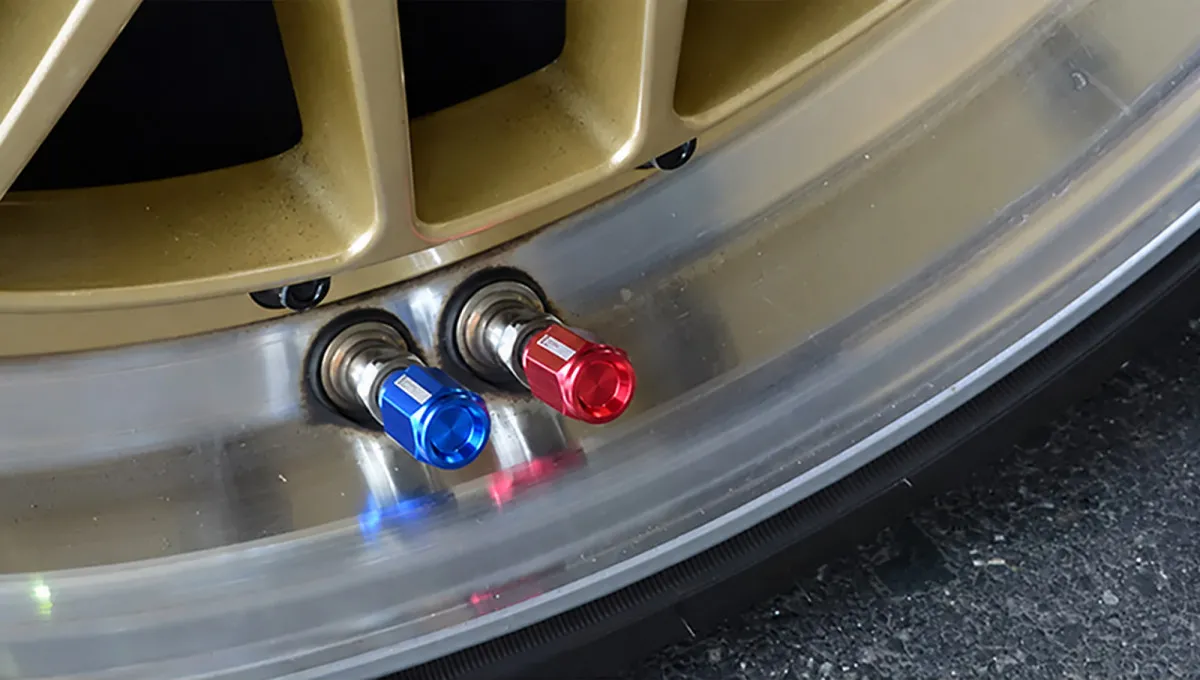
Not a Manufacturing Error: Why Some Wheels Have Two Valve Stems
Two valve stems on one wheel may look unusual, but the setup serves a practical purpose in racing and specialized tire service.
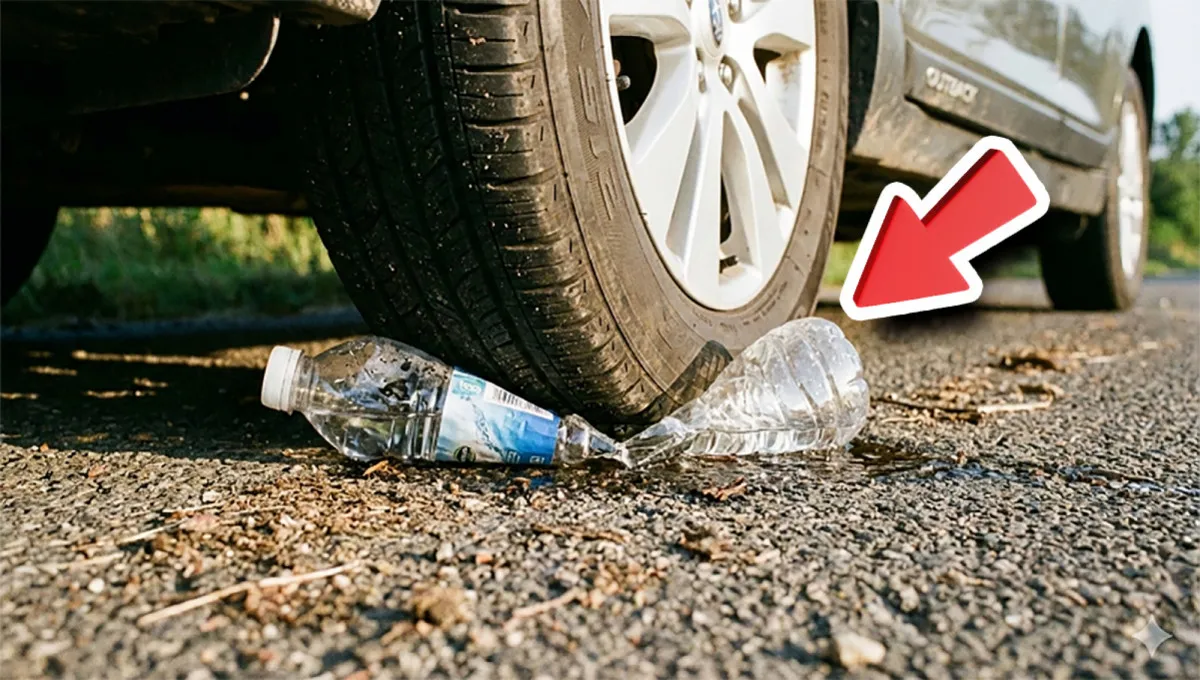
Bottle Under the Tire: The New Roadside Scam Targeting Drivers
A new roadside scam is gaining traction, using a simple plastic bottle to trick unsuspecting drivers.
Why Your Neighbor Always Parks With the Wheels Turned: An Auto Expert Explains Three Reasons
Straight wheels aren’t always the smartest choice: experienced drivers turn them for three practical reasons you may not expect.