
Your Brakes Squeal Every Morning? Here’s When That Noise Is Normal—and When It Could Mean Trouble
That sharp brake squeal first thing in the morning is often harmless—but persistent noise can point to worn or damaged brake components.
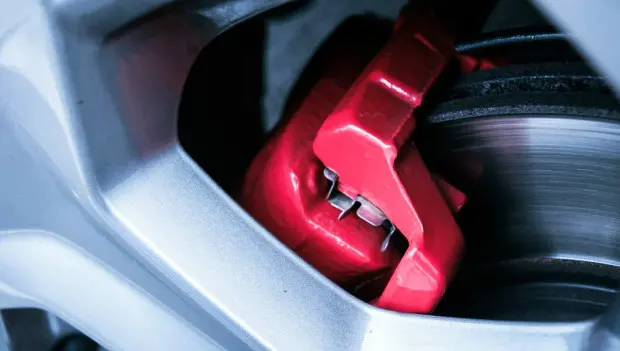
Hearing a piercing squeal from the brakes just after pulling out of the driveway is a familiar experience for many drivers. Often, it is only temporary and disappears after a few minutes. But sometimes that noise can be an early warning sign of a problem that could cost far more than a routine brake inspection.
So how can you tell the difference between harmless “morning brake squeal” and a warning that something more serious is happening?
Why Do Brakes Squeal in the Morning?
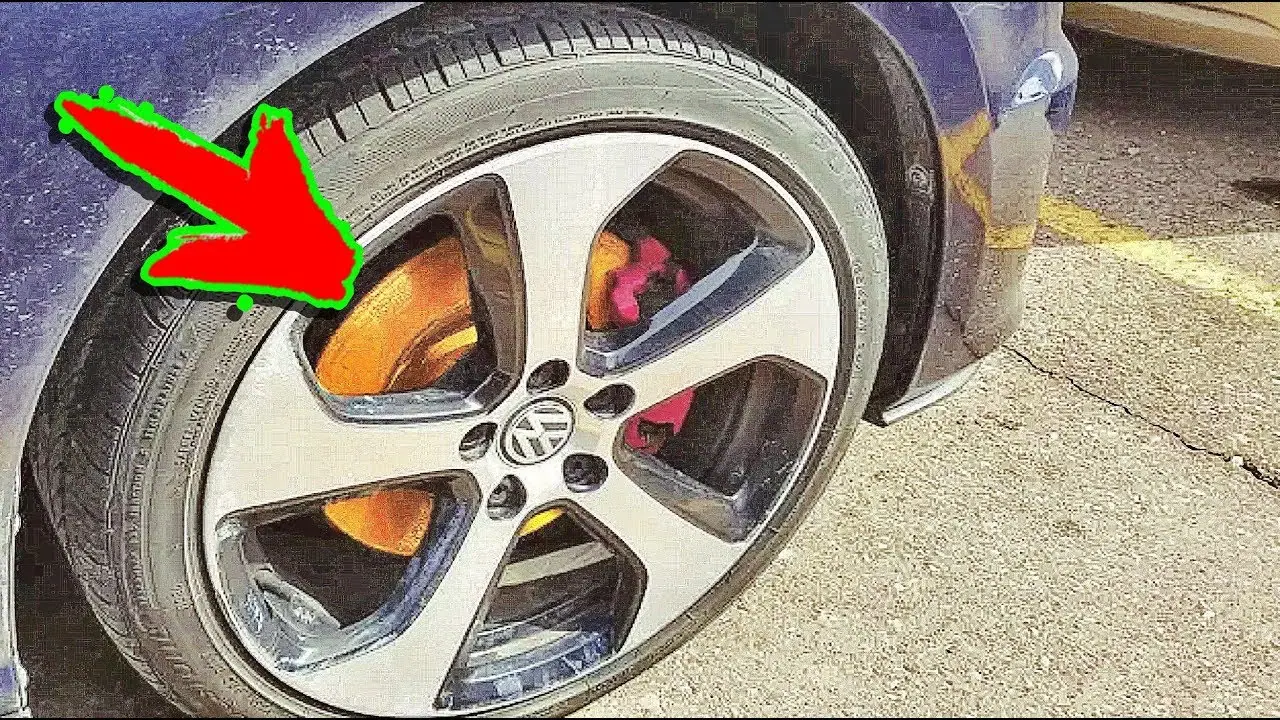
In many cases, morning brake squeal is simply a reaction to moisture and changing conditions. Moisture is usually the main culprit.
Overnight, condensation can form on the brake rotors. After rain, there can be even more moisture on the braking surfaces. When water mixes with brake dust and tiny metal particles, it can leave behind a thin layer of residue that produces a sharp squeal during the first few stops.
Once the rotors warm up and the moisture evaporates, the noise typically disappears.
Cold weather can make the situation even more noticeable. Low temperatures can change the characteristics of the friction material in brake pads, making it harder and potentially increasing friction and vibration. Road salt and other de-icing chemicals can also collect around the rotors and calipers, contributing to surface rust and louder brake noise when you first start driving.
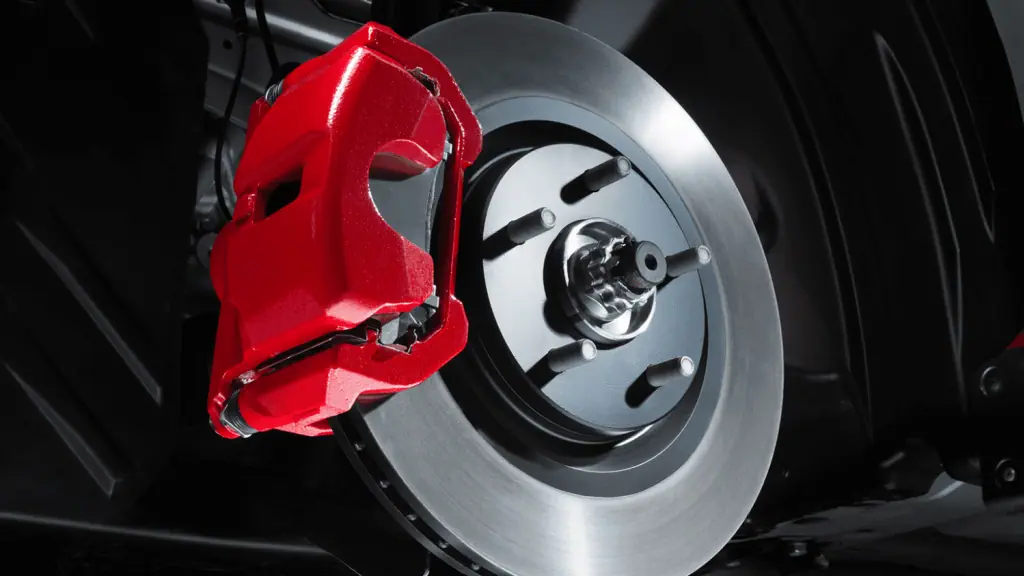
Another common cause is brake dust. Brake pads and rotors naturally produce tiny particles as they wear. When that material builds up, particularly in damp conditions, it can contribute to noise. Some harder brake-pad compounds can also be more prone to squealing, even though they may offer good durability.
The physics behind the noise is fairly simple. High-frequency vibrations—often above 5 kHz—can produce the characteristic squeal drivers hear from disc brakes. The vibration can be triggered by the friction material, the condition of the rotor or uneven contact between the pad and rotor.
Automakers are also working on new brake technologies, particularly for electric vehicles. Mercedes-Benz, for example, has been developing brake systems designed to reduce corrosion and brake-dust emissions. One of its research projects has explored a brake design that could significantly reduce wear and eliminate much of the brake dust produced by conventional systems.
When Does Brake Squeal Become a Warning Sign?
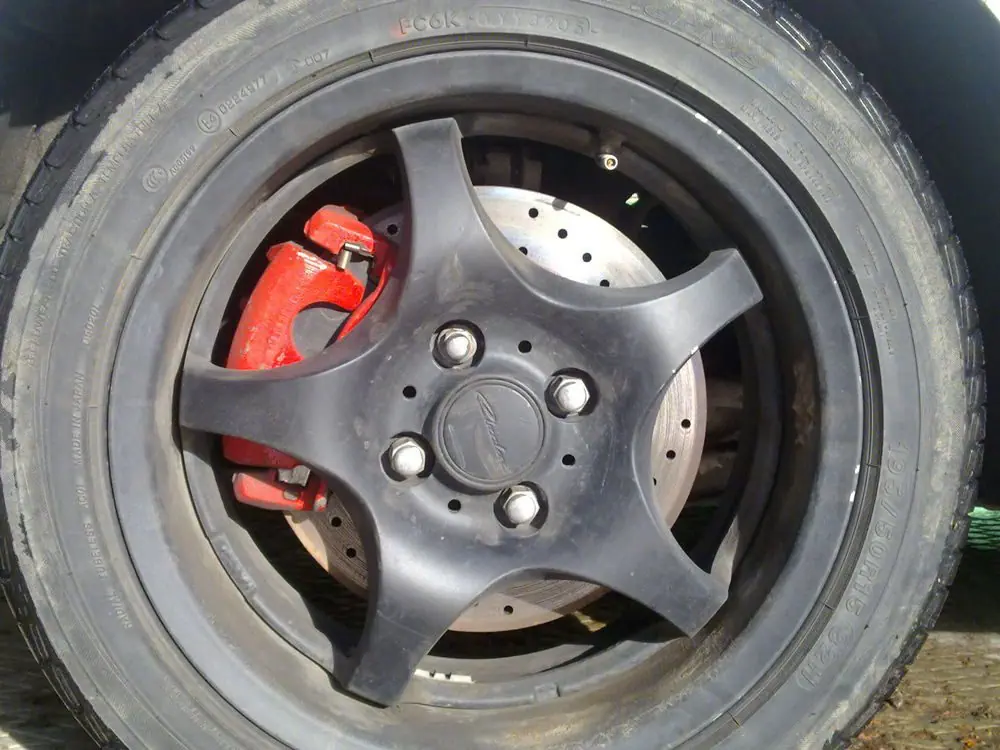
If the squeal disappears after the first few minutes of driving, it usually isn't a reason to panic. But if the noise becomes constant, continues after a longer drive in dry conditions or changes into a harsher grinding sound, it's time to have the brakes inspected.
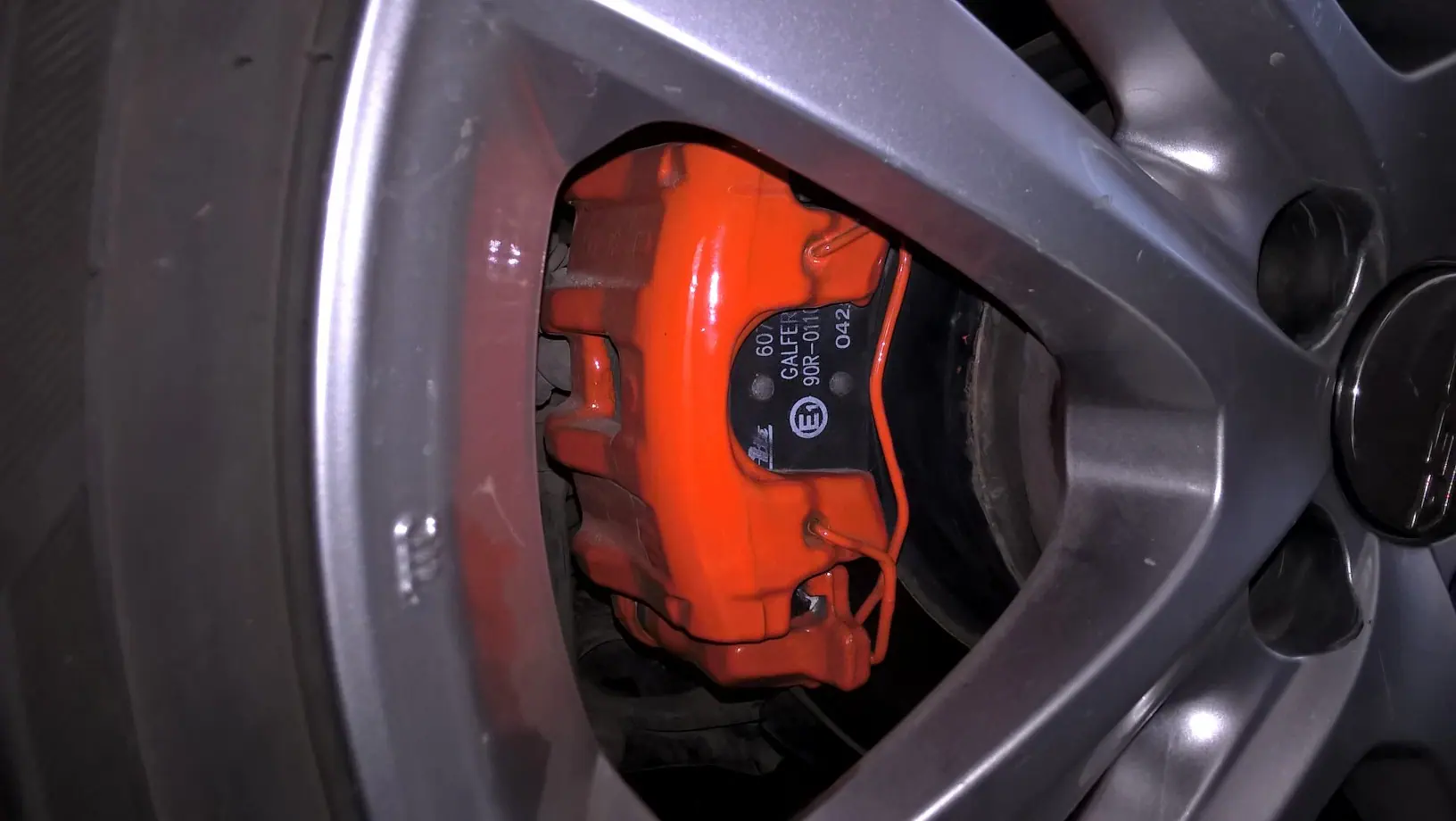
Severely worn brake pads can produce a persistent metallic grinding noise. That can happen when most or all of the friction material has worn away and the metal backing plate begins contacting the brake rotor.
That's not a problem to put off.
Many brake professionals recommend replacing pads once the friction material gets down to roughly 4-5 millimeters, or about 0.16-0.20 inch, even though the absolute minimum may be closer to 2-3 mm (0.08-0.12 inch), depending on the vehicle and brake system. Waiting until the pads are completely worn can turn a relatively simple brake-pad replacement into a much more expensive repair involving the rotors.
Brake squeal becomes more concerning when it is accompanied by vibration in the brake pedal or steering wheel. That can indicate uneven rotor surfaces, excessive heat or other brake problems that prevent the pads from making consistent contact with the rotors.
Other warning signs include a noticeably longer stopping distance or the vehicle pulling to one side when braking.
If you notice any of these symptoms, have the braking system inspected as soon as possible.
Proper Brake Maintenance Can Help Keep the Noise Away
Regular brake maintenance is one of the best ways to prevent both noise and more serious problems.
After installing new brake pads, there is a break-in period, commonly called bedding-in. Depending on the brake components and manufacturer recommendations, it can take roughly 30-125 miles of normal driving for the pads and rotors to establish an even contact surface.
During this period, drivers should avoid unnecessary hard braking whenever possible and follow the break-in procedure recommended by the pad manufacturer. Proper bedding helps the friction material mate evenly with the rotor and can reduce the likelihood of persistent noise.
The condition of the brake caliper is also important. Dirty or sticking caliper hardware, including guide pins and their protective boots, can contribute to brake noise even when the pads still have plenty of material remaining.
Cleaning the components and using the correct high-temperature brake lubricant on appropriate contact points can help prevent these problems. Not every brake component should be lubricated, however, and using the wrong product can cause damage or create a safety issue.
A periodic brake inspection can catch these problems before they become expensive repairs.
The bottom line is simple: a brief squeal during the first few stops on a damp or cold morning is often nothing unusual. A noise that continues, gets louder or comes with vibration, grinding, pulling or reduced braking performance deserves immediate attention.
Your brakes are one part of the car where a little preventive maintenance can save a lot of money—and potentially prevent a much more serious problem later.
You may also be interested in the news:
7 Car Repairs Mechanics Secretly Hate Taking on — Here’s Why Shops Say “No”
A mechanic explains why some seemingly routine repairs can become expensive nightmares for both shops and car owners.
Your Car May Be Burning More Gas This Fall — Here’s the Surprising Reason Why
Colder temperatures, longer warm-up times and denser air can all cause your car to use more fuel in the fall.

The “Gas-Saving” Tricks That Could Destroy Your Car — And What Drivers Should Do Instead
Some fuel-saving tricks can backfire, costing drivers far more in repairs than they ever save at the gas pump.

328,000 Jeep Grand Cherokees Recalled Over a Hidden Crash Risk — Owners Should Act Now
Chrysler is recalling more than 328,000 Jeep Grand Cherokees over a rear coil spring problem that could increase the risk of a crash.
How to Protect Your Car Mirrors From Rain: A Simple Home Hack
A simple household product can help keep your car’s side mirrors clearer when rain makes visibility a challenge.