
One Driving Habit Slowly Wears Out an Automatic Transmission: What Drivers Should Avoid
Seven-speed DSG gearboxes with dry clutches are among the most vulnerable and expensive to repair.
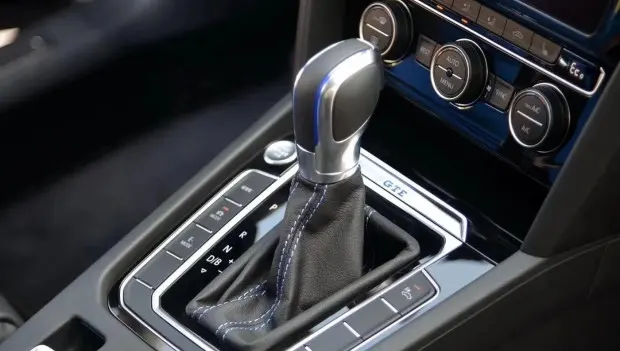
A common morning driving habit can quietly shorten the life of an automatic transmission. Taking a little extra time after starting the engine, however, can reduce the risk of a breakdown that may cost thousands of dollars to repair. Here’s what drivers should avoid doing with an automatic transmission.
Why You Shouldn’t Drive Away Immediately After Starting the Engine
Driving off immediately after starting the engine can accelerate wear on an automatic transmission, with seven-speed DSG gearboxes using dry clutches among the most vulnerable. During the first few seconds, the hydraulic system is still building operating pressure, while the transmission fluid has not yet circulated through every passage.
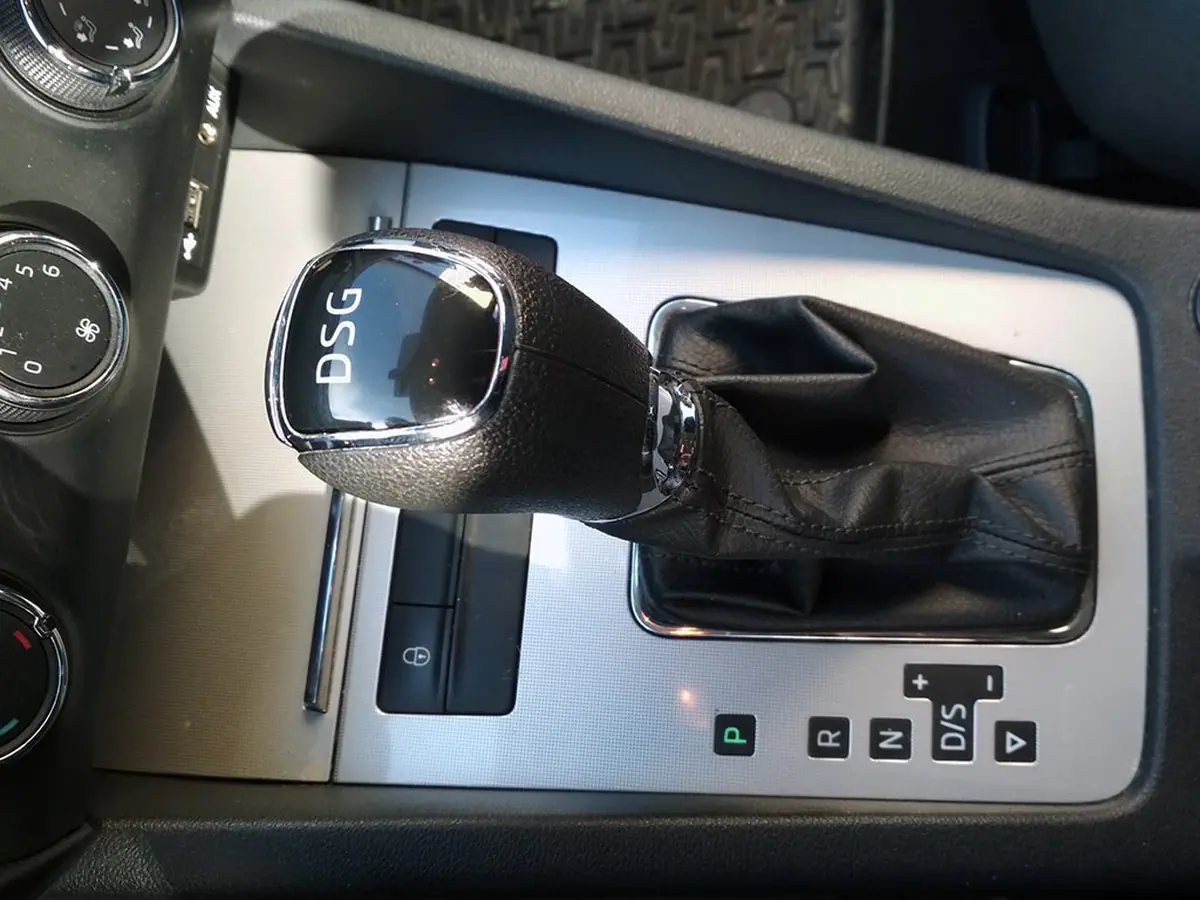
Modern automatic transmissions respond almost instantly, which can give drivers the impression that the vehicle is fully ready for heavy use. In reality, the clutch can begin engaging before a proper lubricating film has formed across all of the necessary surfaces.
In a newer vehicle, this interval is barely noticeable. But many vehicles on the road have accumulated hundreds of thousands of miles, meaning the fluid may have deteriorated, seals have naturally worn, and hydraulic pressure may no longer be as consistent as it once was.
When the Risk of Transmission Damage Is Highest
Many drivers think of an automatic transmission as little more than a mechanism that shifts gears by itself. In reality, it combines mechanical components, hydraulics and electronics. A key part is the mechatronics unit, which uses controllers and valves to direct transmission fluid at precise pressures.
Those precision components are expensive and can be sensitive to even small deviations in operating conditions.
The issue is especially pronounced with seven-speed DSG transmissions equipped with dry clutches. Because the friction components do not operate in an oil bath, excessive clutch slip during takeoff can directly increase wear on the clutch linings.
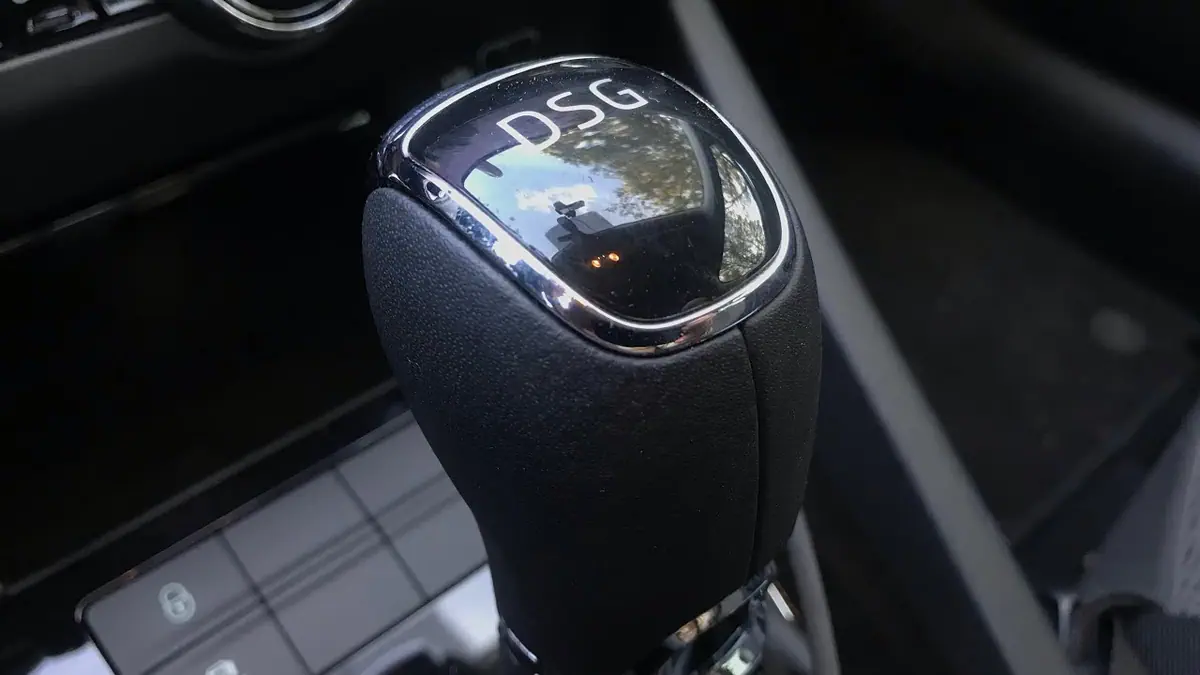
The situation is different with wet-clutch DSG transmissions and conventional automatics that use a torque converter. Their clutches operate in fluid, which helps with cooling and lubrication. That does not provide complete protection, though. Thick, cold transmission fluid can still affect hydraulic operation and the smoothness of gear changes.
How Long Should You Let the Engine Run Before Driving?
There is no official rule specifying exactly how many seconds a driver should wait after starting the engine. A simple approach is to let the engine idle briefly after startup and, after shifting into Drive or Reverse, wait another second or two before releasing the brake.
It is also important to take it easy for the first few hundred yards. Hard acceleration immediately after pulling out of a parking spot puts unnecessary stress on both the engine and transmission.
You may also be interested in the news:
Small Fin, Big Job: Why Your Car’s Shark Fin Is More Than Just a Styling Trick
The small fin on your car's roof may look decorative, but it actually serves several important technical purposes.
Your Engine Could Be Warning You: 6 Problems That Can Make a Car Run Rough
Engine problems rarely happen without a reason, and six common issues can cause a car to run poorly.
Changing Your Car’s Filters: How to Do Basic Maintenance Yourself Without Damaging the Engine
Changing the oil, engine air filter and cabin air filter yourself can save money, but small mistakes can cause expensive problems.
That Stuff in Your Trunk Is Costing You More Than You Think—Here’s What to Take Out
Carrying unnecessary cargo can quietly increase fuel use, accelerate wear and create an avoidable safety hazard for drivers and passengers.