
Dodge Hornet crossover faces exit from market due to unlucky production choice
The 2026 Dodge Hornet crossover may never reach the market.
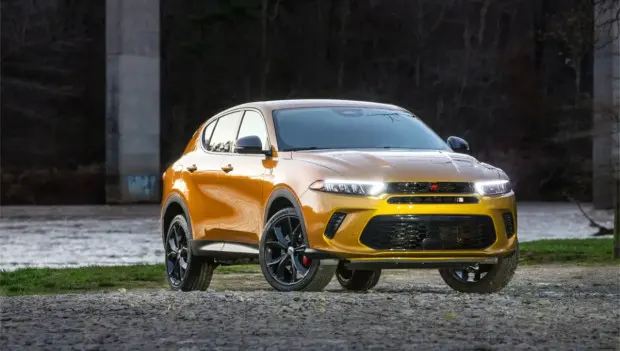
The 2026 Dodge Hornet crossover may not make it to production — at least, the American company is giving no clear information about its future. The model, originally developed to compete with the Toyota RAV4, now faces uncertainty due to tariffs imposed by the U.S. on vehicles assembled outside the country. As a result, the Hornet is already becoming more expensive than its rivals.
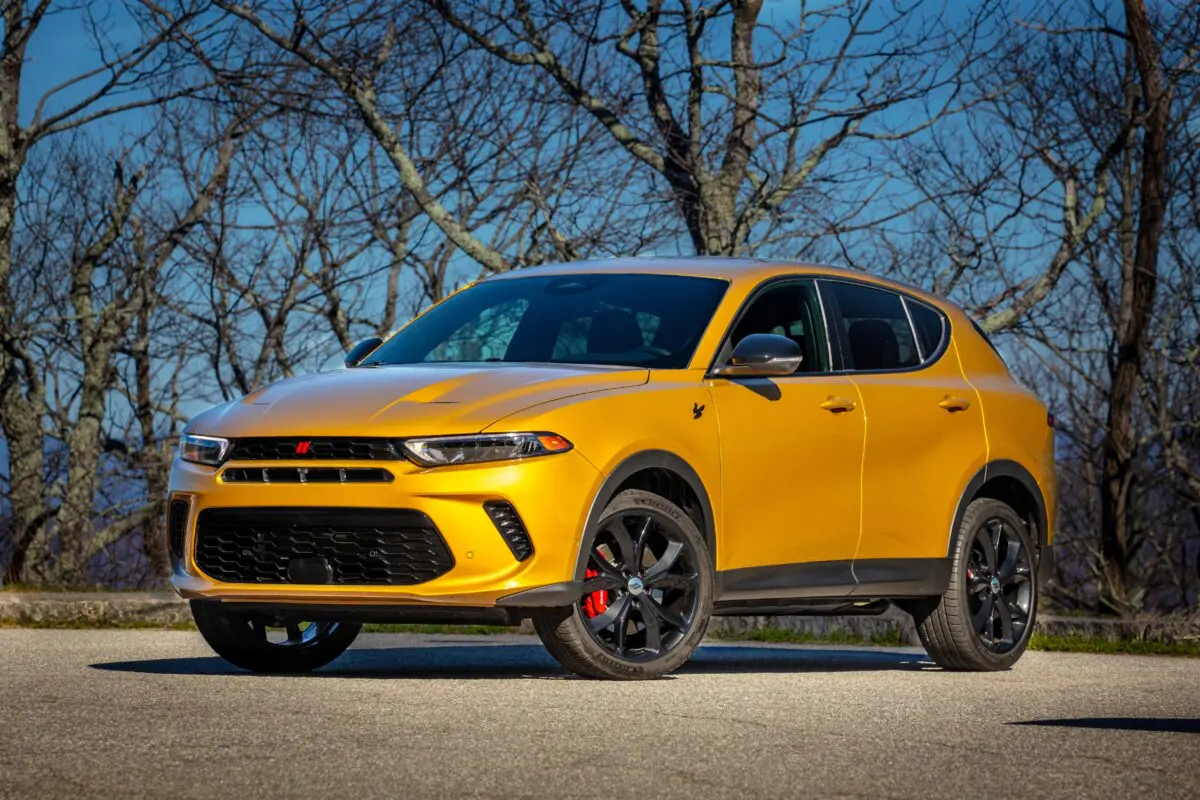
Production of the American-branded model was set up in Italy, at the same plant that builds the Alfa Romeo Tonale, with which the Hornet shares its platform. This makes the crossover subject to the new tariffs. But that’s not the only problem: the vehicle has struggled to gain traction with buyers. Last year, sales amounted to just around 20,500 units.
With higher prices driven by rising tariffs, the Hornet is expected to lose even more ground. Currently, Dodge has already imported all assembled units into the U.S., where the model is being sold at roughly $30,000. Once those vehicles are sold, the company may discontinue further development of the crossover.
You may also be interested in the news:
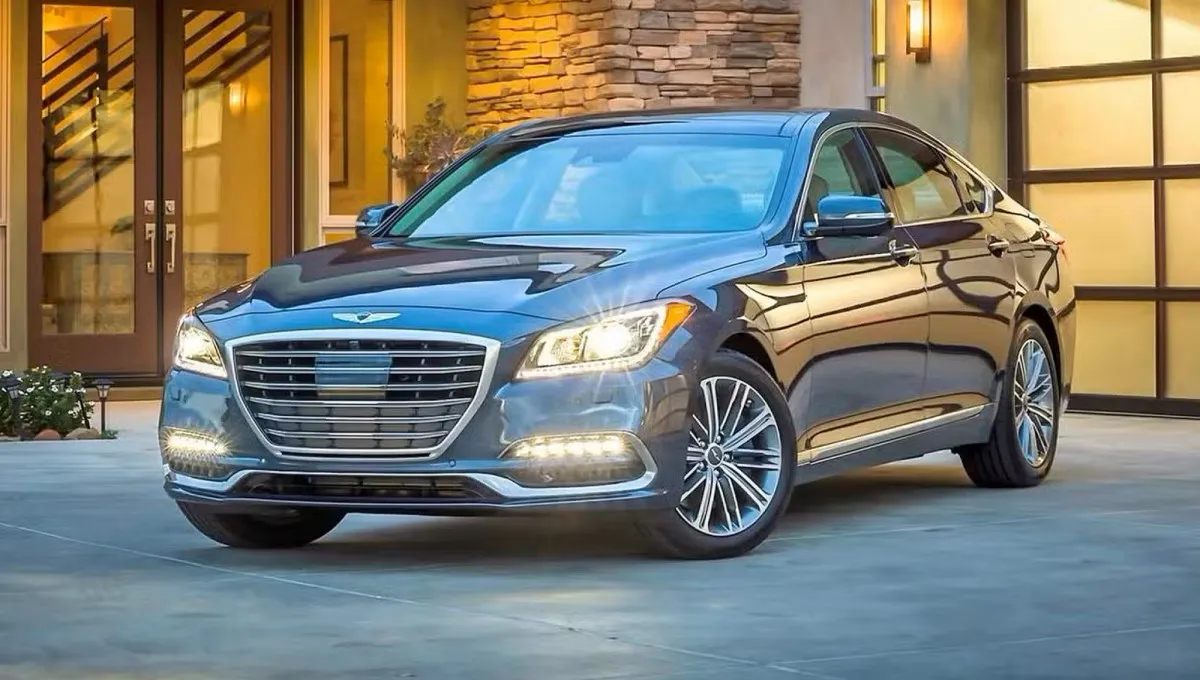
Hyundai Recalls Nearly 95,000 Genesis Sedans Over Fire Risk From Power Seats
Hyundai is recalling 94,622 Genesis sedans after a faulty power seat switch was linked to overheating and potential vehicle fires.
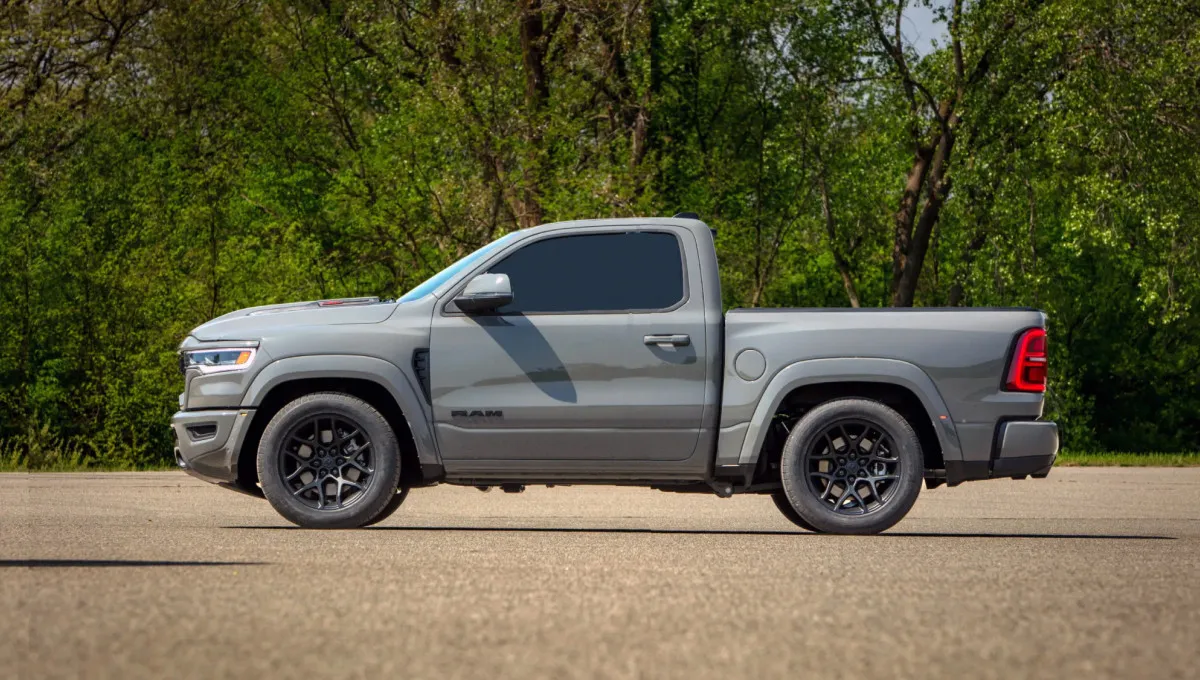
2027 Ram 1500 Rumble Bee: Pricing, Options and How to Build Yours
The 777-HP Ram Rumble Bee Is Coming — But You Can Buy the New Hemi Truck Now
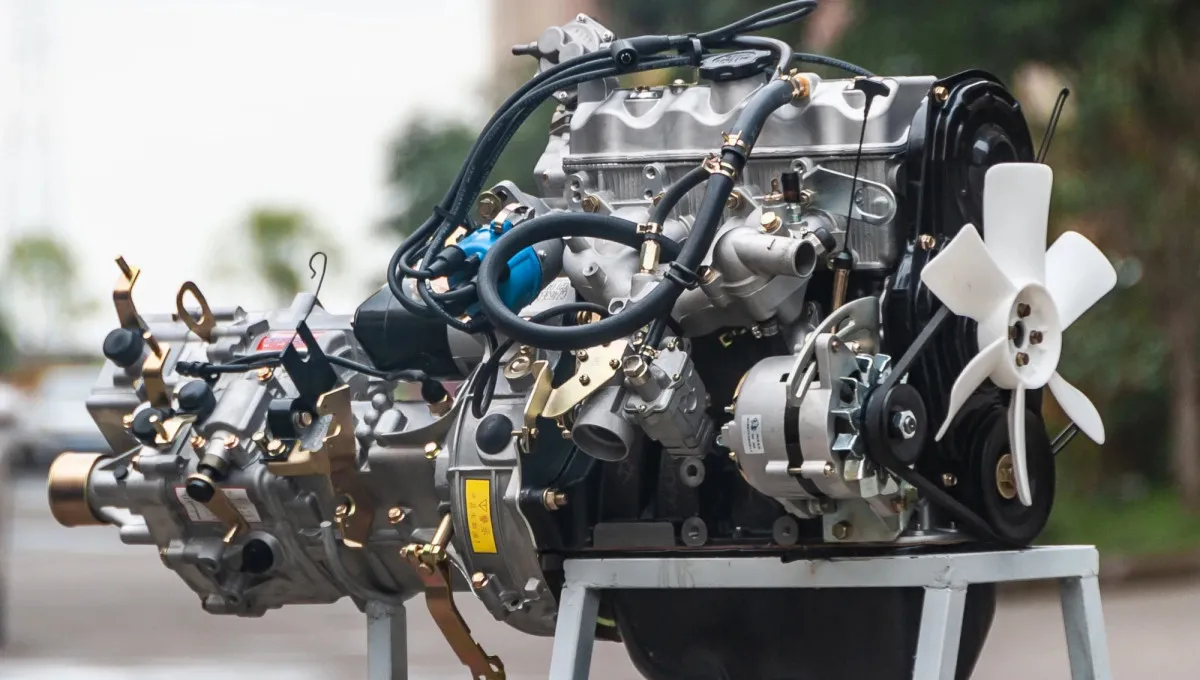
“Are You Sure It’s Chinese?” Who Really Builds China’s Car Engines
Who Really Develops China’s Car Engines?
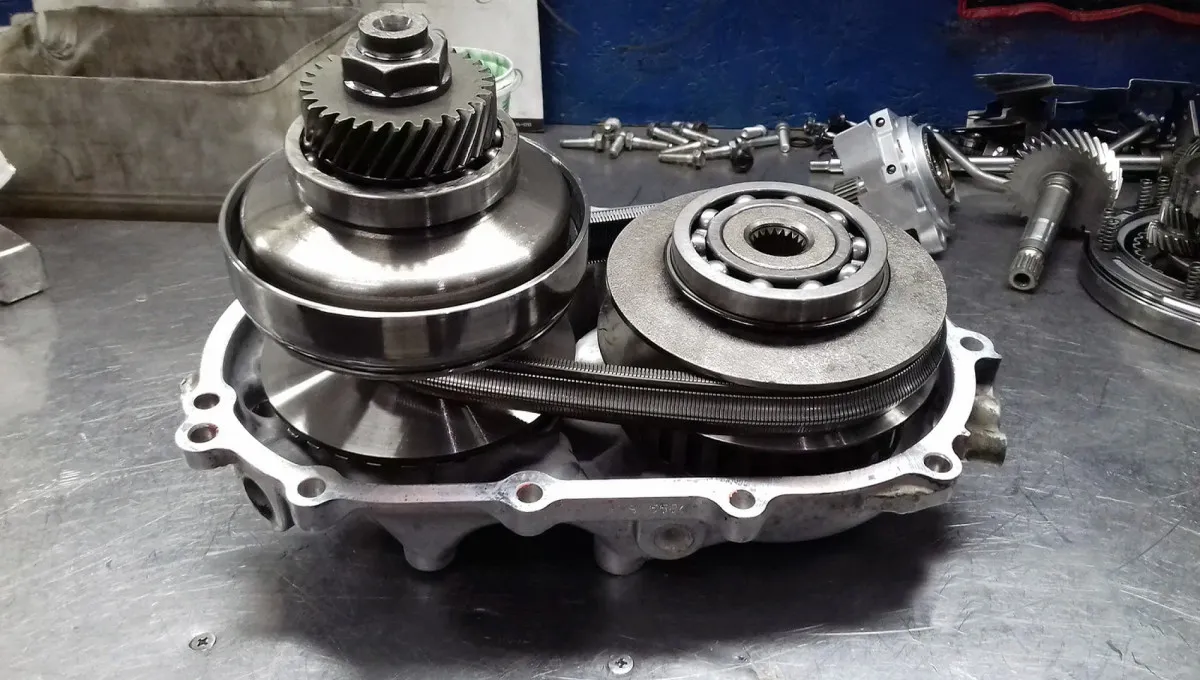
Why Experienced Drivers Still Warn Against Buying a Used Car With a CVT
CVTs offer smooth acceleration and good fuel economy, but expensive repairs and durability concerns make used models risky.
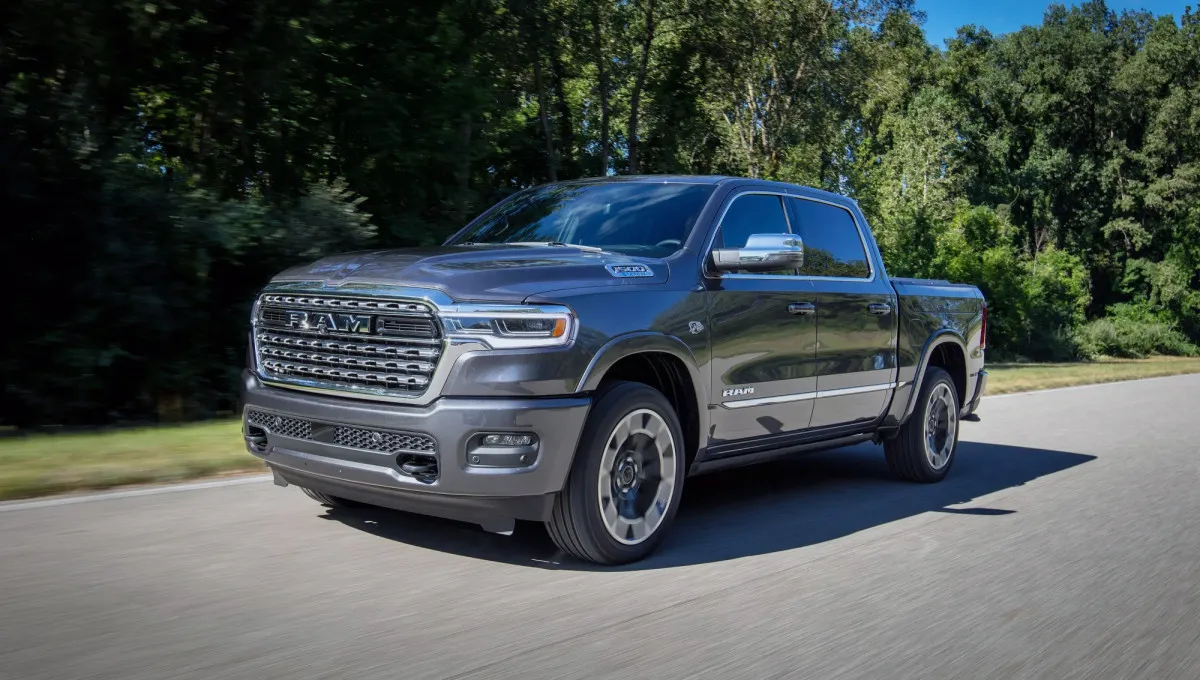
2026 Ram 1500 Recall: 16K Trucks May Have Faulty Tire Pressure Sensors
Ram is recalling 16,385 model-year 2026 Ram 1500 trucks