
Xiaomi to Lay Off All Workers and Replace Them with Robots in Its Factories
The company is betting on humanoid machines and artificial intelligence.

Xiaomi has announced sweeping changes to its production lines: in the near future, most tasks currently handled by human workers will be taken over by humanoid robots.
According to Xiaomi CEO Lei Jun, artificial intelligence is rapidly evolving from a supportive tool into a core force capable of reshaping global industry. One of the most striking examples, he noted, is Xiaomi’s electric vehicle factory, where an automated system using X-ray scanning and computer vision inspects cast components in just a few seconds.

Lei Jun believes technologies like these could create a new market worth trillions of dollars. However, he emphasized that for robotics to expand beyond individual factories, a robust partnership ecosystem is required — no single company can independently build a complete technological cycle.
The CEO confirmed that over the next five years, humanoid robots will begin appearing on Xiaomi’s assembly lines in large numbers, replacing human workers. He stressed that the era of cheap labor is ending, and the competitiveness of industry will increasingly hinge on technological advancement.
You may also be interested in the news:
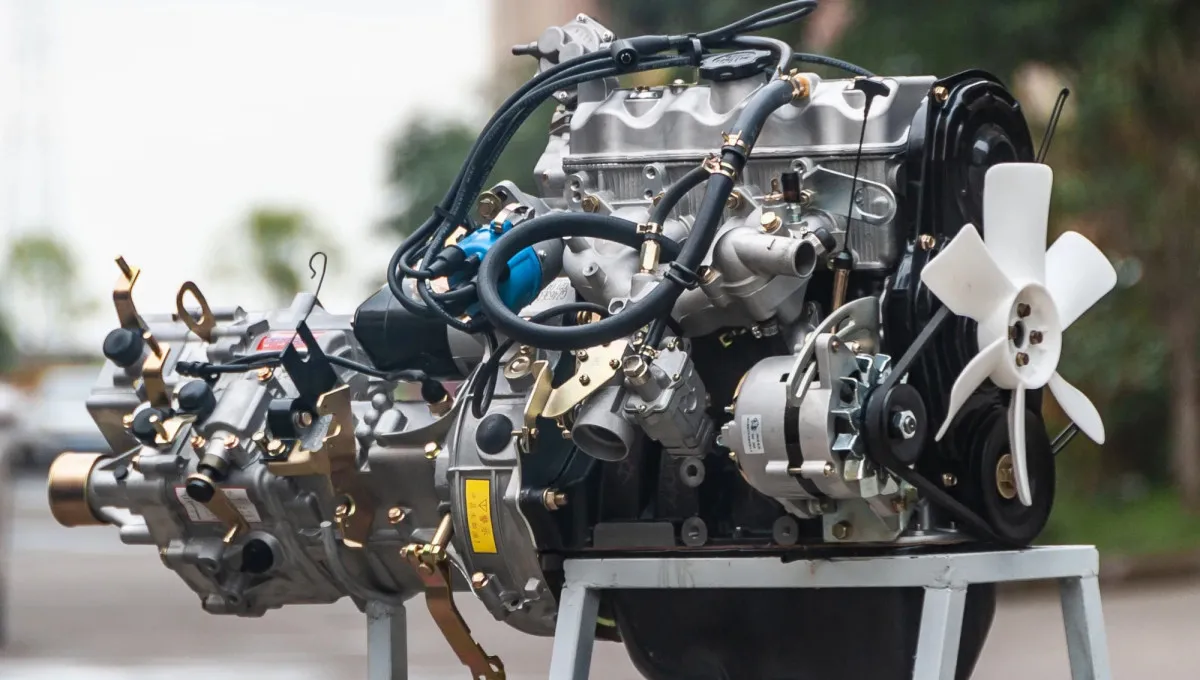
“Are You Sure It’s Chinese?” Who Really Builds China’s Car Engines
Who Really Develops China’s Car Engines?
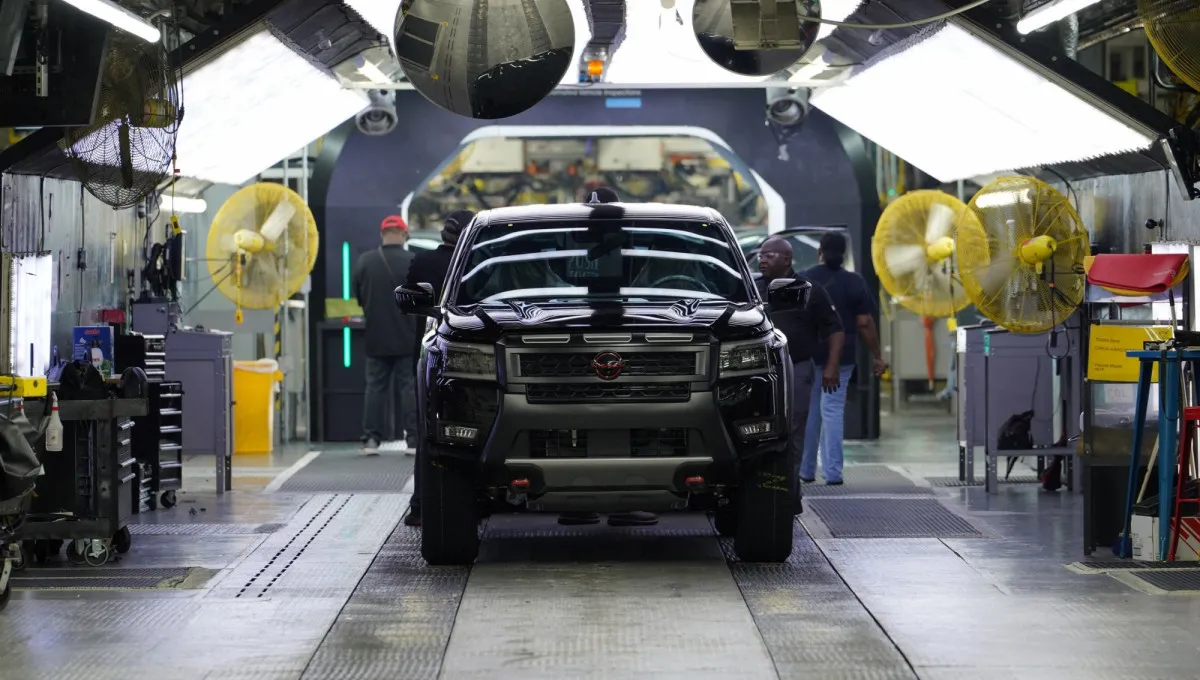
Nissan Restarts US-Made Murano, Pathfinder, Frontier Sales in Canada
Nissan resumed Canadian sales of three U.S.-built models, but tariffs keep supply below earlier levels.

Suzuki Wants to Develop New Cars Twice as Fast—And AI Will Help Make It Happen
Suzuki is planning a major overhaul of vehicle development as it looks to bring new models to market faster.
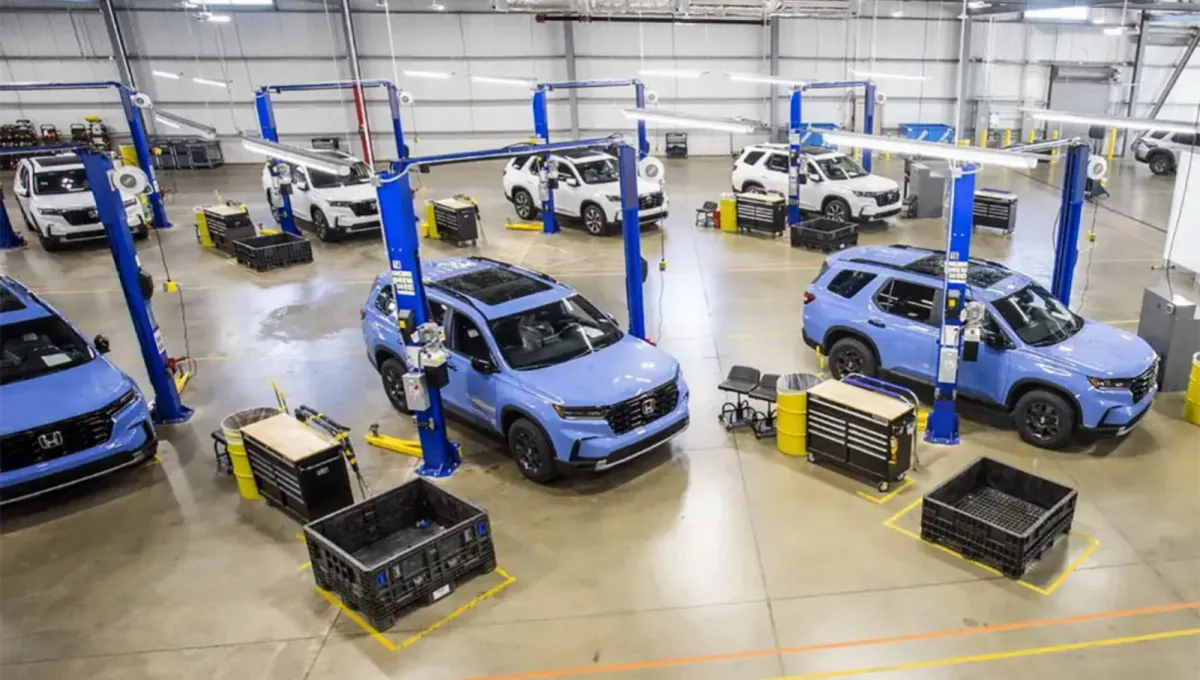
Honda Is Rethinking Its Future SUVs—and a Massive New Ohio Plant Is Coming
Honda is planning a major Ohio expansion as it shifts its future lineup toward larger hybrid SUVs.
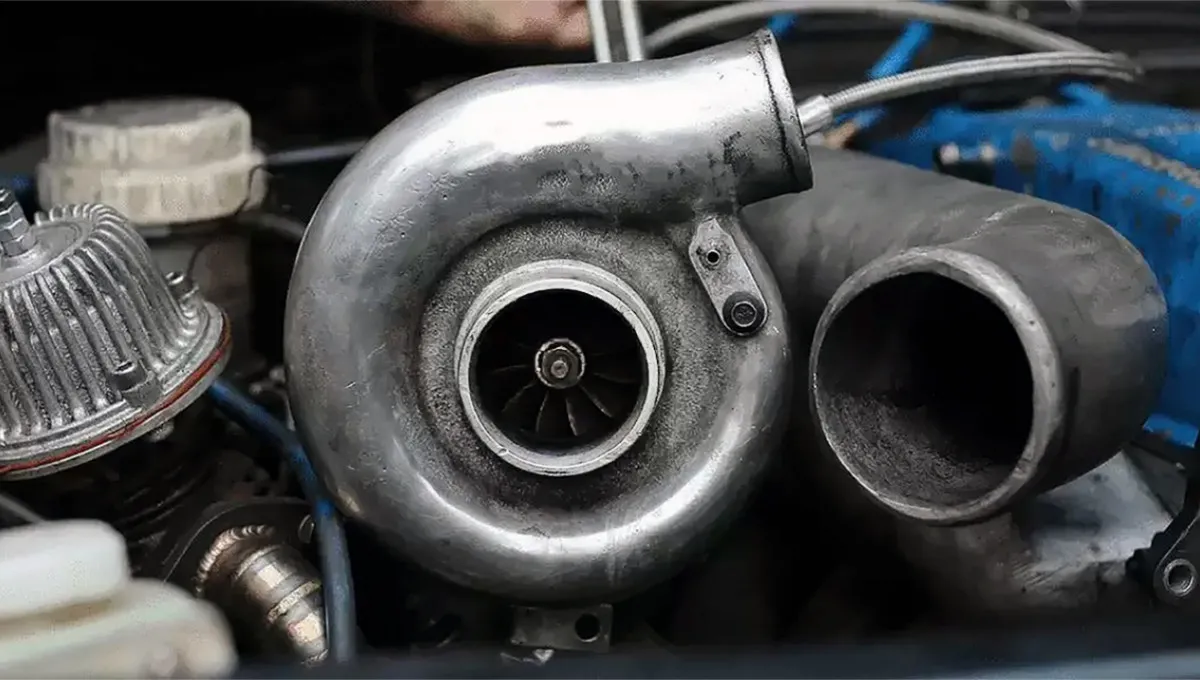
Why Small Turbo Engines Are Replacing Big V8s—and What It Means for Your Next Car
Turbochargers let automakers squeeze big-engine performance from smaller engines—but the technology comes with trade-offs.